Komodo · Indonesia · Seamount · Pinnacle
Castle Rock
A submerged pinnacle where the sharks hold in the current
Photo: ben.hollis · CC BY 2.0
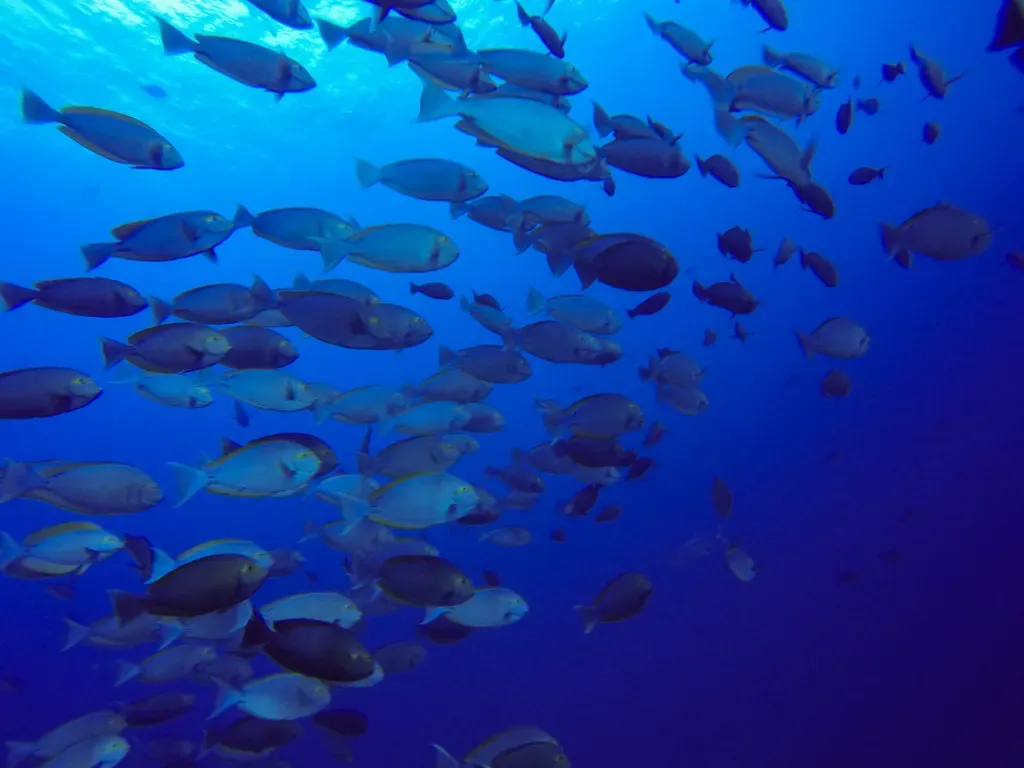
Castle Rock is a large submerged rock formation in Komodo National Park, a huge pinnacle whose top comes to within 4 m of the surface without breaking it. Divers make a quick descent into the blue and work the rock, where grey reef and whitetip sharks patrol and schools of trevally, tuna and surgeonfish stack up. The normal diving depth is 10 to 25 m.
Where it is and how deep
8.4289° S, 119.5628° EPublished position for this site.
The dive
Nothing shows at the surface: Castle Rock is a huge pinnacle standing on its own underwater, its top 4 to 5 m below the surface. Entries are quick, because the plan calls for a fast descent if the currents are strong, and you fall down into the blue surrounded by surgeonfish and trevallies rather than following a line down to a reef you can already see.
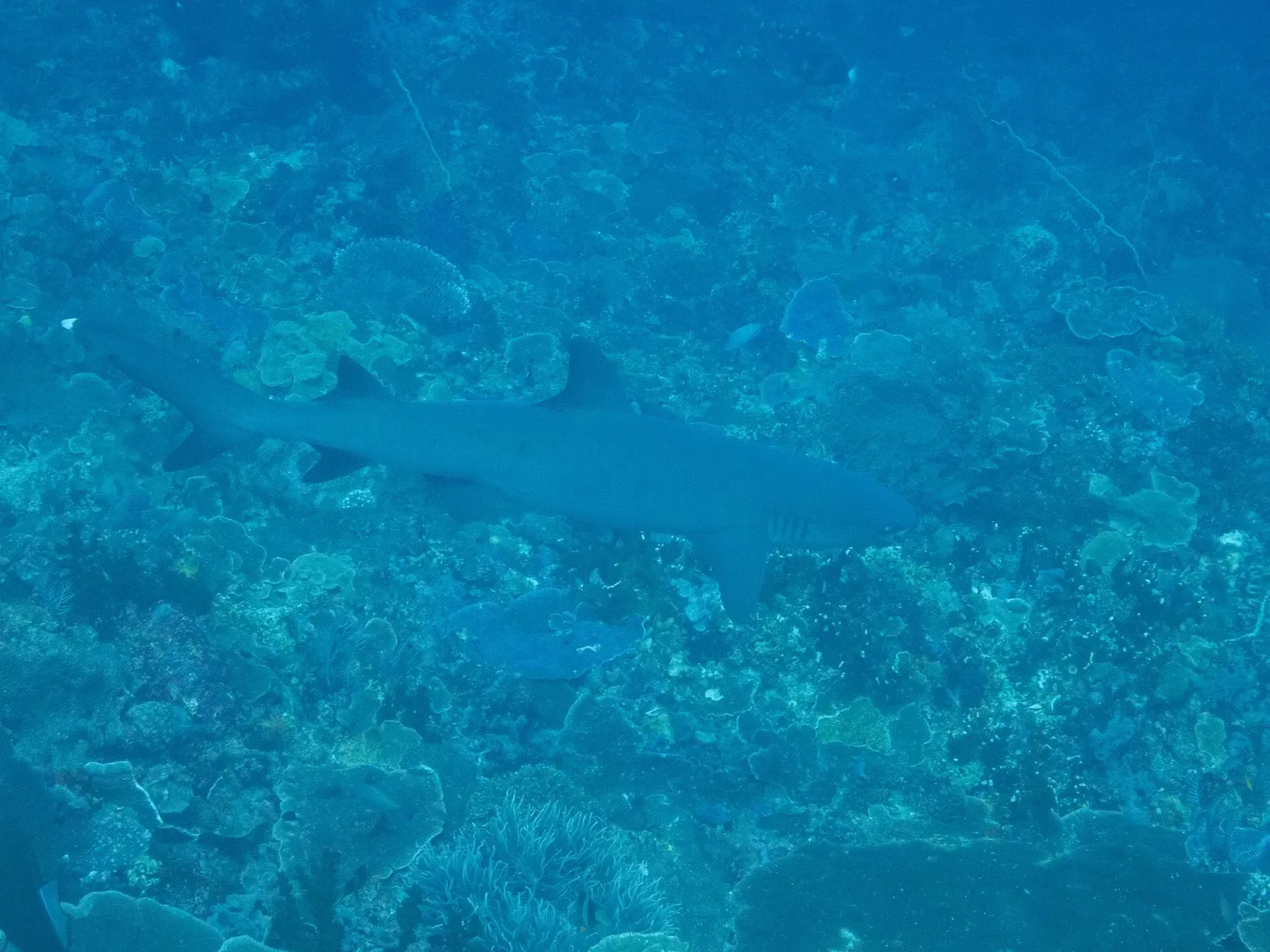
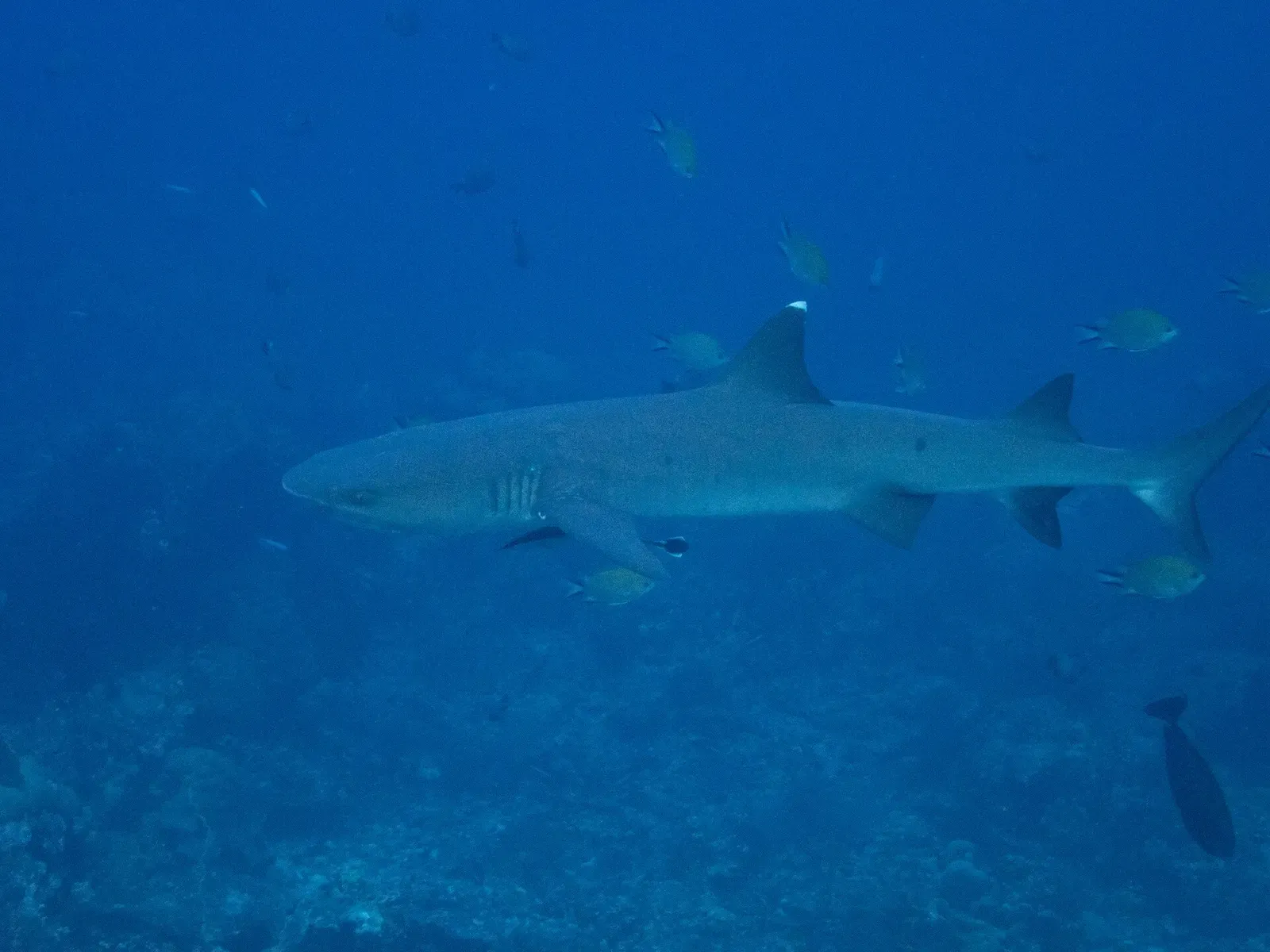
Once you are on the rock, work it between roughly 10 and 25 m, where the fish stack up. Whitetip and grey reef sharks patrol the edge of the blue, Napoleon wrasse cruise the coral, and thousands of butterflyfish sit above it. Schools of batfish and surgeonfish drift across the pinnacle while giant trevallies and tuna hunt through them.
The dive finishes shallow over the top of the rock, where you can hold position and let the group come back together. Octopus, turtles, nudibranchs and scorpionfish are in the cracks for anyone still looking, and visibility here is usually very good. The site is dived all year long, with the plan on the day set by the tide rather than the clock.
Marine life and season
- Reef sharks
- Manta rays
- Trevally & jacks
- Tuna
- Napoleon wrasse
- Sea turtles
- Octopus & cuttlefish
- Nudibranchs
- Reef fish swarms
| Jan | Feb | Mar | Apr | May | Jun | Jul | Aug | Sep | Oct | Nov | Dec |
|---|---|---|---|---|---|---|---|---|---|---|---|
| Prime | Prime | Good | Prime | Good | Good | Prime | Prime | Prime | Good | Good | Prime |
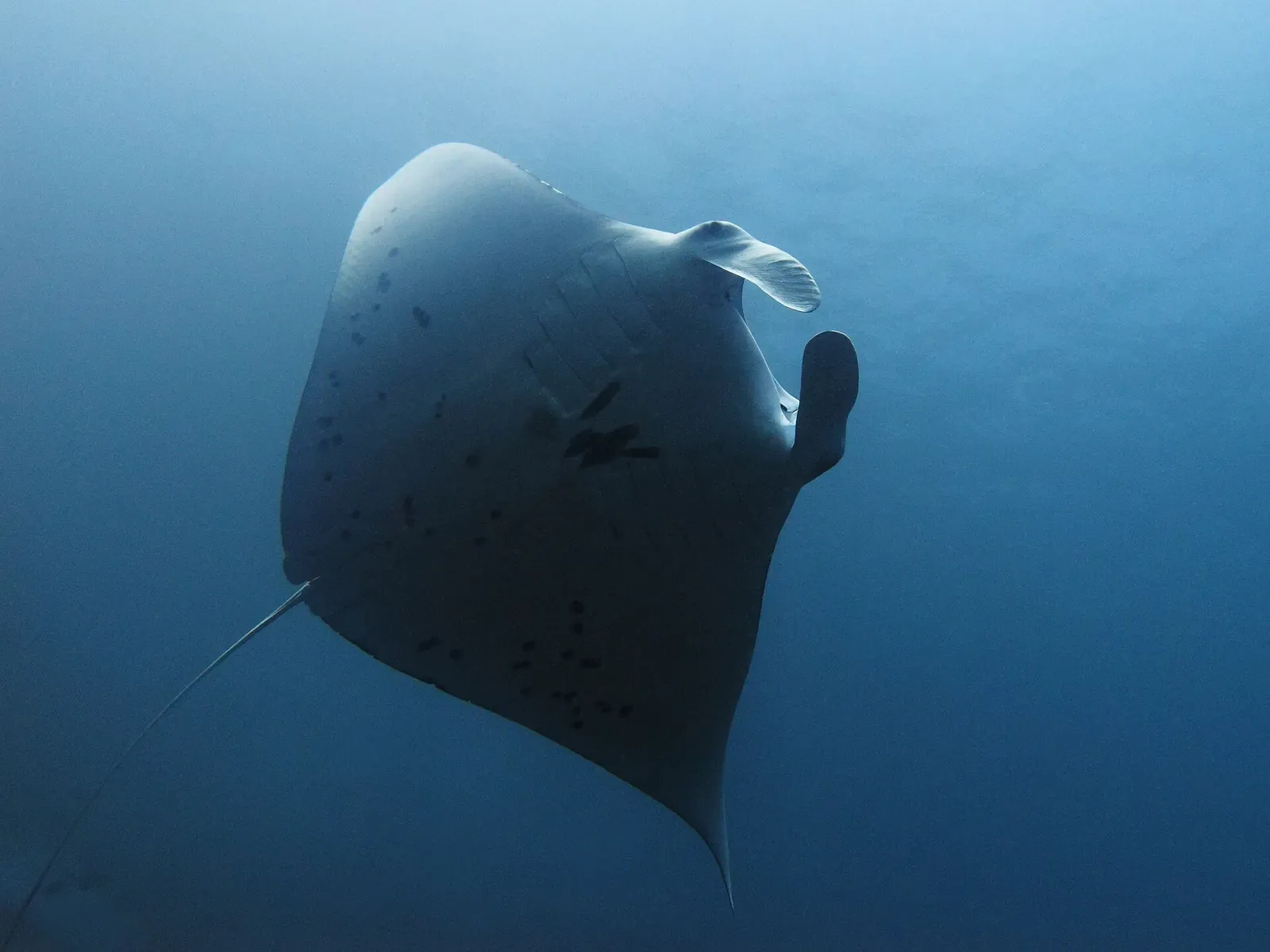
Season follows Komodo: Liveaboards run all year: April is often rated the best month, July to September is the big-fish peak, and the rainy months bring the best visibility and the mantas.
Know before you go
- Currents can be strong enough that the briefing calls for a fast descent; a slow one will put you past the rock and into open water before you reach it.
Photos from Castle Rock
Justin Philbois · CC0
Dive videos
Sharks at Castle Rock. Scuba Diving Komodo Islands. · Reef Nomad on YouTube
Questions divers ask
What sharks are seen at Castle Rock?+
Whitetip and grey reef sharks are the regulars, patrolling the edge of the blue around the pinnacle. Manta rays are also recorded here, along with giant trevallies and schools of tuna.
How deep do you dive Castle Rock?+
The normal diving depth is 10 to 25 m. The pinnacle tops out 4 to 5 m below the surface, which is where most dives finish.
Sources
- Castle Rock dive site — Divezone
- Castle Rock dive site — PADI Travel
Photo credits
- Dense school of surgeonfish and fusiliers streaming over the pinnacle in blue water. by ben.hollis, CC BY 2.0, via Openverse
- Whitetip reef shark and reef fish patrolling in open blue water. by Justin Philbois, CC0, via Wikimedia Commons
In The Logbook
- Why do you pee when diving, and tire after?Body & health · 12 min read
- How long should a surface interval be?Body & health · 8 min read
- How long does a tank of air last?Gear & kit · 9 min read
- Why your ears hurt diving, and how to stop itBody & health · 8 min read
More dive sites in Komodo
A holed rock at the surface, a coral-covered pinnacle below
Reef
Big-fish habitat in a current that usually runs strong
Soft coral and macro on a rock in the cold south of the park
Coral garden
The sheltered coral garden at the end of the Cauldron ride
A calm northern bay for skills practice near Crystal Rock
Soft-coral mound with sharks holding in the flow
Reef
A sloping northern passage dived on generally strong current
Rock corridors on the south coast where the mantas feed
Similar dives elsewhere

Fusiliers roll down the slope thick enough to block the view.

An isolated seamount that pulls in barracuda and trevally schools
Oceanic and reef mantas share one cleaning station

Two lava tubes through the reef top, exiting in a cave at 35 m