Komodo · Indonesia · Reef · Channel & pass
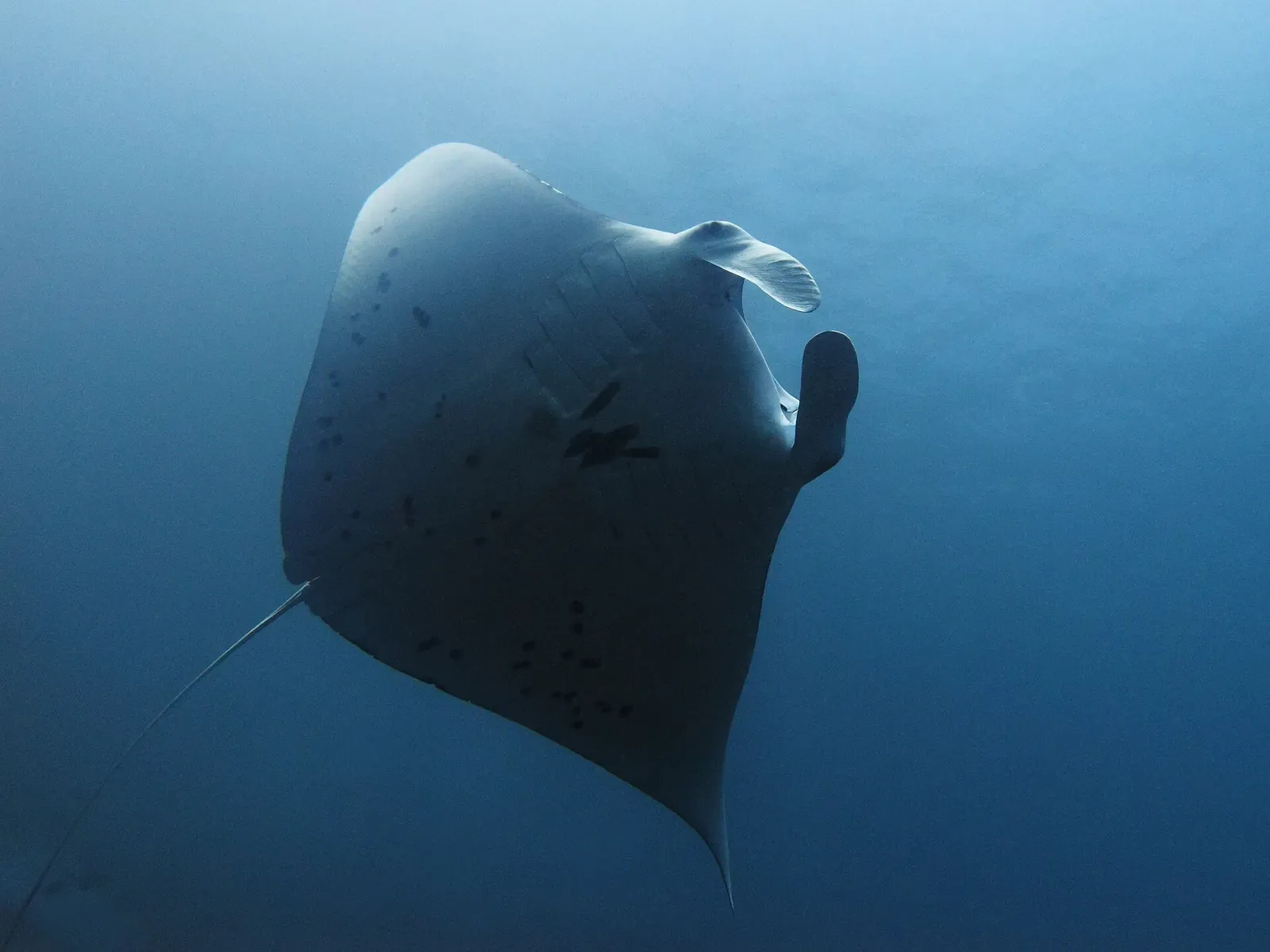
Manta Alley
Rock corridors on the south coast where the mantas feed
Photo: Alexander Vasenin · CC BY-SA 3.0
Manta Alley is a rock islet chain inside a bay on the south coast of Komodo Island, where narrow corridors between the rocks funnel cold, nutrient-rich upwelled water through the site. The plankton it carries draws reef mantas, and between September and January it is not rare to see up to 20 in one dive. The bay takes the full Indian Ocean swell and persistent tidal currents, so it is a liveaboard dive.
Where it is and how deep
9.0558° S, 119.4917° EPublished position for this site.
The dive
The site is a rock islet that just punctures the sea's surface in a small craggy chain, inside a bay along the south coast of Komodo Island. This is the exposed side of the park: the bay takes the full Indian Ocean swell and persistent tidal currents, the water can sometimes be a little bit cold, and whether the dive happens at all is a decision made on the water. Boat entry from a liveaboard is the only way in.
Underwater, narrow rocky corridors and scattered coral bommies form natural funnels that channel cold, nutrient-rich upwelled seawater through the site. The plankton blooms that follow are what hold the mantas here, and from September to January it is not rare to see up to 20 in one dive, juveniles among them. The normal diving depth is 10 to 25 m and visibility runs to 30 m and more.
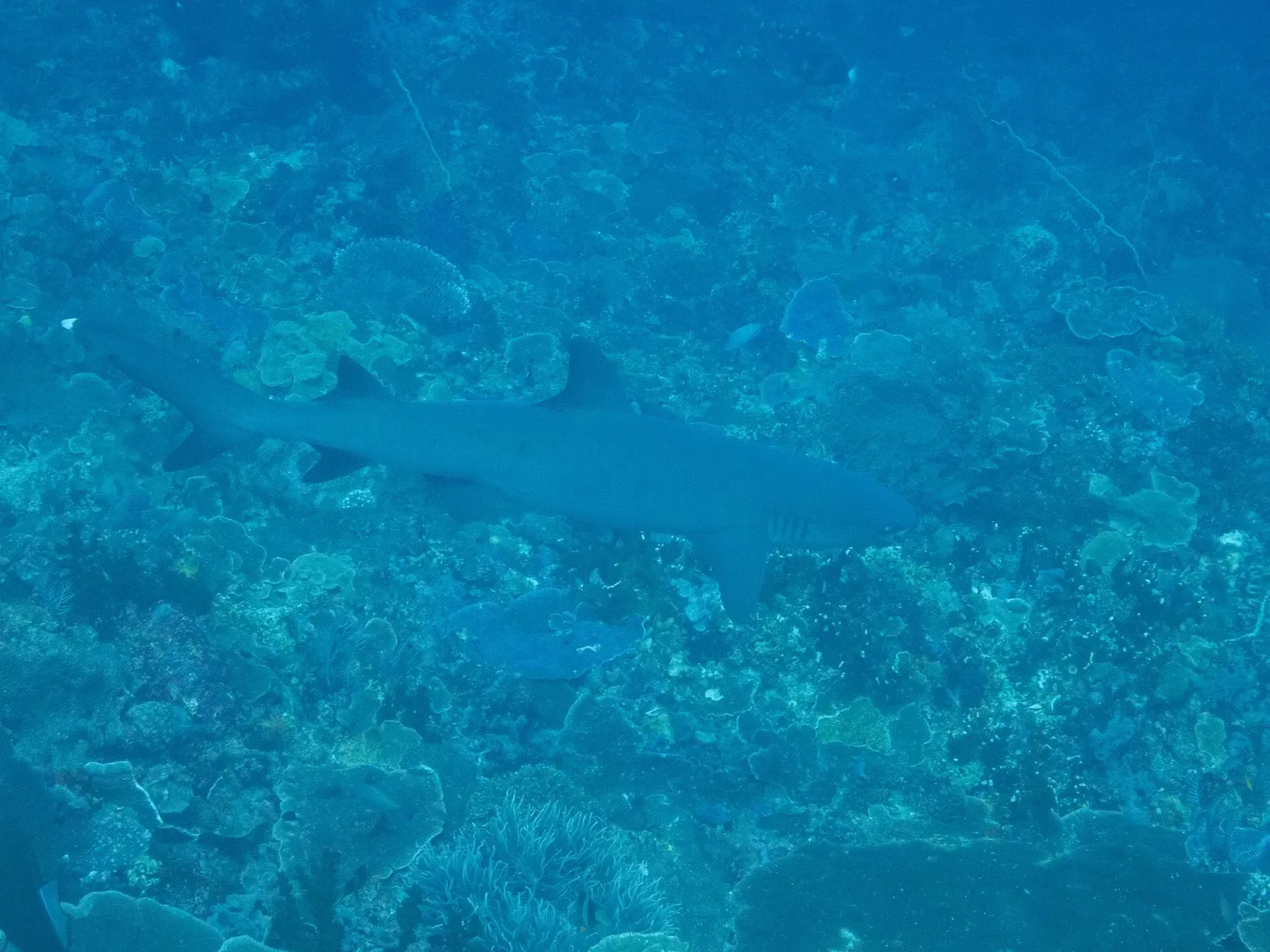
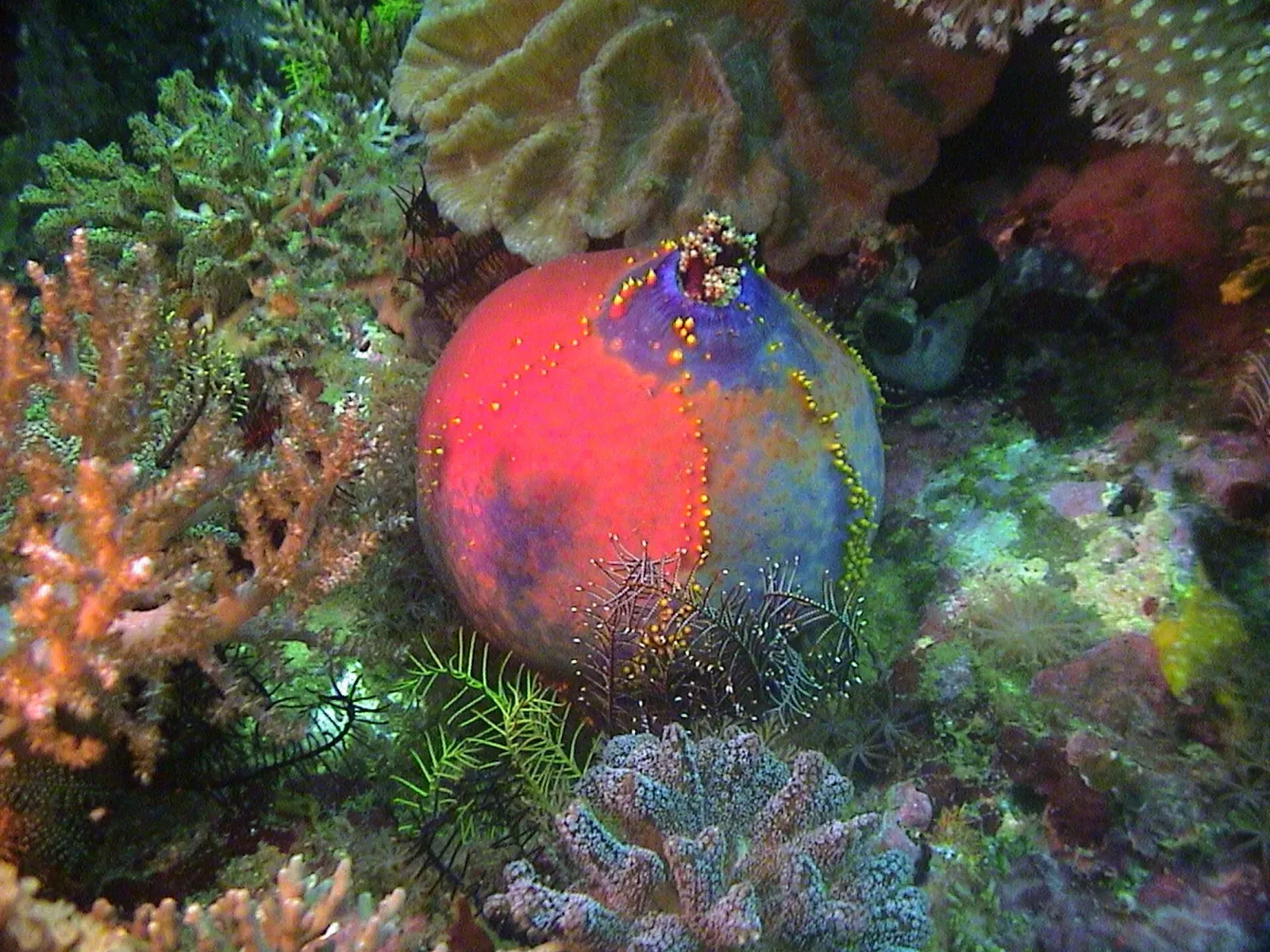
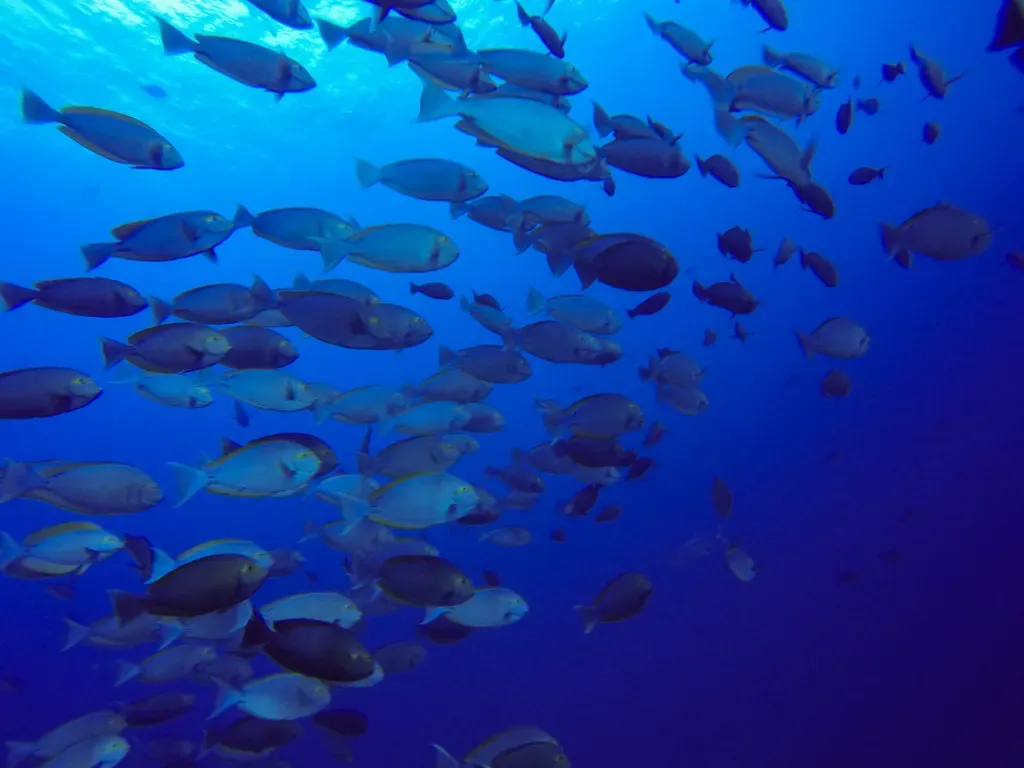
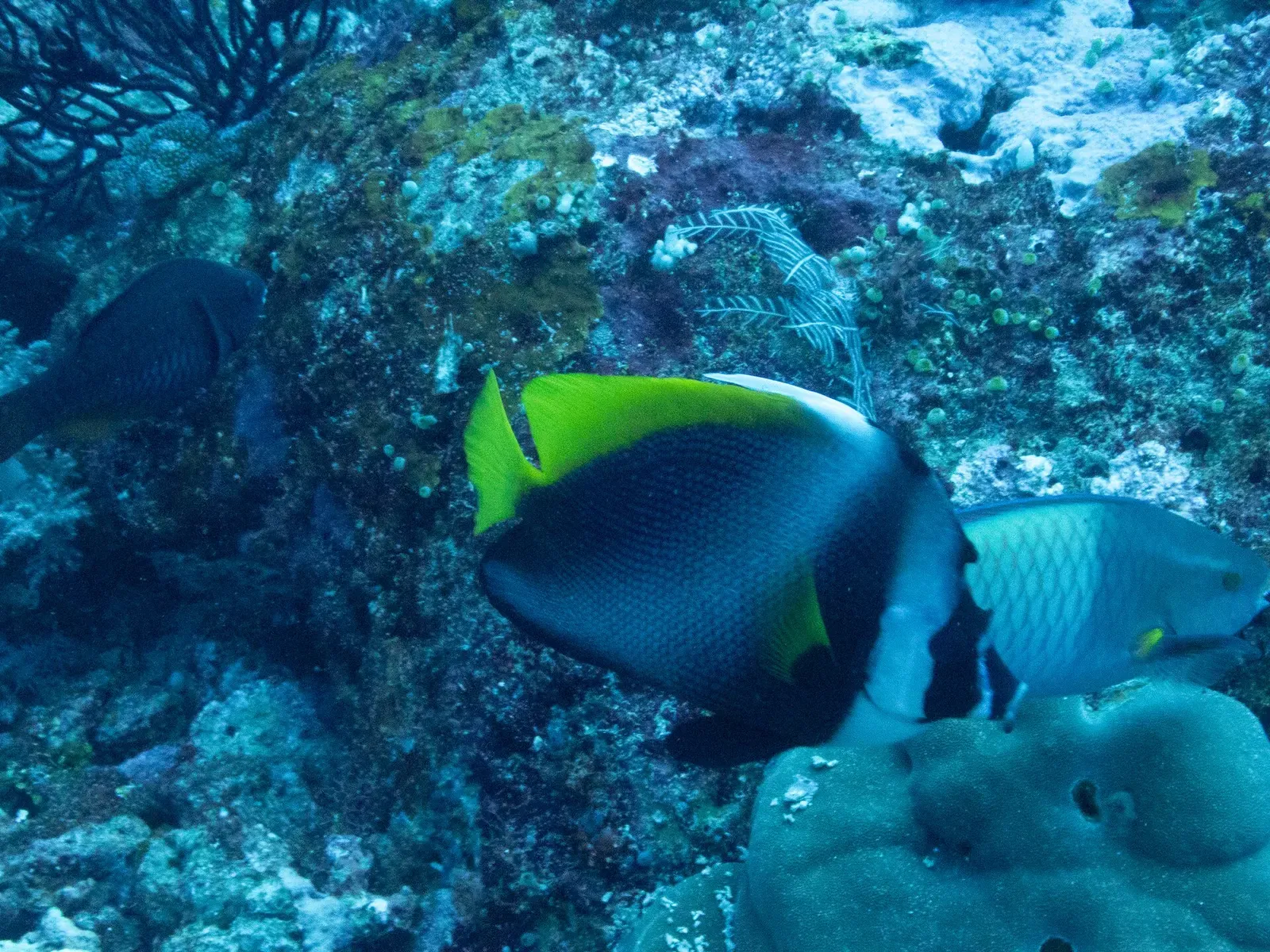
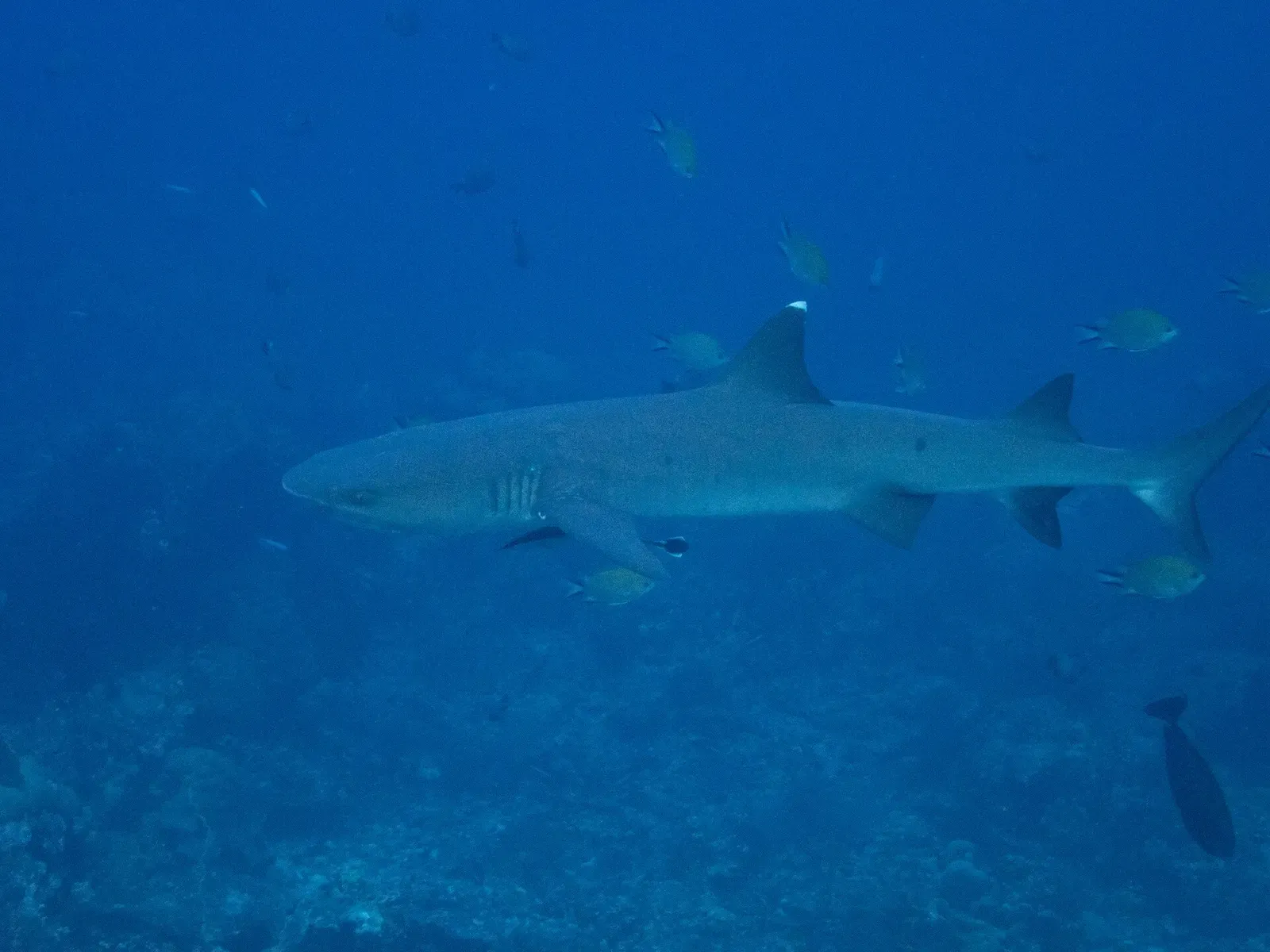
The dive runs deep to shallow. You descend along orange soft corals to depths where the large predators roam, navigate the underwater channels between the islets, then ascend into the shallows the manta rays favour. Whitetip reef sharks, giant trevallies, bumphead parrotfish, turtles, groupers, fusiliers and sweetlips work the rock, mobula rays pass through with the mantas, and black fantail rays are recorded here too. Even when the mantas are not around, the coral and its rich invertebrate life carry the dive.
Marine life and season
- Manta rays
- Mobula rays
- Reef sharks
- Trevally & jacks
- Groupers
- Sea turtles
- Reef fish swarms
| Jan | Feb | Mar | Apr | May | Jun | Jul | Aug | Sep | Oct | Nov | Dec |
|---|---|---|---|---|---|---|---|---|---|---|---|
| Prime | Prime | Good | Prime | Good | Good | Prime | Prime | Prime | Good | Good | Prime |
Season follows Komodo: Liveaboards run all year: April is often rated the best month, July to September is the big-fish peak, and the rainy months bring the best visibility and the mantas.
Know before you go
- The bay is exposed fully to Indian Ocean swell and persistent tidal currents; entries and pickups are the difficult part of the dive, not the reef itself.
- The water here can sometimes be a little bit cold and the current quite strong, so carry more exposure protection than the north of the park needs.
Photos from Manta Alley
Alexander Vasenin · CC BY-SA 3.0
Alexander Vasenin · CC BY-SA 3.0
Alexander Vasenin · CC BY-SA 3.0
Dive videos
Manta Alley Komodo Indonesia - Amazing HD Footage · Daydream Pictures Underwater videos on YouTube
Questions divers ask
When is the best time to see mantas at Manta Alley?+
From September to January it is not rare to see up to 20 mantas in one dive, juveniles among them. The site itself is dived all year long, and the upwelling that feeds the mantas runs through it year-round.
How deep is Manta Alley?+
The normal diving depth is 10 to 25 m, and the site is rated for advanced divers because of the swell and the tidal current on the south coast.
Sources
- Manta Alley dive site — PADI Travel
- Manta Alley dive site — Divezone
- Diving sites Indonesia - Komodo — Dive The World
- Komodo National Park — Wikipedia
Photo credits
- Reef manta ray gliding through open water. by Alexander Vasenin, CC BY-SA 3.0, via Wikimedia Commons
- Tassled scorpionfish camouflaged against encrusted rock. by Alexander Vasenin, CC BY-SA 3.0, via Wikimedia Commons
- Dense school of yellow and blue-striped snappers over the reef. by Alexander Vasenin, CC BY-SA 3.0, via Wikimedia Commons
- Manta ray silhouetted against the sunlit surface. by Alexander Vasenin, CC BY-SA 3.0, via Wikimedia Commons
In The Logbook
- Why is some sea green instead of blue?Ocean science · 8 min read
- Drift diving: how to read and ride a currentDrift & current · 8 min read
- Where to dive with manta rays, month by monthBig animals · 8 min read
More dive sites in Komodo
A holed rock at the surface, a coral-covered pinnacle below
Reef
Big-fish habitat in a current that usually runs strong
Soft coral and macro on a rock in the cold south of the park
A submerged pinnacle where the sharks hold in the current
Coral garden
The sheltered coral garden at the end of the Cauldron ride
A calm northern bay for skills practice near Crystal Rock
Soft-coral mound with sharks holding in the flow
Reef
A sloping northern passage dived on generally strong current
Similar dives elsewhere
Whitetip reef sharks beside the Lombok ferry lane
Lionfish and scorpionfish resting on table and brain corals

A channel drift at 1 to 3 knots between two wrecks


Schooling barracuda and trevally when a current is running