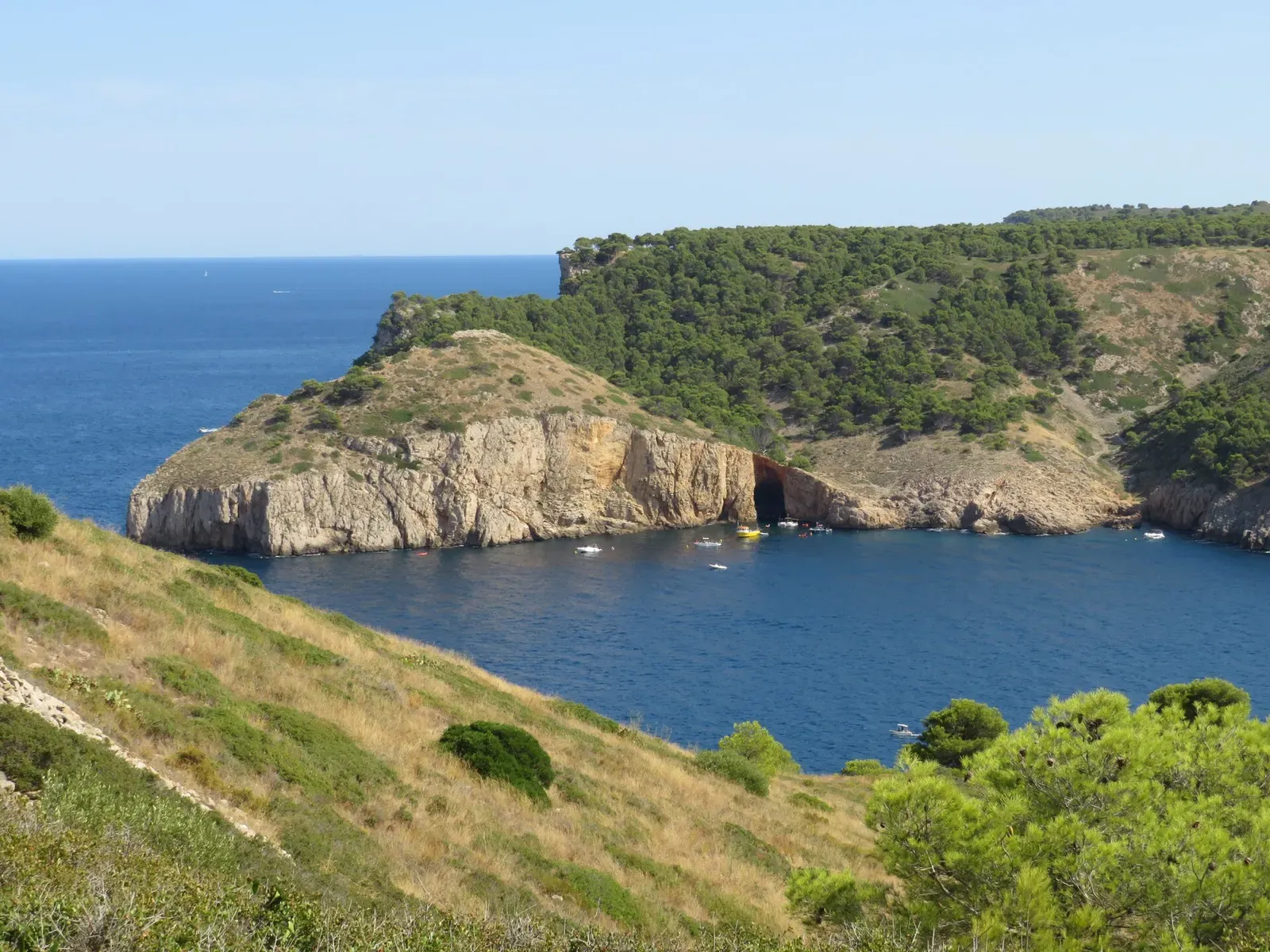
Costa Brava · Spain · Pinnacle
Puig de la Sardina
Three submerged peaks, from 14 m down to 45
Area photo: Enric · CC BY-SA 4.0
A submerged rocky outcrop with three peaks that fail to rise to the surface, dived as deep diving by the operator's own description: the highest peak is at 14 m and the rock runs down to 45. Yellow gorgonians grow on it, barracuda and banks of bream are among the fish the operator lists here, and the dive is rated at advanced level.
Where it is and how deep
42.0709° N, 3.2079° EApproximate position — the dashed circle shows where the site lies; your operator's briefing has the mooring.
The dive
You go down the guide line to the top of the rock at 14 m, and from there the dive divides: continue down to 40 m, or stay on the platform located about 27 m and work along it — the profile that keeps the dive out of decompression, depending on the time spent down. The three peaks are the whole of the site, and none of them reaches the surface, so all of it happens below the boat.
Yellow gorgonians grow on the rock, and what the operator says is easy to find here runs to barracuda, banks of bream, moray eels, lobster hidden in the holes of the rock and the odd scorpionfish. It calls this an advanced-level immersion and says plainly that it requires careful air consumption monitoring, which at this depth is the discipline the whole dive turns on.
Marine life and season
- Barracuda
- Macro critters
| Jan | Feb | Mar | Apr | May | Jun | Jul | Aug | Sep | Oct | Nov | Dec |
|---|---|---|---|---|---|---|---|---|---|---|---|
| Fair | Fair | Fair | Fair | Good | Prime | Prime | Prime | Prime | Good | Fair | Fair |
Season follows Costa Brava: Water runs from about 13 °C in February to 25 °C in July and August; no L'Escala centre publishes closing months, and the tramuntana can keep boats in port in any month.
Know before you go
- Deep diving to 45 m: the operator requires careful air consumption monitoring, and the platform at about 27 m is the option that keeps the dive out of decompression.
Sources
- Puntos de buceo Parque Natural del Montgrí, Illes Medes i Baix Ter — Orca Diving Center
- Montgrí, Medes Islands and Baix Ter Natural Park — Wikivoyage
More dive sites in Costa Brava
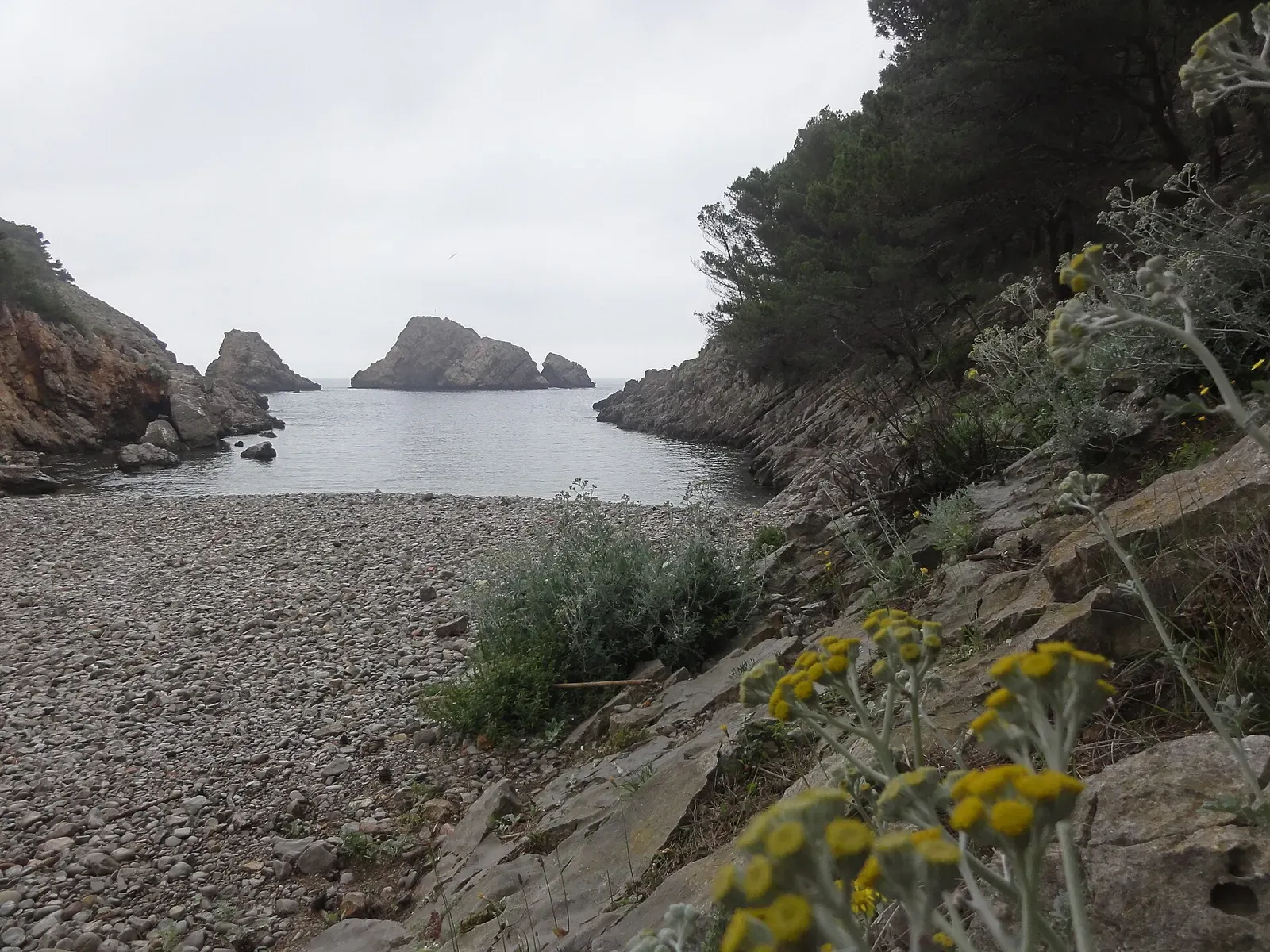
A wide tunnel entered at 16 m, out to a 30 m bottom
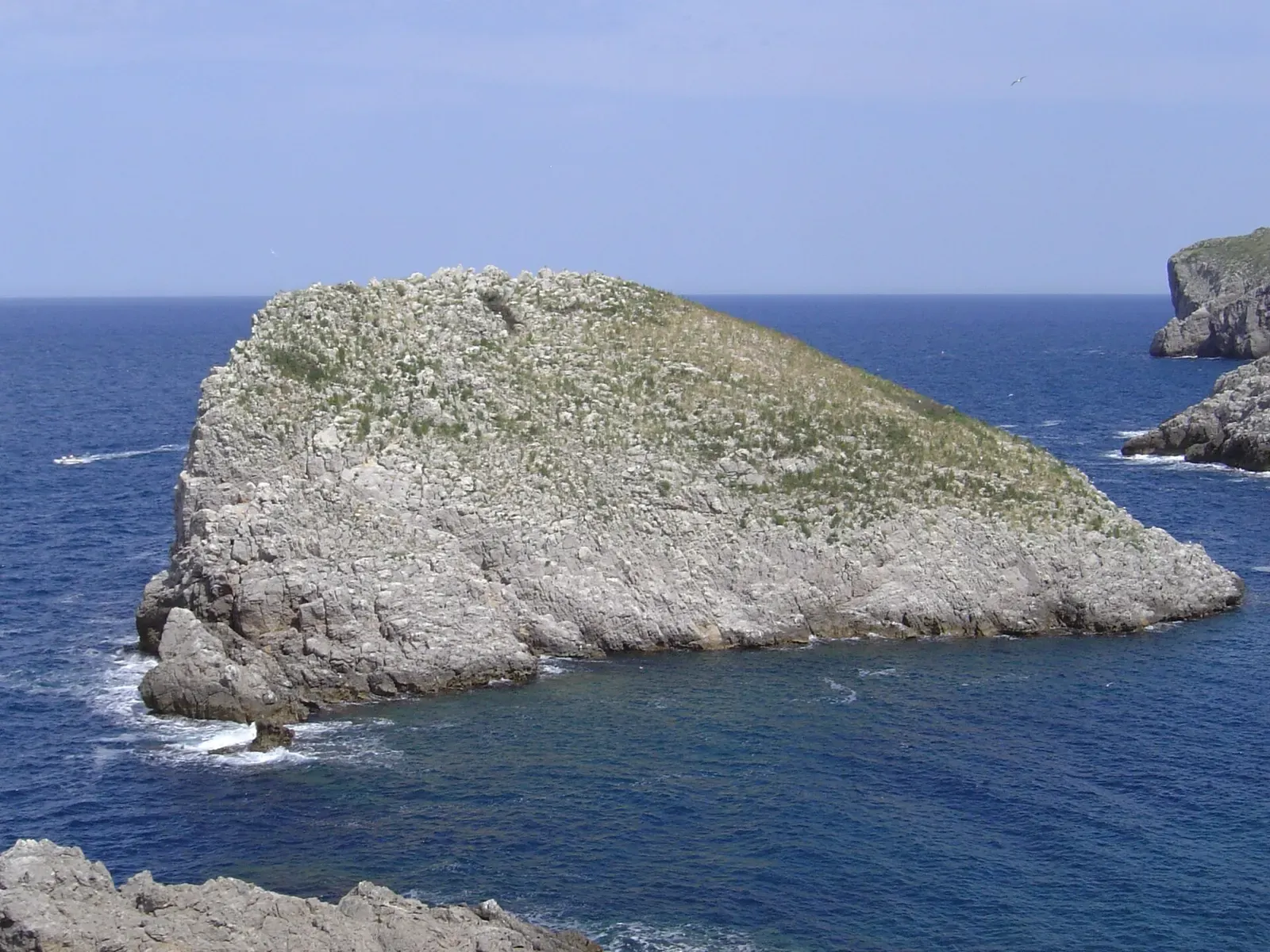
A 70 m tunnel straight through the islet, lit at both ends
Cave & cavern
An air dome at the end of the first cave
Wreck
A dynamited navy tug in 5–10 m off Illa Mateua
Wall
A protected wall shallow enough for a first dive
Wreck
Carrara marble still lying in the holds at 42 m
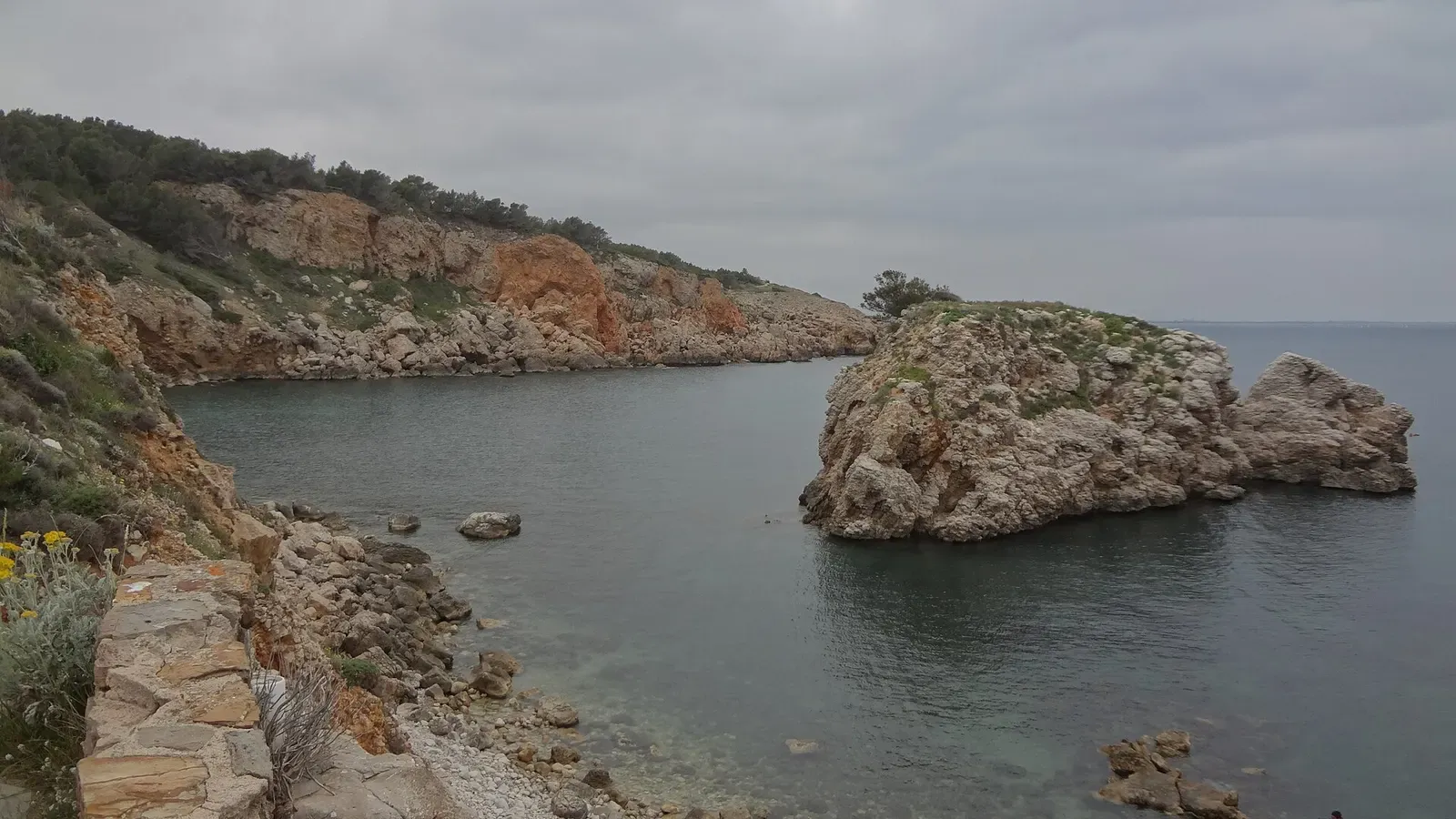
Shore-entry islet at 0–16 m with a short, easy tunnel
Wall
A walk-in wall at 3–22 m used for courses and night dives
Similar dives elsewhere
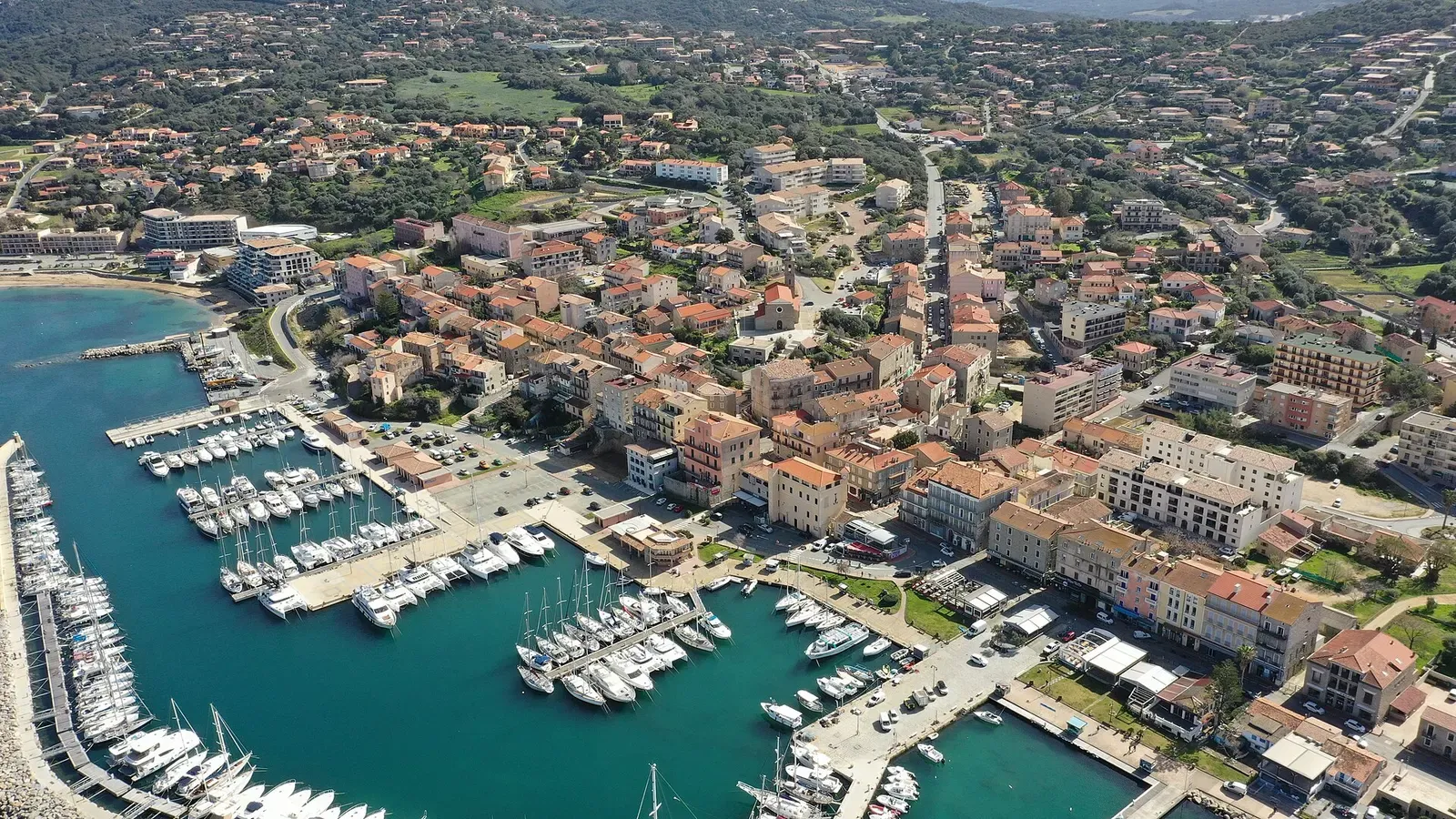
A rock head at 13 m dropping abruptly to sand at 45 m
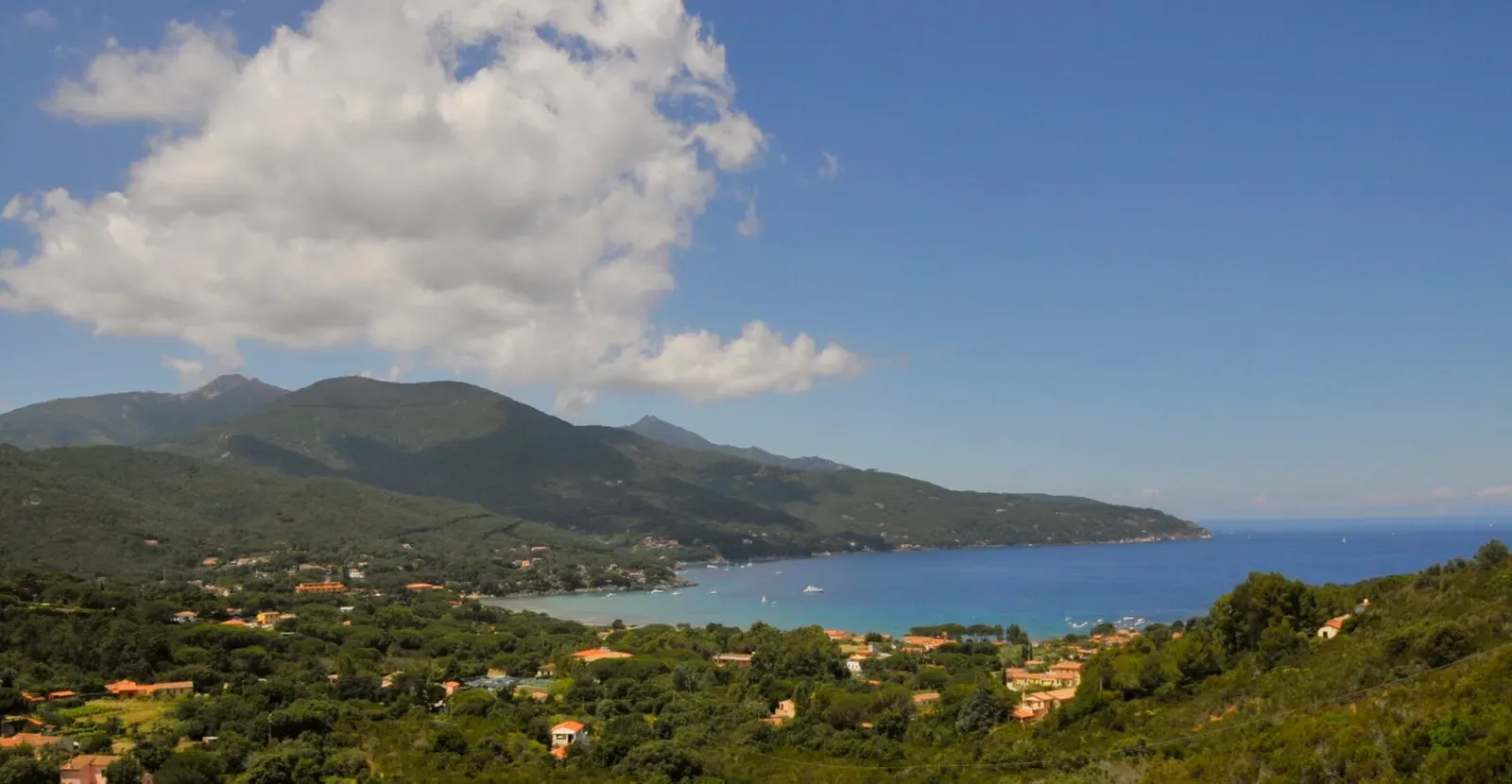
An outcropping rock with an Open Water north side and a ridge sinking to 50 m

The archipelago's busiest dive: a rock from 4 m to 45 m

,_vista_des_de_dalt_del_Montg%C3%B3_(l%27Escala).jpg)
Maze-like rock stacks full of red sea fans to 40 m