
Red Sea & Gulf of Aden · Jordan
Aqaba
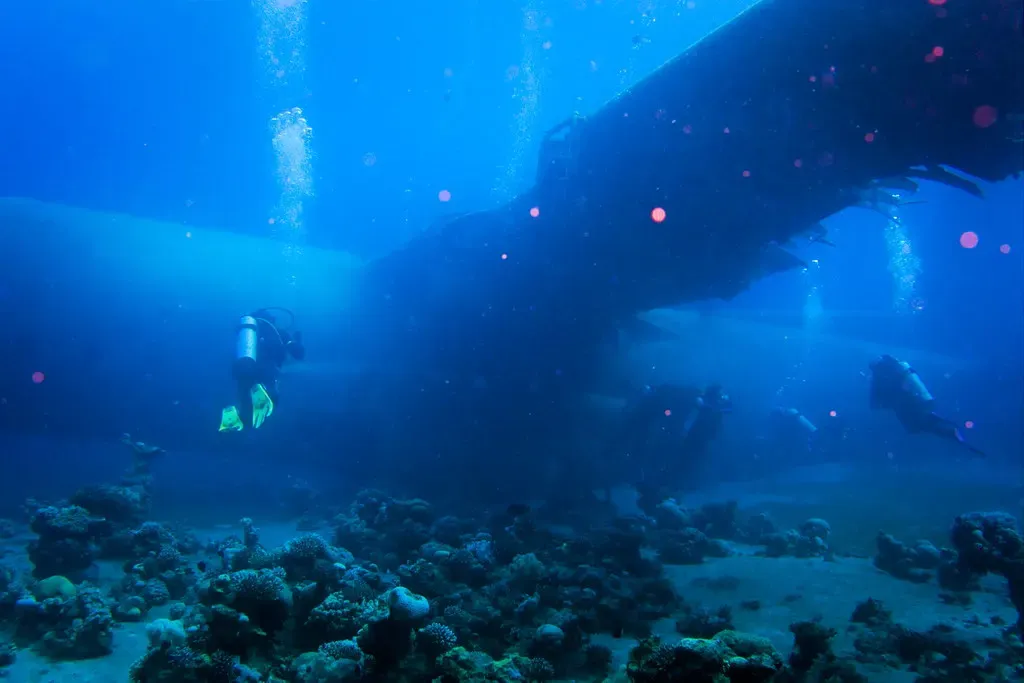
The Cedar Pride wreck and a scuttled tank sit an easy shore swim from Aqaba's beach.
Photo: Arian Zwegers · CC BY 2.0
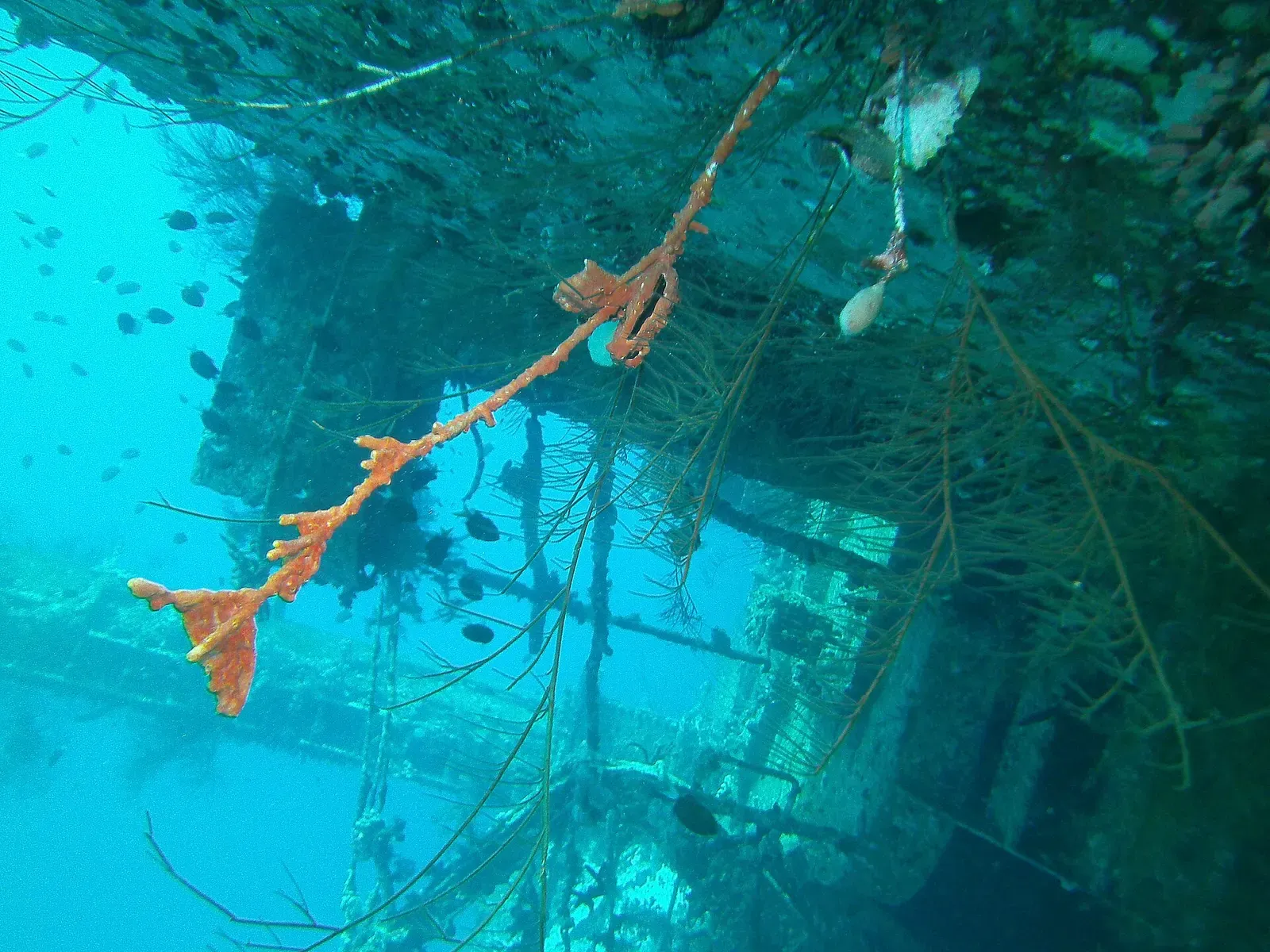
Aqaba occupies the northern tip of the Gulf of Aqaba, where Jordan's short coastline is dived almost entirely from shore rather than by boat. The Cedar Pride, a Lebanese cargo ship deliberately sunk in 1985 and now resting on its side draped in soft coral, and an M42 Duster tank scuttled in 1999 are the area's signature artificial reefs, both reached by an easy surface swim from the beach. Japanese Garden and King Abdullah Reef round out the natural coral sites, giving Aqaba a concentration of easy, current-free diving packed into a small area.
About diving in Aqaba
Almost all the diving is done from the road. Centres load tanks into a pickup, drive south along the coast to whichever site is on the plan, and divers kit up in the shade of a beach camp and walk in through a break in the shallow reef table. With no boat schedule to keep, the day stays flexible: long surface intervals over lunch, an extra shallow dive if people want one, and night diving that needs nothing more than turning up after dark.
The shelf is narrow, so the reef starts close to the beach and the slope falls away quickly, with sand channels running down between coral knolls and short walls. One entry usually gives both a deeper outward leg and a shallow return, and navigation is simple, with the reef on one shoulder going out and on the other coming back. Jordan has added to the coast deliberately as well: a line of decommissioned military vehicles laid out on a sand slope as an underwater museum, deeper than most of the shore sites and generally reached by boat, and a retired military transport aircraft sunk on the sand nearby.
The gulf is enclosed and sheltered, so conditions stay steady and rough water is unusual. The real seasonal swing is on land, where summer heat is severe at exactly the time the water is warmest, from May through September; winter diving carries on in a thicker suit with the sea down around the low twenties. It rewards divers who like working a small area closely, with structure to explore, small life to hunt and familiar sites that read differently after dark. Anyone here for big pelagic action will find it quiet.
Best time to dive Aqaba
| Jan | Feb | Mar | Apr | May | Jun | Jul | Aug | Sep | Oct | Nov | Dec | |
|---|---|---|---|---|---|---|---|---|---|---|---|---|
| Season | Fair | Fair | Good | Good | Prime | Prime | Prime | Prime | Prime | Good | Good | Fair |
| Sea surface | 22°C72°F | 22°C72°F | 22°C72°F | 22°C72°F | 24°C75°F | 25°C77°F | 27°C81°F | 28°C82°F | 27°C81°F | 26°C79°F | 25°C77°F | 23°C73°F |
| Daytime high | 24°C75°F | 27°C81°F | 31°C88°F | 35°C95°F | 39°C102°F | 40°C104°F | 41°C106°F | 41°C106°F | 39°C102°F | 36°C97°F | 30°C86°F | 26°C79°F |
| Rain | 10 mm0.4 in | 10 mm0.4 in | 8 mm0.3 in | 15 mm0.6 in | 1 mm0.0 in | 0 mm0.0 in | 0 mm0.0 in | 0 mm0.0 in | 4 mm0.2 in | 4 mm0.2 in | 8 mm0.3 in | 9 mm0.4 in |
| Jan | Feb | Mar | Apr | May | Jun |
|---|---|---|---|---|---|
| Fair | Fair | Good | Good | Prime | Prime |
| Sea surface | |||||
| 22°C72°F | 22°C72°F | 22°C72°F | 22°C72°F | 24°C75°F | 25°C77°F |
| Daytime high | |||||
| 24°C75°F | 27°C81°F | 31°C88°F | 35°C95°F | 39°C102°F | 40°C104°F |
| Rain | |||||
| 10 mm0.4 in | 10 mm0.4 in | 8 mm0.3 in | 15 mm0.6 in | 1 mm0.0 in | 0 mm0.0 in |
| Jul | Aug | Sep | Oct | Nov | Dec |
|---|---|---|---|---|---|
| Prime | Prime | Prime | Good | Good | Fair |
| Sea surface | |||||
| 27°C81°F | 28°C82°F | 27°C81°F | 26°C79°F | 25°C77°F | 23°C73°F |
| Daytime high | |||||
| 41°C106°F | 41°C106°F | 39°C102°F | 36°C97°F | 30°C86°F | 26°C79°F |
| Rain | |||||
| 0 mm0.0 in | 0 mm0.0 in | 4 mm0.2 in | 4 mm0.2 in | 8 mm0.3 in | 9 mm0.4 in |
2011–2025 averages. Sea surface: NOAA Coral Reef Watch, measured at the surface, so deeper water can run colder. Daytime high and rain: NASA POWER.
Conditions stay calm and diveable year-round; water is coolest January–March.
Best months: May, June, July, August, September
Aqaba water temperature and weather by month
The sea surface runs from 22 °C (72 °F) in February to 28 °C (82 °F) in August. It is 24 °C (75 °F) or warmer from May to November. Rain is scarce: about 70 mm (2.8 in) falls in a typical year. Daytime highs reach 41 °C (106 °F) in July and drop to 24 °C (75 °F) in January. The coldest water here is about 21 °C (70 °F), so pack a 5 mm suit.
Dive types & marine life
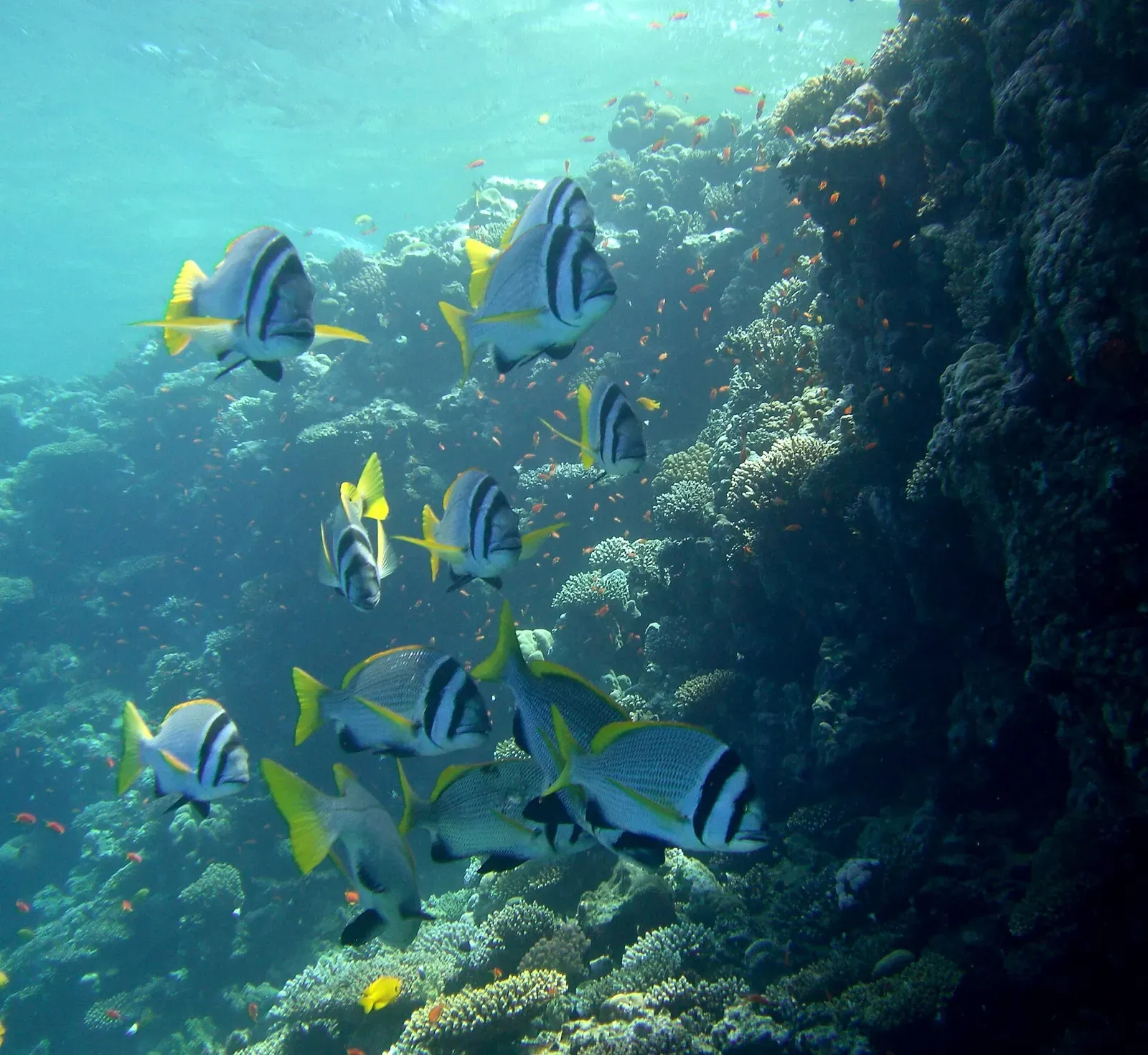
Turtles, groupers, napoleon wrasse and moray eels are on the reefs and the sunken hardware in any month, and octopus, cuttlefish and nudibranchs are easiest to find on shallow coral and at night. Barracuda hang off the drop-offs and reef-fish swarms cover the coral heads year-round; the May-to-September prime is about warm, calm water rather than a change in the fish.
- Wreck
- Reef
- Wall
- Night
- Sea turtles
- Napoleon wrasse
- Eagle rays
- Groupers
- Barracuda
- Nudibranchs
- Octopus & cuttlefish
- Reef fish swarms
- Pristine corals
Best dive sites in Aqaba
A plastic skeleton in the pilot's seat of a sunken Hercules
An air pocket in the rear cargo hold big enough to surface in
Reef
Black coral below 20 m on a slope you walk into from the beach
A gorgonian forest at 21 m and fusiliers packing the shallows
Wall
A sheer wall falling from 12 m into 200 m of water
Reef
An easily navigated reef that comes alive after dark
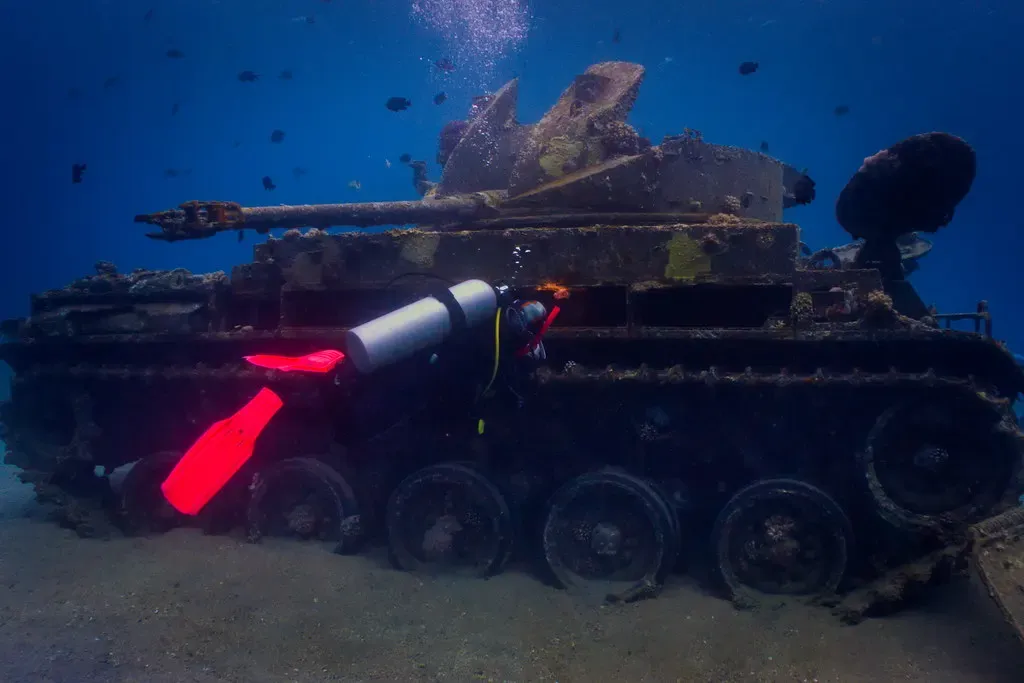
A scuttled army tank on sand in 7 m of water
Tanks, troop carriers and a sunken TriStar airliner
How to get to Aqaba
Aqaba has its own airport and is otherwise a four-hour drive south from Amman. The town is the base, with centres running trucks to shore entries along the coast road south of it and boats used only occasionally. Sites sit inside the Aqaba Marine Park, so expect a park fee on top of the dive price, and leave Petra and Wadi Rum until after the last dive: the road out climbs above 1,000 m.
Photos from Aqaba
Bob · CC BY 4.0
Adeeb Atwan · CC BY 3.0
Official U.S. Navy Page from United States of America · Public domain
Dive videos
Cedar Pride Shipwreck Dive | Aqaba, Jordan 🇯🇴 | Cinematic 4K Scuba Diving (Part 1) · Dive N' Above on YouTube
Aqaba Diving Wrecks: Military Museum, Lockheed TriStart Plane and Cedar Pride Cargo Ship in 4k 60fps · Denis Astahov on YouTube
Photo credits
- Sunset silhouette over the Gulf of Aqaba with two figures standing at the shoreline by Arian Zwegers, CC BY 2.0, via Wikimedia Commons
- A reef stonefish camouflaged among coral and algae in the Gulf of Aqaba by Bob, CC BY 4.0, via Wikimedia Commons
- Shallow coral reef visible through clear turquoise water along Aqaba's shoreline by Adeeb Atwan, CC BY 3.0, via Wikimedia Commons
- Divers descending through clear shallow water in the Gulf of Aqaba by Official U.S. Navy Page from United States of America, Public domain, via Wikimedia Commons
Embed
Run a dive centre, club or blog? Embed this map of 12 dive sites near Aqaba on your own page.
In The Logbook
- Hearing underwater: why sound has no directionOcean science · 14 min read
- Ships sunk on purpose, and where to dive themWrecks · 14 min read
- What stings you underwater, and how to avoid itBody & health · 8 min read
- Cheapest places to scuba dive, and the catchTrip planning · 15 min read
- The best shore dives in the worldShore diving · 8 min read
- Your first wreck dive: what to expect and whereFirst dives · 6 min read
Similar destinations

A shore-entry reef and a scuttled missile boat inside a 12 km coastline

Four ships wrecked on one reef, all between 4 m and 27 m
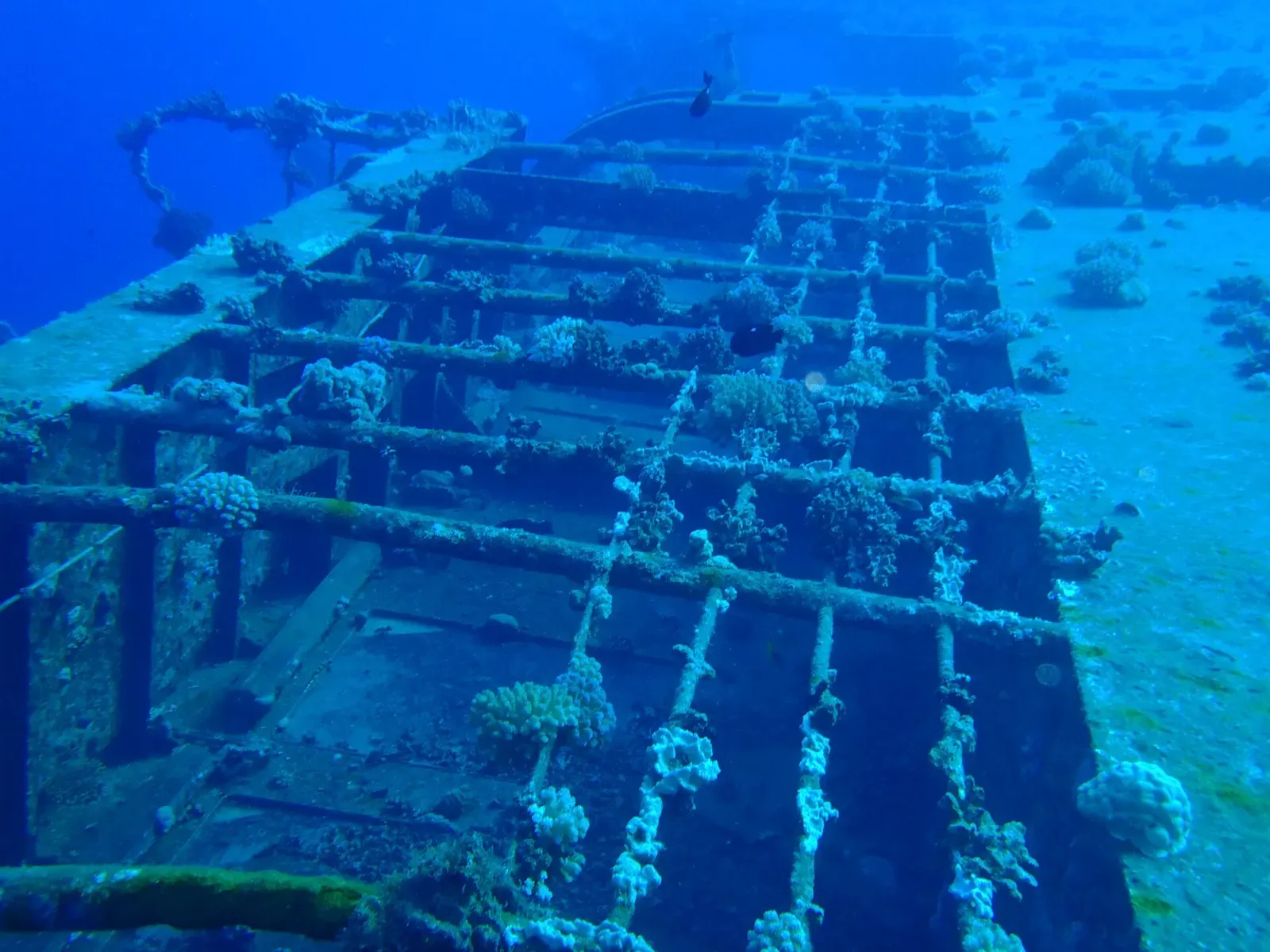
Panorama Reef's plateau drops away on every side into soft coral walls
.jpg)

.jpg)
.jpg)
The Blue Hole's infamous Arch passage drops to roughly 55 metres just offshore.