Cold Water · Canada
Halifax & St Margaret's Bay
Year-round North Atlantic shore dives among lobsters and plumose anemones
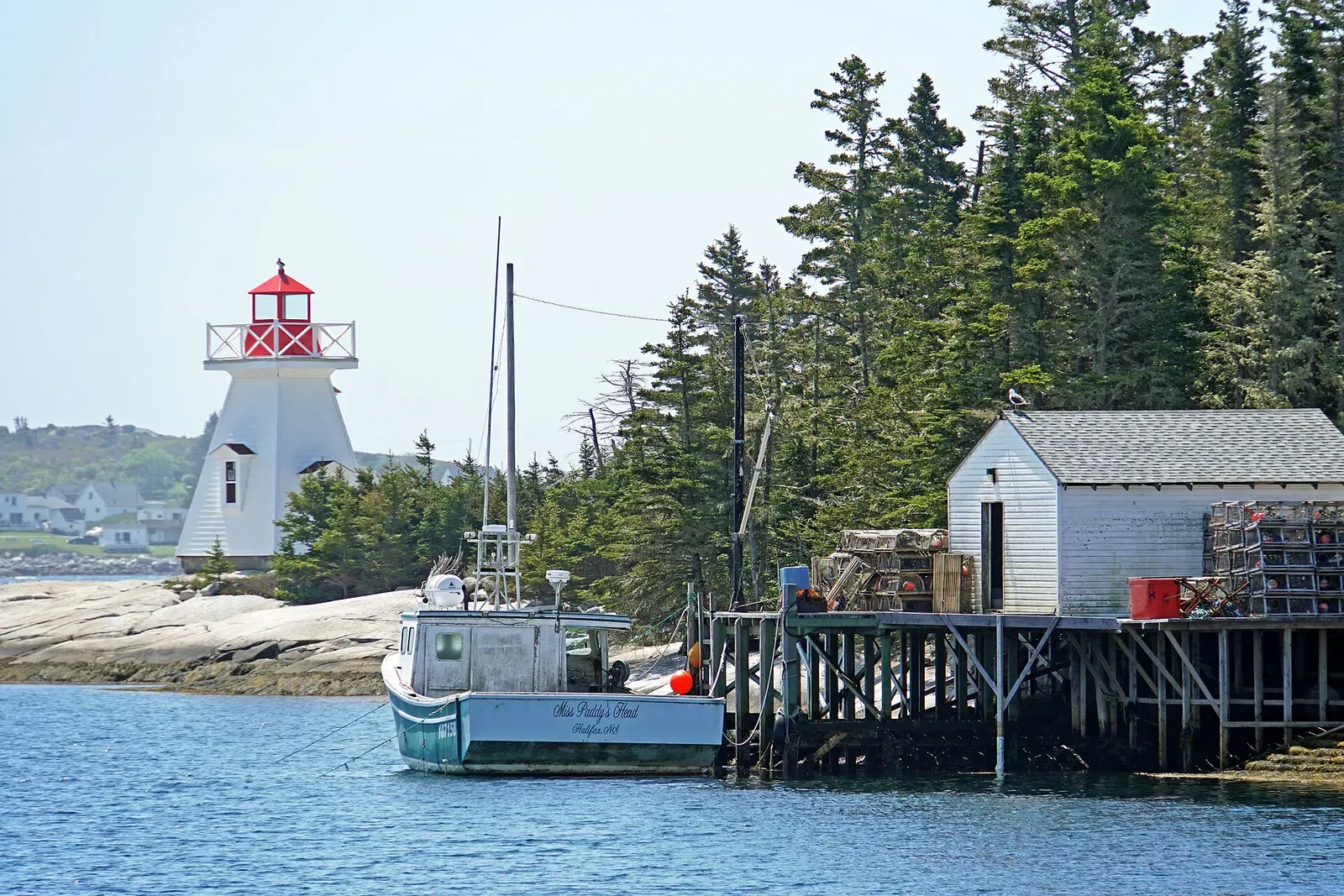
Halifax and St Margaret's Bay make up Nova Scotia's North Atlantic shore-diving coast: city sites on Bedford Basin, the Northwest Arm and Point Pleasant, and rocky south shore coves half an hour's drive away. Africville, at the foot of the MacKay Bridge, is a slope covered in plumose anemones with macro life among them, and Paddy's Head in Indian Harbour is a training site for every level where lobsters, sculpins and sea ravens live. The diving runs all year.
About diving in Halifax & St Margaret's Bay
Every site here is a shore dive. Guided shore dives can be booked for one diver or a small group, and the sites split between the city and the bay. In Halifax, Africville is entered by a boat ramp on the south shore of Bedford Basin, and Point Pleasant from Black Rock Beach beside its parking lot. St Margaret's Bay lies along the south shore, where Paddy's Head, Cranberry Cove, Birchy Head and the Lodges are among the best sites. Weather picks the day: rough seas can throw a diver against the large rocks at Paddy's Head, so entries there are made quickly.
Underwater the coast is rock and slope. At Africville the shoreline drops away steeply along the left-hand side of the ramp, and pink, white and green plumose anemones cover it, with macro creatures among them. Paddy's Head, in Indian Harbour off Paddy's Head Road, holds an abundance of sea life for its location and topography, from lobsters to sculpins, flounders, sea ravens and torpedo rays. Lobster is the animal new divers to Nova Scotia tend to remember.
Paddy's Head suits divers who are learning: it works for every certification level and is a regular site for open water courses. Cranberry Cove, the Dingle and Point Pleasant are easy sites as well, while Birchy Head's ledge suits Advanced Open Water divers and the Africville slope is for those who want depth and darkness. Ferguson's Cove does not have the best visibility and is best avoided after rain and bad weather, so a diver who wants clear water plans around the forecast or comes in winter.
Best time to dive Halifax & St Margaret's Bay
| Jan | Feb | Mar | Apr | May | Jun | Jul | Aug | Sep | Oct | Nov | Dec |
|---|---|---|---|---|---|---|---|---|---|---|---|
| Good | Good | Good | Good | Good | Good | Good | Prime | Prime | Good | Good | Good |
Diving runs all year, and what changes is the water. In winter the frozen ground and the lack of rain runoff keep the visibility high, while the sea feels painfully cold and averages 1 °C (33 °F) in February. The water then warms to an average of 17 °C (63 °F) in August and stays close to that in September, the warmest stretch of the year.
Dive types & marine life
In summer the sea comes alive with fish and jellies. Seahorses and triggerfish are the late-summer extra: they appear on shore dives only in some years, in late August and September, when the water warms enough.
- Muck & macro
Best dive sites in Halifax & St Margaret's Bay
- 1
Paddy's Head
Indian Harbour cove of gently sloping sand bordered by rock, with patches of eel grass and kelp.
- 2
Africville
Boat-ramp entry on Bedford Basin; the shoreline slopes past 24 m (80 ft) into the dark.
- 3
Ferguson's Cove
Shallow cove of 9 to 12 m (30 to 40 ft), with most of its life in the first 9 m (30 ft).
- 4
Point Pleasant
Sandy entry at Black Rock Beach to a wall with sea urchins and lobsters, reaching 15 m (50 ft).
Site guides
Wall
An Atlantic wolffish living under a concrete slab at 18 m (60 ft)
Reef
Three routes from one beach, including a ledge at 27 m (90 ft)
Reef
A sheltered cove where Open Water students train
Muck & macro
Nudibranchs and hermit crabs between a pier and a breakwater
A training block on a 330-degree bearing from the beach
Wall
Large lobsters and old bottles along the Black Rock Beach wall
Sand slope
Old bottles on the bottom of the Northwest Arm
How to get to Halifax & St Margaret's Bay
Halifax Stanfield International Airport serves the city. The Halifax sites lie in and just outside the city, and St Margaret's Bay is a south shore community about 30 minutes' drive outside Halifax. Guided local dives can include transport from a dive shop in Dartmouth to the site.
Questions divers ask
Can newly certified divers dive around Halifax?+
Yes, at Paddy's Head in St Margaret's Bay, which suits every certification level. The other shore sites vary, most suit Advanced Open Water divers, and any shop that guides or rents gear asks to see an Open Water card.
What spoils a shore dive here?+
Rain and rough seas. Ferguson's Cove should be avoided after rain and bad weather, and at Paddy's Head rough seas can throw a diver against the large rocks, so entries there are made quickly.
What exposure protection do divers need?+
A thick two-piece wetsuit with 14 mm on the core, or a drysuit, is mandatory in every month of the year.
Sources
- Paddy's Head dive site — East Coast Scuba & Watersports
- Private Guided Local Dives — Torpedo Rays
- Canada shore diving in Halifax — Divebuddies4life
- Canadian Splash: Nova Scotia — Ikelite
- Halifax average sea temperatures — seatemperature.org
- Halifax, Nova Scotia — Wikipedia
Embed
Run a dive centre, club or blog? Embed this map of 7 dive sites near Halifax & St Margaret's Bay on your own page.
Similar destinations

Dive beneath icebergs alongside penguins and leopard seals

Giant Pacific octopus and anemone-covered walls in the 'Emerald Sea'
Over 30 well-preserved wrecks at the mouth of Norway's Sognefjord
Cold Water
Kinsale & Old Head
Ireland
Old Head reefs and the City of Chicago wreck, a short boat spin from Kinsale