
Caribbean · Cuba
Jardines de la Reina
Snorkel with American crocodiles, then dive reefs thick with unwary reef sharks
Photo: Alex Chernikh · CC BY 2.5
Jardines de la Reina is a 150-kilometer chain of uninhabited mangrove cays protected as a no-take marine reserve since 1996, reachable only by liveaboard after a full day's boat transfer from the Cuban mainland. Decades of protection have left reef sharks, goliath grouper, and American crocodiles genuinely unafraid of divers, on reefs that show little of the coral decline common elsewhere in the Caribbean.
About diving in Jardines de la Reina
A trip here is a fixed week aboard a boat rather than a set of day trips you can add to or drop. Once the vessel leaves the mainland it is the only base: divers ride out to sites in small tenders, come back aboard between dives, and eat and sleep on the water. There is nowhere to step ashore in the reserve and phone coverage is patchy at best, so the week settles quickly into a rhythm of diving, eating and sleeping with the same small group for company.
The diving falls into a few recognisable shapes. Cabezos are isolated coral heads rising out of sand flats, worked as slow circuits where the structure itself concentrates the fish. Along the outer edge of the chain the profile turns to wall and steep slope, plated with sponges and sea fans, with open water a fin-kick away. Tidal passes between the cays account for most of the water movement divers feel, though current is mild by Caribbean standards. Behind the cays, mangrove shallows give a quieter fourth option.
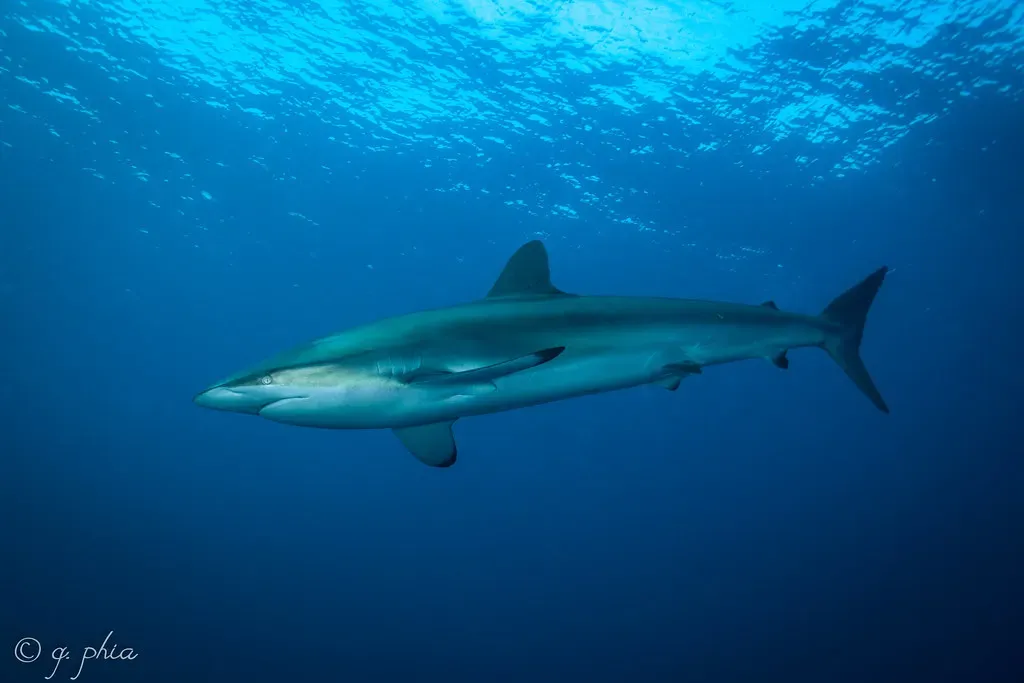
What returning divers describe is proximity rather than sheer numbers. Caribbean reef sharks are the species seen most, circling at close range for whole dives instead of passing through, and goliath grouper hold station under ledges while divers work around them. Crocodile sessions happen in the mangrove channels, on snorkel in shallow water with distance managed from the surface, not on scuba. The reserve is shared with catch-and-release fly fishing for bonefish, tarpon and permit, so skiffs working the flats are part of the daily traffic.
It suits divers who want a week with no agenda but diving and who are comfortable a long way from help. Profiles are not deep, so the demand is less about depth than about steady buoyancy over fragile coral and the repetition of several dives a day. Photographers should arrive self-sufficient, since nothing can be bought or repaired once the boat sails. Trips run on fixed dates through operators holding park concessions, diver numbers in the reserve are limited, and popular weeks sell out far ahead.
Best time to dive Jardines de la Reina
| Jan | Feb | Mar | Apr | May | Jun | Jul | Aug | Sep | Oct | Nov | Dec | |
|---|---|---|---|---|---|---|---|---|---|---|---|---|
| Season | Prime | Prime | Prime | Prime | Good | Fair | Fair | Fair | Off-season | Off-season | Good | Prime |
| Sea surface | 26°C79°F | 26°C79°F | 27°C81°F | 28°C82°F | 29°C84°F | 30°C86°F | 30°C86°F | 31°C88°F | 31°C88°F | 30°C86°F | 28°C82°F | 27°C81°F |
| Daytime high | 28°C82°F | 29°C84°F | 29°C84°F | 31°C88°F | 31°C88°F | 31°C88°F | 32°C90°F | 32°C90°F | 32°C90°F | 31°C88°F | 29°C84°F | 28°C82°F |
| Rain | 28 mm1.1 in | 38 mm1.5 in | 56 mm2.2 in | 95 mm3.7 in | 338 mm13.3 in | 477 mm18.8 in | 203 mm8.0 in | 263 mm10.4 in | 262 mm10.3 in | 250 mm9.8 in | 89 mm3.5 in | 48 mm1.9 in |
| Jan | Feb | Mar | Apr | May | Jun |
|---|---|---|---|---|---|
| Prime | Prime | Prime | Prime | Good | Fair |
| Sea surface | |||||
| 26°C79°F | 26°C79°F | 27°C81°F | 28°C82°F | 29°C84°F | 30°C86°F |
| Daytime high | |||||
| 28°C82°F | 29°C84°F | 29°C84°F | 31°C88°F | 31°C88°F | 31°C88°F |
| Rain | |||||
| 28 mm1.1 in | 38 mm1.5 in | 56 mm2.2 in | 95 mm3.7 in | 338 mm13.3 in | 477 mm18.8 in |
| Jul | Aug | Sep | Oct | Nov | Dec |
|---|---|---|---|---|---|
| Fair | Fair | Off-season | Off-season | Good | Prime |
| Sea surface | |||||
| 30°C86°F | 31°C88°F | 31°C88°F | 30°C86°F | 28°C82°F | 27°C81°F |
| Daytime high | |||||
| 32°C90°F | 32°C90°F | 32°C90°F | 31°C88°F | 29°C84°F | 28°C82°F |
| Rain | |||||
| 203 mm8.0 in | 263 mm10.4 in | 262 mm10.3 in | 250 mm9.8 in | 89 mm3.5 in | 48 mm1.9 in |
2011–2025 averages. Sea surface: NOAA Coral Reef Watch, measured at the surface, so deeper water can run colder. Daytime high and rain: NASA POWER.
Best conditions run November–May; summer stays diveable but hot, and September–October carries the peak hurricane risk.
Best months: January, February, March, April, December
Jardines de la Reina water temperature and weather by month
The sea surface runs from 26 °C (79 °F) in January to 31 °C (88 °F) in August. Most rain falls from May to October, peaking at about 480 mm (19 in) in June; it stays largely dry from November to April. Daytime highs reach 32 °C (90 °F) in August and drop to 28 °C (82 °F) in January. The coldest water here is about 26 °C (79 °F), so pack a 3 mm full suit.
Dive types & marine life
Caribbean reef sharks are the constant, close in on most dives, alongside goliath grouper, turtles, eagle rays and big barracuda. American crocodiles are met in the mangrove shallows, on snorkel rather than scuba. Conditions are steadiest from November through May; September and October fall at the hurricane peak and are the months operators avoid.
- Reef
- Wall
- Drift
- Pelagic & blue water
- Reef sharks
- Groupers
- Crocodiles
- Sea turtles
- Eagle rays
- Barracuda
Best dive sites in Jardines de la Reina
The reserve's signature reef shark dive, at 25 to 30 m
Seamount
A seamount topping out at 6 m with current-fed pelagics
Pinnacle
Four sunlit tunnels bored through a coral mountain
Reef
Tarpon and jack schools over a drop-off at 25 m
A vertical wall plated with black coral and tube sponges
Cabezo de Coral Negro
Coral pinnacle with dense black coral and resident groupers
Boca de Piedra
Channel dive where sharks gather in the current at the pass
Cinco Balas
Remote reef complex at the western end of the park
How to get to Jardines de la Reina
Trips are fixed-date charters booked months ahead through operators holding park concessions. The usual routing is a flight into Havana, a road transfer south to the small port of Júcaro, then the run offshore by boat. There is no land-based diving and no shore access to the cays once you are inside the reserve.
Photos from Jardines de la Reina
Borut Furlan · CC BY-SA 4.0
Dive videos
Diving the Pristine Reefs of CUBA! · BlueWorldTV on YouTube
Jardines de la Reina - Shark Dives - Night Dive - 4K · WaterTrek 360 on YouTube
Photo credits
- A silky shark glides through open blue water above the reef. by Alex Chernikh, CC BY 2.5, via Openverse
- An American crocodile floats at the surface with its jaws open near mangrove roots. by Borut Furlan, CC BY-SA 4.0, via Openverse
In The Logbook
- Where to see reef sharks on your first divesBig animals · 14 min read
- Where to dive in DecemberTrip planning · 10 min read
- The best wall dives in the worldWalls & drop-offs · 11 min read
- How long should a surface interval be?Body & health · 8 min read
- Do you need a safety stop? What it buys youBody & health · 11 min read
- Gas density: why deep air gets hard to breatheBody & health · 8 min read
- Where to dive with whale sharks, month by monthBig animals · 16 min read
- Liveaboard vs resort diving: which suits you?Trip planning · 6 min read
Similar destinations
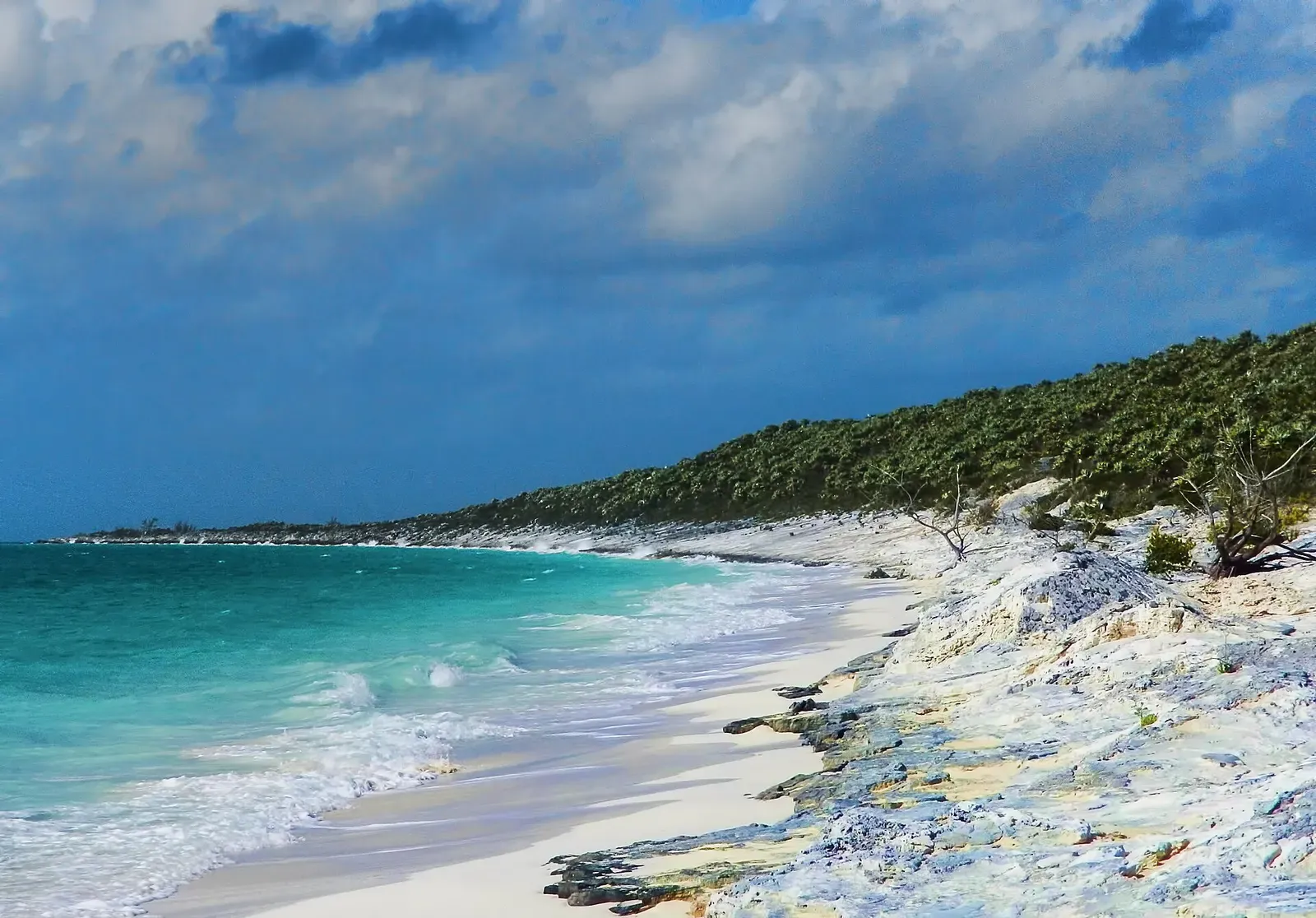
One of the few reliable places on earth to dive with oceanic whitetips

A wall off Grand Turk where migrating humpback whales pass within earshot each winter
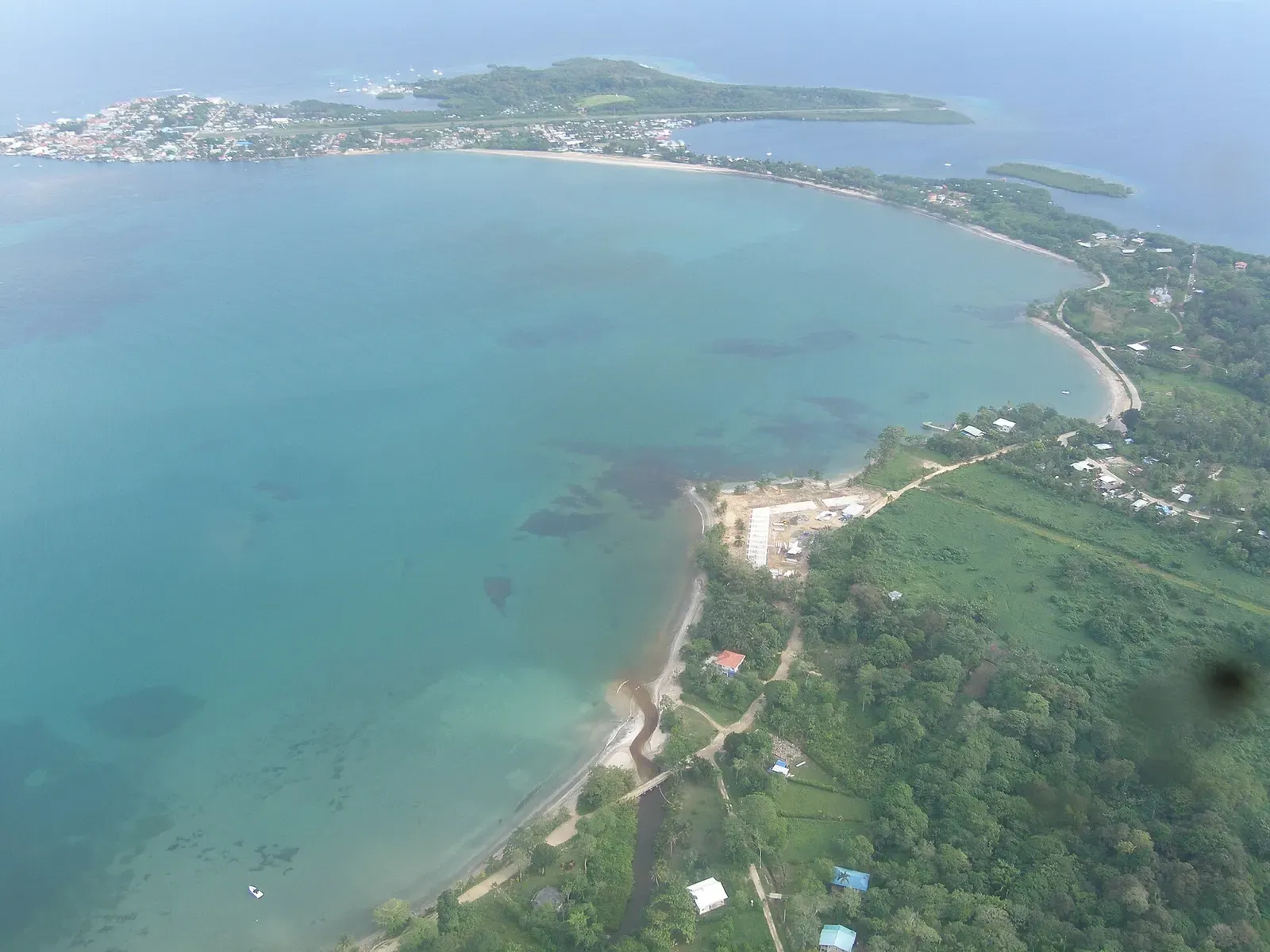
Panama's cheapest place to learn to dive, with a national marine park just offshore

Descend into Angelfish Blue Hole, a vertical shaft opening onto a coral-rimmed cavern