The short answer
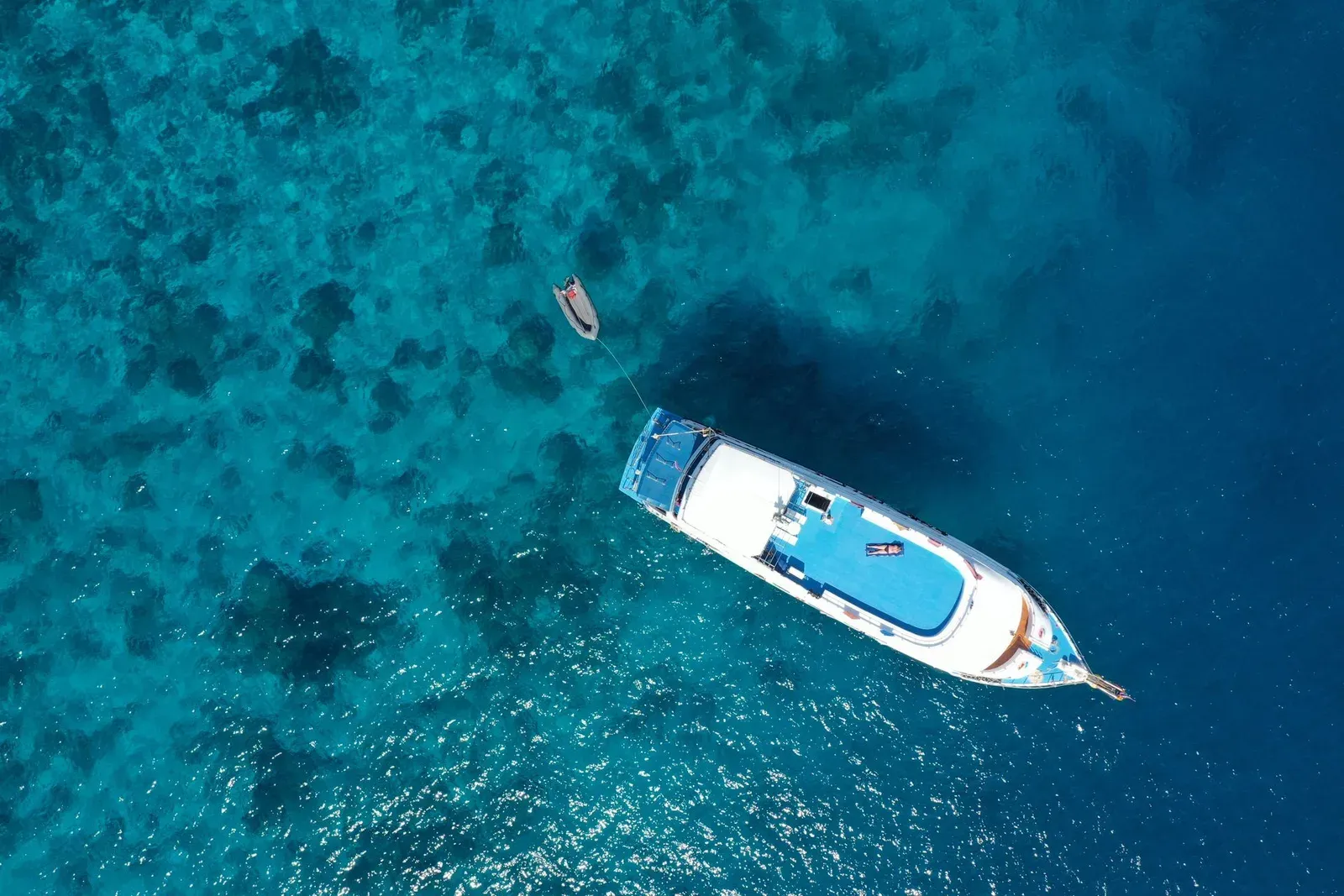
Choose a liveaboard if the diving is the whole point, the sites you want are far from any coast, and you are happy to give up everything else for a week. Choose a resort if you want to dive a lot but not only dive, if anyone in your party is not a diver, if you get seasick, or if you want to set your own pace. If you are not sure, go resort first: a bad resort week is a mediocre holiday, a bad liveaboard week is a mediocre holiday you cannot leave.
There is a third case that settles a lot of arguments. Some of the best diving in the world is only reachable by boat, and for those places the question does not arise. Cocos, the Galápagos northern islands, Socorro, the Egyptian offshore reefs, Sudan, Chuuk, Osprey Reef and Cuba’s Jardines de la Reina are liveaboard destinations because there is nowhere to sleep on land. Equally, Bonaire, Tulamben, Dahab and Moalboal are shore-diving cultures where a boat would get in the way.
Cost per dive, honestly
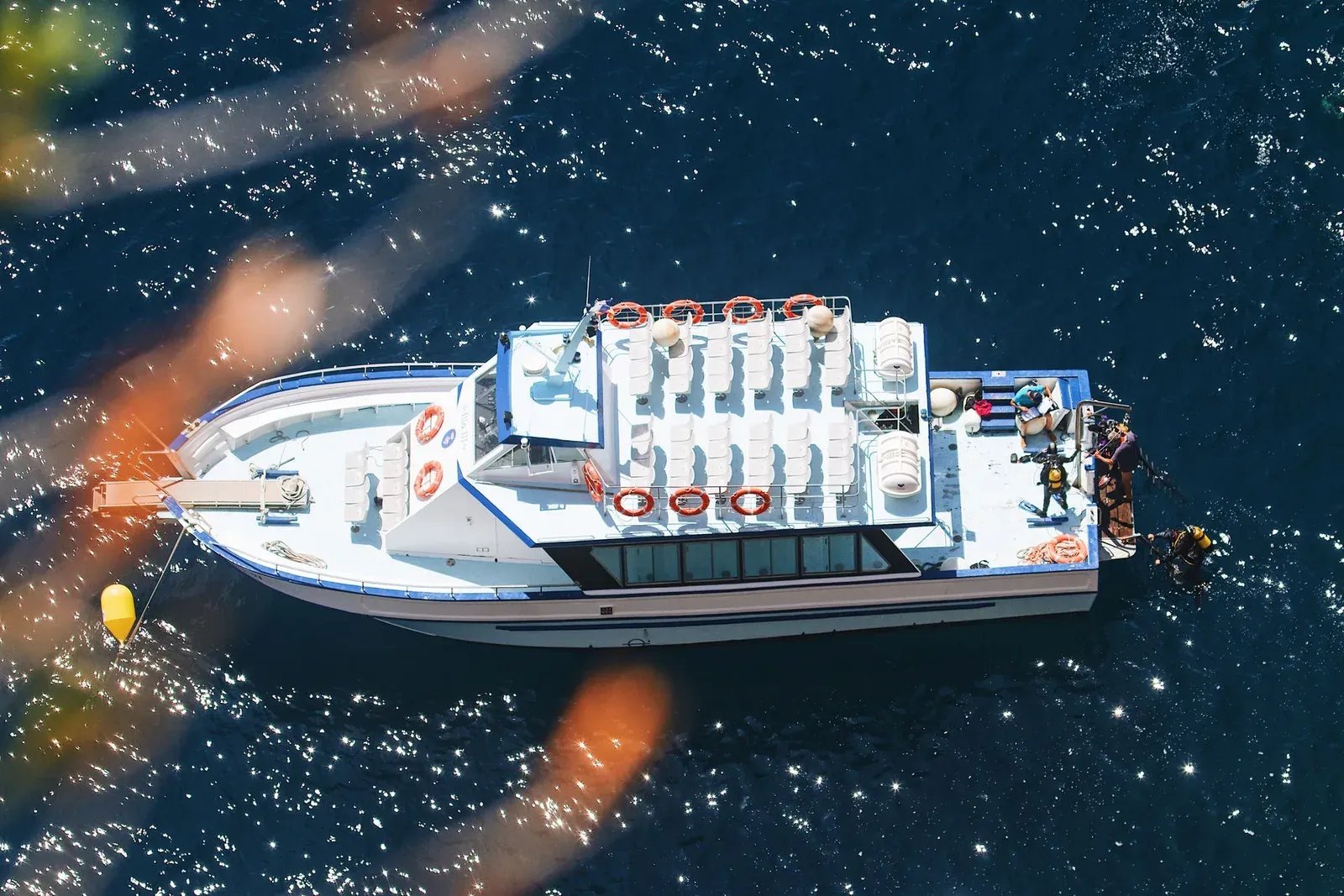
A liveaboard looks expensive and a resort looks cheap, and per dive it is usually the other way round. A week aboard typically includes 17 to 25 dives, all meals, tanks, weights, nitrox on many boats and the guiding; the price is the price. A resort week is a room rate plus a dive package, plus meals, plus transfers, and the package is normally two dives a day with a third or a night dive as an extra. Divide the total by the dives you will actually do and liveaboards routinely come out cheaper per dive, especially in the Red Sea and Thailand, where boats are plentiful and competitive.
The places where a resort wins on cost are the shore-diving destinations, where unlimited air fills and a hire truck replace the dive boat altogether. A week on Bonaire or in Tulamben can deliver four or five dives a day for the price of tanks.
Whichever way you go, price the extras before you compare. On a boat: nitrox if it is not included, marine park and port fees, which are paid in cash on arrival in the Galápagos, Cocos, Sudan and the Egyptian marine parks, the crew tip that is customary on most itineraries, and the flights to a departure port that is rarely the capital. At a resort: the third dive, night dives, equipment rental, the transfer from the airport, and the meals that a full-board liveaboard would have folded into the price. Two trips that look a thousand apart on the brochure often finish within a couple of hundred of each other.
Where a liveaboard wins
Remote sites. Ten days at sea is the only way to dive Bajo Alcyone at Cocos or Darwin’s Arch; Roca Partida is a rock 400 km off the Mexican coast; Daedalus is a lighthouse on a seamount 100 km off Marsa Alam. The big-animal seamount diving that fills the bucket lists is almost all liveaboard diving.
Dives per day. Four dives a day, five with a night dive, with the boat already on the site when you wake up. Over a week that is the difference between 12 dives and 20, and the extra dives are the dawn and dusk ones, which are often the best.
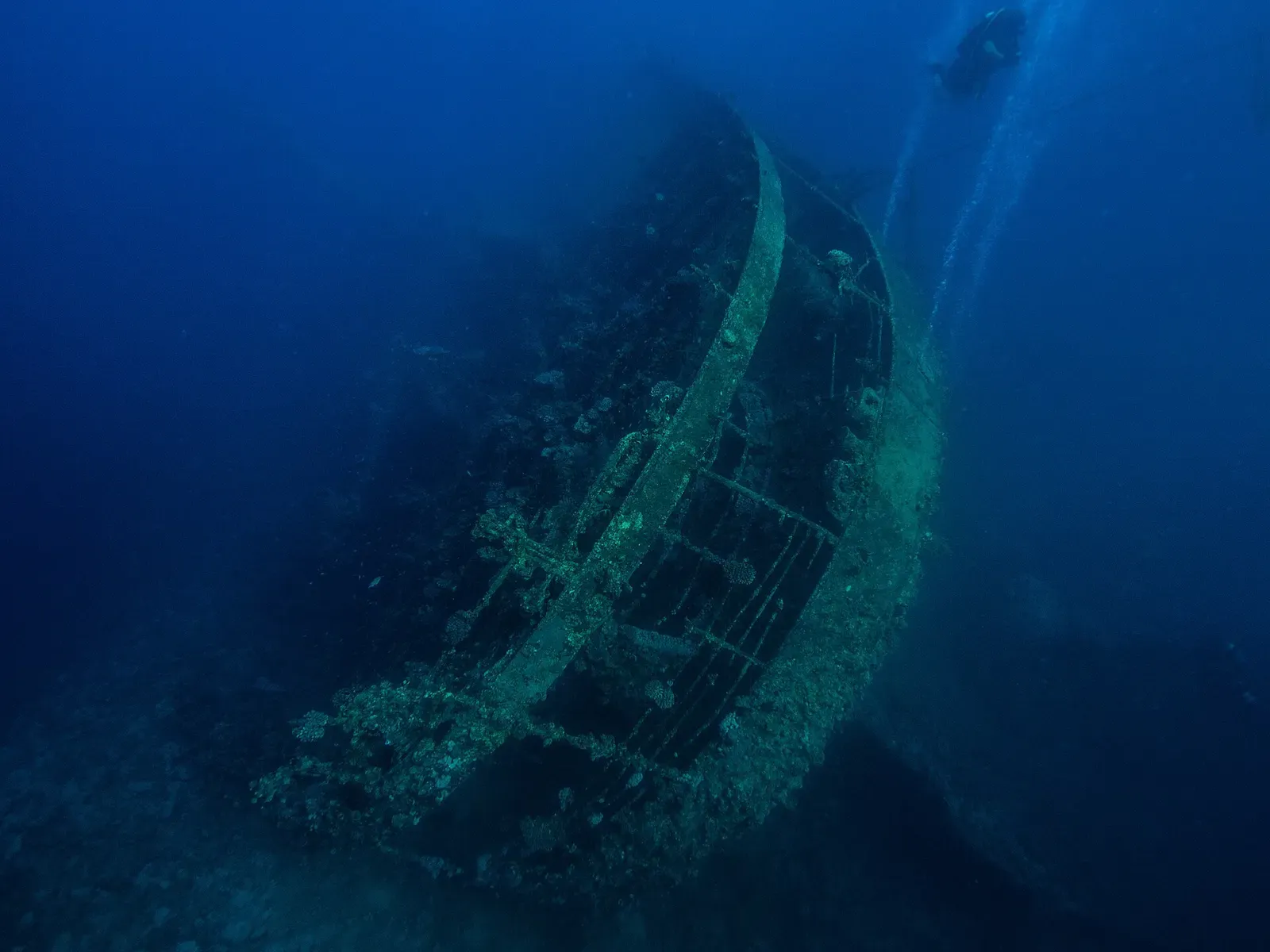
Wreck collections and reef systems. Chuuk Lagoon is diveable from land, but a liveaboard puts Fujikawa Maru and a dozen other ships within a short tender ride and lets you dive the deeper ones early. In Sudan, the Umbria and the offshore reefs are liveaboard-only. In Cuba, Jardines de la Reina is a protected archipelago with no hotels, reached only by boat.
Focus. Everyone aboard is there to dive. The briefings are serious, the guides know the sites daily, and nobody is waiting for the snorkellers to come back.
Where a resort wins
Shore diving and house reefs. Wakatobi’s house reef drops off 80 m from the jetty and is diveable without limit, day and night; Roatán’s Prince Albert sits in front of its resort; Mabul & Kapalai has turtles on the house reef and mandarinfish at dusk; Grand Cayman’s Eden Rock is in the middle of town. A house reef turns every gap in the day into a dive.
Your own pace. On a boat the dive schedule is the boat’s. At a resort you can dive twice, skip the afternoon, do a dawn dive at Dahab’s Blue Hole before the crowds or the sardine run at Moalboal after lunch, and take a day off without watching everyone else go in.
Non-divers, families, courses. A partner who does not dive has a beach, a pool and a town at a resort; on a liveaboard they have a sundeck and a library. Children under the certification age have nothing to do at sea. And if you are learning or doing a specialty, a resort’s pool and house reef are where courses are run.
Not being seasick. Some people are fine on the first day and never fine after. If you have never spent a week on a boat in open ocean, find out somewhere gentle before you commit to the Galápagos crossing or the Cocos passage, which is 36 hours each way in the Pacific.
The middle ground
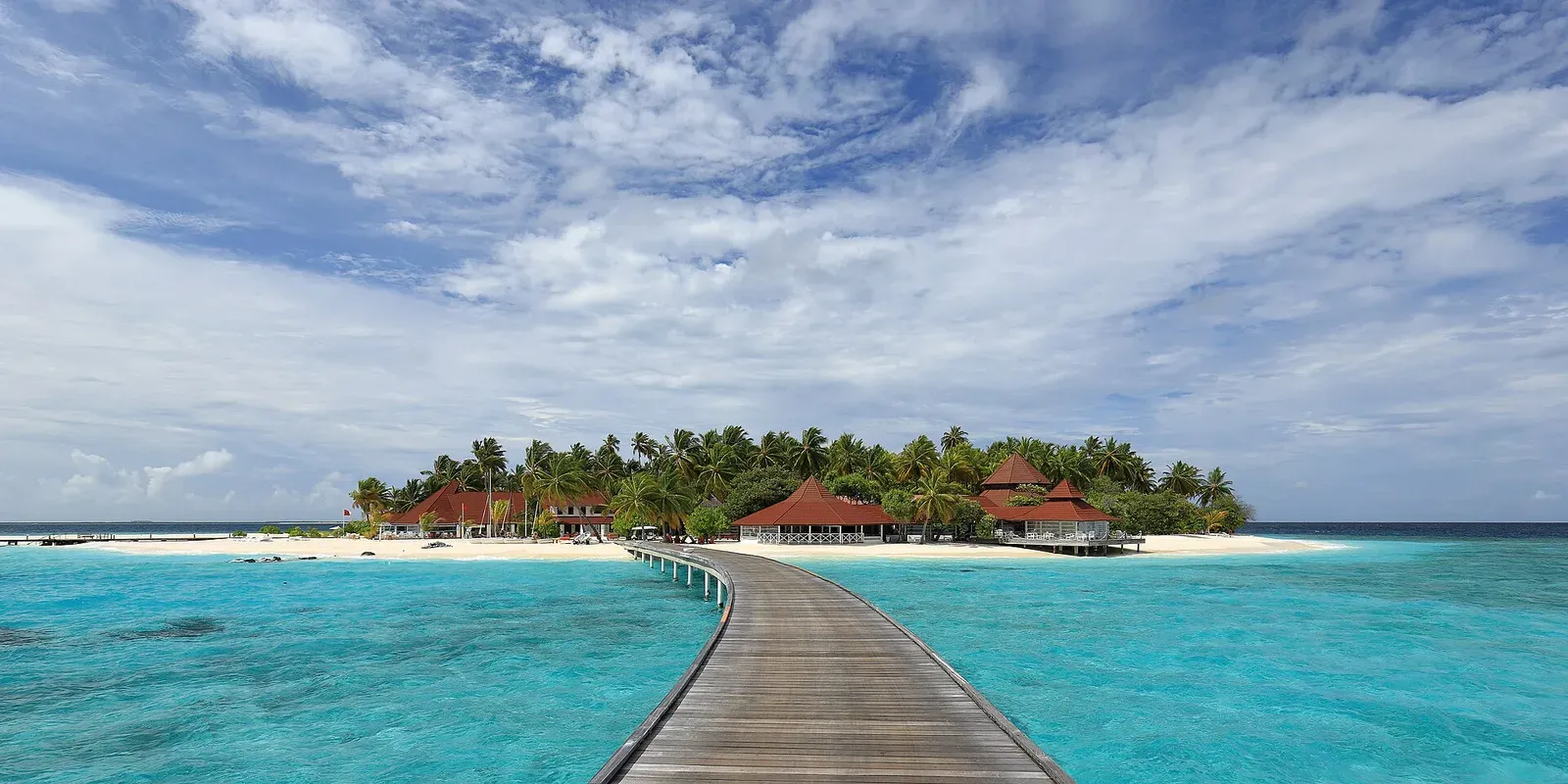
The choice is not always binary. A three-night mini-safari from Hurghada or a three-day Similan trip out of Khao Lak gives you the liveaboard rhythm without a week’s commitment, and both are good ways to find out whether you like sleeping on a boat before you book the Galápagos. Several destinations also work as a resort week with one long day trip bolted on: Sharm resorts run the Thistlegorm as a dawn-departure day boat, Coron resorts reach the deeper wrecks by banca, and Whitsundays operators run overnight pontoon stays on the outer reef after the day boats have gone. And a growing number of resorts on remote reefs, from Wakatobi to Kimbe Bay, have become the land-based answer to the liveaboard: a house reef on the doorstep, day boats to sites nobody else dives, and a bed that stays still.
Seasickness, non-divers and downtime
The questions people do not ask before their first liveaboard are the ones that decide whether they book a second. Cabins are small and often shared, showers are short, the boat moves at night, and the whole week runs on a diving timetable: eat, dive, eat, dive, sleep. For some divers that is exactly the holiday. For others it is a floating hotel with no exit, and the first sign is usually the second day, when the novelty has gone and the crossing is rough.
Resorts have their own version. The diving is two tanks in the morning and the afternoon is yours, which is glorious if you like afternoons and frustrating if you came for the diving. Boat rides to the sites can be long, groups can be mixed in ability, and the best sites are dived when the operator schedules them, not when conditions are best.
Deciding
| Liveaboard | Resort | |
|---|---|---|
| Best for | Remote seamounts, wreck collections, big animals | Shore diving, house reefs, mixed groups, courses |
| Dives per day | 3 to 5, all included | 2 to 3, extras cost |
| Cost per dive | Usually lower | Usually higher, except shore diving |
| Flexibility | The boat’s schedule | Yours |
| Non-divers | Poor | Good |
| Seasickness | A real risk on ocean crossings | Only on the day boat |
| Downtime | None | Plenty |
| Typical length | 7 to 10 nights | Any |
Run through it in this order. First, is the place you want reachable from land at all? If not, the decision is made. Second, is anyone coming who does not dive? If so, resort. Third, have you spent a week on a boat before? If not, and the trip is a long crossing, do a short Red Sea or Thai liveaboard first. Fourth, count the dives you will really do and divide the cost. Most people find the answer is obvious by the second question.