
Scapa Flow · United Kingdom · Wreck
SMS Köln
Armoured control tower and stem both still standing
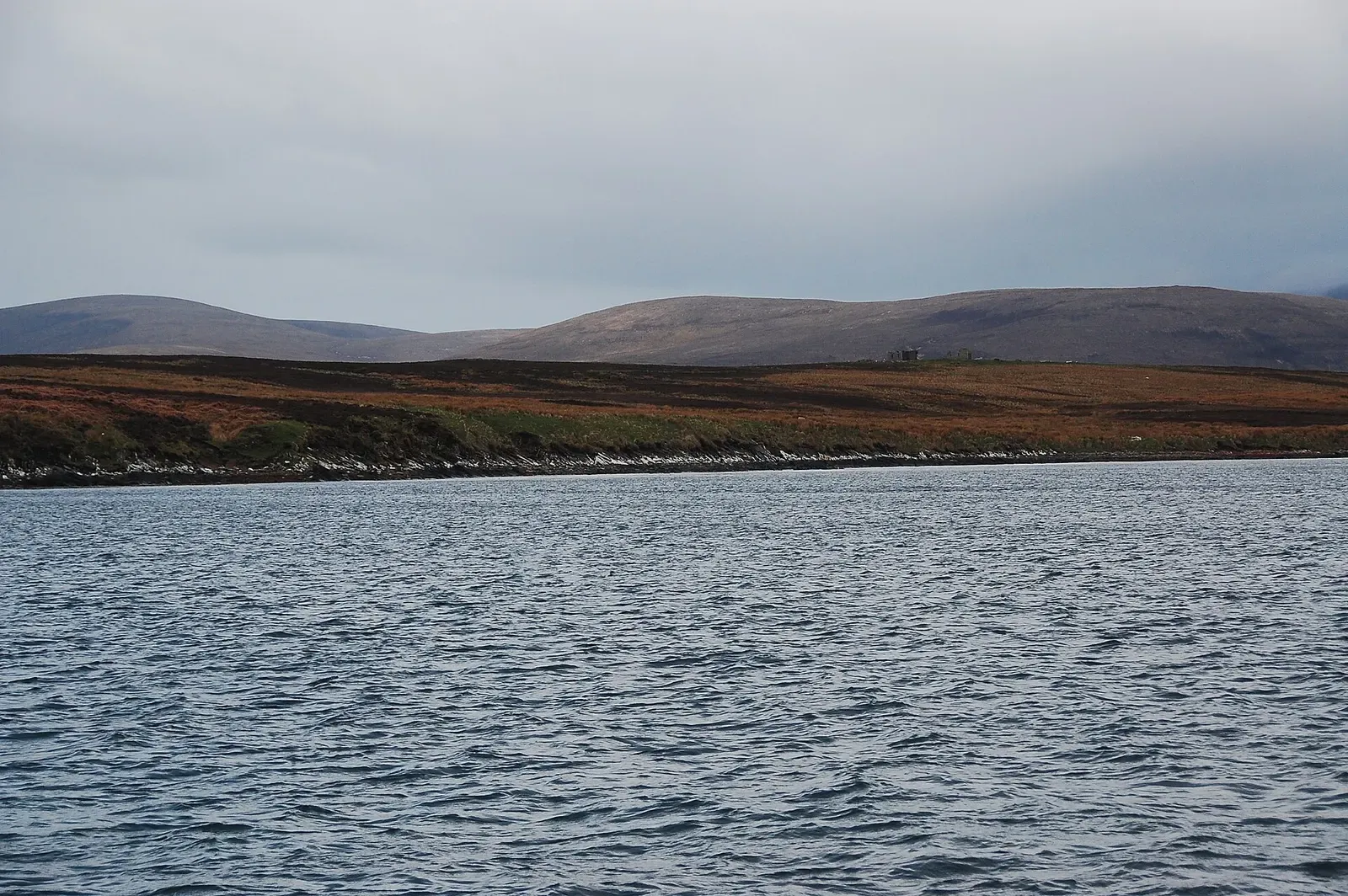
Area photo: Derek Mayes · CC BY-SA 2.0
The most intact of the four light cruisers left in Scapa Flow, Köln rests on her starboard side with the shallowest steel at 22 m and the seabed at 36 m. She was never raised for scrap, so the stem, the armoured control tower and the bridge structure still read as a ship rather than as wreckage.
Also known as SMS Cöln, SMS Koln.
Where it is and how deep
58.8981° N, 3.1458° WPublished position for this site.
Site maps published elsewhere
The dive
The wreck lies on her starboard side and runs away in both directions from the shot, with the shallowest steel at 22 m and the seabed at 36 m. Scapa Flow Wrecks calls her the most intact of the four cruisers and not a complex wreck to navigate: keep the seabed on one side and the plating on the other and the route out and back stays simple.
The features people come for are the imposing stem and the armoured control tower, both intact, with the bridge structure behind them. Because she was never raised — unusual among the Scapa ships — the shape of a 155 m cruiser survives in a way the salvaged battleships cannot offer. Scapa Flow Wrecks calls the dive well within the grasp of competent sport divers, though the seabed is at 36 m and the water is cold.
The wreck
- Vessel
- SMS Köln
- Type
- Cöln-class light cruiser
- Length
- 155.5 m (510 ft)
- Built
- 1916
- Sunk
- 1919
- Cause
- Scuttled on 21 June 1919 as the British moved to seize the interned fleet
- Lies
- On her starboard side, shallowest steel at 22 m, seabed at 36 m
Köln — spelled Cöln when she was built — was launched on 5 October 1916 and interned at Scapa Flow at the end of the war. Rear Admiral Ludwig von Reuter believed the British intended to seize the German ships on 21 June 1919 and ordered the fleet scuttled; Köln sank at 13:50 that day. Unlike most of the fleet she was never raised for scrap, and she is the most intact of the four cruisers left in the Flow. Her wreck was declared a scheduled monument on 23 May 2001.
Marine life and season
The sources we used don't single out particular species here.
| Jan | Feb | Mar | Apr | May | Jun | Jul | Aug | Sep | Oct | Nov | Dec |
|---|---|---|---|---|---|---|---|---|---|---|---|
| Off-season | Off-season | Fair | Good | Good | Good | Good | Good | Prime | Prime | Fair | Off-season |
Season follows Scapa Flow: Boats run from Easter to early November, and visibility improves in autumn once the plankton dies back.
Dive videos
Scapa Flow wreck dive on sms Koln · Stu Mclaren. North Sea Diver on YouTube
SMS Cöln · Wet Rock and Chocolate Milk on YouTube
Questions divers ask
How deep is the SMS Köln?+
The wreck lies in 36 m of water and rises to 22 m at its shallowest point, so most of the dive sits between those two figures. It is deep and cold, but not a complex wreck to navigate.
Sources
- SMS Köln (1916) — Wikipedia
- Diving in the United Kingdom — Wikivoyage
- SMS Cöln — Scapa Flow Wrecks
- SMS Cöln (node) — OpenStreetMap
In The Logbook
- Where to dive in every month of the yearTrip planning · 14 min read
- Why you get cold diving, even in a wetsuitBody & health · 8 min read
- Cold-water diving: is it worth the drysuit?Cold water · 8 min read
- Deep wreck diving: where recreational stopsWrecks · 8 min read
More dive sites in Scapa Flow
Bow at 25 m, stern at 38 m, lying on an incline
Salvage-opened battleship with an engine room worth the dive
Bow, stern and rudders of an upturned 1913 dreadnought
Similar dives elsewhere
Five wrecks and a scatter of dinghies on one dive
Wreck
Birkenfels
Belgian North Sea · Belgium
A virtually intact ore carrier lying flat on the bottom far off the Belgian coast
A 1918 torpedo loss at 36 to 38 m on clean sand

A wartime wreck at 40 m with boxes of anti-aircraft heads at the bows