
Cold Water · United Kingdom
Scapa Flow
Scuttled German fleet wrecks in a sheltered Orkney anchorage
Photo: Derek Mayes · CC BY-SA 2.0
Scapa Flow is the sheltered Orkney anchorage where the German fleet was scuttled after World War I, and its wrecks now form an internationally acclaimed diving location. Light cruisers and battleships lie on their sides or upturned, among them Cöln, Dresden, König and Markgraf, while the blockships of Burra Sound add shallower dives in fast tides.
About diving in Scapa Flow
Diving is by boat, either day trips or liveaboard, and most of the wrecks lie an hour south of Stromness, close to each other. A typical day starts with ropes off around 08.30 and a first dive at 09.30, then lunch and a second dive around 14.00, and a return to port by about 17.00. The German fleet wrecks have no tidal constraints, while Burra Sound needs slack water.
The seabed is mainly silt and sand, and the wrecks on it have become artificial reefs. Cöln rests on her starboard side and Dresden on her port side on a slope, while König and Markgraf lie nearly or almost completely upturned. Soft corals grow along the wrecks and seabed, and the fast water of Burra Sound feeds a rich growth on the sides of the Tabarka.
Cöln is not a complex wreck to navigate and, with her depth, is well within the grasp of competent sport divers. König has become a rewarding wreck for experienced divers as she deteriorated, and Markgraf asks for a level of technicality the other wrecks do not. The Burra Sound blockships lie shallower, from 12 m, but the tide there runs at 4 to 5 knots at peak flow.
Best time to dive Scapa Flow
| Jan | Feb | Mar | Apr | May | Jun | Jul | Aug | Sep | Oct | Nov | Dec | |
|---|---|---|---|---|---|---|---|---|---|---|---|---|
| Season | Off-season | Off-season | Fair | Good | Good | Good | Good | Good | Prime | Prime | Fair | Off-season |
| Sea surface | 8°C46°F | 7°C45°F | 7°C45°F | 8°C46°F | 9°C48°F | 11°C52°F | 12°C54°F | 13°C55°F | 13°C55°F | 12°C54°F | 11°C52°F | 9°C48°F |
| Daytime high | 10°C50°F | 10°C50°F | 10°C50°F | 12°C54°F | 15°C59°F | 17°C63°F | 17°C63°F | 18°C64°F | 17°C63°F | 14°C57°F | 12°C54°F | 11°C52°F |
| Rain | 113 mm4.4 in | 88 mm3.5 in | 80 mm3.1 in | 61 mm2.4 in | 70 mm2.8 in | 67 mm2.6 in | 78 mm3.1 in | 92 mm3.6 in | 105 mm4.1 in | 123 mm4.8 in | 109 mm4.3 in | 122 mm4.8 in |
| Jan | Feb | Mar | Apr | May | Jun |
|---|---|---|---|---|---|
| Off-season | Off-season | Fair | Good | Good | Good |
| Sea surface | |||||
| 8°C46°F | 7°C45°F | 7°C45°F | 8°C46°F | 9°C48°F | 11°C52°F |
| Daytime high | |||||
| 10°C50°F | 10°C50°F | 10°C50°F | 12°C54°F | 15°C59°F | 17°C63°F |
| Rain | |||||
| 113 mm4.4 in | 88 mm3.5 in | 80 mm3.1 in | 61 mm2.4 in | 70 mm2.8 in | 67 mm2.6 in |
| Jul | Aug | Sep | Oct | Nov | Dec |
|---|---|---|---|---|---|
| Good | Good | Prime | Prime | Fair | Off-season |
| Sea surface | |||||
| 12°C54°F | 13°C55°F | 13°C55°F | 12°C54°F | 11°C52°F | 9°C48°F |
| Daytime high | |||||
| 17°C63°F | 18°C64°F | 17°C63°F | 14°C57°F | 12°C54°F | 11°C52°F |
| Rain | |||||
| 78 mm3.1 in | 92 mm3.6 in | 105 mm4.1 in | 123 mm4.8 in | 109 mm4.3 in | 122 mm4.8 in |
2011–2025 averages. Sea surface: NOAA Coral Reef Watch, measured at the surface, so deeper water can run colder. Daytime high and rain: NASA POWER.
The Orkney dive season traditionally runs from Easter to early November. Through the summer months visibility can be around ten metres, and it increases once the plankton dies back in autumn. September and October bring the best of the visibility in the sheltered waters of the anchorage, and diving carries on into November before the season closes.
Best months: September, October
Scapa Flow water temperature and weather by month
The sea surface runs from 7 °C (45 °F) in March to 13 °C (55 °F) in August. Rain falls through the year, about 90 mm (3.5 in) a month on average, with October the wettest. Daytime highs reach 18 °C (64 °F) in August and drop to 10 °C (50 °F) in February. The coldest water here is about 7 °C (45 °F), so pack a drysuit.
Dive types & marine life
Grey seals and harbour seals are a common sight in Orkney waters. Crabs, lobsters and hermit crabs live on all the sites, and a sharp eye may find nudibranchs along the wrecks and seabed.
- Wreck
- Drift
- Seals & sea lions
- Macro critters
- Nudibranchs
Best dive sites in Scapa Flow
- 1
SMS Cöln
The most intact of the cruisers, lying from 22 to 36 m.
- 2
SMS Dresden
Light cruiser on an incline, bow at 25 m and stern at 38 m.
- 3
SMS König
Battleship nearly overturned in 38 m and extensively broken up.
- 4
SMS Markgraf
Battleship upturned in 45 m, the most involved dive of the fleet.
- 5
Tabarka
Blockship in 15 m of Burra Sound, in tides running 4 to 5 knots.
Site guides
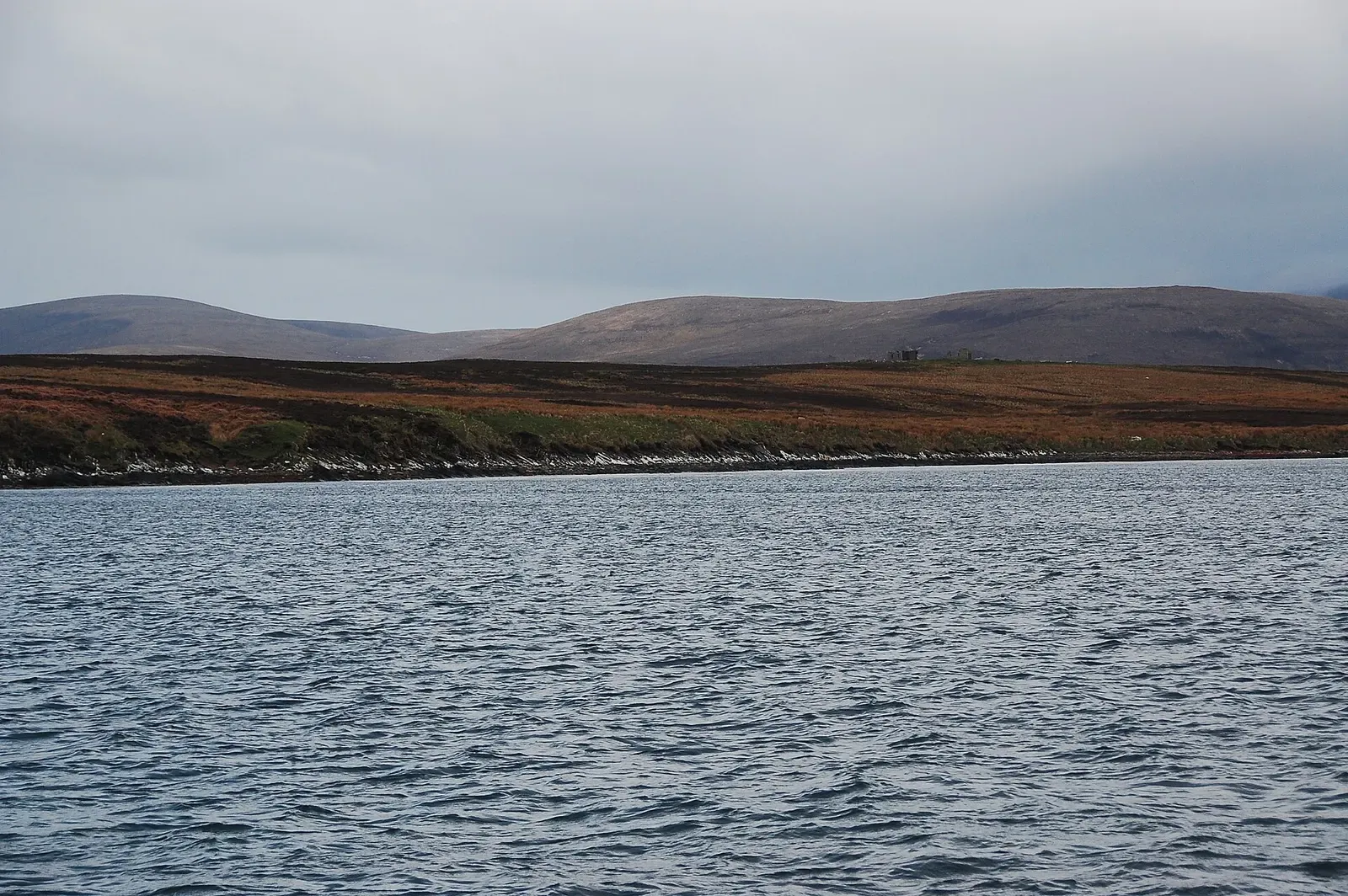
Bow at 25 m, stern at 38 m, lying on an incline
Wreck
Armoured control tower and stem both still standing
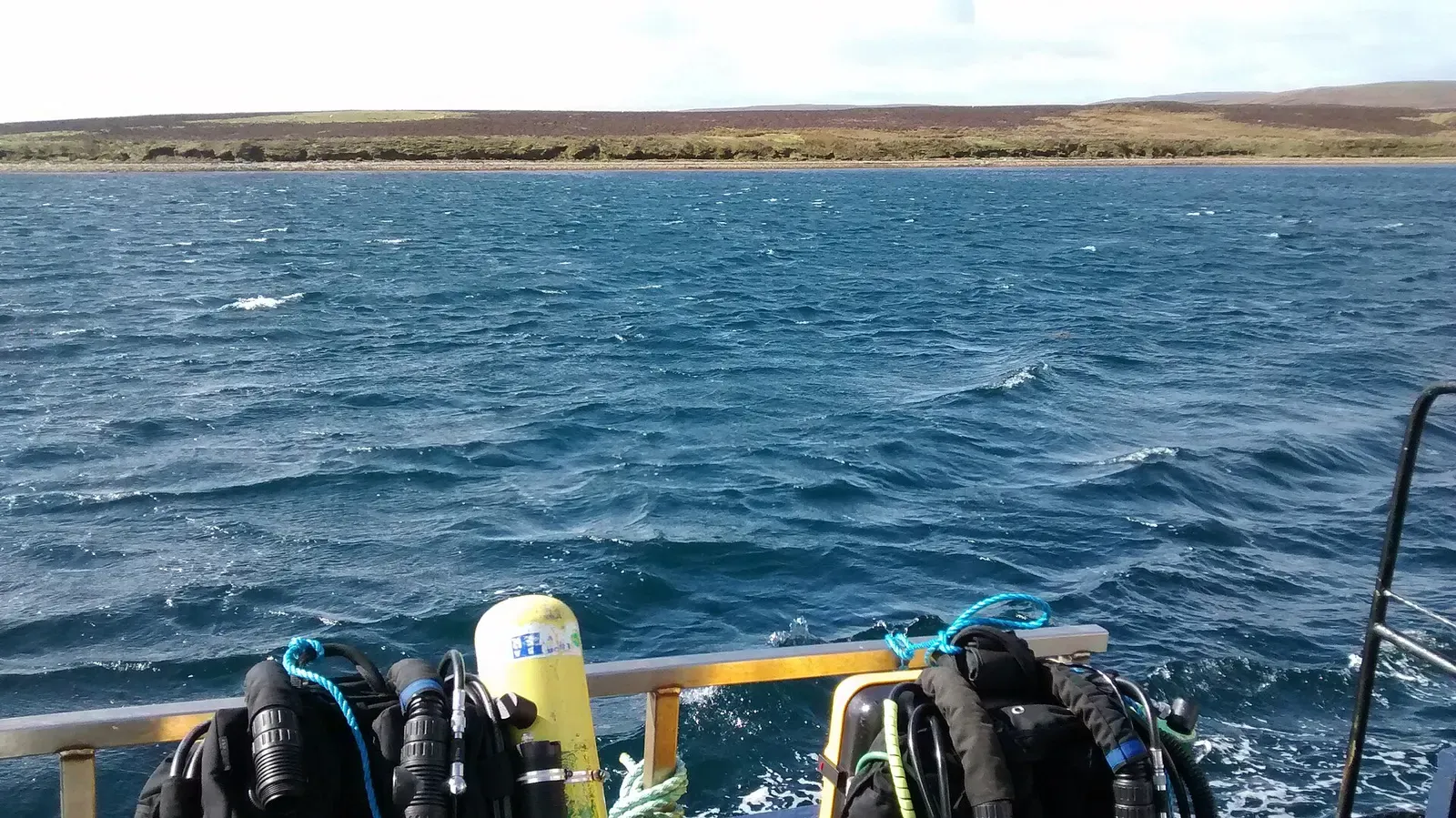
Salvage-opened battleship with an engine room worth the dive
Bow, stern and rudders of an upturned 1913 dreadnought
How to get to Scapa Flow
Loganair flies to Kirkwall Airport from Dundee, Edinburgh, Glasgow, Inverness, Aberdeen and Sumburgh. A transfer from the airport to Stromness takes about 40 minutes.
Photos from Scapa Flow
George Brown · CC BY-SA 2.0
Dive videos
I Explored Every Wreck in Scapa Flow | Here's What I Found · Deep Wreck Diver on YouTube
The battleship SMS Markgraf at Scapa Flow · Andrew Leng on YouTube
Questions divers ask
Do divers need a permit for the Scapa Flow wrecks?+
Yes. A permit from the Orkney Islands Council Harbour Authority is required to dive the wrecks, and dive shops and centres can arrange it.
Which wreck suits a first dive at Scapa Flow?+
Dresden is often the first dive of a Scapa week. Its shallower bow section allows more conservative shakedown dives, and the incline makes multi-level dives easier.
Can the Burra Sound blockships be dived at any state of the tide?+
No. Tides at the Tabarka run at 4 to 5 knots at peak flow, so a drift through the sound is made just after low-water slack, with the first of the flood tide.
Sources
- Scapa Flow — Wikipedia
- Diving — Orkney.com
- Award winning Orkney diving charter Scapa Flow, Shetland and Norway — Orkney and Shetland Charters
- Scapa Week — Halton Charters
- The Markgraf wreck in Scapa Flow — Scapa Flow Wrecks
- The SMS König wreck in Scapa Flow — Scapa Flow Wrecks
- History of the SMS Cöln wreck in Scapa Flow — Scapa Flow Wrecks
- History of the SMS Dresden wreck in Scapa Flow — Scapa Flow Wrecks
- Tabarka — Scapa Flow Wrecks
- Wildlife of Scapa Flow — Scapa Flow Wrecks
- Burra Sound — MV Huskyan
- About Scapa Flow — Kraken Diving
Photo credits
- A gaff-rigged sailing ship crosses Scapa Flow at dusk, silhouetted against silver water with an anchored tanker beyond by Derek Mayes, CC BY-SA 2.0, via Wikimedia Commons
- A grey Atlantic seal rests on a mooring buoy in the calm blue water of Scapa Flow, Orkney by George Brown, CC BY-SA 2.0, via Wikimedia Commons
Embed
Run a dive centre, club or blog? Embed this map of 4 dive sites near Scapa Flow on your own page.
In The Logbook
- How far you can see underwaterOcean science · 12 min read
- Ships sunk on purpose, and where to dive themWrecks · 14 min read
- Where to dive in every month of the yearTrip planning · 14 min read
- Why you get cold diving, even in a wetsuitBody & health · 8 min read
- Gas density: why deep air gets hard to breatheBody & health · 8 min read
- How long does a tank of air last?Gear & kit · 9 min read
- Cold-water diving: is it worth the drysuit?Cold water · 8 min read
- Deep wreck diving: where recreational stopsWrecks · 8 min read
- How a dive computer calculates no-stop timeBody & health · 10 min read
- Air, nitrox or trimix: which gas, and when?Gear & kit · 15 min read
- DPV diving: what an underwater scooter changesGear & kit · 10 min read
Similar destinations
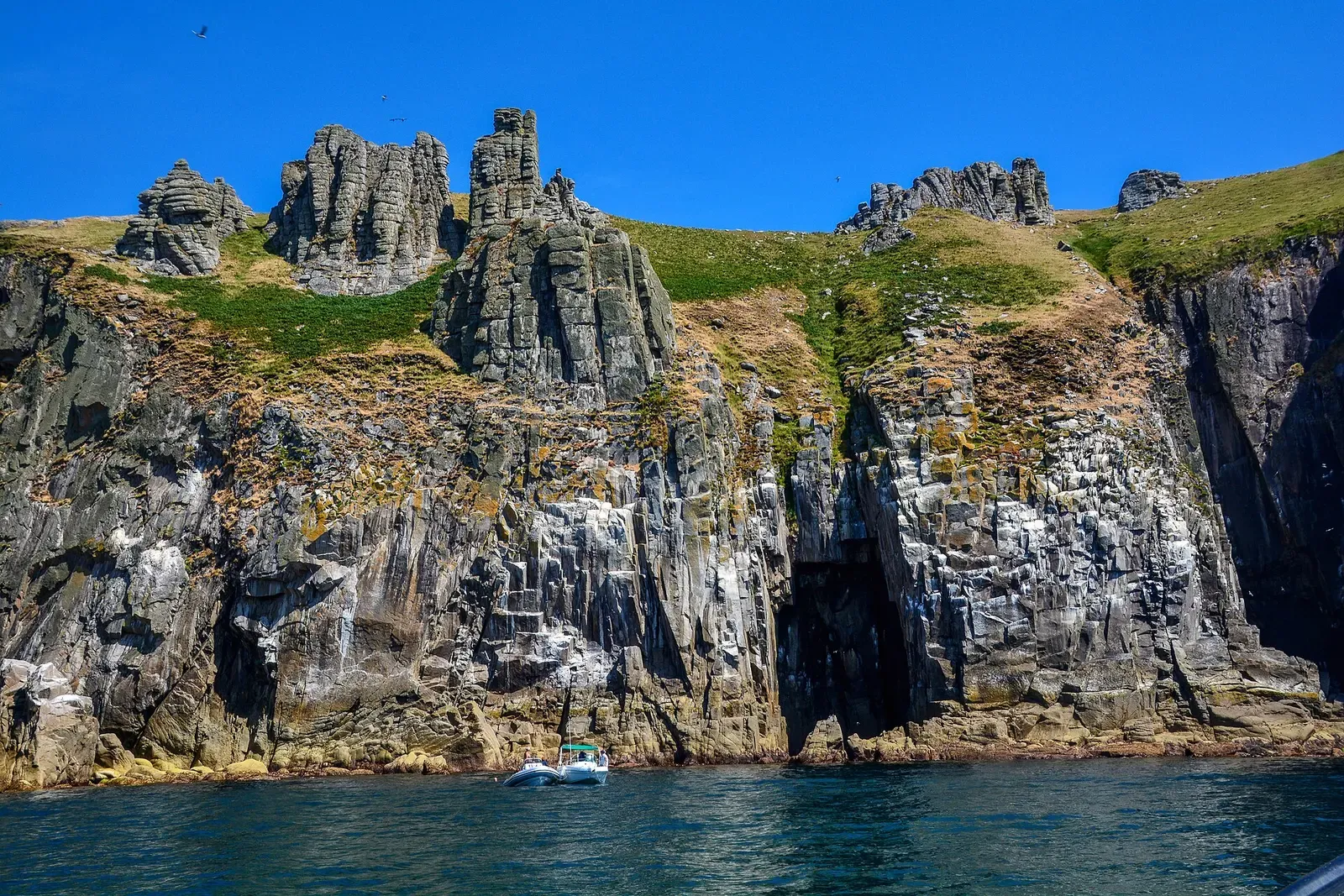
England's first marine reserve, and its grey seals follow divers around

The Rondo stands almost vertical, stern at 15 m and bow at 50
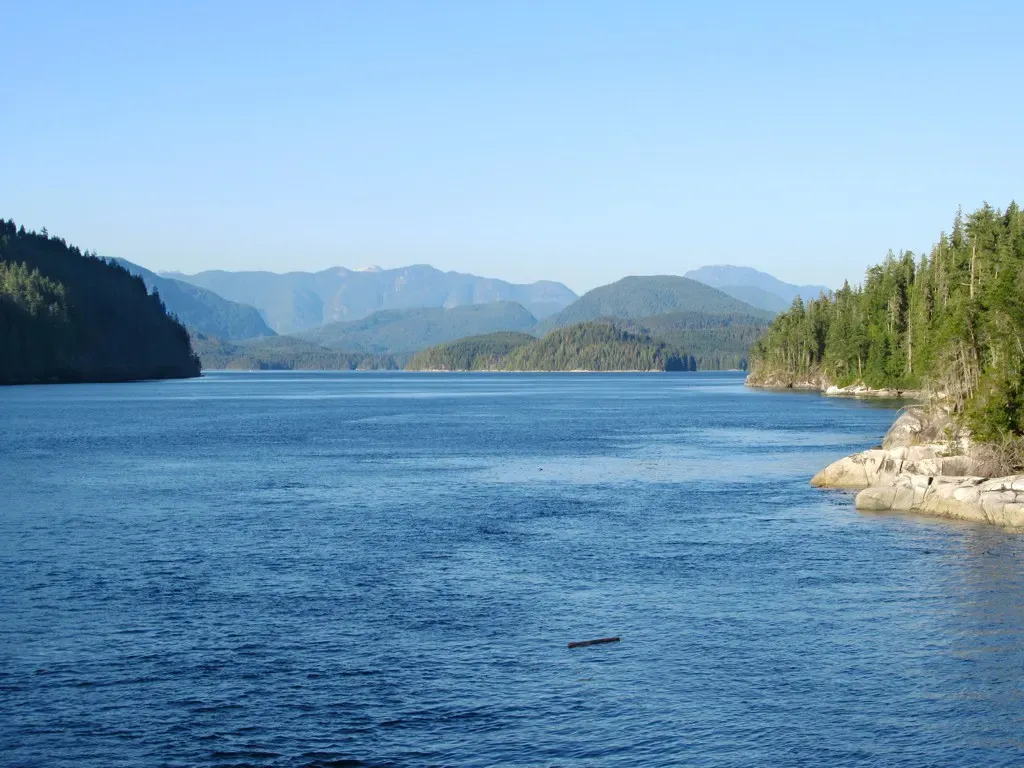


Slack-water walls of giant tube worms in the strong currents of Discovery Passage
Cold Water
A cavern and swim-throughs off the walls of remote Tory Island