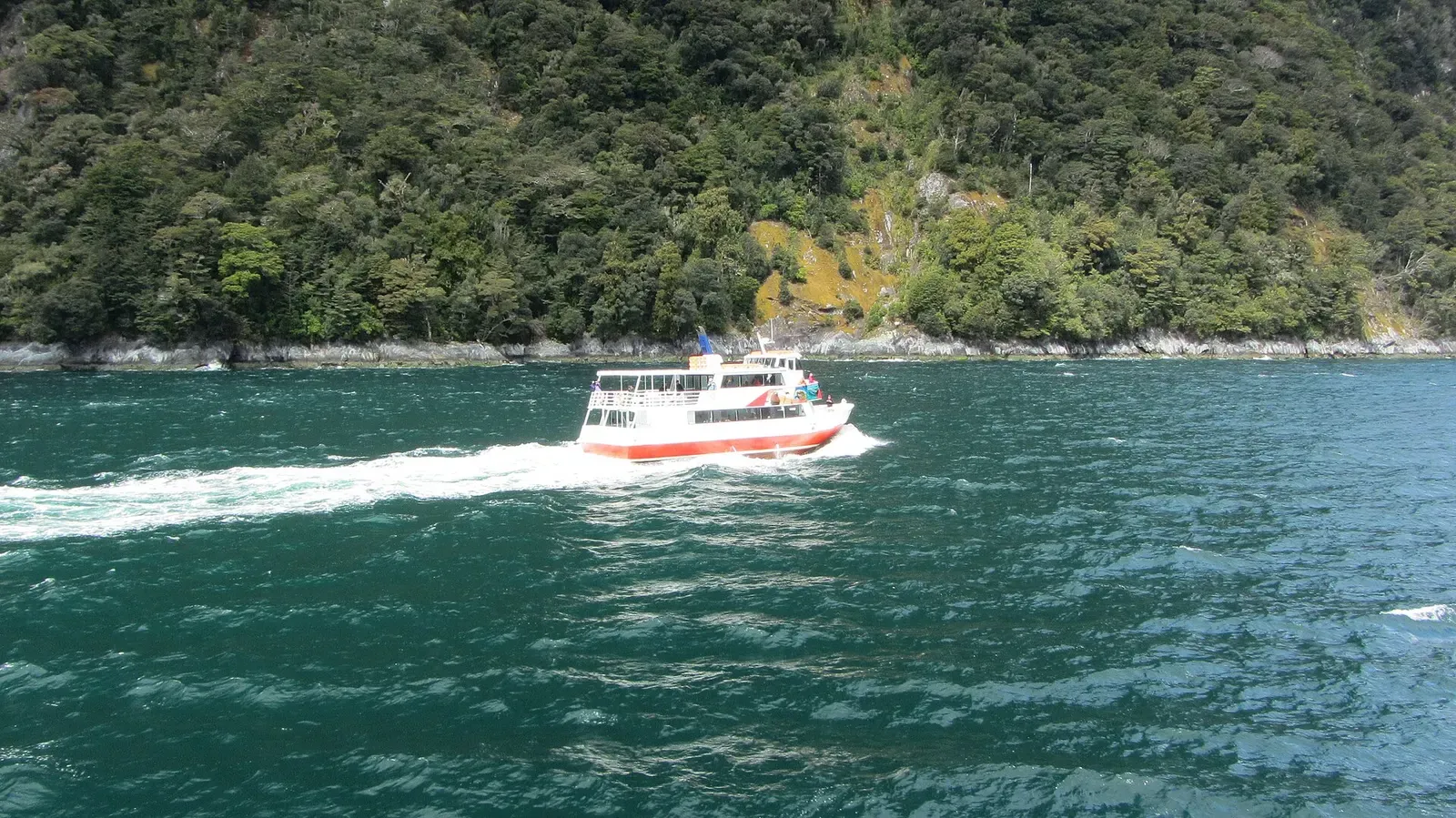
Fiordland · New Zealand · Wall
Milford Sound (Piopiotahi)
Black coral from beyond 100 m, growing at recreational depth
Milford Sound is the most popular of the fiords for diving. A permanent freshwater layer, anywhere from a few centimetres to 10 metres thick, sits over the salt water, and the fiord walls above the surface cut most of the daylight, so black coral trees of a species otherwise found beyond 100 metres grow within reach of a recreational dive. The northern half of the sound, from Milford Sound Village to Dale Point, is a 690-hectare marine reserve.
Also known as Piopiotahi.
Where it is and how deep
44.6481° S, 167.9056° EPublished position for this site.
The dive
You go in off the boat against a rock face that carries straight on below the waterline. The first stretch is the permanent freshwater layer, anywhere from a few centimetres to 10 metres thick, dark and blurred where it meets the salt water underneath. Below it the water is clearer, but the fiord walls above the surface block most of the daylight, so torches are on from the start rather than saved for the deeper part of the dive.
The wall is what you dive: sheer faces and the tops of underwater mountains, hung with sea sponges, soft corals, colonial sea squirts and anemones. The black coral is the reason most divers come, trees up to 6 metres high of a species otherwise found beyond 100 metres, growing here inside recreational limits. Stingrays, crayfish, octopus, seals and more than 100 species of fish use the same walls. Below about 40 metres the tannin-stained water is too dark to support most marine life, so there is little reason to go deeper.
Marine life and season
- Seals & sea lions
- Stingrays
- Octopus & cuttlefish
- Pristine corals
- Macro critters
| Jan | Feb | Mar | Apr | May | Jun | Jul | Aug | Sep | Oct | Nov | Dec |
|---|---|---|---|---|---|---|---|---|---|---|---|
| Prime | Prime | Good | Good | Fair | Fair | Fair | Fair | Good | Good | Good | Prime |
Season follows Fiordland: Summer (Dec–Feb) brings the most stable weather windows; Fiordland's high year-round rainfall can disrupt trips in any month.
Know before you go
- The freshwater layer on top, up to 10 metres thick, blurs the view where it meets the salt water; descend through it slowly and expect the picture to settle only once you are underneath.
- Daylight is thin from the surface down because the fiord walls block it, so carry a torch and a backup rather than counting on ambient light.
Photos from Milford Sound (Piopiotahi)
Bernard Spragg. NZ from Christchurch, New Zealand · CC0
Bernard Spragg. NZ from Christchurch, New Zealand · CC0
Bernard Spragg. NZ from Christchurch, New Zealand · CC0
Dive videos
Milford sound marine reserve (Piopiotahi) dive · Zachary Penman on YouTube
Piopiotahi Milford Sound Dive · Go Pronz on YouTube
Questions divers ask
How deep is the diving in Milford Sound?+
The clear salt water runs to about 40 metres. Below that, tannins from vegetation run-off make the sea too dark to support most marine life, so recreational dives stay inside that band and the black coral sits well above it.
Can recreational divers really see black coral here?+
Yes. Trees up to 6 metres high, of a species otherwise found beyond 100 metres, grow within recreational depth here, and clear seawater holding sponges, corals and fish runs to about 40 metres.
When is the best time to dive Milford Sound?+
November to April is the recommended window for diving South Island sites including Milford Sound.
Sources
- Piopiotahi (Milford Sound) Marine Reserve — Wikipedia
- Diving in New Zealand — Divezone
Photo credits
- Mitre Peak and the fiord walls of Milford Sound reflected in still water by Robert Linsdell from St. Andrews, Canada, CC BY 2.0, via Wikimedia Commons
- A waterfall dropping down the cliffs of Milford Sound past a small tour boat by Bernard Spragg. NZ from Christchurch, New Zealand, CC0, via Wikimedia Commons
- Symmetrical dusk view of Mitre Peak mirrored in the calm sound by Bernard Spragg. NZ from Christchurch, New Zealand, CC0, via Wikimedia Commons
- Cloud-wreathed peaks above Milford Sound with a small cruise boat entering the fiord by Bernard Spragg. NZ from Christchurch, New Zealand, CC0, via Wikimedia Commons
In The Logbook
- The best wall dives in the worldWalls & drop-offs · 11 min read
- How far you can see underwaterOcean science · 12 min read
- Where to dive with seals and sea lionsBig animals · 17 min read
- What are thermoclines and haloclines?Ocean science · 8 min read
- Why is some sea green instead of blue?Ocean science · 8 min read
- Cold-water diving: is it worth the drysuit?Cold water · 8 min read
Similar dives elsewhere
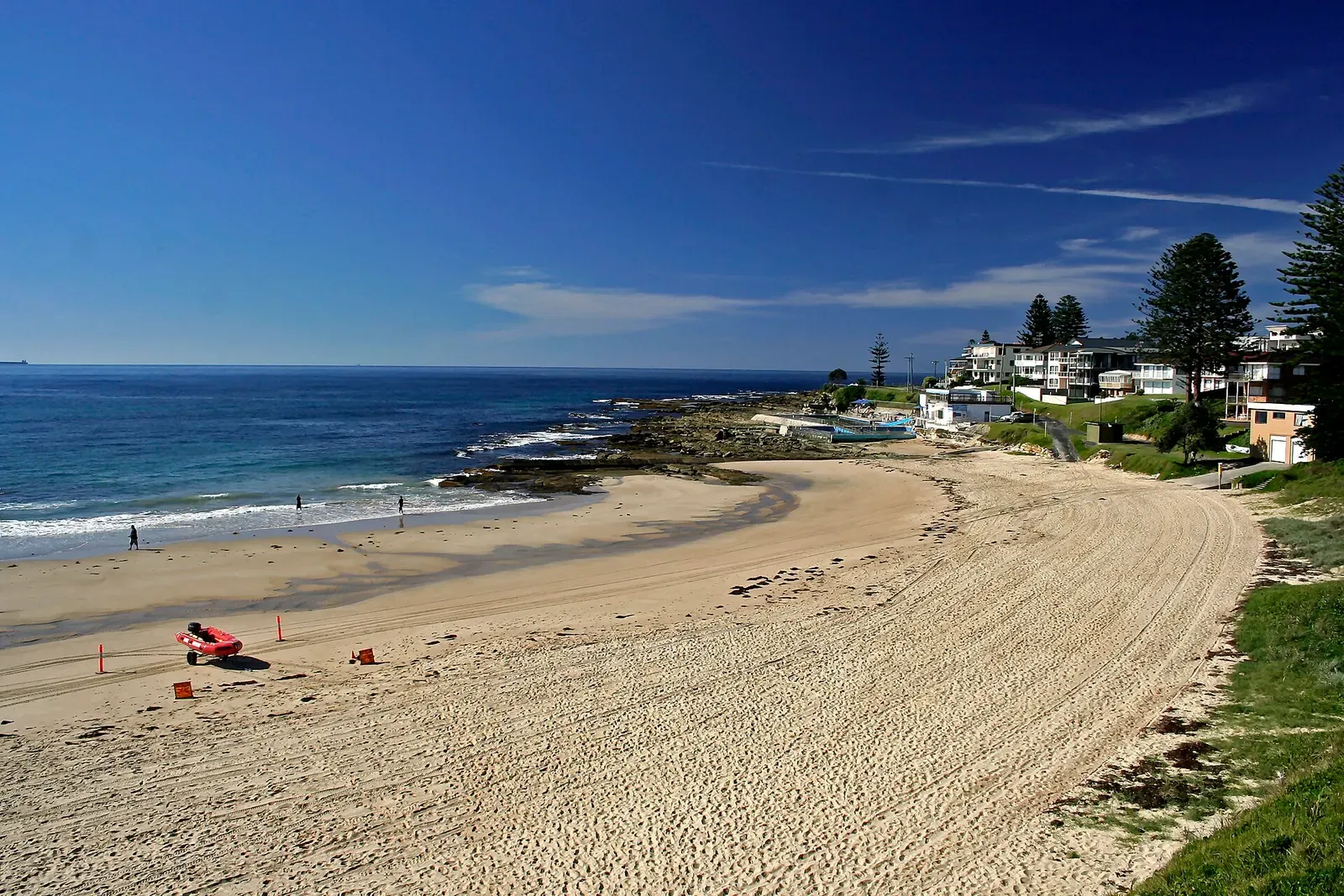
Beginner wall dive to 14 m with sleeping blue gropers on night dives
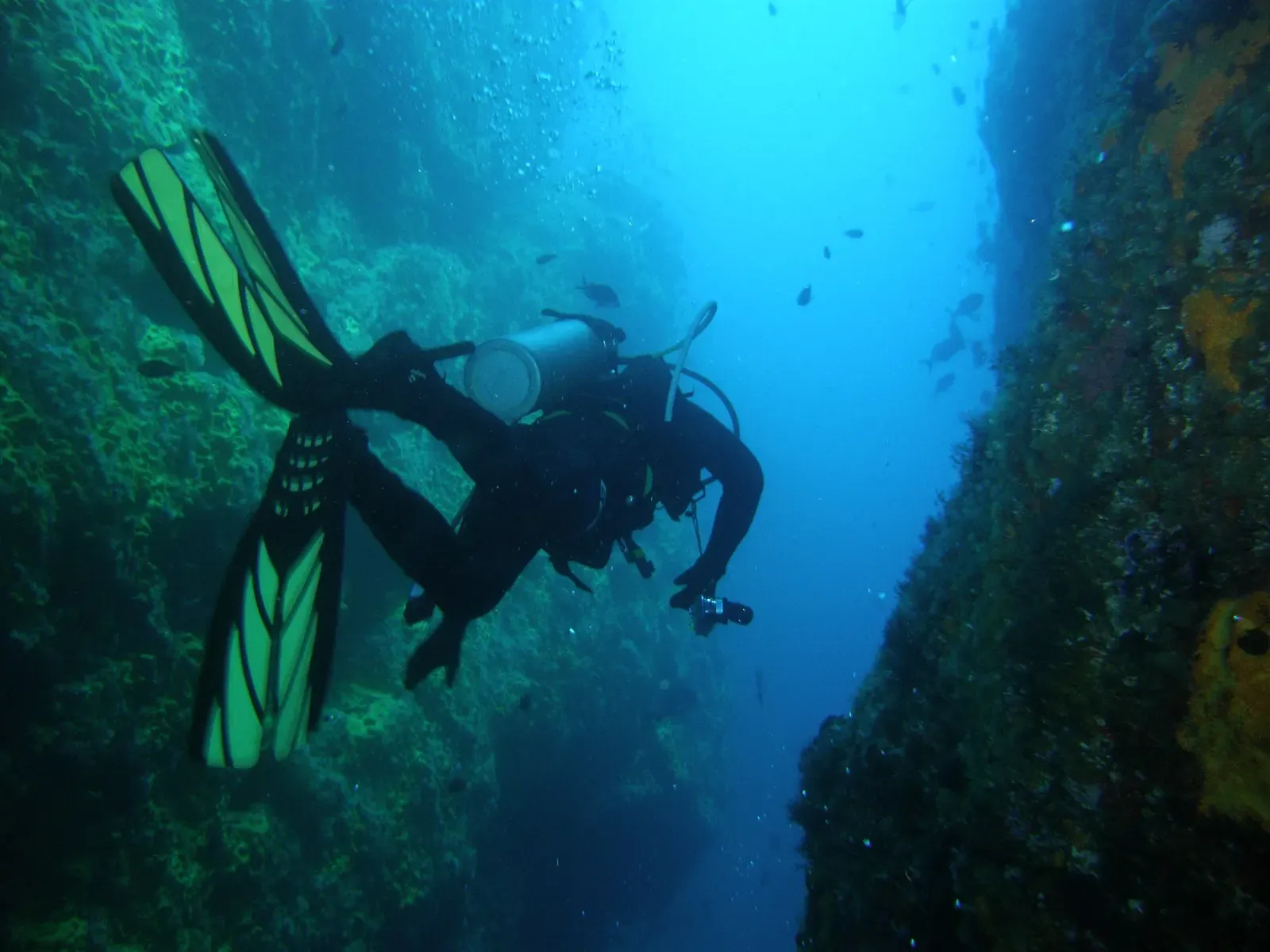
A 12-15 metre gap over a 40 metre bottom, stacked with stingrays
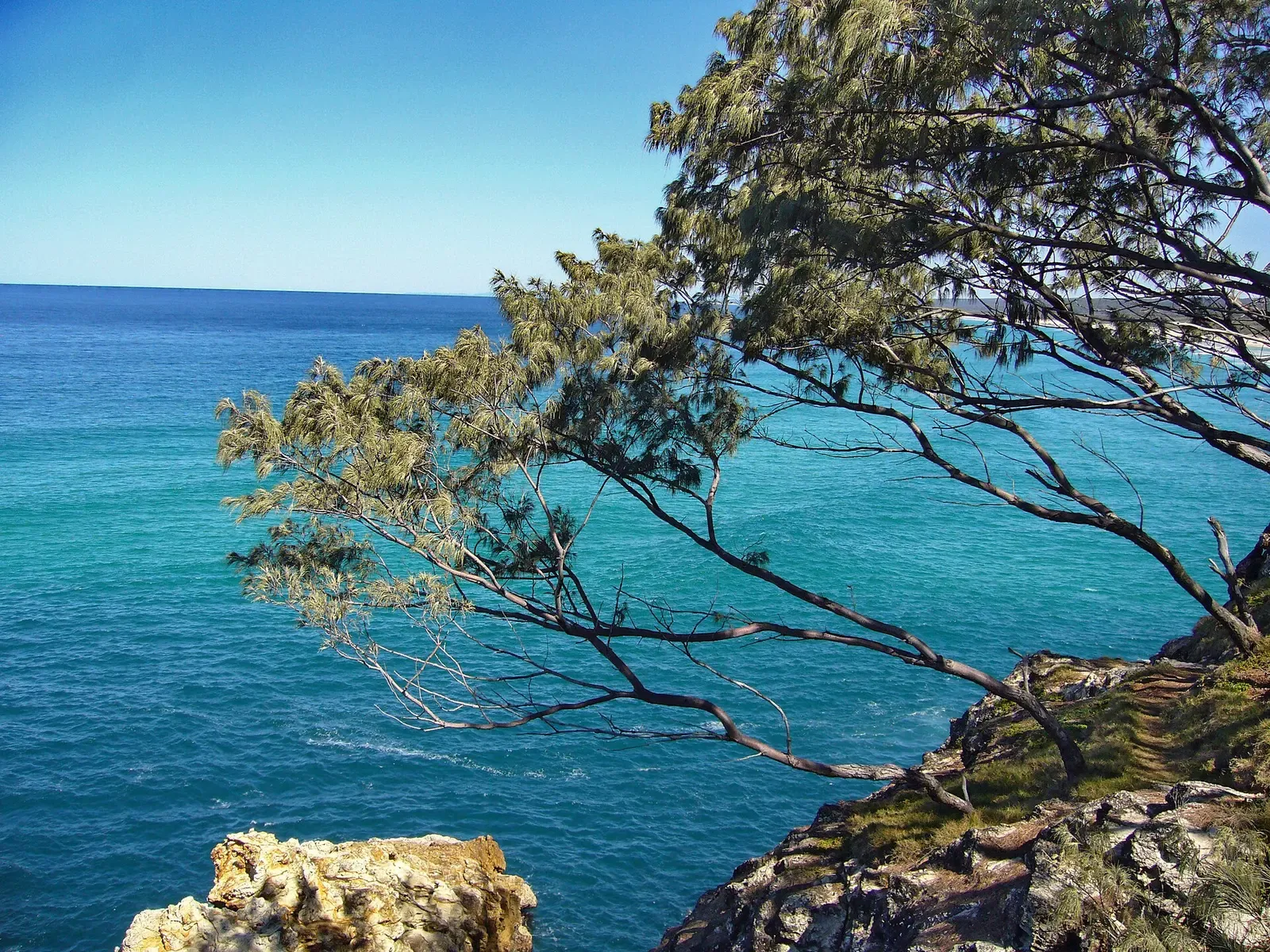
_(9485468932).jpg)

.jpg)
.jpg)
Near-vertical walls dived four or five times a year
Wall and bommies with fiddler rays and eagle rays, dived above or below 20 m