North America · United States
Key West
A 159 m missile-tracking ship sunk off Key West, 12 m on top and 45 m at the sand
Photo: Juliancolton · Public domain
Key West, 210 km southwest of Miami, is the base for diving the Lower Keys reef line inside the Florida Keys National Marine Sanctuary. The signature dive is the USNS Vandenberg, a 159 m missile-range instrumentation ship sunk roughly 10 km offshore in 2009, its trimmed masts at 12-14 m and its hull running to sand at 45 m. Inshore, Sand Key, Rock Key, Eastern Dry Rocks and the Sambo reefs are shallow spur-and-groove coral from the surface to about 12 m, dived from sanctuary mooring buoys on twice-daily boat runs, with Joe's Tug and the Cayman Salvager as smaller wrecks in between.
About diving in Key West
A Key West diving day starts on the island. Finz, Dive Key West and Lost Reef Adventures are on Peninsular Avenue, North Roosevelt Boulevard and Margaret Street by the Bight, and Lost Reef runs two trips a day. The reef line lies about 10 km south and southeast of town, with Eastern Dry Rocks 11 km out and the Vandenberg roughly 10 km offshore. Boats tie into the sanctuary's free mooring buoys, since anchoring on living coral is prohibited, and Sand Key, Rock Key and Eastern Dry Rocks are close enough to dive on one outing. Cannonball Cut has no buoy and is run as a drift. Shore diving barely figures: State Harbor has a shore entry but is an oily harbour basin locals use for lobster.
The Vandenberg is what sets Key West apart from the Upper Keys: a 1943 hull converted in 1964 into a missile-range instrumentation ship, 159 m long, sunk on 27 May 2009 as the world's second-largest artificial reef after the carrier Oriskany. Its stacks, masts and antennas were trimmed to leave 12-14 m of clearance, and the hull runs down to a seabed at nearly 45 m, so gas and no-decompression limits end the dive rather than the wreck. The upper decks sit within recreational range and the hull below is technical territory; Dive Key West asks for Advanced Open Water plus a deep dive within 12 months. The share of Keys dives on artificial reefs rose more than fourfold after the sinking.
The reefs are spur-and-groove coral fingers split by sand and rubble channels, from the surface at Rock Key and Eastern Dry Rocks to 12 m at Western Sambo and 18 m over Cannonball Cut. Rock Key's crevices are unusually deep and hold grouper and morays; Joe's Tug lies over a reef in 18-21 m, and the Cayman Salvager, a 57 m buoy tender sunk in 1985, sits upright in about 29 m with resident goliath grouper. Current is the variable: the moored reef sites are easy, but the outer sites without buoys are drifts and the Vandenberg sits in open water where current has to be planned for. Sourced visibility runs from about 5 m on the Sambo reefs in winter to 18 m on the Vandenberg in a good month.
All of it lies inside the Florida Keys National Marine Sanctuary, whose January 2025 Restoration Blueprint rule redrew the zones. Sand Key and Eastern Dry Rocks remain Sanctuary Preservation Areas, no-take except catch-and-release trolling at Sand Key; Western Sambo's Ecological Reserve is now a Conservation Area extended to the 27 m contour (90 ft); Eastern Sambo stays research-only; the Rock Key preservation area was eliminated, so older guides calling it an SPA are stale. The Haystacks on Western Sambo take snorkellers and all levels, and Marker 32 is an easy first dive. Divers set on the Spiegel Grove or Christ of the Abyss should base in Key Largo; Looe Key is dived from Big Pine Key.
When to dive Key West
| Jan | Feb | Mar | Apr | May | Jun | Jul | Aug | Sep | Oct | Nov | Dec |
|---|---|---|---|---|---|---|---|---|---|---|---|
| Fair | Fair | Good | Prime | Prime | Good | Good | Good | Fair | Fair | Good | Good |
November-April is the dry season, but winter cold fronts bring the coolest water (23 C) and the lowest sourced visibility; the wet season runs May-October and storm risk peaks in September.
Dive types & marine life
Barracuda, morays, nurse sharks and spiny lobster are the repeat sightings on the Vandenberg, Rock Key, Western Sambo and Eastern Dry Rocks; Joe's Tug keeps an eel in its stern, and the Cayman Salvager has resident goliath grouper. Eastern Dry Rocks' species list adds hammerheads, snook, stingrays and octopus, with permit, tarpon, spotted eagle rays and turtles as the rarer ones.
- Wreck
- Reef
- Drift
- Reef sharks
- Groupers
- Barracuda
- Eagle rays
- Sea turtles
- Stingrays
- Octopus & cuttlefish
- Reef fish swarms
Notable dive sites in Key West
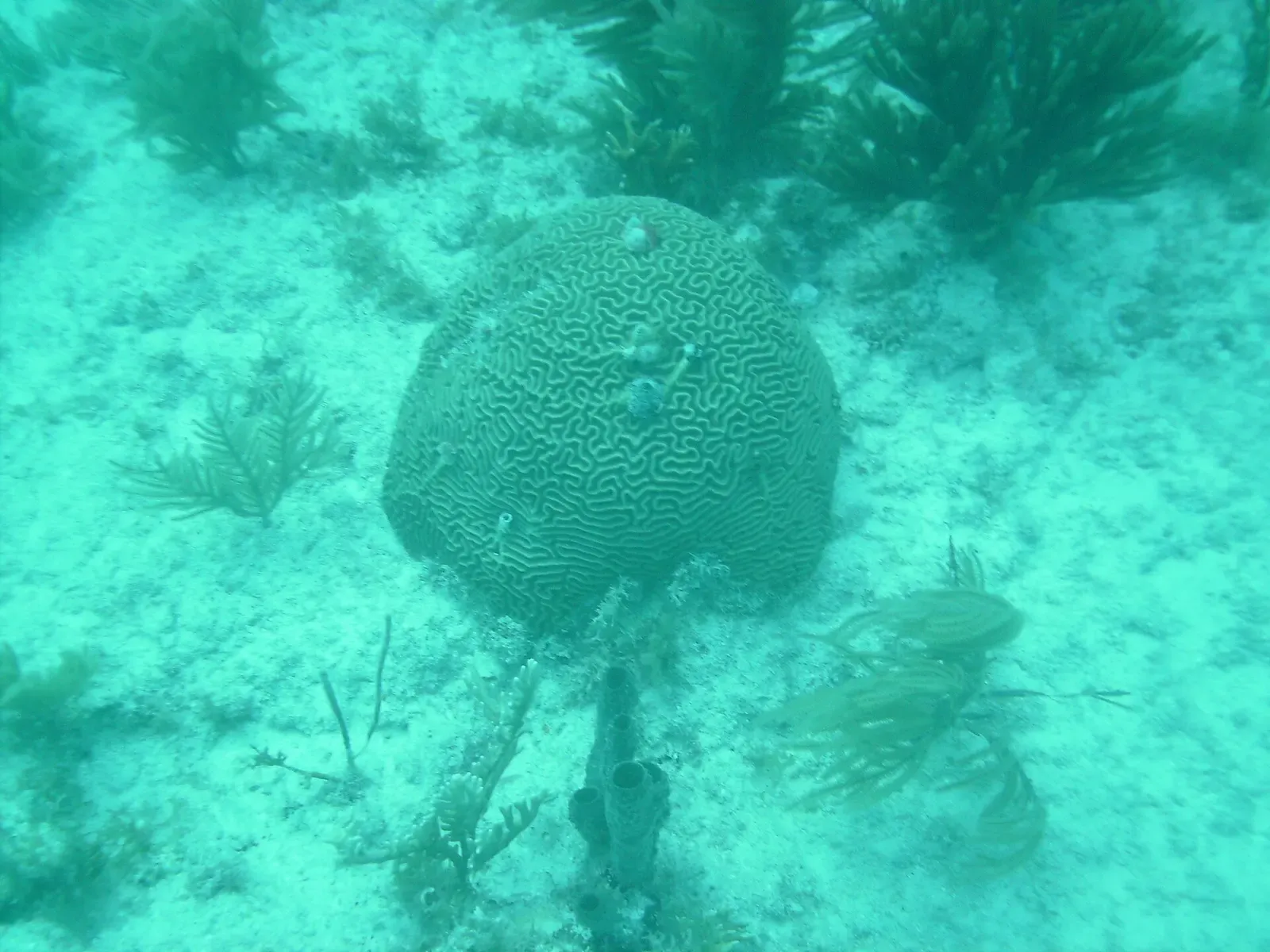
Goliath grouper and turtles on a 5-9 m reef fifteen minutes from town
Reef
Fields of coral drifted to 18 m with goliath grouper and sharks
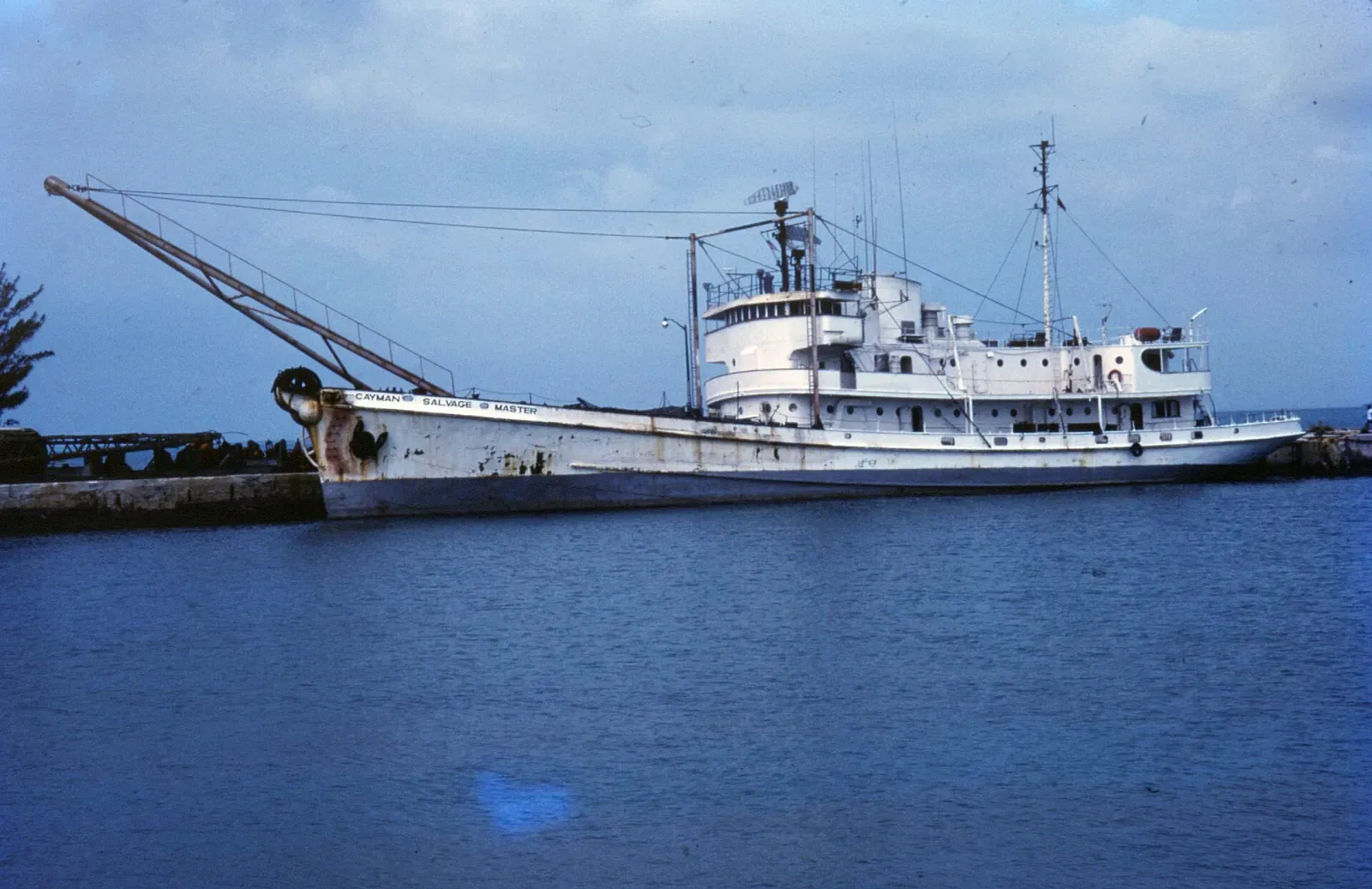
Goliath grouper inside a 56 m hull that sank under tow in 1985, upright at 27 m
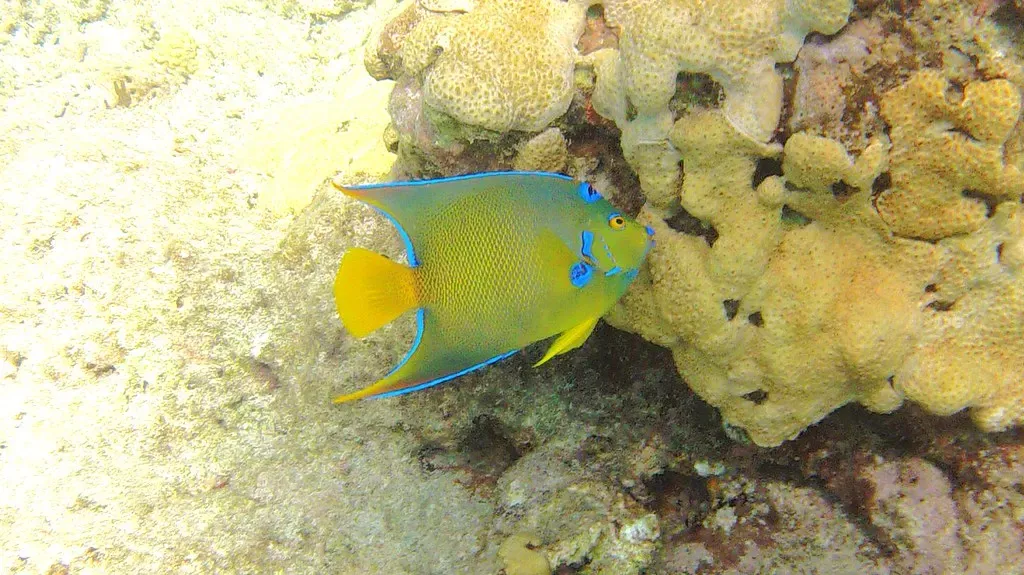
Coral fingers and sand canyons on an SPA reef a mile east of Sand Key light
Swim through needle-shaped coral heads on a spur-and-groove outer reef
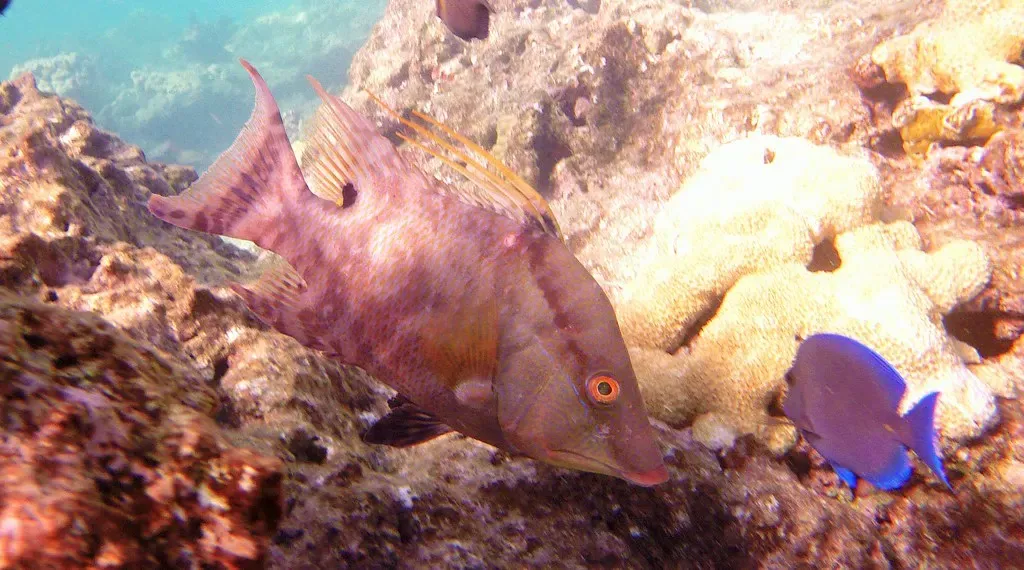
Unusually deep, wide reef crevices that hide grouper and morays
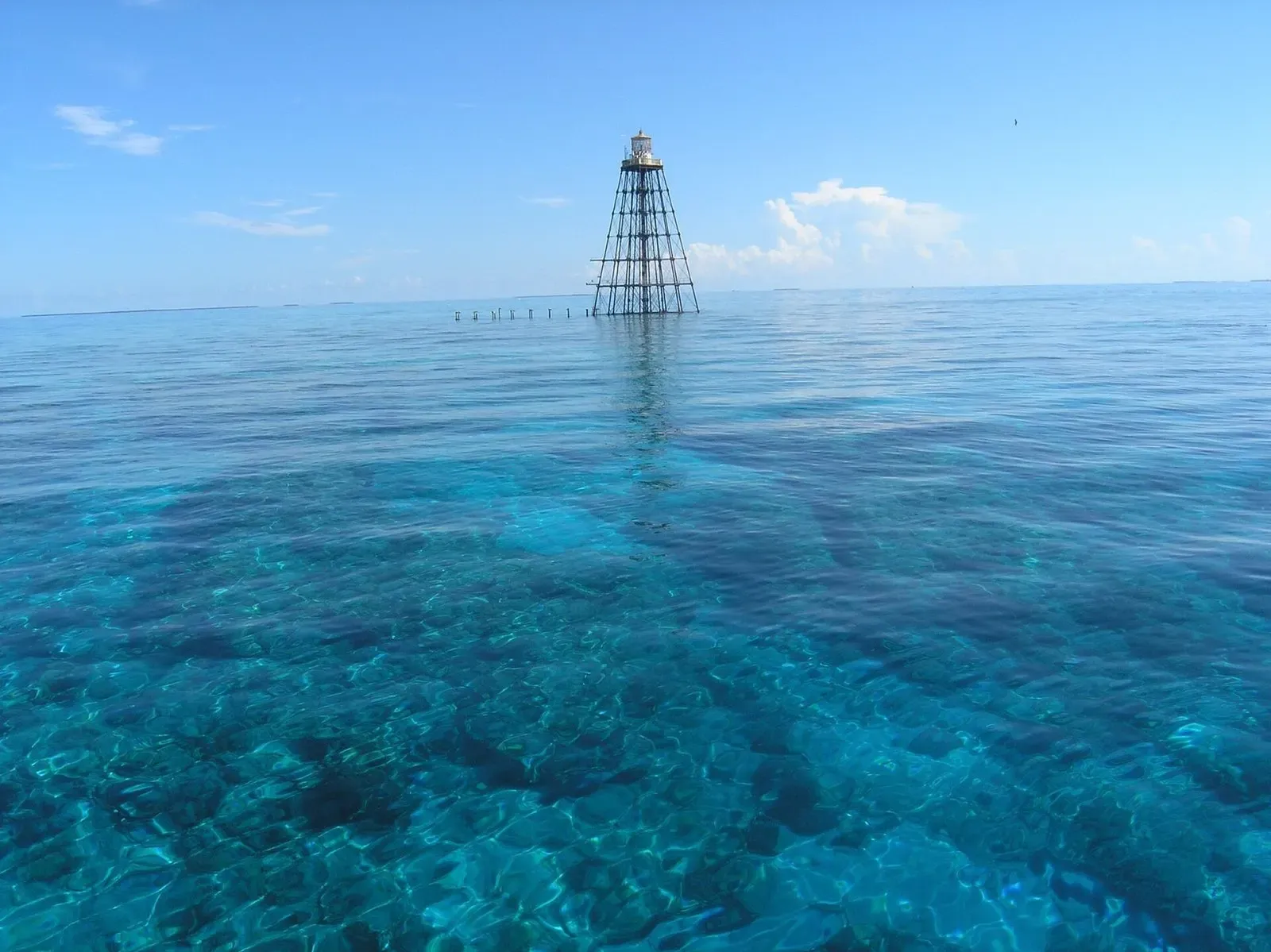
An eroded island's sand patch ringed by shallow reef under Sand Key Light
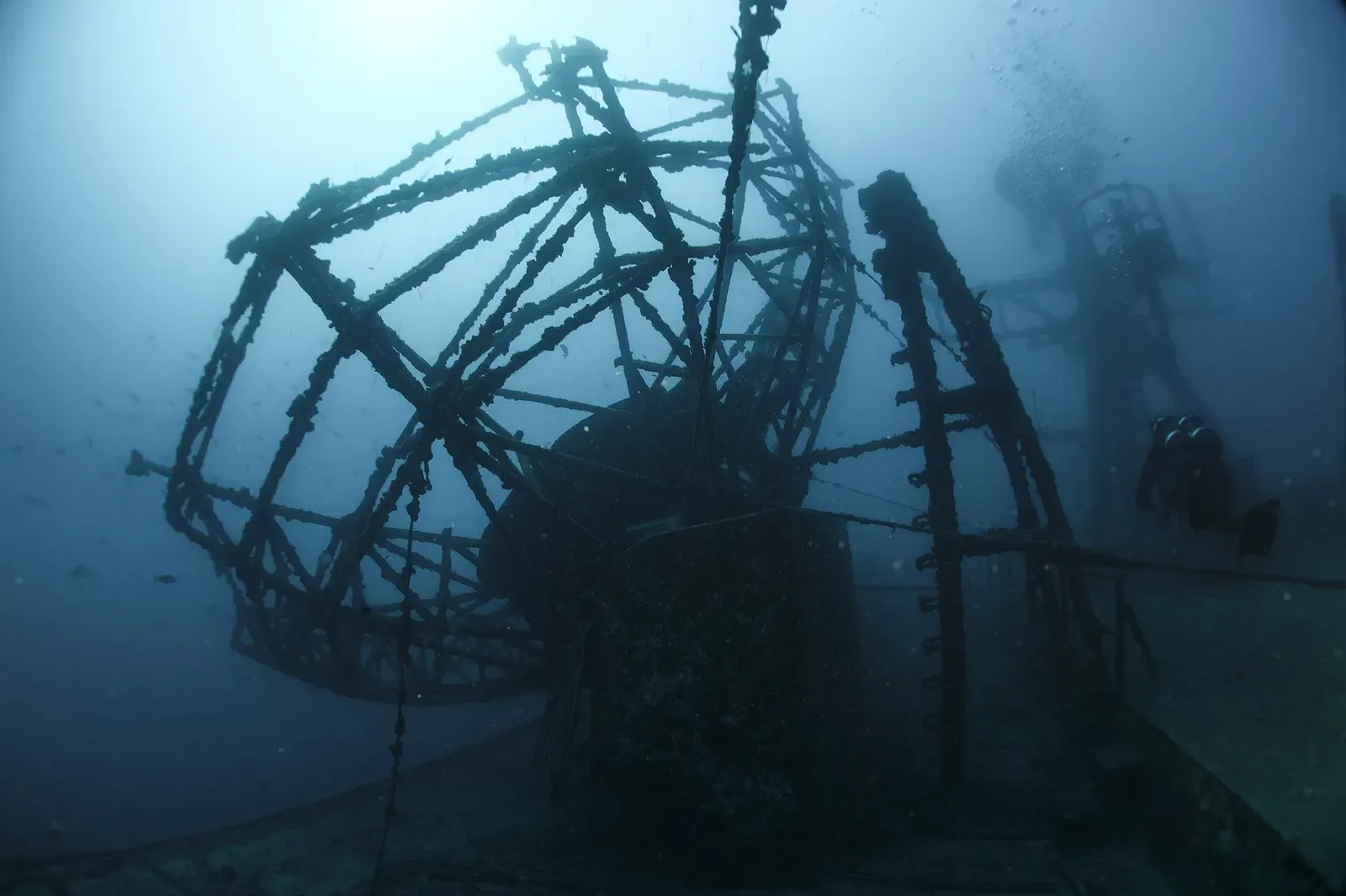
The world's second-largest artificial reef, sunk in 2009
Hundreds of sea fans and unhunted grouper in a fully no-take reserve
Joe's Tug
Tugboat wreck scattered across a reef in 18-21 m on a private mooring; an eel in the stern, yellowtail around the bow.
Getting there
Key West International Airport is on the island, and the Overseas Highway (US-1) runs 210 km down from Miami. Key West Express sails a daily high-speed ferry from Fort Myers Beach and Marco Island into the Key West Bight terminal. Lost Reef Adventures is on Margaret Street by the Bight, with Dive Key West on North Roosevelt Boulevard and Finz on Peninsular Avenue. All diving is by day boat.
Photos from Key West
SNORKELINGDIVES.COM · CC BY 2.0
Photo credits
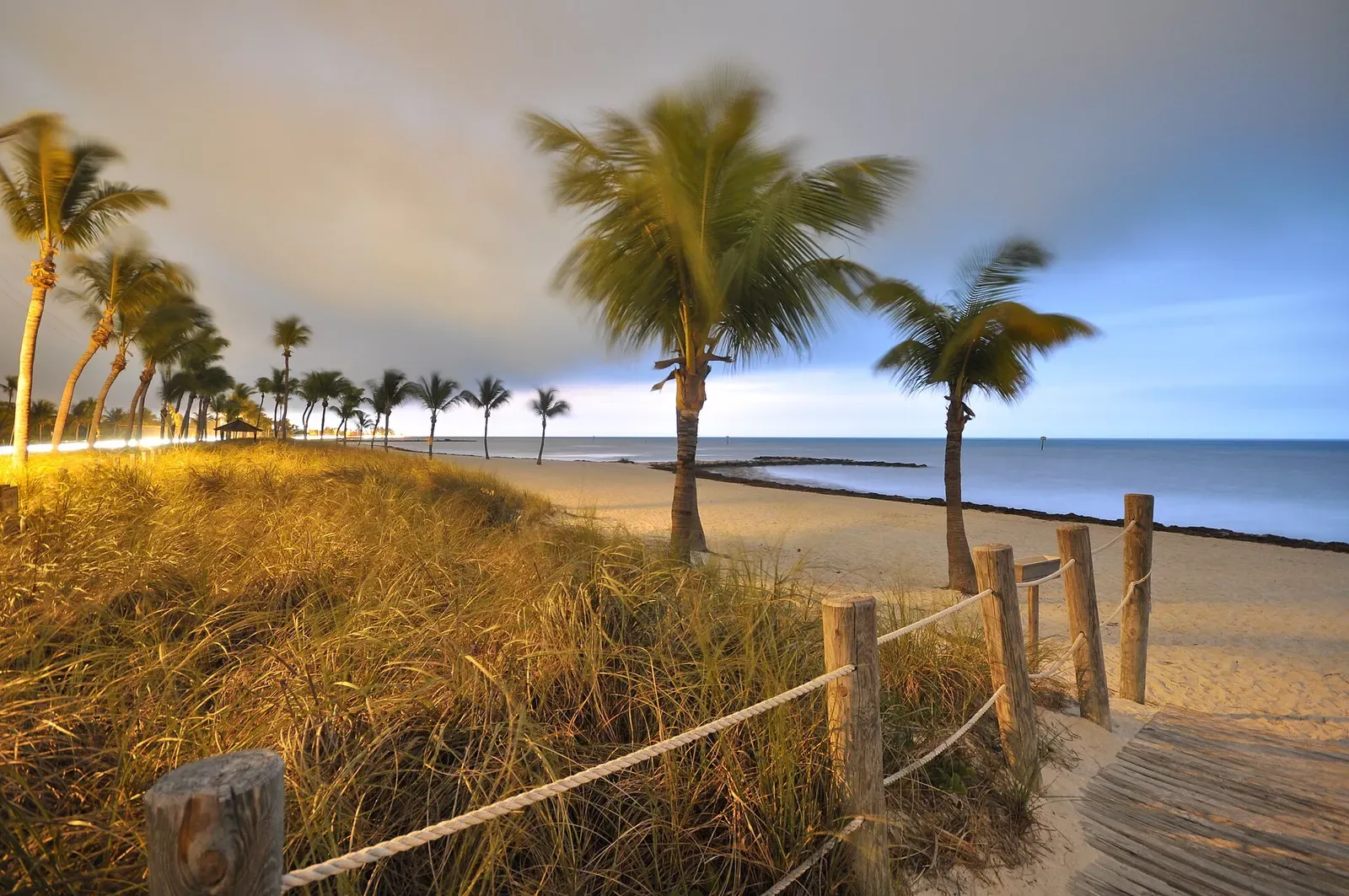
- Dune path with a rope fence and palm trees leading to Smathers Beach at dawn in Key West by Juliancolton, Public domain, via Wikimedia Commons
- Clear turquoise water over a shallow patchy coral reef near the Dry Tortugas off Key West by SNORKELINGDIVES.COM, CC BY 2.0, via Openverse
In The Logbook
- Deep wrecks and where recreational stopsWrecks · 8 min read
- How your dive computer decidesBody & health · 10 min read
- DPV diving: what an underwater scooter changesGear & kit · 10 min read
Similar destinations

Warm shallow reefs and famous wrecks a short boat run from Key Largo and Islamorada

Goliath groupers over 200 kg mass on the wrecks to spawn each August

A recovered coral reef with dense jack schools and seasonal bull sharks.


Healthy coral reef caps 161 km offshore (100 miles), famous for August coral spawning.