Indian Ocean · Mauritius
Mauritius
Sunken wrecks and a guided cavern sit minutes from the Flic en Flac shore
Photo: Diego Delso · CC BY-SA 4.0
Mauritius diving centers on the sheltered, lagoon-fringed west coast around Flic en Flac and Trou aux Biches, where intentionally sunk wrecks such as the Stella Maru and Waterlily sit in the 20-30 m range alongside the Cathedral, a cavern and cave system entered only with a guide; the Djabeda lies further north off Coin de Mire. Outside the lagoon, walls drop into blue water with eagle rays, barracuda, and reef fish schools, and pods of spinner dolphins are a regular sighting in Tamarin Bay. Cyclone season can disrupt diving from January to March.
About diving in Mauritius
Diving here is built around short boat rides. The centres sit on the beach at Flic en Flac, Trou aux Biches and Grand Baie, take a boatload of divers out through a gap in the fringing reef, and are usually on site within minutes rather than half an hour. The pattern is typically a two-tank morning with an optional single dive later, so the day is not swallowed whole — a rhythm that works if you are travelling with people who do not dive.
The island is volcanic and a fringing reef runs almost the whole way around it, so the underwater shape repeats: a lagoon floor of sand and coral heads, a reef edge, then a slope into open water. What changes is which coast you are on. The west and north-west lie in the lee of the south-east trade winds and carry most of the diving, while the exposed east and south get called off more often. Under the coral the rock is old lava, cut into ledges, chimneys and overhangs, and some of the better dives are structure rather than coral.
The wrecks are what the island is known for, and they are approachable ones: hulls sitting upright on sand rather than broken up, with open holds that make a sensible first taste of wreck diving. Most were put down deliberately as artificial reefs and have had decades to grow in, so they now behave like small reefs, holding grouper, moray and clouds of glassfish. The vessels' earlier careers are loosely recorded and the details vary between centres, so treat the backstories you are told as approximate.
It suits divers who want a straightforward resort week rather than an expedition: short crossings, warm water, and no liveaboard to commit to. Mixed groups work, since one trip can drop shallow and deep divers on the same piece of reef. What it is not is a big-animal destination — turtles, eagle rays and barracuda turn up along the drop-offs rather than being the reason you booked, and the spinner dolphins off the west coast are met from the boat on early-morning trips, not on scuba.
Best time to dive Mauritius
| Jan | Feb | Mar | Apr | May | Jun | Jul | Aug | Sep | Oct | Nov | Dec | |
|---|---|---|---|---|---|---|---|---|---|---|---|---|
| Season | Fair | Fair | Good | Prime | Prime | Good | Good | Good | Good | Good | Prime | Good |
| Sea surface | 28°C82°F | 28°C82°F | 28°C82°F | 28°C82°F | 27°C81°F | 25°C77°F | 25°C77°F | 24°C75°F | 24°C75°F | 25°C77°F | 26°C79°F | 27°C81°F |
| Daytime high | 30°C86°F | 30°C86°F | 30°C86°F | 29°C84°F | 28°C82°F | 26°C79°F | 25°C77°F | 25°C77°F | 25°C77°F | 27°C81°F | 28°C82°F | 30°C86°F |
| Rain | 132 mm5.2 in | 102 mm4.0 in | 106 mm4.2 in | 100 mm3.9 in | 47 mm1.9 in | 33 mm1.3 in | 25 mm1.0 in | 26 mm1.0 in | 20 mm0.8 in | 27 mm1.1 in | 37 mm1.5 in | 49 mm1.9 in |
| Jan | Feb | Mar | Apr | May | Jun |
|---|---|---|---|---|---|
| Fair | Fair | Good | Prime | Prime | Good |
| Sea surface | |||||
| 28°C82°F | 28°C82°F | 28°C82°F | 28°C82°F | 27°C81°F | 25°C77°F |
| Daytime high | |||||
| 30°C86°F | 30°C86°F | 30°C86°F | 29°C84°F | 28°C82°F | 26°C79°F |
| Rain | |||||
| 132 mm5.2 in | 102 mm4.0 in | 106 mm4.2 in | 100 mm3.9 in | 47 mm1.9 in | 33 mm1.3 in |
| Jul | Aug | Sep | Oct | Nov | Dec |
|---|---|---|---|---|---|
| Good | Good | Good | Good | Prime | Good |
| Sea surface | |||||
| 25°C77°F | 24°C75°F | 24°C75°F | 25°C77°F | 26°C79°F | 27°C81°F |
| Daytime high | |||||
| 25°C77°F | 25°C77°F | 25°C77°F | 27°C81°F | 28°C82°F | 30°C86°F |
| Rain | |||||
| 25 mm1.0 in | 26 mm1.0 in | 20 mm0.8 in | 27 mm1.1 in | 37 mm1.5 in | 49 mm1.9 in |
2011–2025 averages. Sea surface: NOAA Coral Reef Watch, measured at the surface, so deeper water can run colder. Daytime high and rain: NASA POWER.
Cyclone season (Jan-Mar) can disrupt trips and cloud visibility; the trade-wind months of Apr-Nov give steadier, clearer conditions.
Best months: April, May, November
Mauritius water temperature and weather by month
The sea surface runs from 24 °C (75 °F) in August to 28 °C (82 °F) in February. Most rain falls from January to April, peaking at about 130 mm (5.1 in) in January; it stays largely dry from June to October. Daytime highs reach 30 °C (86 °F) in January and drop to 25 °C (77 °F) in July. The coldest water here is about 22 °C (72 °F), so pack a 5 mm suit.
Dive types & marine life
Grouper, octopus and cuttlefish hold on the wrecks year-round, with barracuda and jack schools off the reef edge. Turtles and eagle rays work the drop-offs and are easiest to find in the steadier trade-wind months of April to November. Nudibranchs and reef-fish shoals reward slow shallow dives in any month, including the cyclone-prone January-to-March stretch, when visibility drops.
- Wreck
- Wall
- Cave & cavern
- Reef
- Drift
- Sea turtles
- Dolphins
- Eagle rays
- Groupers
- Trevally & jacks
- Barracuda
- Nudibranchs
- Reef fish swarms
- Octopus & cuttlefish
Best dive sites in Mauritius
Reef
Shallow coral and a multitude of small reef fish
Wall
Steep walls and rock formations at about 34 m
Drift
A drift run deep to 26 m or shallow to 20 m
Cave & cavern
A guided cavern in the reef off Flic en Flac
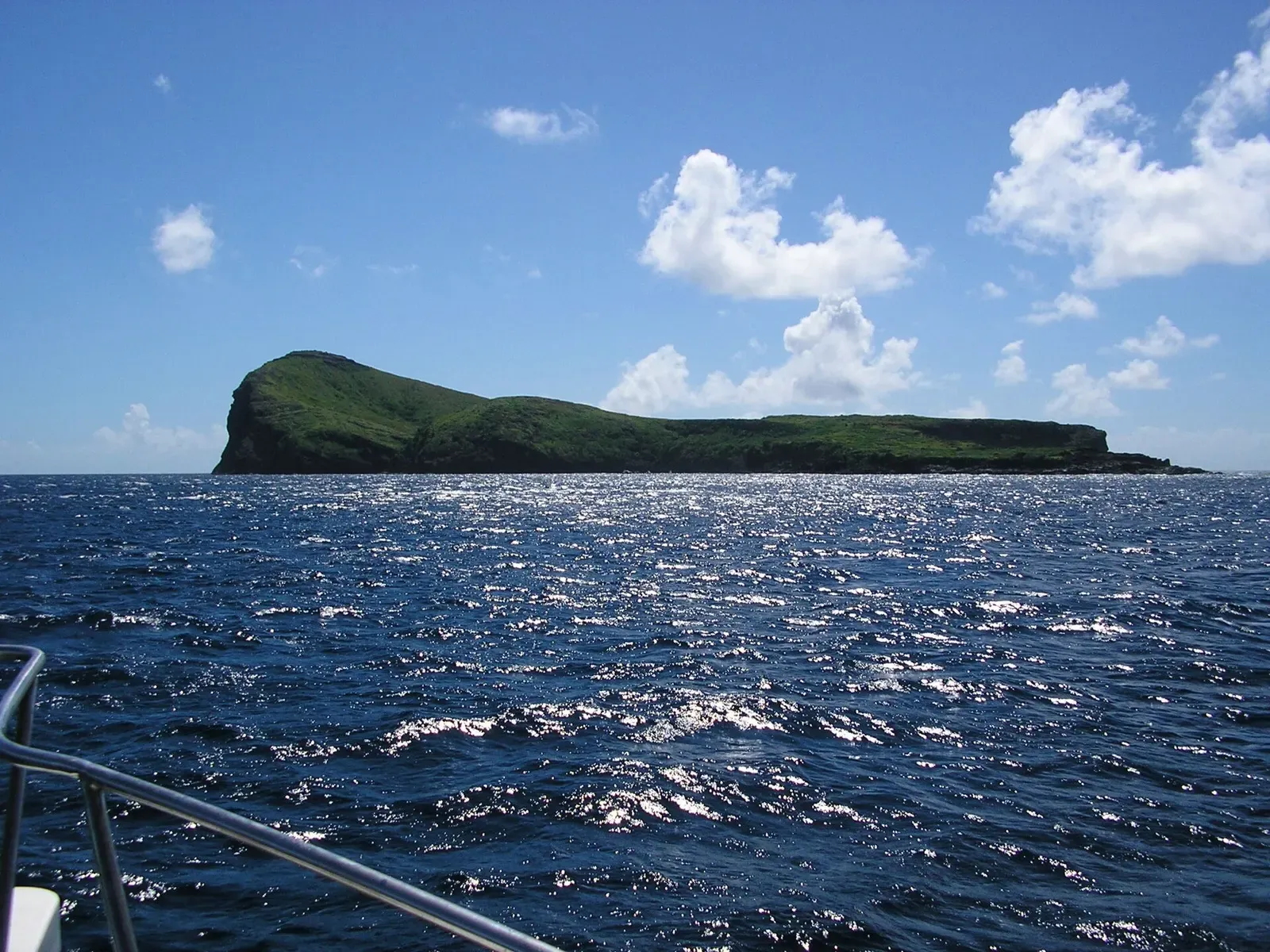
A 44 m fishing boat on sand at 30 m by Coin de Mire
Wreck
A fishing boat sunk for diving at 35 m, a reef since the 1980s
Wreck
A wreck sunk as an artificial reef at 43 m, rarely dived
Reef
A small rock outcrop on sand, 16 m at its deepest
Reef
The shallow part of L'Eveille, 5 to 19 m
Reef
A compact reef at about 43 m, minutes from the port
Artificial reef
One of Mauritius's best-regarded wrecks, in 25 m
Reef
Two pieces of reef split by a sand bank, 17 m deep
Wall
A 14 to 25 m drop-off, and a drift when the current runs
Wreck
The coast's newest wreck, scuttled in 2015 at 45 m
Wreck
A Port Louis harbour tug in 19 m of water
Waterlily
Flic en Flac wreck paired with the nearby Emily, both sunk as artificial reefs
How to get to Mauritius
Everyone arrives through Sir Seewoosagur Ramgoolam International in the south-east and drives across to the leeward coast. Flic en Flac, Tamarin and Trou aux Biches are the usual bases, with centres on the beach running day boats; a few sites can be entered from shore, and there are no liveaboards working the island.
Photos from Mauritius
Christopher Brown · CC0
dronepicr · CC BY 2.0
Diego Delso · CC BY-SA 4.0
Diego Delso · CC BY-SA 4.0
prilfish · CC BY 2.0
prilfish · CC BY 2.0
Dive videos
Diving MAURITIUS - Underwater Video 4K - BLUE PARADISES (S02) · Fly&Dive on YouTube
Photo credits
- Aerial view of Le Morne peninsula and the underwater waterfall optical illusion off Mauritius's southwest coast by Christopher Brown, CC0, via Wikimedia Commons
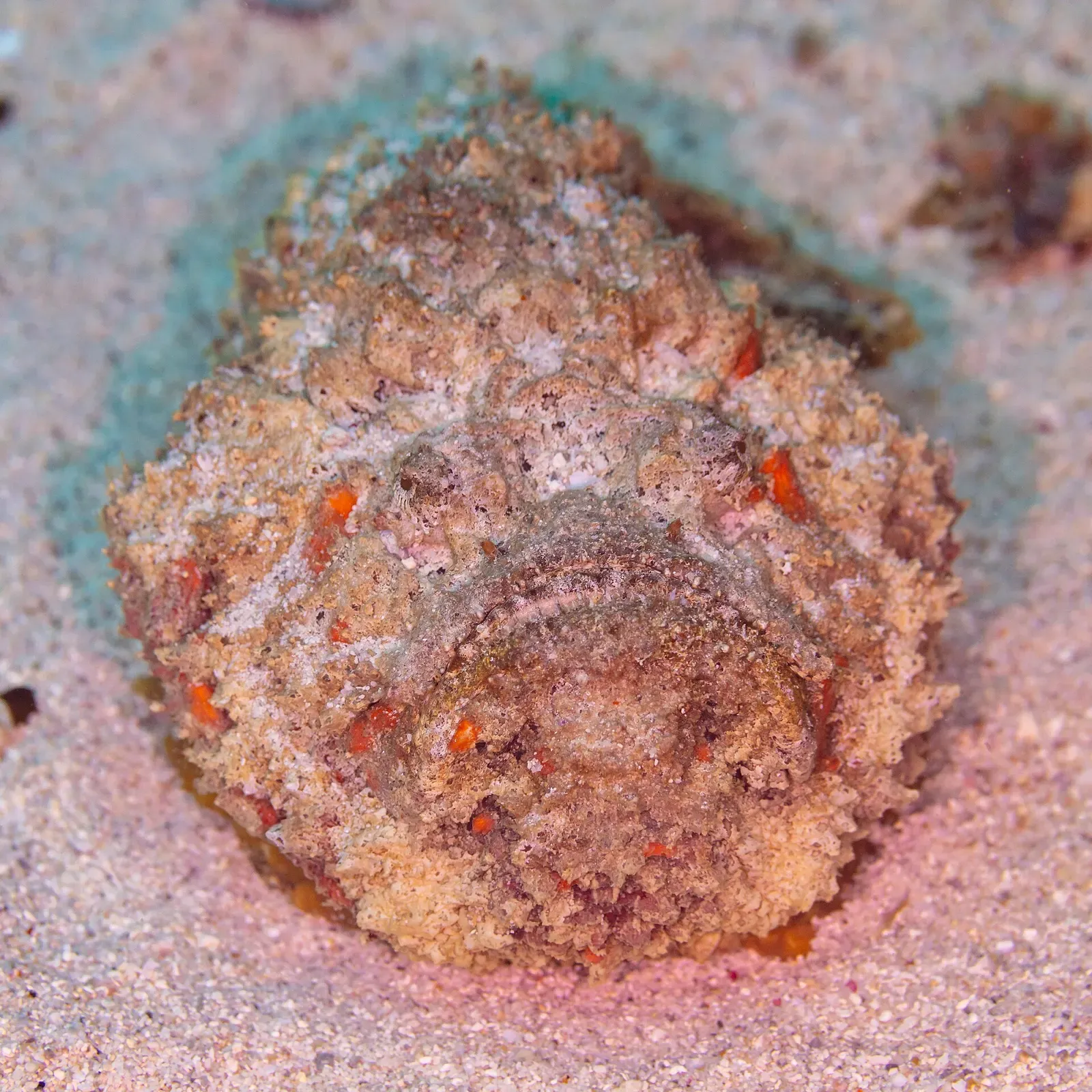
- A camouflaged reef stonefish resting on the sandy seabed off Mauritius by Diego Delso, CC BY-SA 4.0, via Wikimedia Commons
- Aerial view of a diving platform floating over the coral reef near Trou aux Biches, Mauritius by dronepicr, CC BY 2.0, via Wikimedia Commons
- A hermit crab shelters beside soft coral polyps on a reef in Mauritius by Diego Delso, CC BY-SA 4.0, via Wikimedia Commons
- Close-up of a disc coral colony with small yellow-green polyps on a Mauritius reef by Diego Delso, CC BY-SA 4.0, via Wikimedia Commons
- A giant moray eel with a spotted brown head and open eye, close up against blue water off Pereybere, Mauritius by prilfish, CC BY 2.0, via Flickr
- A pink leaf scorpionfish resting against brain coral on a reef off Pereybere, Mauritius by prilfish, CC BY 2.0, via Flickr
Embed
Run a dive centre, club or blog? Embed this map of 12 dive sites near Mauritius on your own page.
Similar destinations
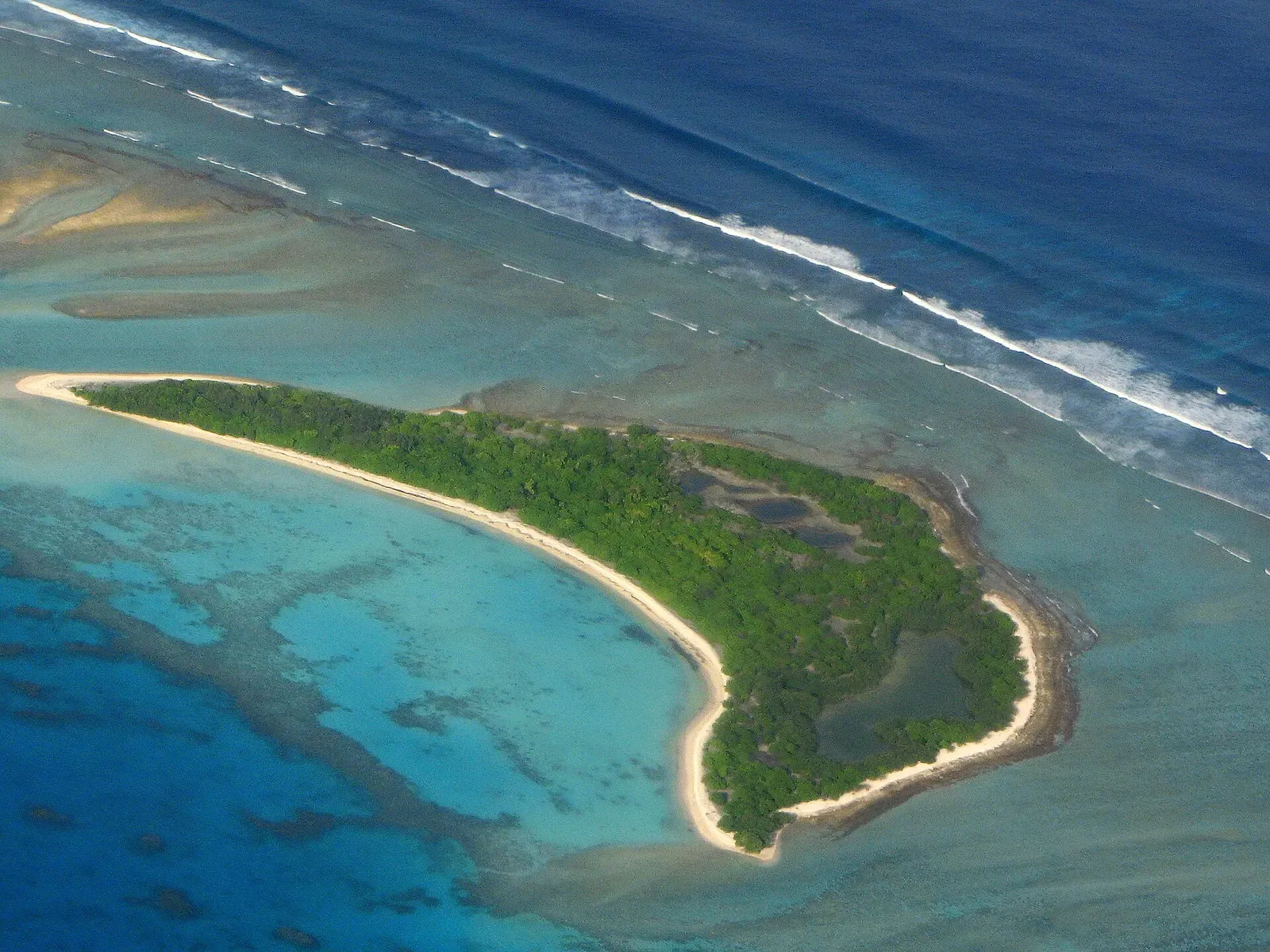
A manta cleaning station dived all year and a wartime tanker on her side at 33 m
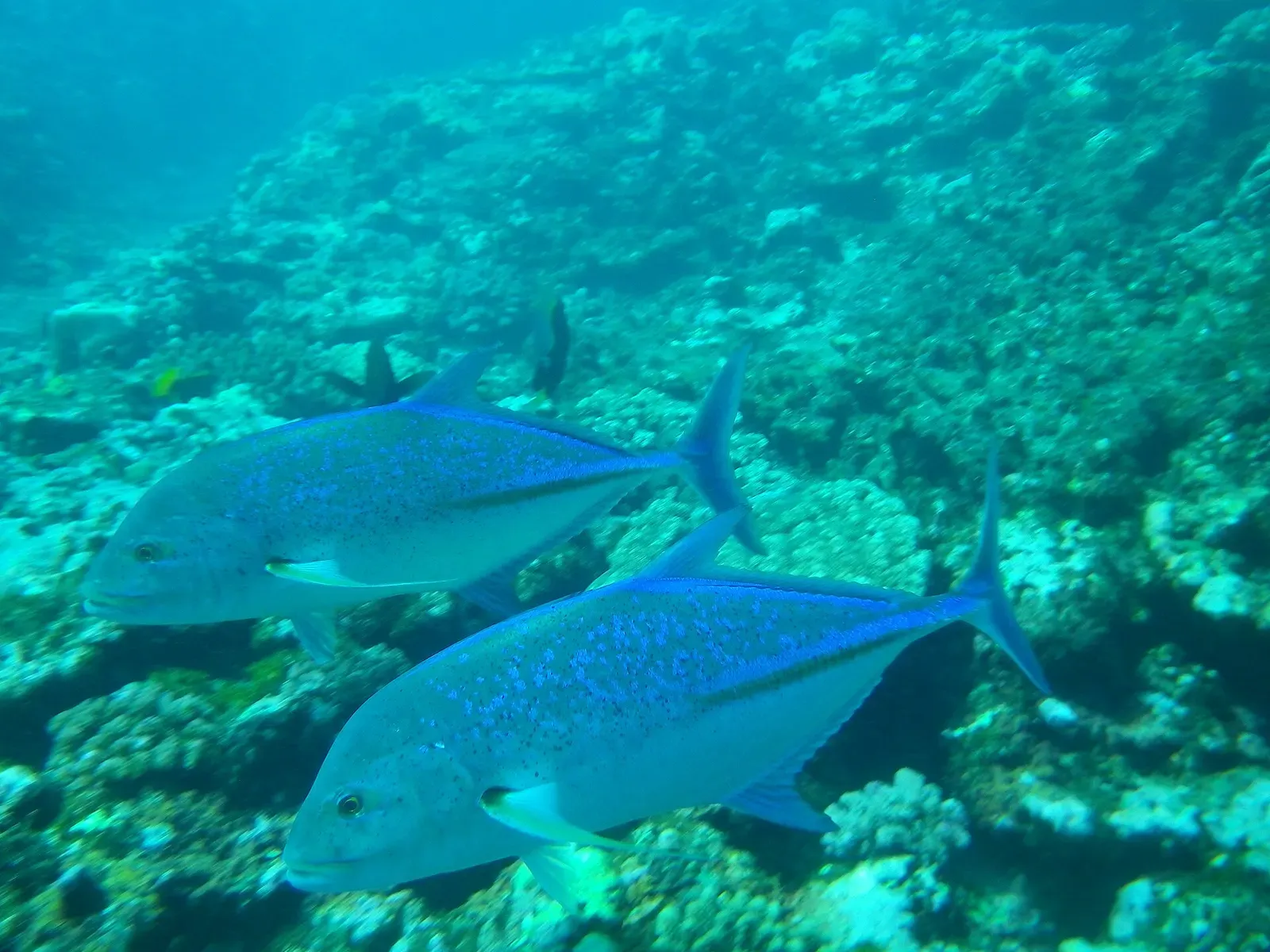
A recovering fringing reef and two easy wrecks on the sheltered west coast

,_Mauricio,_2025-09-24,_DD_30.jpg)

.jpg)
,_Mauricio,_2025-09-23,_DD_152.jpg)
,_Mauricio,_2025-09-23,_DD_146.jpg)
A lagoon twice the island's size, with passes that flush it twice a day
Indian Ocean
Seychelles — Inner Islands
Seychelles
Granite boulders stack into swim-throughs found nowhere else in the ocean