Mount Gambier · Australia · Freshwater · Cave & cavern
Kilsby Sinkhole
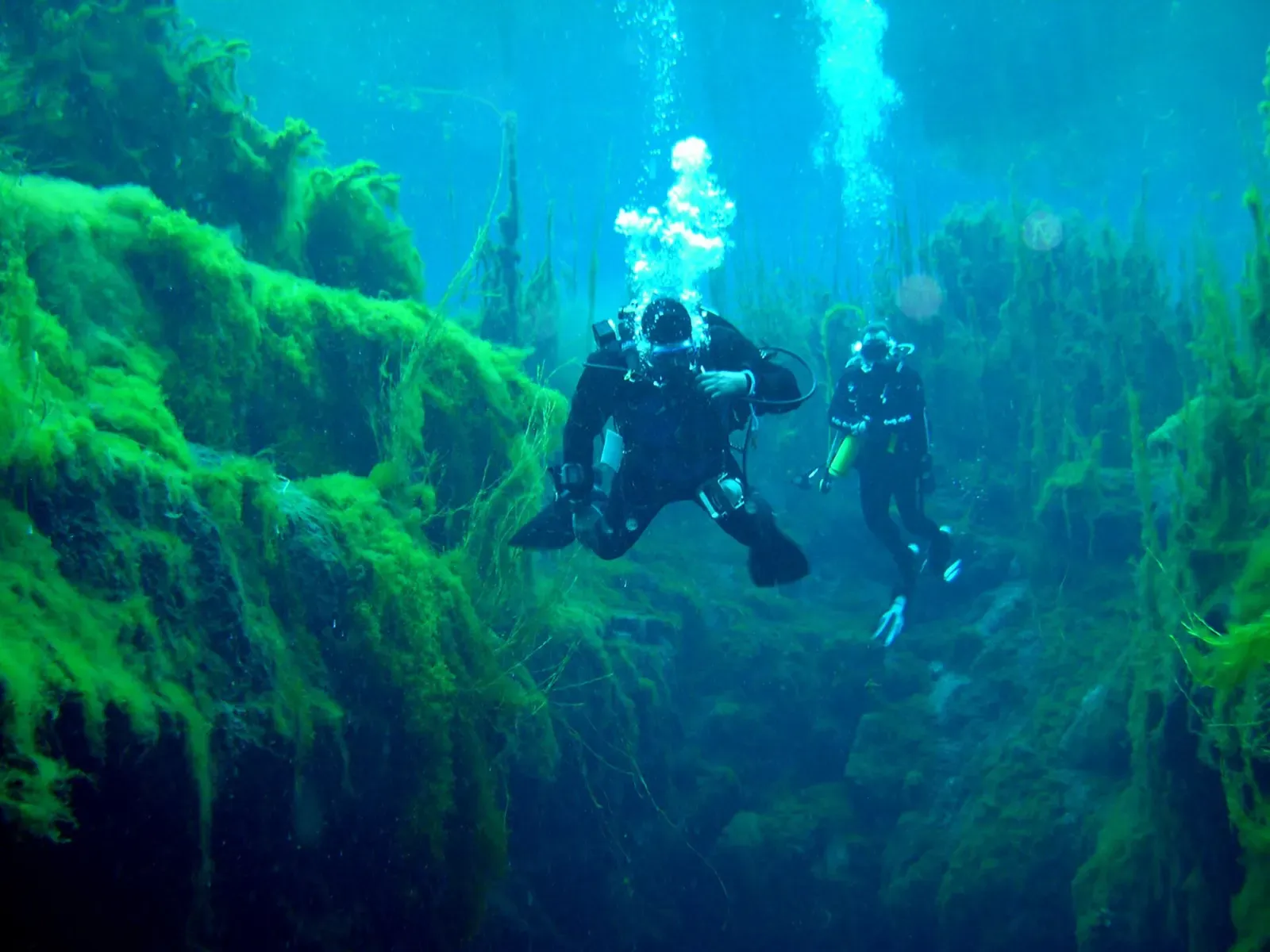
Farmland sinkhole diving to 40 m in water that runs 30 to 60 m of visibility
Area photo: Mark Whatmough · CC BY 2.0
A sinkhole on a working sheep farm at Moorak, dived since the late 1950s and now reached through a pre-booked tour rather than a dive shop. Approved operators guide Open Water divers to 20 m and Advanced Open Water divers to 40 m over water that runs 30 to 60 m of visibility at a constant 14 to 17 °C; the shaft itself continues past 60 m into cave passages that need a CDAA Basic Cave rating to enter independently.
Also known as Kilsby Hole.
Where it is and how deep
37.8924° S, 140.6763° EPublished position for this site.
The dive
Entry is down a series of steps and a ladder cut into the northern rim, into water that has been described as fresh and colourless, with none of the tannin or algal bloom that colours many sinkholes. Vertical limestone walls run down on every side, and on a clear day light drops straight down the shaft far enough to pick out a submerged platform, locally called the viewing rock, well below the surface.
Recreational limits are set by certification rather than by the site: operators guide Open Water divers to 20 m and Advanced Open Water divers to 40 m, and a 7 mm suit is the usual minimum for comfort in water that holds a near-constant 14 to 17 °C all year. Visibility on an average day runs 30 to 40 m and can reach 60 m, clear enough that judging your own depth from the walls alone becomes genuinely difficult.
Below the guided recreational range the shaft keeps going, into overhead cave sections that continue past 60 m and connect to the broader regional groundwater system. That deeper cave diving is CDAA territory: independent access requires current CDAA membership and a Basic Cave rating, the same category the association lists for Piccaninnie Ponds. Kilsby is also used for South Australian Police diver training and is popular with freedivers taking advantage of the same clarity and constant temperature.
Background
The sinkhole has sat on Kilsby family farmland since the late 19th century and was first dived recreationally in the late 1950s, making it one of the earliest sinkholes worked in the Mount Gambier region. Two inexperienced divers died here in 1969, after which the Australian Department of Defence held an exclusive lease until at least 1983, using the site in the 1970s to test the classified Barra Sonobuoy submarine-detection buoy; South Australian Police divers have trained here since the early 1980s.
Marine life and season
- Freshwater fish
| Jan | Feb | Mar | Apr | May | Jun | Jul | Aug | Sep | Oct | Nov | Dec |
|---|---|---|---|---|---|---|---|---|---|---|---|
| Good | Good | Good | Good | Prime | Prime | Prime | Prime | Fair | Fair | Fair | Good |
Season follows Mount Gambier: Every site is spring- or aquifer-fed, so temperature holds steady all year; the one fixed closure is Ewens Ponds from 1 September to 30 November, and winter is reported as Kilsby's clearest water.
Know before you go
- Two divers died here in 1969 and a third became fatally entangled in a cable at 37 m in 2010; the cave sections below the guided depth are unforgiving of poor line or gas discipline.
- Extreme clarity makes it easy to lose depth perspective; check your gauge rather than judging depth by the walls.
- Overhead cave sections beyond the main shaft require CDAA cave-diving certification and are not for recreational Open Water or Advanced Open Water divers.
Questions divers ask
How deep is Kilsby Sinkhole?+
Guided recreational diving runs 6 to 40 m depending on certification, but the shaft itself continues into cave passages well past 60 m, which are only open to CDAA cave divers, not recreational visitors.
Do I need CDAA membership to dive Kilsby?+
Not for the guided recreational range: approved commercial operators take Open Water divers to 20 m and Advanced Open Water divers to 40 m. Diving the overhead cave sections independently requires CDAA membership and a Basic Cave rating.
How clear is the water at Kilsby?+
Typically 30 to 40 m, reaching 60 m on the best days, in water held at a near-constant 14 to 17 °C by the underground aquifer feeding it.
Sources
- Kilsby sinkhole — Wikipedia
- Kilsby Sinkhole — Kilsby Sinkhole
- Kilsby Sinkhole — Mt Gambier, SA Dive Site — Scuba Down Under
- Dive Sites — Cave Divers Association of Australia
In The Logbook
- Buoyancy and weighting, worked outGear & kit · 8 min read
- Why the sea is blue, and your photos greyOcean science · 7 min read
- Freshwater diving: lakes, springs and quarriesFreshwater · 15 min read
More dive sites in Mount Gambier
Cave & cavern
A flooded cave running under the streets of Mount Gambier
Freshwater
Drift through three linked limestone ponds on an Open Water certificate alone
Freshwater
A roadside sinkhole in 30-million-year-old limestone
Freshwater
The area's cave-training sinkhole, CDAA-rated Basic Cave
Freshwater
A 50 m cenote starting at 25 m, with a 1966 car resting on its silty floor
Freshwater
A limestone chasm over 100 m deep, reached through a Ramsar wetland pond
Freshwater
A metre-wide hole in a paddock over a 140 m chamber
Similar dives elsewhere
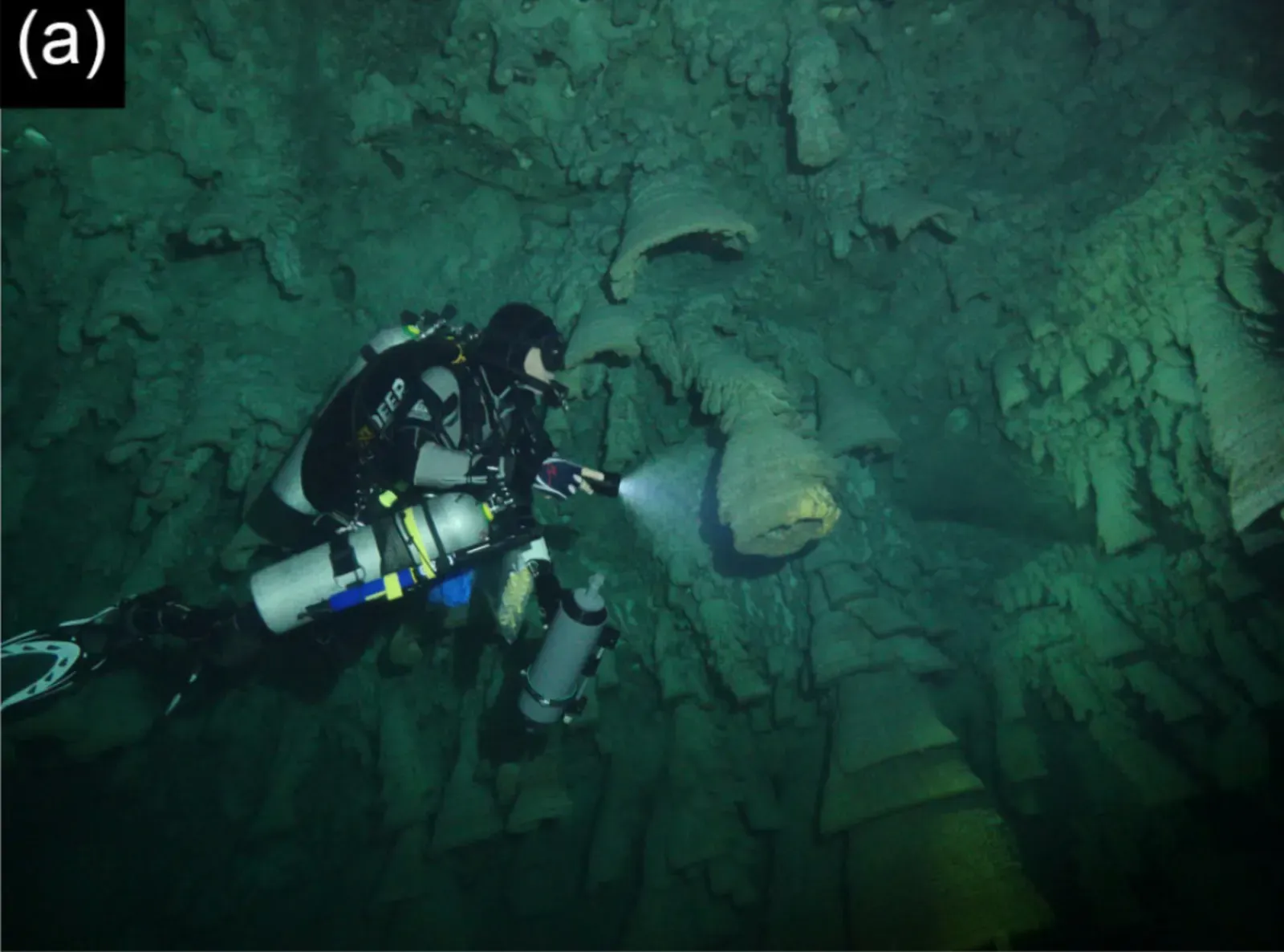
Carbonate bells up to 2 m long hanging at 30 m
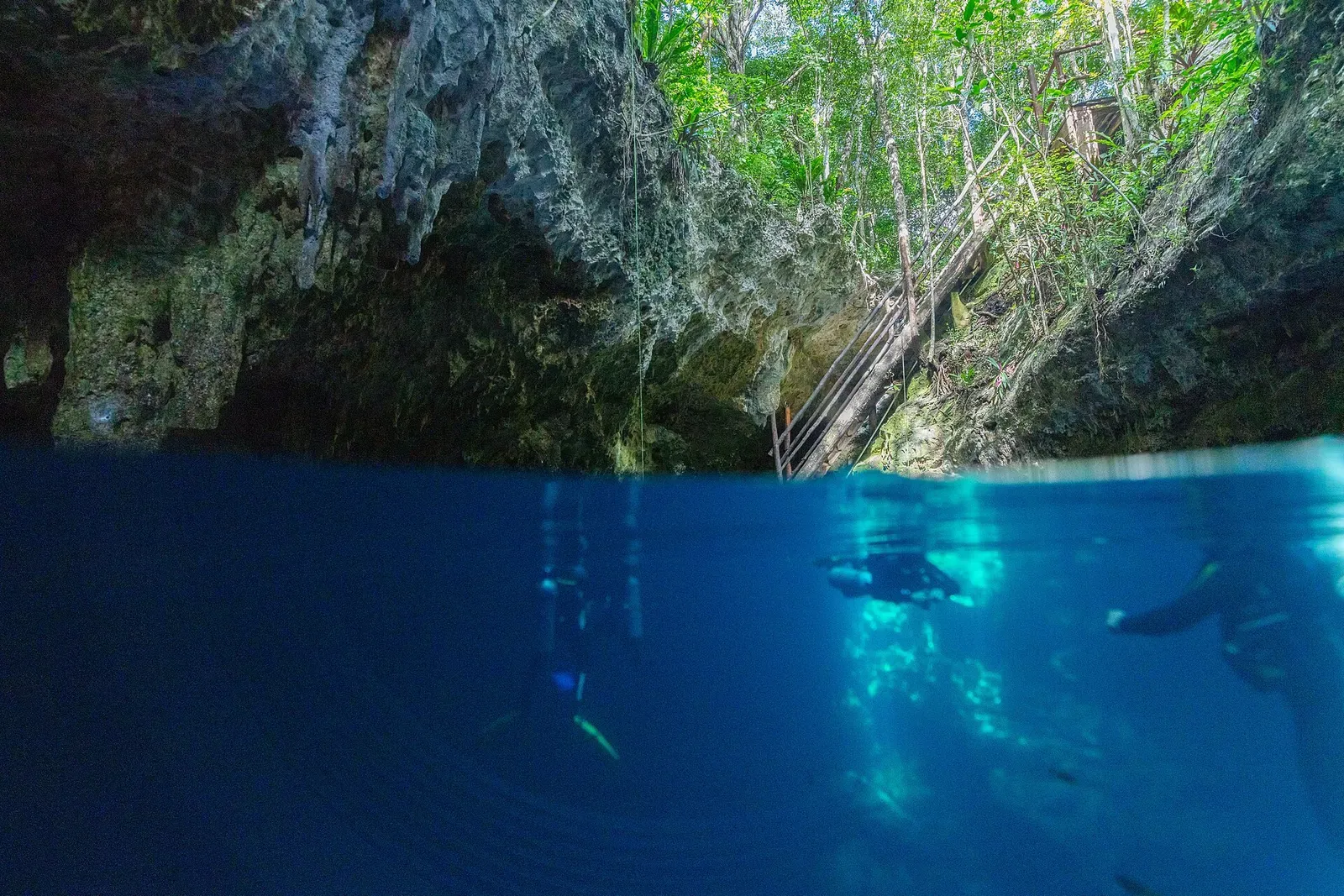
Tree branches standing out of a sulphide cloud at 30 m
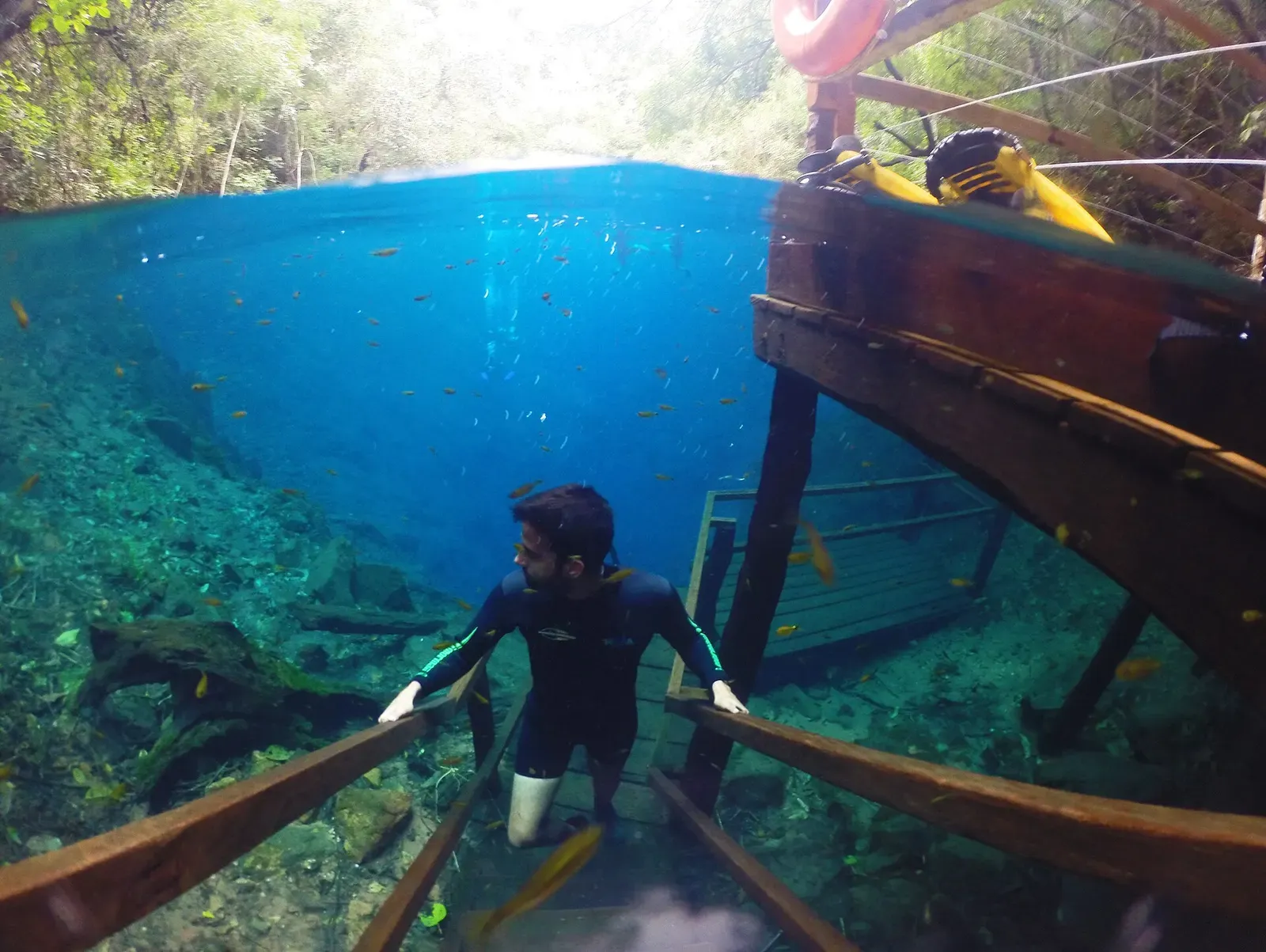
A sinkhole dived to 220 m without anyone finding the bottom


Boulder swim-throughs under a 100 m cliff, from 6 m to 35 m