
St. Croix · U.S. Virgin Islands · Wall · Reef
Cane Bay Wall
Sand chutes lead from beachside coral gardens to the wall
Area photo: NOAA Photo Library · CC BY 2.0
Cane Bay Wall combines a beach entry with a drop-off reached through coral gardens and sand chutes. Sheer faces alternate with gentler slopes along a wall with reef fish, rays and turtles, while small creatures occur in the shallows.
Also known as Cane Bay Drop Off, The Wall.
Where it is and how deep
17.7735° N, 64.8107° WApproximate position — the dashed circle shows where the site lies; your operator's briefing has the mooring.
The dive
The shore approach starts at the sandy area in front of the Cane Bay Beach boat ramp. The white mooring buoy stands directly in front of the beach sign; descent there leads into sand chutes running out to the drop-off.
The northward swim passes between gardens of hard and soft corals. The wall begins at about 12 m (40 ft), with vertical sections and sloping ground extending beyond 975 m (3,200 ft). Tree-shaped restoration structures may hold fragments of elkhorn or staghorn coral growing for later planting on the reef.
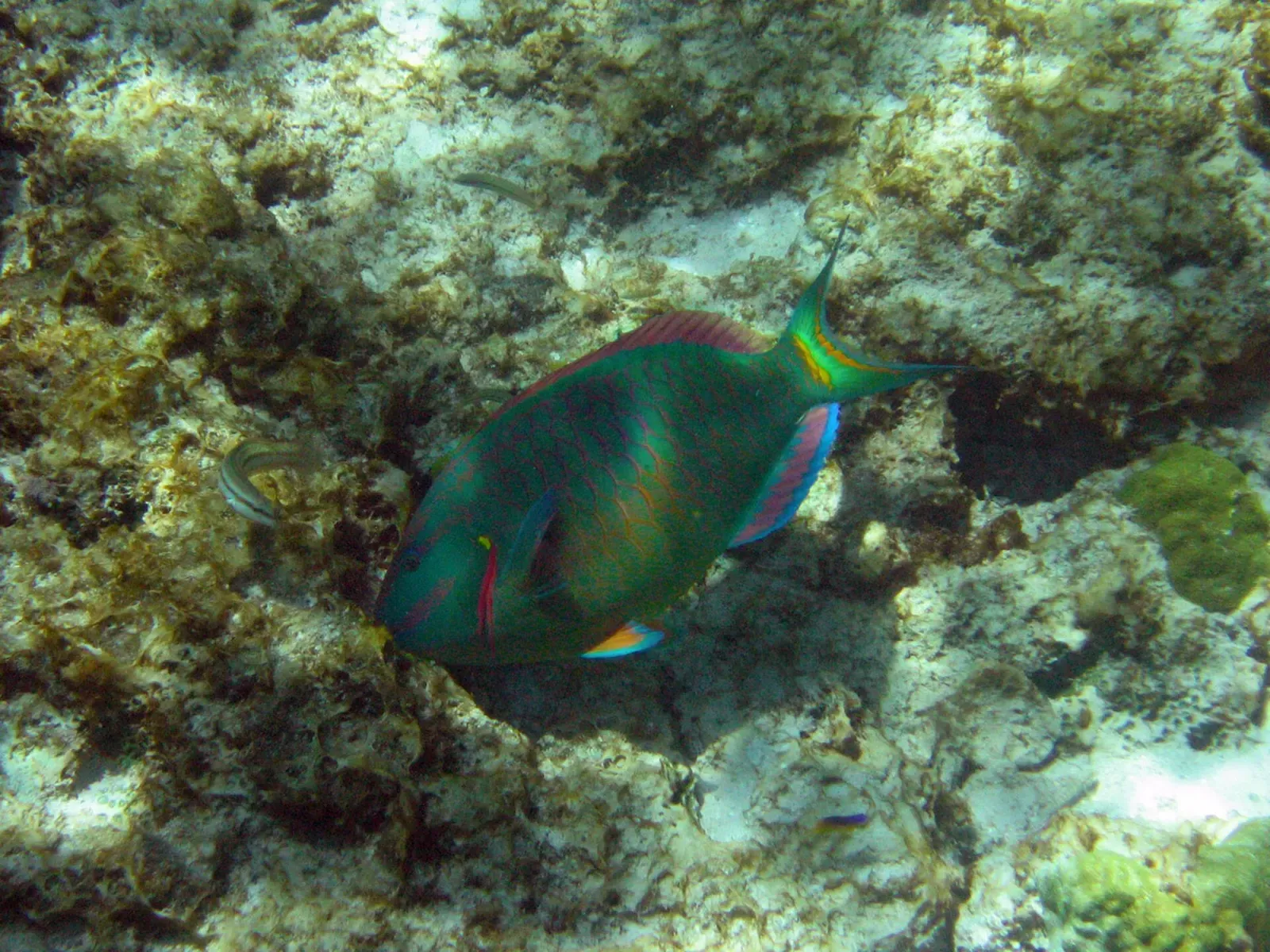
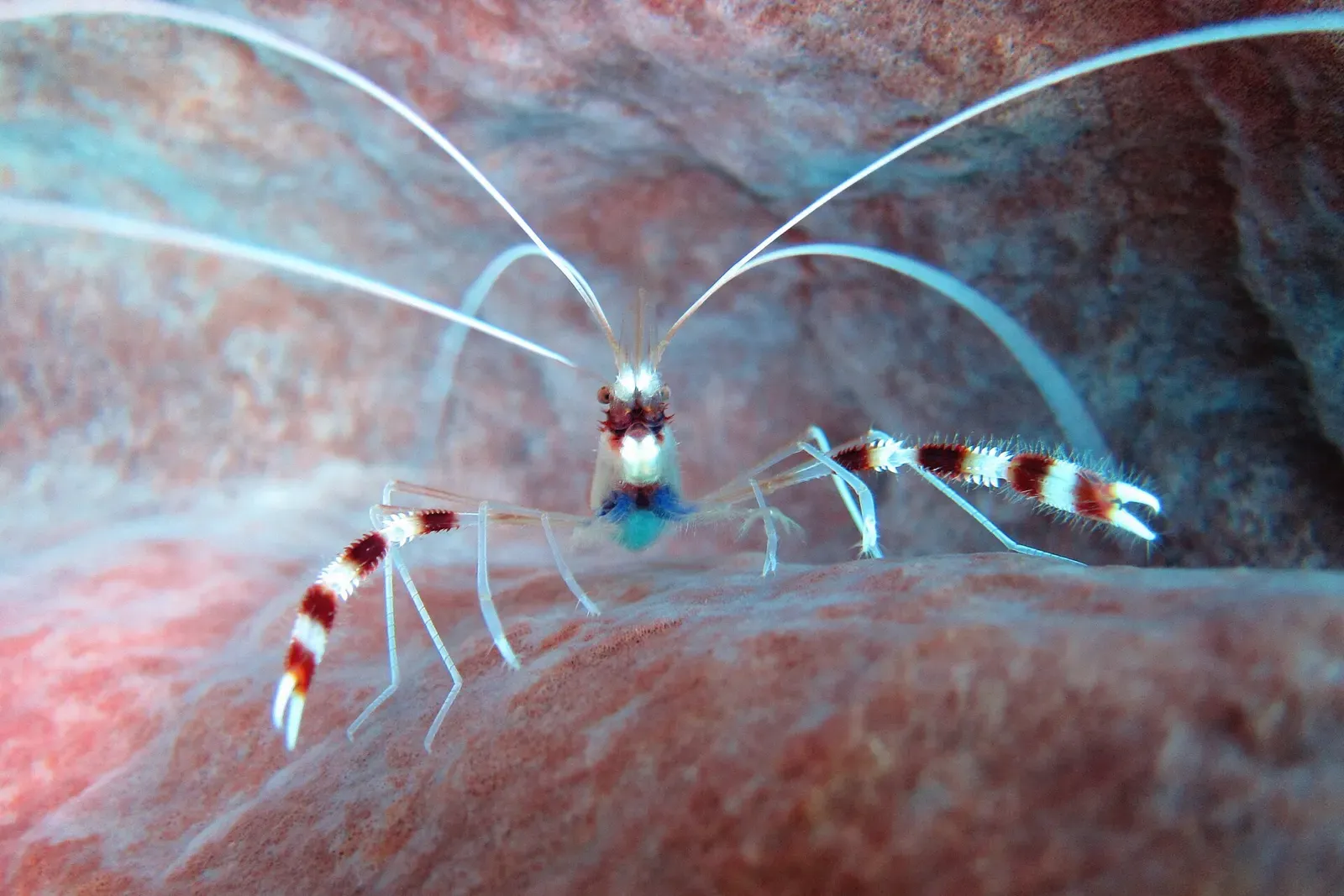
Reef sharks, stingrays, sea turtles and barracuda share the wall with schools of triggerfish, parrotfish, angelfish, trumpetfish and blue tangs. The shallower part holds flamingo tongues, banded shrimp and nudibranchs, with an occasional octopus. Large deep-water animals can also appear along the wall. Visibility varies from about 6–18 m (20–60 ft) with the season and rainfall runoff.
Background
Nineteenth-century anchors remain along Cane Bay Wall. The wall includes both sheer drops and sloping sections, with coral growth and large deep-water animals along its edge. Sand chutes and living coral gardens form the approach from the beach.
Marine life and season
- Reef sharks
- Stingrays
- Sea turtles
- Barracuda
- Reef fish swarms
- Macro critters
- Nudibranchs
- Octopus & cuttlefish
| Jan | Feb | Mar | Apr | May | Jun | Jul | Aug | Sep | Oct | Nov | Dec |
|---|---|---|---|---|---|---|---|---|---|---|---|
| Prime | Prime | Prime | Prime | Prime | Good | Good | Fair | Fair | Fair | Good | Prime |
Season follows St. Croix: Nov–Jun is calmest and clearest; Aug–Oct is hurricane season, though the pier and shore walls stay divable in most weather.
Know before you go
- Surge and surface swell can affect the shallow swim out to the buoy.
Dive videos
Diving the Wall at Cane Bay, St Croix, USVI · Alan Smith’s Travels on YouTube
Cane Bay Wall · tkuhbander on YouTube
Questions divers ask
Can Cane Bay Wall be reached from shore?+
Yes. The shore approach starts in the sand in front of the beach boat ramp and heads to the white buoy opposite the beach sign. Dive-boat access is also possible.
What does the Cane Bay descent lead to?+
The buoy sits in about 8 m (26 ft). Sand chutes lead from the descent to a wall starting around 12 m (40 ft), beyond which the seabed drops far below recreational depths.
What affects visibility at Cane Bay Wall?+
Visibility ranges from about 6–18 m (20–60 ft), varying with the time of year and rainfall runoff. Surge and surface swell can affect the shallow approach.
What small animals occur at Cane Bay Wall?+
Flamingo tongues, banded shrimp and nudibranchs occur in the shallower part of the dive, with occasional octopus.
Sources
- Cane Bay Wall Dive Site — GoToStCroix.com
- Cane Bay coastline (OpenStreetMap) — OpenStreetMap contributors
In The Logbook
- St. Croix shore diving from pier to wallShore diving · 5 min read
- The best wall dives in the worldWalls & drop-offs · 11 min read
- What is surge in diving, and how deep it goesOcean science · 8 min read
- Cheapest places to scuba dive, and the catchTrip planning · 15 min read
- The best shore dives in the worldShore diving · 8 min read
More dive sites in St. Croix
Haystack elkhorn formations at designated scuba moorings
Wreck
Butler Bay Wrecks
A tug, a trawler and an oil barge share the bay
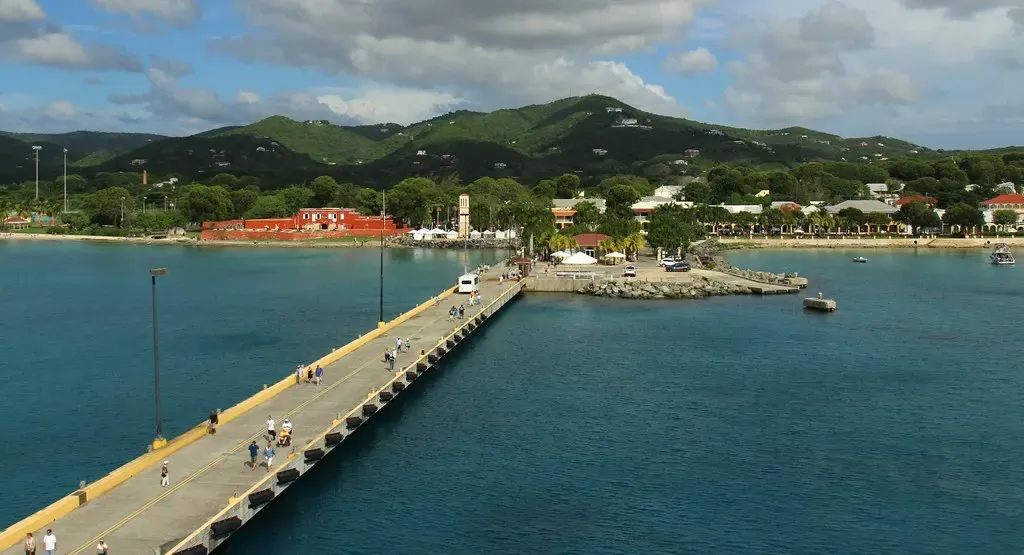
Seahorses, batfish and frogfish beneath a working pier
Wall
Salt River Canyon
Facing canyon walls with sand chutes, ledges and swim-throughs
Similar dives elsewhere

Antler and rope sponges decorate a long leeward wall
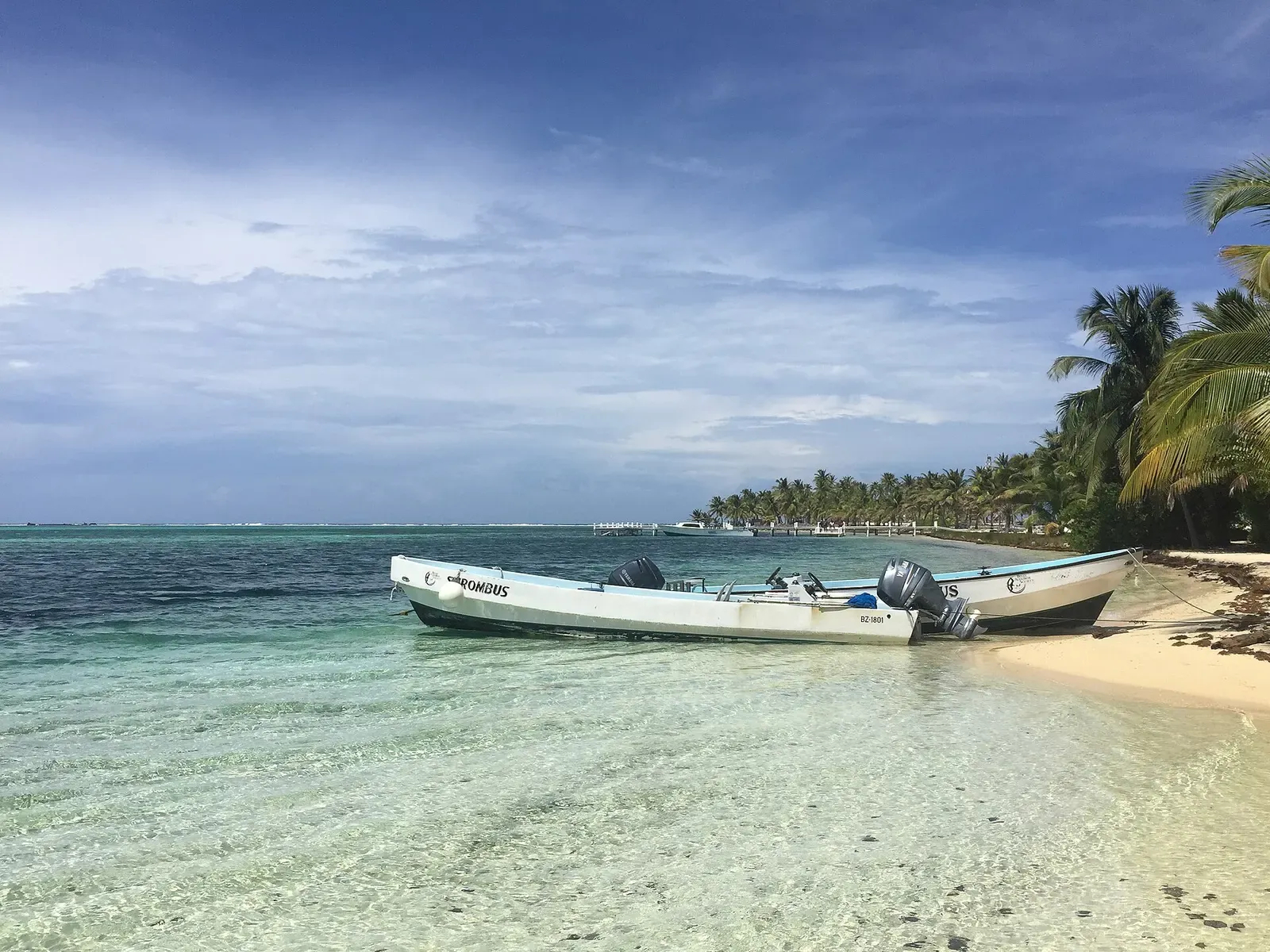
Garden eels on the sand, then a wall that falls past 914 m (3,000 ft)

Turtles and nurse sharks resting on sand at the wall's base
An arch and a fissure cut into an islet off Pointe du Diamant