Mediterranean · Spain
Costa Blanca — Calpe, Moraira & Jávea
Boulder passages in the San Antonio reserve and a cave-training coast from Moraira
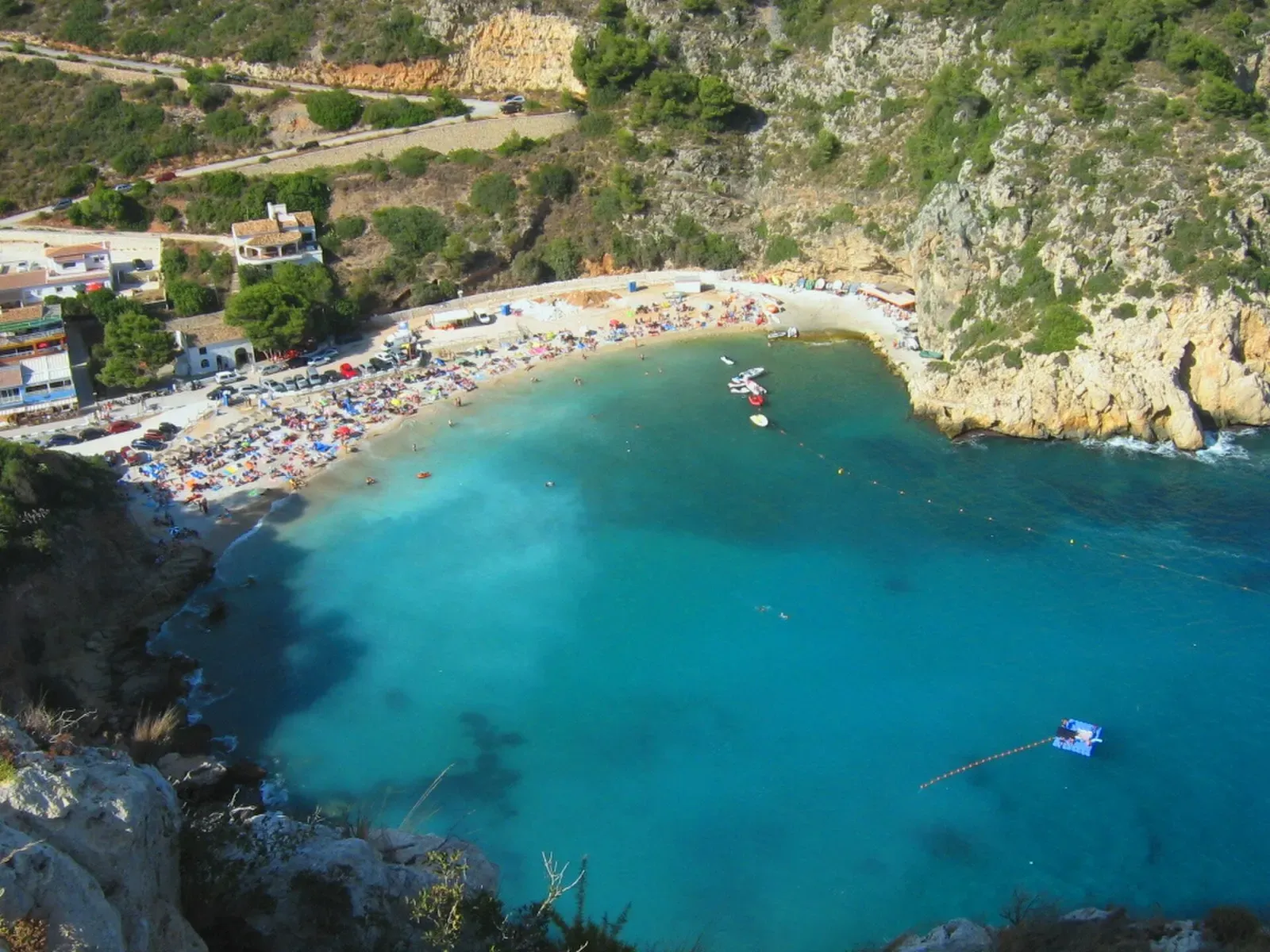
Photo: diego_cue · CC BY-SA 3.0
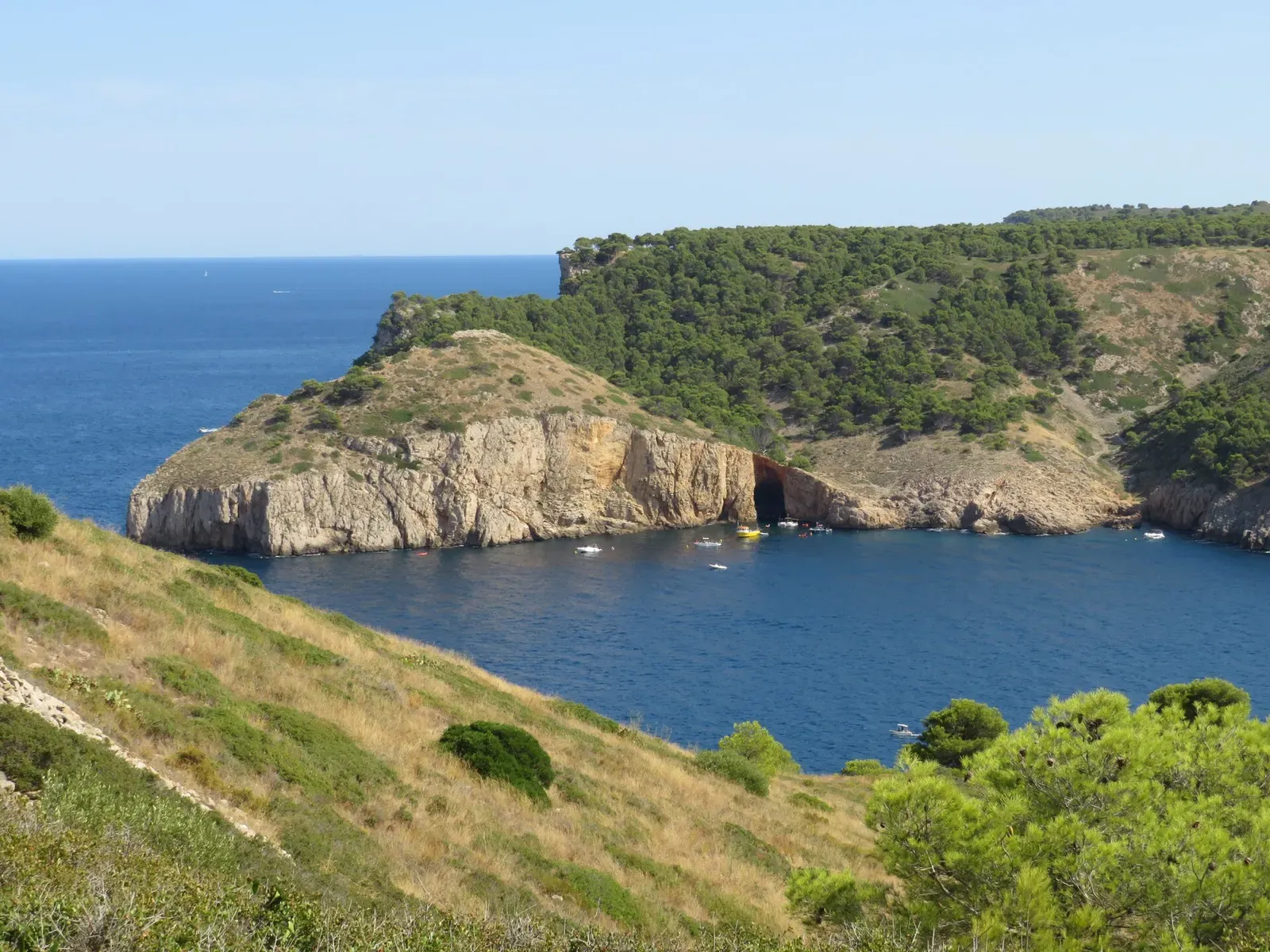
The rocky coast between Calpe and Jávea, dived from Moraira in the middle. At Calpe the Peñón de Ifach drops into boulder walls and El Tazón, a bowl in the rock at 35 m where larger fish gather; off Jávea the Cabo de San Antonio marine reserve, 110 ha and protected since 1993, is a field of enormous boulders with light-filled passages and plentiful grouper and moray. Between them, Moraig's Cave and Big Mushroom make this the Costa Blanca's cave-training coast. Sites run from 6 m to nearly 40 m, Diving Javea dives all year, and the water runs from about 13 °C in late winter to 27 °C in August.
About diving in Costa Blanca — Calpe, Moraira & Jávea
Moraira, between Calpe and Jávea, is the base, home to one of the coast's longest-established centres. Scuba Moraira keeps its boat in Moraira Marina and runs to well over 25 sites of 6 m to nearly 40 m across Moraira, Benitachell, Jávea and Calpe; Moraig's Cave and Big Mushroom are each about 15 minutes from the port. Diving Javea and Buceo Cabo La Nao, both in Jávea, run trips to the Cabo de San Antonio reserve, and the Peñón de Ifach sites at Calpe are boat trips from Moraira, 7 km up the coast. Shore diving is for training and night dives: Playetes is a 7 m house reef off the beach, and Cala Racó under the Peñón has parking and gear-up areas.
At Calpe the 332 m limestone outcrop of the Peñón de Ifach rises from the sea and its base is dived all round: Sargo's Rock on the south face is a wall of fallen boulders with the remains of an old fishing boat at 26 m, and El Tazón is a bowl cut into the rock, 35 m at its deepest, where barracuda, bream and amberjack gather. Off Moraira the Cap d'Or headland has Rock Lobster, El Pesebre and Fondo de Bikini around its foot, with baby morays and octopus in El Pesebre's rocks. The Jávea end is boulders: Cabo de San Antonio's enormous stones form passages and a play of light inside a 110 ha marine reserve, with white gorgonians, grouper, moray, dentex and gilthead bream with the invertebrates.
This suits divers in training and divers after easy days. Scuba Moraira takes first-timers through SSI Open Water, San Martin South is a sheltered course site, and Payes's Headland is Diving Javea's season-opener after a winter out of the water. Overhead divers are the other fit: Diving Javea is an IANTD-affiliated centre teaching cave, sidemount and technical courses, Big Mushroom's 50 m cavern at 17 m is the training cavern, and Moraig's Cave beyond its entrance caverns is for trained cave divers, not a casual swim-through. Anyone chasing big fish on deep, current-swept rock belongs at Cabo de Palos; anyone who wants approachable grouper by the dozen should go to the Medes Islands.
When to dive Costa Blanca — Calpe, Moraira & Jávea
| Jan | Feb | Mar | Apr | May | Jun | Jul | Aug | Sep | Oct | Nov | Dec |
|---|---|---|---|---|---|---|---|---|---|---|---|
| Fair | Fair | Fair | Good | Good | Prime | Prime | Prime | Prime | Good | Fair | Fair |
Dived all year, but the water sits near 14 °C from January to March and the season is treated as starting in spring; peak-season boat traffic closes some cave surfacing.
Dive types & marine life
Grouper, moray, dentex and gilthead bream are the standard sightings in the Cabo de San Antonio reserve, with octopus and slipper lobster on the rock; El Balcón and El Tazón add barracuda. Cuttlefish come out on night dives, and the offshore boulder-field dive off Jávea is the one pitched for rays and passing pelagics, a chance rather than a sure thing.
- Reef
- Cave & cavern
- Wall
- Night
- Groupers
- Barracuda
- Octopus & cuttlefish
Notable dive sites in Costa Blanca — Calpe, Moraira & Jávea
Cave & cavern
A 50 m training cavern at 17 m, 15 minutes from Moraira port
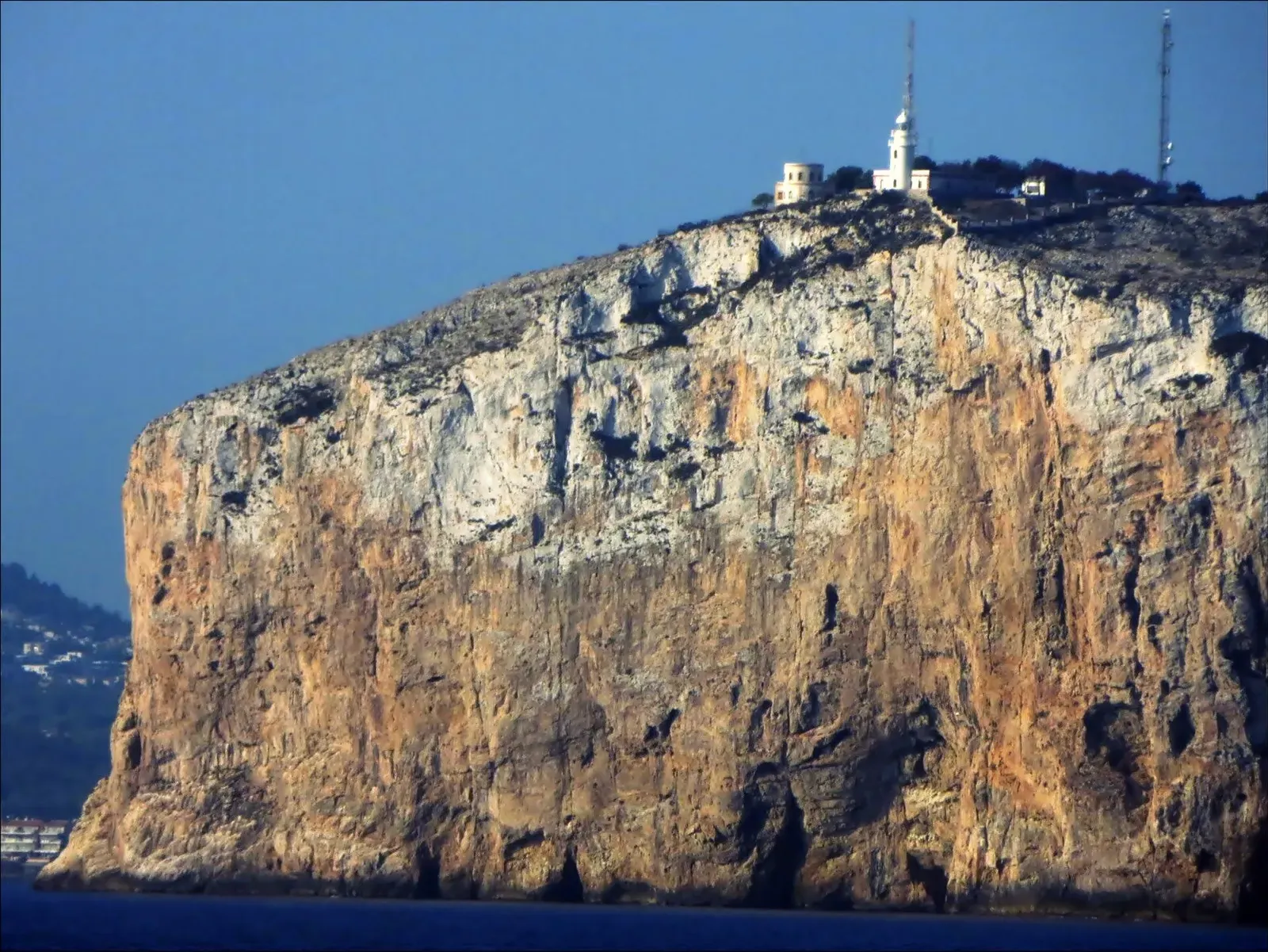
Passages of light between enormous boulders, white gorgonians throughout
Cave & cavern
Barracuda at the cave corner and an open chamber to surface in, off-season
Reef
Swim-throughs between boulders and three kinds of ray on the sand
Wall
One-way along the Peñón to 27 m, ending in the arches of Los Arcos
Reef
A varied 10–20 m reef with everything from lobsters to barracuda
Wall
A sea-cut bowl in the Peñón to 35 m where amberjack and barracuda gather
Two faces of a rocky islet: boulders to 26 m, Posidonia shallows and barracuda shoals
Reef
A maze of fallen-boulder arches at 15 m, crusted with sponges and anemones
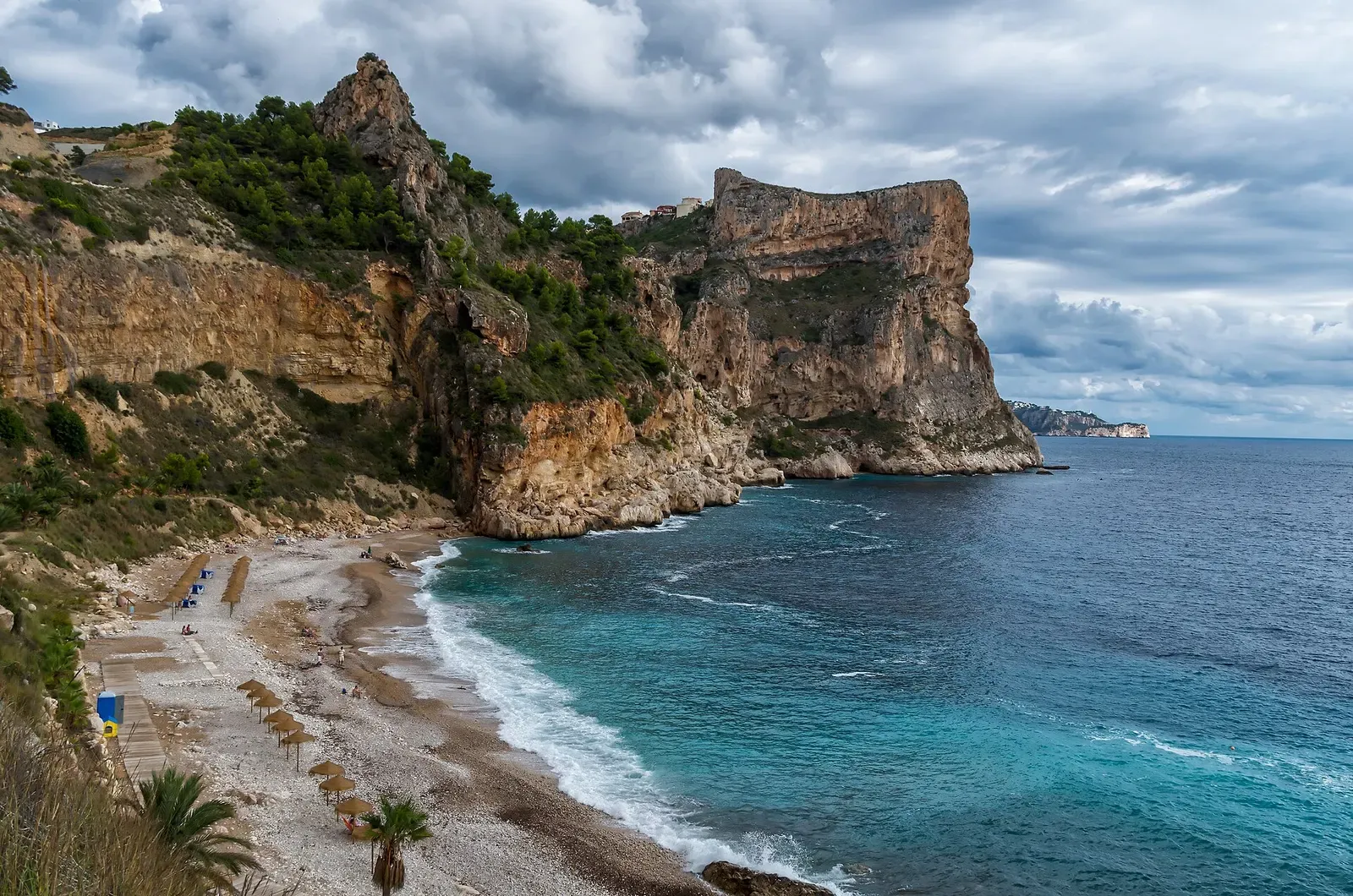
Light-filled entrance caverns at 15 m, one leading into a 2 km cave
Wall
Four ledges at 5, 8, 14 and 18 m, then back up the far side of the wall
Wall
Shoals of sargo over fallen boulders, with old fishing-boat debris at 26 m
Getting there
Alicante airport is about 45 minutes' drive from Moraira and Valencia about 60; the AP-7 motorway and the N-332 serve the coast. Centres are in Moraira, with the boat in Moraira Marina, and in Jávea; the Peñón de Ifach sites at Calpe are dived as boat trips from Moraira.
Photos from Costa Blanca — Calpe, Moraira & Jávea
Ray Ok · CC BY 3.0
TMbux · CC BY-SA 3.0
Photo credits
- Aerial view of La Granadella cove near Javea, turquoise water framed by pale cliffs by diego_cue, CC BY-SA 3.0, via Wikimedia Commons
- Rocky cliffs above a small pebble cove at Moraig on the Costa Blanca by Ray Ok, CC BY 3.0, via Wikimedia Commons
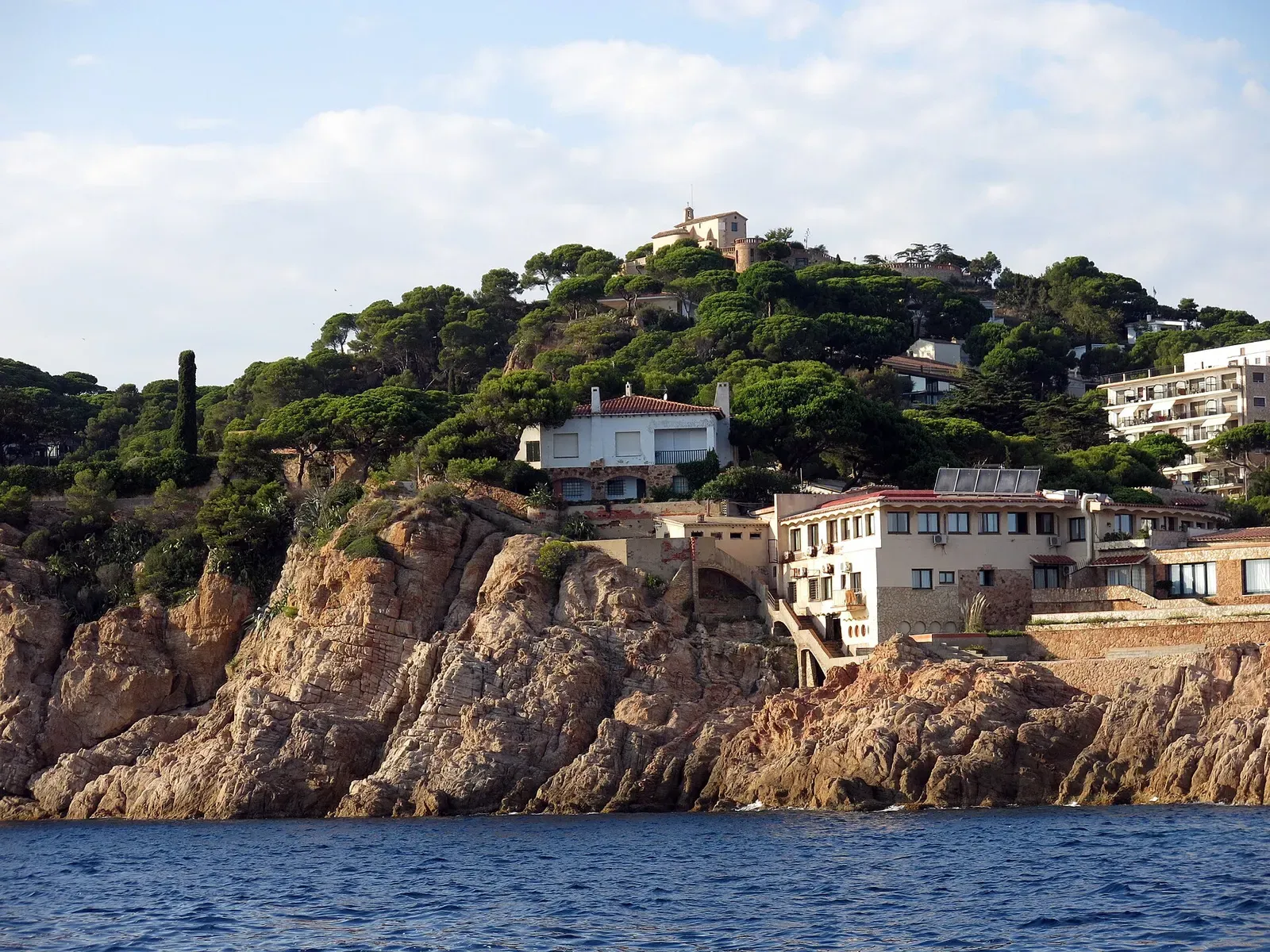
- Hillside village of Cumbre del Sol overlooking the sea at dusk near Benitachell by TMbux, CC BY-SA 3.0, via Wikimedia Commons
Similar destinations
A 40 m wall under the monastery filmed in The Big Blue

The Mediterranean's largest sea cave, with entrances from 8 m to 33 m
Tunnels, walls and a shallow wreck under the Montgrí cliffs, dived from L'Escala


.jpg)
A cave system below the Eden Roc hotel, entered at 25 m from the beach or by boat