Malta & Gozo · Malta · Blue hole · Cave & cavern · Wall
Blue Hole & Inland Sea
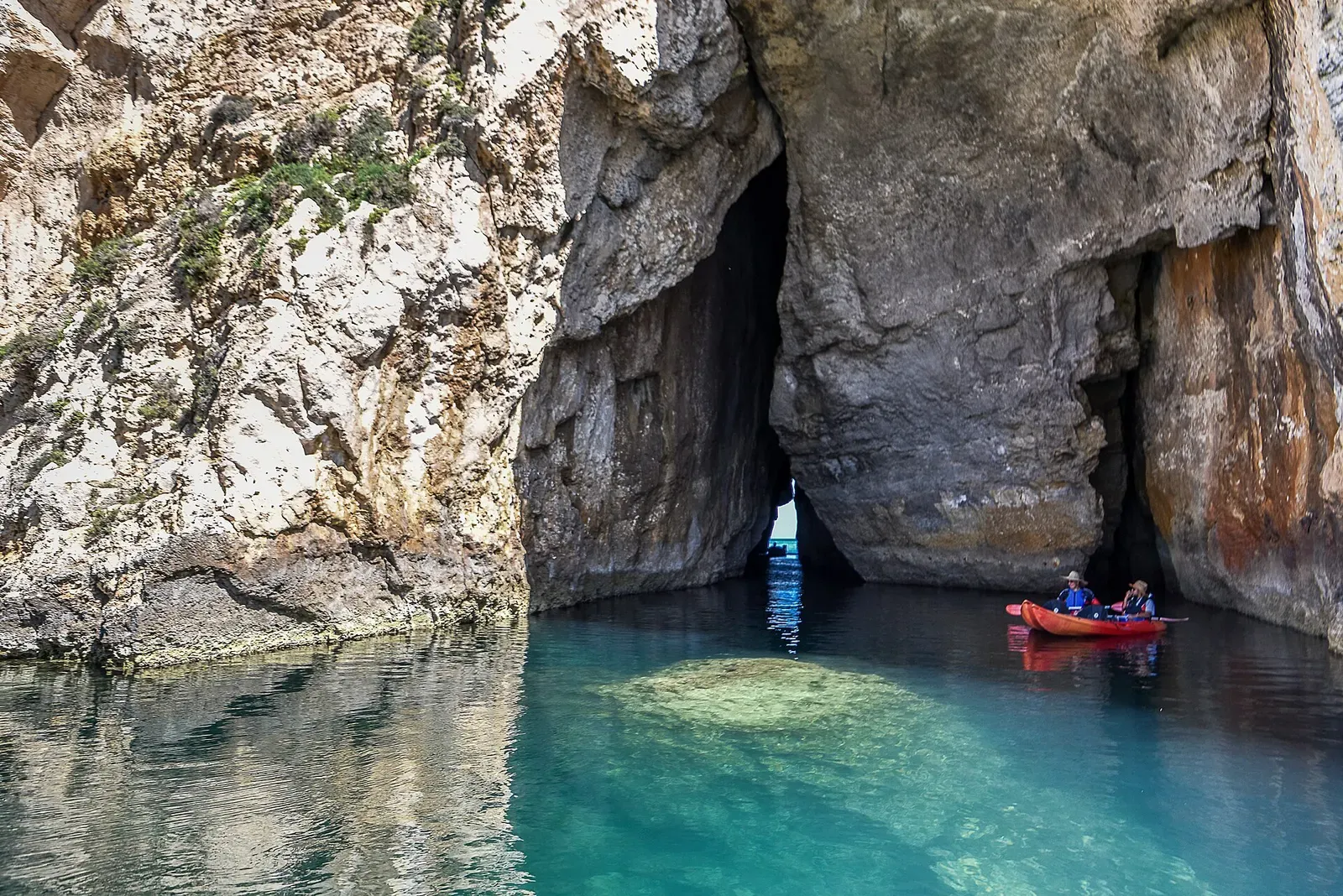
An 80 m rock tunnel and a collapsed sea cave, both entered on foot
Photo: Bellina 09 · CC BY-SA 4.0
Two Dwejra dives share one stretch of Gozo's west coast. The Blue Hole is a collapsed sea cave whose seaward wall is cut by a rectangular archway, and the Inland Sea is a lagoon that drains to open water down an 80 m tunnel through the cliff. Both put you on a limestone wall in blue water within minutes of walking in.
Also known as Dwejra Point.
Where it is and how deep
36.0532° N, 14.1888° EPublished position for this site.
The dive
Steps cut into the coralline limestone take you down to the Blue Hole itself, five minutes on foot from the car park through an old quarry, a shallow valley bed and over boulders. Drop into the shaft and look for the archway in its seaward wall: published figures put the opening between six and fifteen metres, and its rim carries golden cup coral. Swim through it and the ground falls away into open blue.
Outside the arch, turn right and follow the wall towards the ground where the Azure Window stood until 2017. Its blocks now lie between sixteen and five metres, stacked into overhangs and gullies that hold grouper, moray and the occasional barracuda. The wall below keeps going — the deepest published figures for it range from thirty-five to sixty metres — so most recreational dives turn at around thirty and spend the rest of the gas in the boulders.
The Inland Sea is the gentler entry of the two: trucks park by the water, divers walk in past a slipway that is very slippery, then across uneven pebbles. Cross the lagoon and enter the tunnel, eighty metres of rock passage through the cliff, using the numbered rock formations at five, nine and fifteen metres as markers. At the seaward end the floor steps down in shelves to about thirty-five metres.
From there the walls run both ways — towards the Blue Hole in one direction, the Ta' Barba cavern in the other — and how far you go is a gas question, since everything has to come back through the tunnel. Turn with enough in hand and finish on the five-metre platform inside, which makes a comfortable safety stop among sponges, anemones, nudibranchs and fireworms, with dentex and amberjack often hunting in the blue behind you.
Background
Dwejra's underwater shape comes from collapse. A geological fault in the limestone opened a sea cave and its roof fell in, leaving the Inland Sea and, alongside it, the Blue Hole. The Azure Window, the arch that stood on the headland above, went the same way at about 9:40 in the morning on 8 March 2017. Its boulders now lie on the seabed between five and sixteen metres, and local operators rate the Blue Hole a better dive since the collapse than it was before.
Marine life and season
- Groupers
- Barracuda
- Octopus & cuttlefish
- Nudibranchs
- Reef fish swarms
- Trevally & jacks
| Jan | Feb | Mar | Apr | May | Jun | Jul | Aug | Sep | Oct | Nov | Dec |
|---|---|---|---|---|---|---|---|---|---|---|---|
| Fair | Fair | Fair | Good | Good | Prime | Prime | Prime | Prime | Good | Good | Fair |
Season follows Malta & Gozo: Jun–Sep is the main season, with the sea averaging 21–26 °C; it never drops below 14 °C, so diving carries on through the winter.
Know before you go
- The Blue Hole entry is a five-minute walk over rough coralline limestone and boulders — use the carved steps, and check the swell before committing to the climb back out in kit.
- The slipway into the Inland Sea is very slippery and the lagoon bed is uneven pebble; walk in slowly and expect an awkward exit at the end of the dive.
- The wall outside the Blue Hole runs well past recreational limits, with published depths from thirty-five to sixty metres. Agree a maximum before you go through the arch.
- Everything at the Inland Sea comes back through an eighty-metre tunnel. Plan the turn on gas, not on time, and keep the numbered rock formations in sight as depth markers.
Photos from Blue Hole & Inland Sea
Sudika · CC BY-SA 3.0
The Cosmonaut · CC BY-SA 2.5
The Cosmonaut · CC BY-SA 2.5
Questions divers ask
How deep is the Blue Hole in Gozo?+
Most dives work between 10 and 30 m. The archway through the seaward wall opens between about six and fifteen metres; outside it the wall keeps dropping, with published figures for the deepest part ranging from 35 to 60 m, so the maximum is set by the plan rather than by the site.
Do you need a boat for the Blue Hole and Inland Sea?+
No, both are shore dives at Dwejra. Vans park at the water's edge for the Inland Sea, which makes it one of the easiest entries on Gozo. The Blue Hole is a five-minute walk from the car park over rough limestone, with steps carved into the rock down to the water.
What certification do I need to dive here?+
Open Water, which allows dives to 18 m, is the stated minimum and covers the Inland Sea tunnel and the top of the Blue Hole arch. The wall outside the arch keeps dropping well past that, so going deeper needs a certification that covers the depth, and a nitrox certification is recommended for those sections.
Where is the Blue Hole in Gozo?+
At Dwejra on Gozo's west coast, off San Lawrenz, directly below where the Azure Window stood. It is about 20 minutes' drive from the Mġarr ferry terminal, with a public car park nearby, and the 311 bus stops at Dwejra. The shaft is also snorkelled and freedived.
Sources
- Blue Hole – Best Diving in Gozo, Malta — Gozo Dive
- Blue Hole Gozo Dwejra — Atlantis Gozo
- Inland Sea — Gozo Dive
- Inland Sea, Gozo — Wikipedia
- Azure Window — Wikipedia
- Blue Hole Malta (Gozo): How to Visit & What to Expect — We Seek Travel
Photo credits
- Turquoise water inside the rock tunnel connecting the Inland Sea to the open Mediterranean at Dwejra by Bellina 09, CC BY-SA 4.0, via Wikimedia Commons
- Divers descending into the circular Blue Hole sinkhole at Dwejra, Gozo, its rock arch framing open sea beyond by Sudika, CC BY-SA 3.0, via Wikimedia Commons
- Aerial view of the enclosed Inland Sea lagoon at Dwejra with small dive boats moored inside the cliff-ringed bay by The Cosmonaut, CC BY-SA 2.5, via Wikimedia Commons
- Rock pool at Dwejra with a Knights-era watchtower on the skyline above the coastline by The Cosmonaut, CC BY-SA 2.5, via Wikimedia Commons
In The Logbook
- Malta and Gozo wreck diving, by depth and monthWrecks · 10 min read
- What is a blue hole, and what's down there?Caves & caverns · 13 min read
- What is surge in diving, and how deep it goesOcean science · 8 min read
- Air, nitrox or trimix: which gas, and when?Gear & kit · 15 min read
- Cavern and cenote diving without cave trainingCaves & caverns · 8 min read
- The best shore dives in the worldShore diving · 8 min read
More dive sites in Malta & Gozo
Cave & cavern
An air chamber at the back of a vast cave in the cliff
Wreck
An upturned wartime fighter with its wings still intact
Wreck
A ditched light bomber sitting upright on sand and small reefs
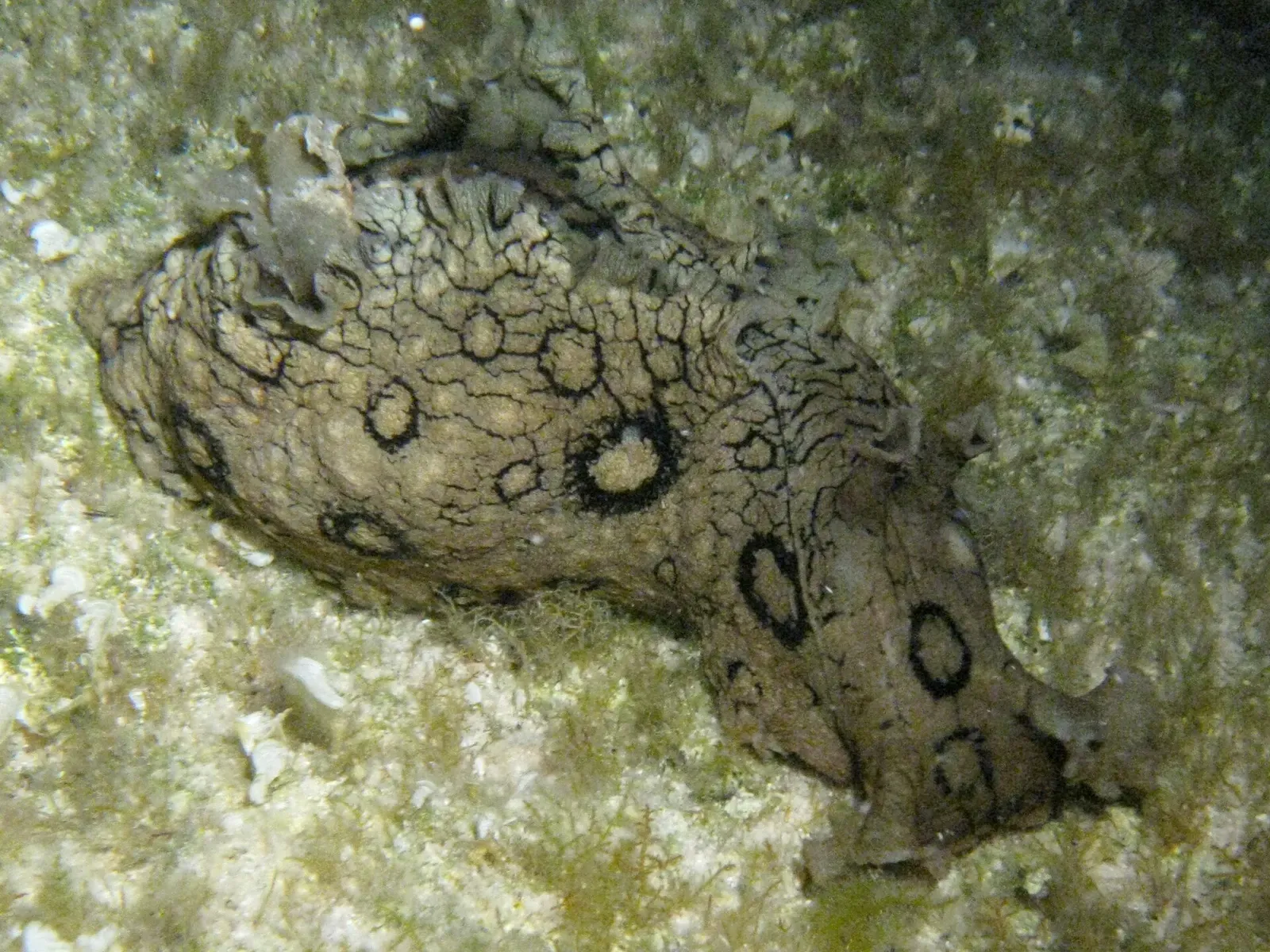
Swim beneath the surviving span of a collapsed sea cavern
Wall
An old four-pronged grapple anchor lying deep on the reef
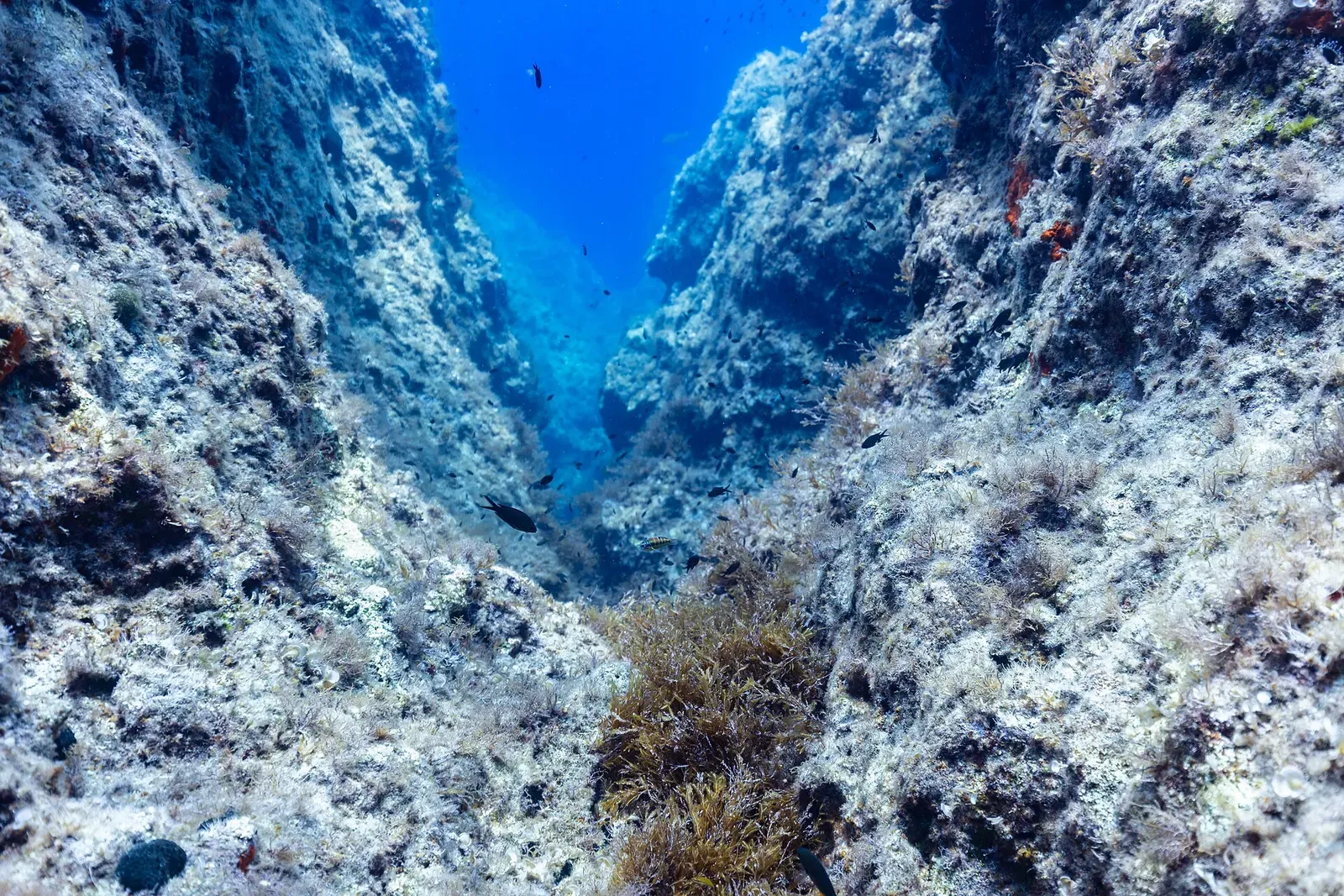
A huge cavern in the Dwejra drop-off, walls lined with sponges
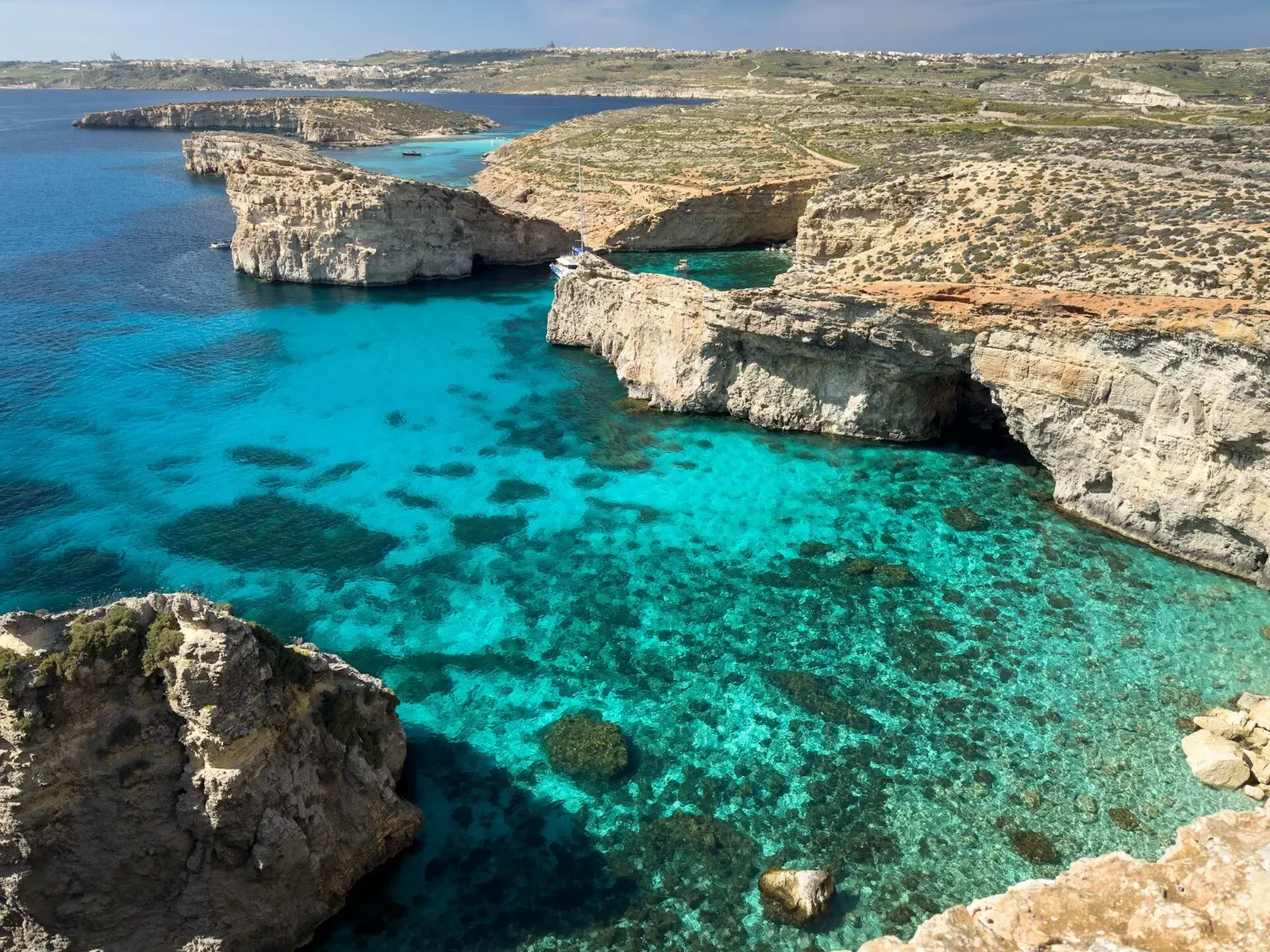
A long, well-lit tunnel through the rock of a sheltered lagoon
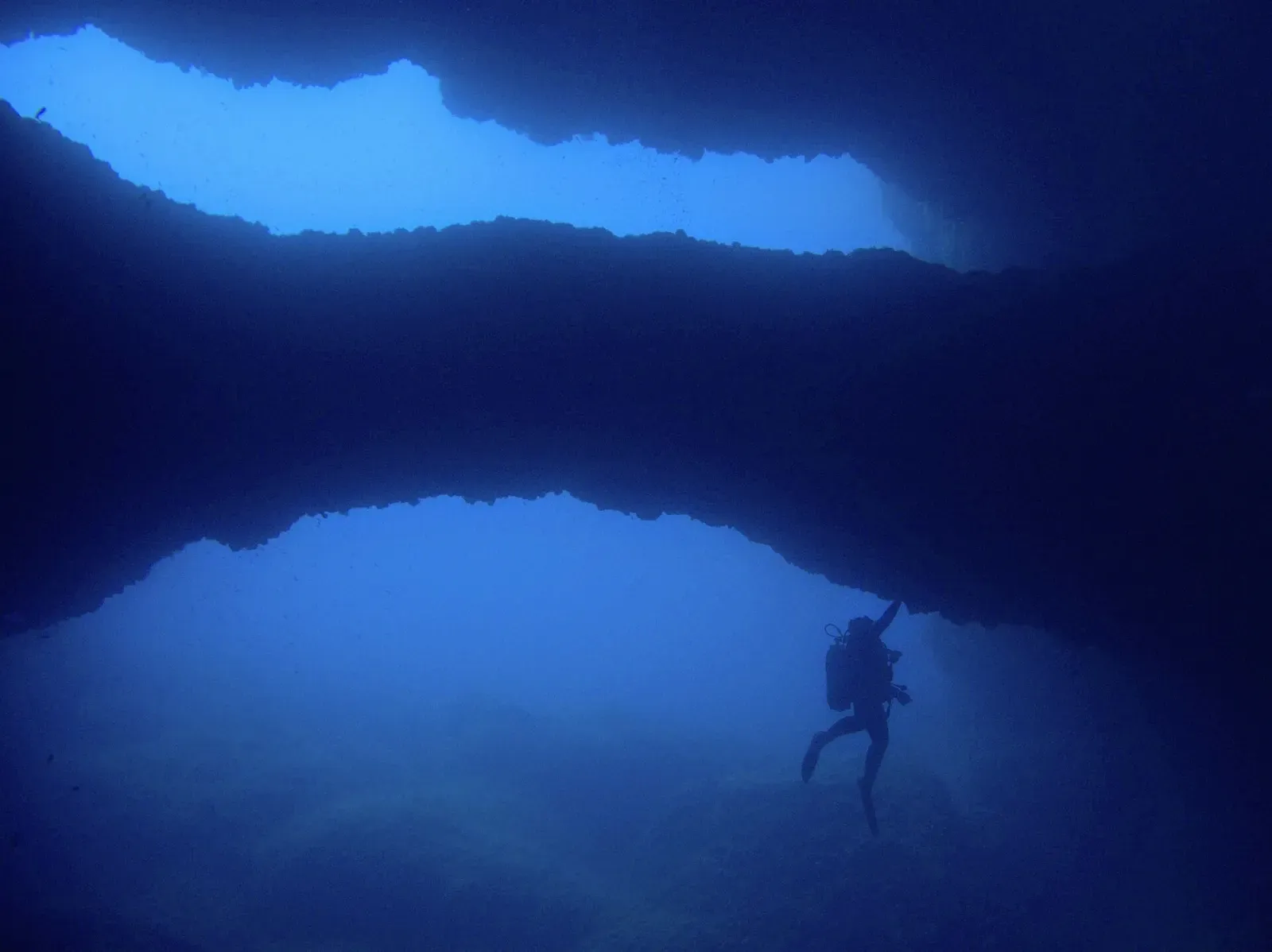
Two natural rock arches stacked one on top of the other
Similar dives elsewhere
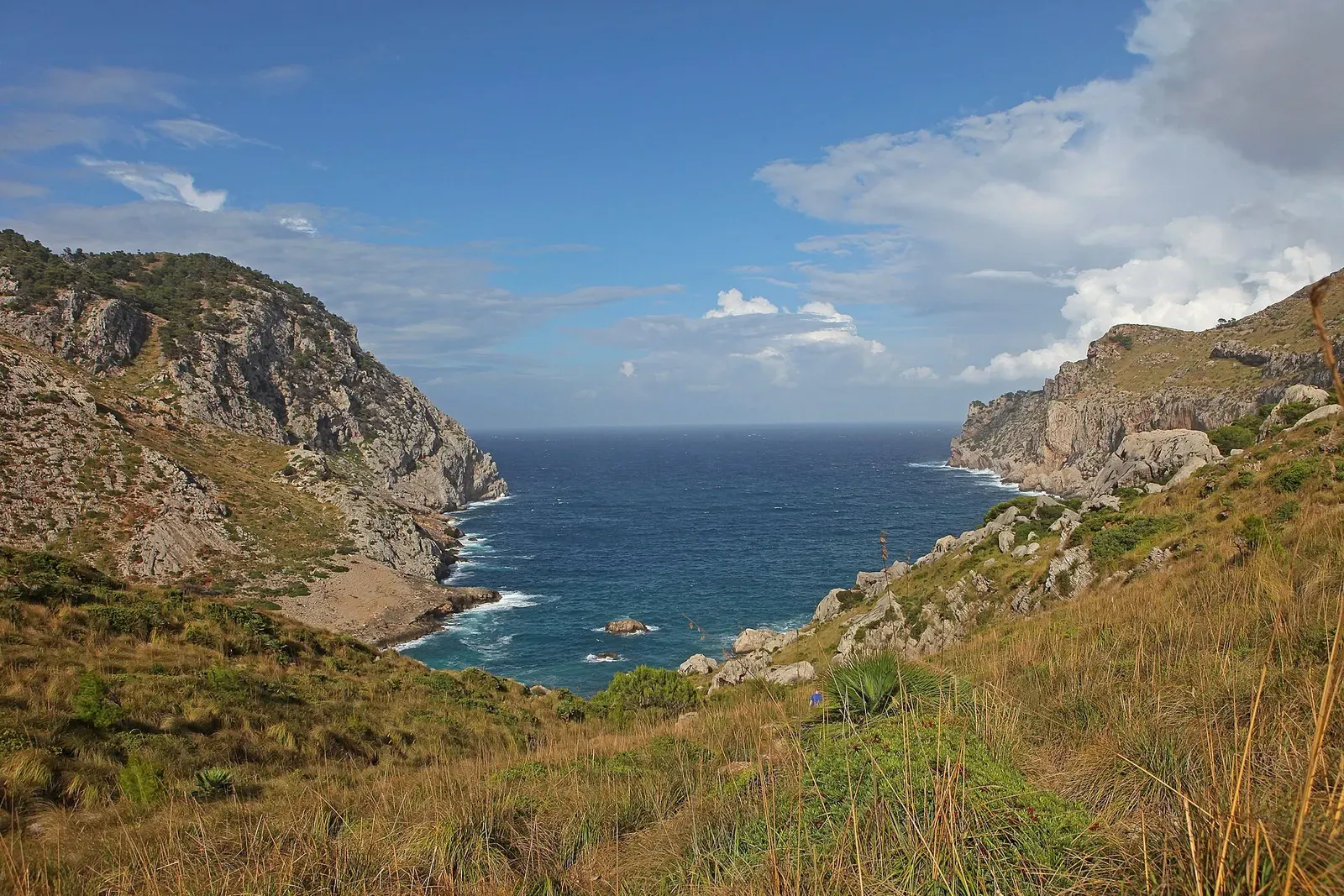
A cavern with multiple entrances at 4 m and a deep-water tunnel below
Wall
St. George's Island
Akamas Peninsula & Latchi · Cyprus
16th-century stone anchors among amphora shards off the island
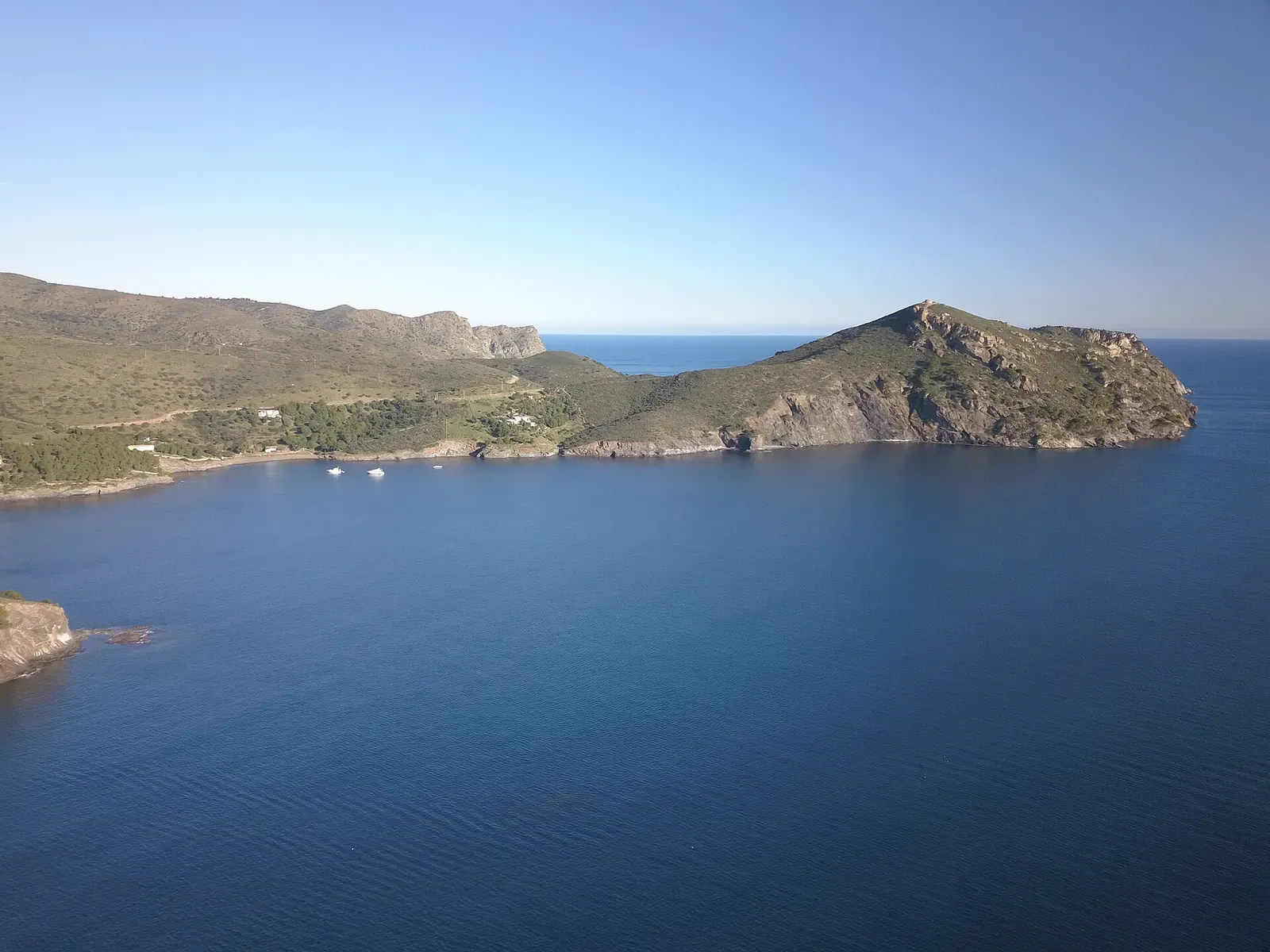
The park's best-known walls, and a cave with an air pocket
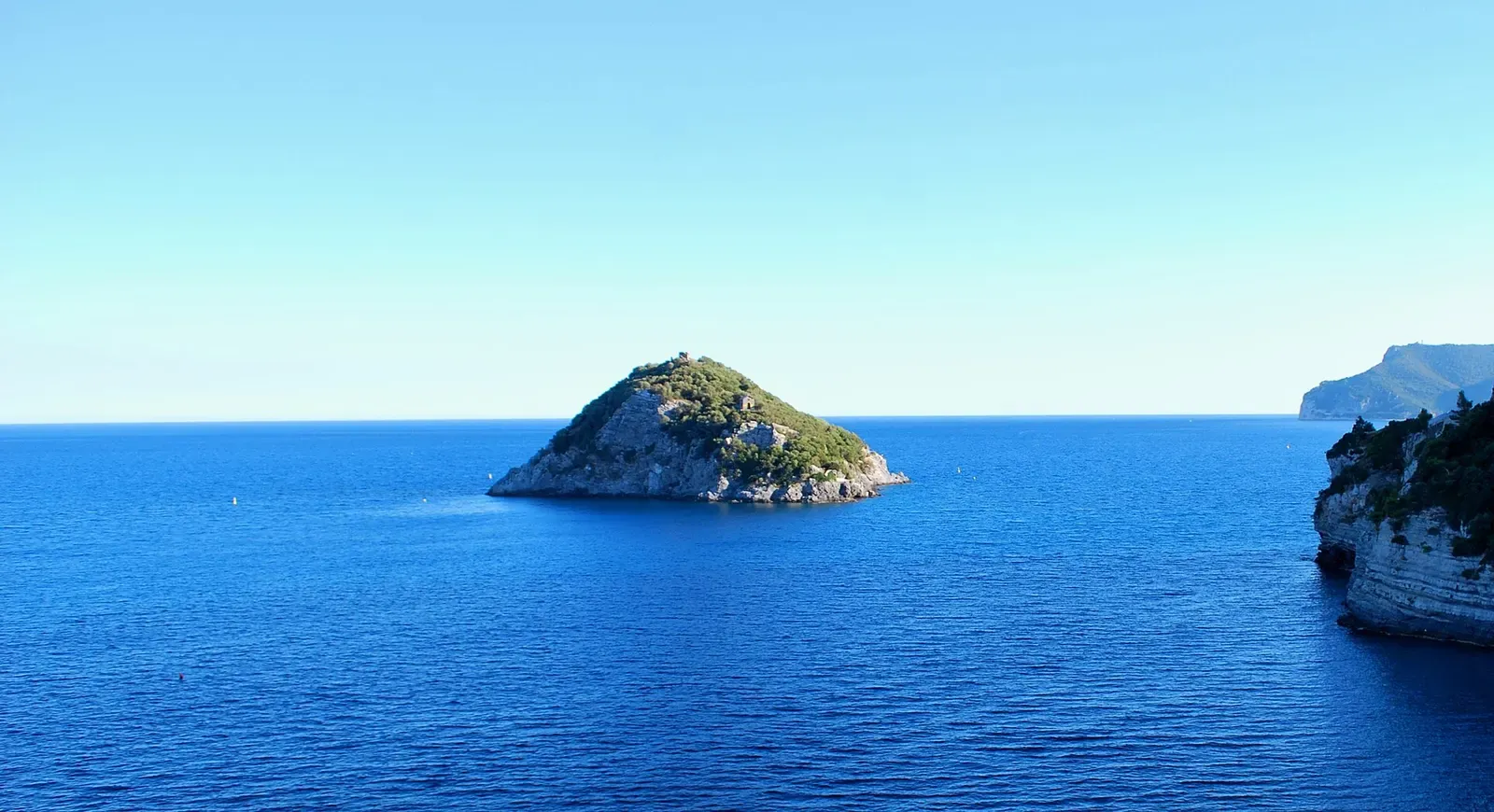


A yellow-daisy wall at 20–30 m with groupers and barracuda over it