Pacific Islands · United States
Oʻahu
Turtle reefs and sunken ships ten minutes off Waikiki
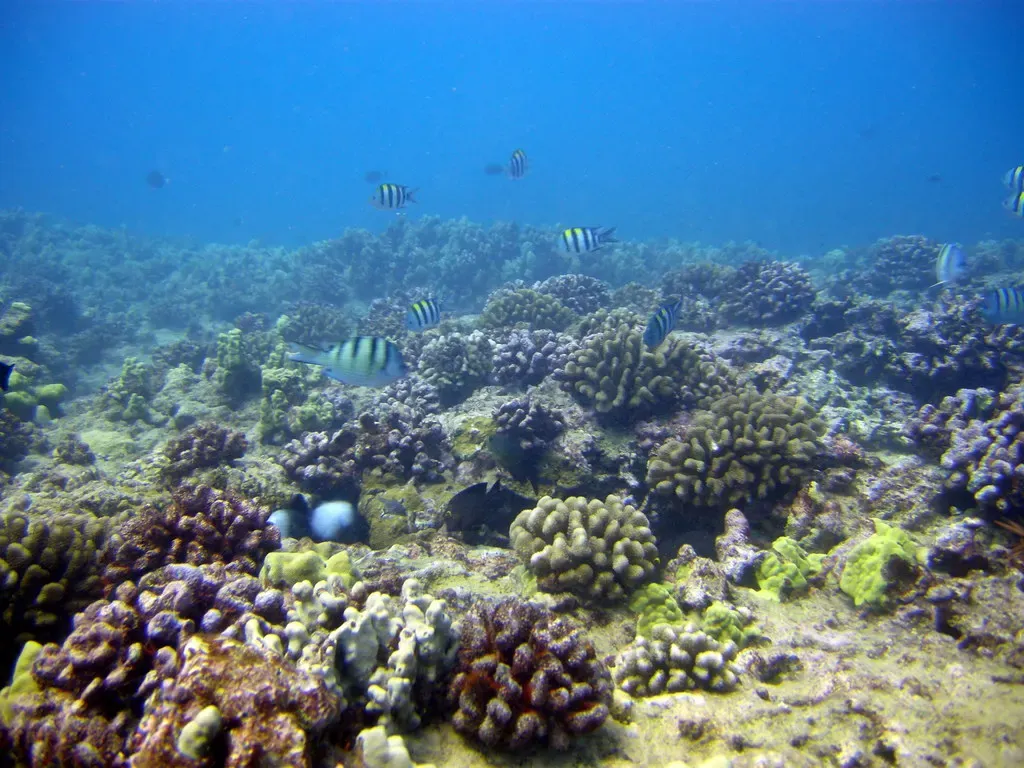
Photo: mattk1979 · CC BY-SA 2.0
Oʻahu's diving is a south-shore circuit run out of Kewalo Basin and Hawaii Kai: daily two-tank boat days over turtle reefs and a set of sunken ships. Turtle Canyon is a shallow cleaning station where green turtles gather, the Sea Tiger lies ten minutes from Waikiki with a 40 m maximum, and the YO-257, a Navy yard oiler sunk in 1989, sits with its deck at 26 m and cut-outs for trained penetration. Southeast of town the sea cliffs carry on underwater as walls and lava caves to 43 m.
About diving in Oʻahu
Most diving here is a boat day out of Kewalo Basin Boat Harbor, a short drive from the Waikiki hotels, or from the Kai marina at Hawaii Kai further east. Operators run daily two-tank charters and the sites sit close in: the Sea Tiger is ten minutes off the dock, Koko Craters about the same from its own marina. Shore diving runs alongside it, from the protected inner reef at Hanauma Bay to the steep scramble down to Halona Blowhole, but heavy boat and watersports traffic makes some south-shore entries unsafe to swim out to, so shops put those dives on a boat instead.
The seabed is young lava and reef flat, and the terrain steps rather than slopes. Ledges such as Skimin's Reef drop from 7-12 m to 18-24 m and run for half a mile. Southeast of Hawaii Kai the sea cliffs carry on below the waterline into walls that start around 18-27 m, with caves carved into the lava at Spitting Cave and drift dives along the boulder ledges of Split Rock to 49 m. Green turtles are the constant, whitetip reef sharks work the wrecks, and about 30% of Hawaii's reef fish are endemic; Hawaii holds more endemic tropical fish species than any region except the Red Sea.
Three state Marine Life Conservation Districts cover the main dive zones: Hanauma Bay, Waikiki and Pupukea, and collecting material inside them is restricted. Hanauma Bay was the first, established in 1967, and is also a state Nature Preserve; non-residents now need an online reservation, daily numbers are capped at 720, and the park closes Mondays and Tuesdays to rest the reef. The barge wrecks off Kahala are dilapidated enough that divers are asked not to touch them, and the Kahala Barge is not safe to penetrate.
It suits divers fitting wrecks and turtles around a city trip rather than building a holiday around the diving: airport, hotels and harbours all sit within a few miles of each other, and PADI alone lists over 300 named sites around the island. It also asks for honesty about the geography. The dependable, operator-served diving is the south shore between Waikiki and Hawaii Kai; the Mahi off Waiʻanae and the Nashua tug near Pearl Harbor lie 20-45 km away on a different coast and sail from other harbours, and Pupukea on the North Shore is calm only from about May to October. Anyone wanting one continuous reef coastline rather than sites scattered across several shores is better served by Kona.
When to dive Oʻahu
| Jan | Feb | Mar | Apr | May | Jun | Jul | Aug | Sep | Oct | Nov | Dec |
|---|---|---|---|---|---|---|---|---|---|---|---|
| Good | Good | Good | Good | Prime | Prime | Prime | Prime | Prime | Prime | Good | Good |
South-shore boat diving runs all year; the North Shore reefs at Pupukea are only calm from about May to October and are dangerous in winter.
Dive types & marine life
Green sea turtles are the reliable draw, on the reefs and wrecks year-round and thickest at the Turtle Canyon cleaning station. Turtles and reef sharks both hold on the YO-257 and San Pedro. Hawaiian monk seals, eagle rays and Hawaiian stingrays are reported but occasional. Hanauma Bay alone holds about 400 fish species, with green turtles and parrotfish in numbers.
- Wreck
- Reef
- Wall
- Drift
- Cave & cavern
- Sea turtles
- Reef sharks
- Reef fish swarms
- Eagle rays
- Stingrays
- Seals & sea lions
Notable dive sites in Oʻahu
Reef
Protected since 1967, about 400 fish species
Reef
Double horseshoe reef, nothing below 12 m
Wreck
Dilapidated barge at 24-27 m, no penetration
Wreck
Navy tug alone on sand at 20 m, sharks inside
Wreck
Sunk beside the YO-257, decks at 20 and 21 m
Wreck
Upright 58 m wreck, ten minutes off Waikiki
Reef
Half a mile of ledge, 7-12 m down to 18-24 m
Wall
Lava caves down a drifted wall to 43 m
Wall
Ledges to 49 m, drifted, deep training only
Wreck
WWII minesweeper on sand, deck at 18-24 m
Reef
Green and hawksbill turtles at a shallow cleaning station
Wreck
Navy yard oiler upright, top deck at 26 m
Getting there
Honolulu has the largest airport in the Hawaiian Islands and is the usual gateway. Dive shops sit along the south shore from Ala Moana and Waikiki east to Hawaii Kai; boats leave from Kewalo Basin Boat Harbor, a short drive from the Waikiki hotels, and from the marina at Hawaii Kai. West-side trips to Waiʻanae are run separately and sail from that coast.
Photos from Oʻahu
Robin White · CC BY 4.0
Photo credits
- Coral heads and sergeant damselfish over a shallow reef in clear blue water by mattk1979, CC BY-SA 2.0, via Openverse
- Head-on close-up of a white nudibranch with orange spots, a violet skirt and dark rhinophores on sand by Robin White, CC BY 4.0, via Wikimedia Commons
In The Logbook
- Diving with seals and sea lionsBig animals · 17 min read
Similar destinations

Touch a First and a Second World War wreck at the same time

Forty-metre visibility over lava caves and canyons, straight off the reef

Swim out of a collapsed limestone cavern into the open Pacific


Hooked into the reef at Blue Corner while grey reef sharks patrol the current