
Pacific Islands · Palau
Palau
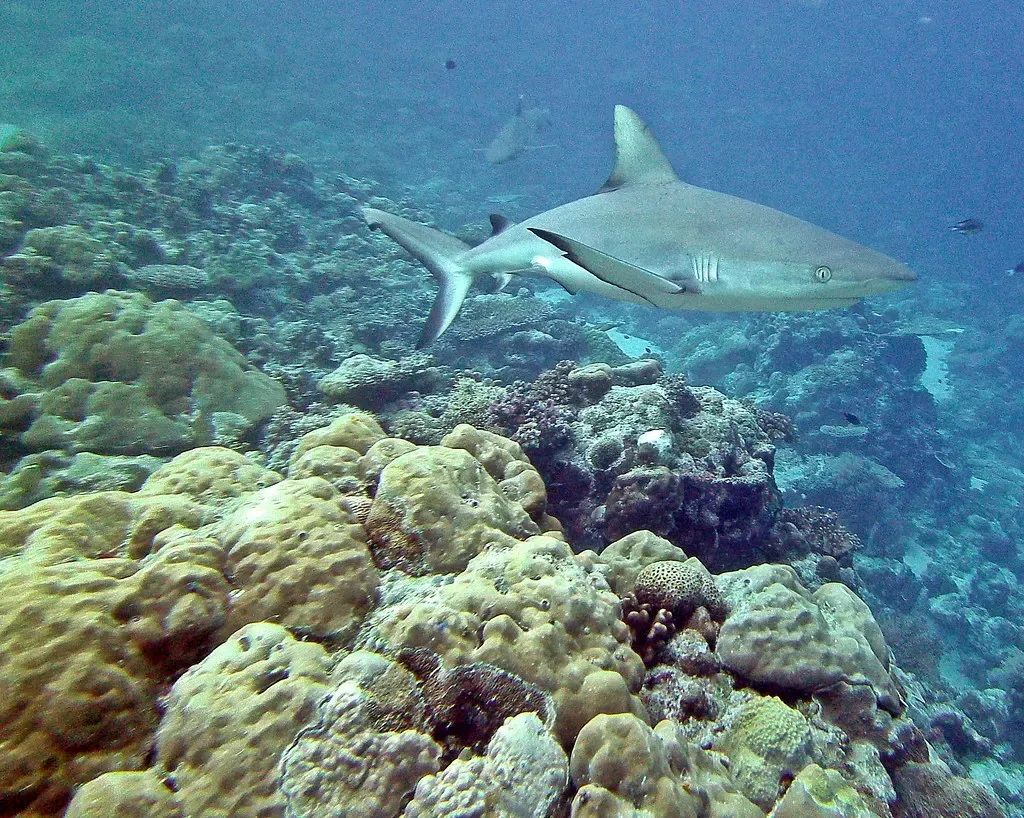
Hooked onto the reef at Blue Corner as schools and grey reef sharks pour past
Photo: 陳德範(Chen, De-Fan) · CC BY 4.0
Palau mixes big-fish corners and channels, vertical walls, Second World War wrecks and caverns. Blue Corner brings snappers, jacks and chevron barracuda in vast numbers alongside resident grey reef sharks, German Channel runs a cleaning station for manta rays, Peleliu Wall drops vertically off the southern reef, and the Iro Maru rests upright on the bottom. On the current-swept sites divers hook onto the reef and let the fish come past.
About diving in Palau
Most sites lie an hour or more away by boat, and there are no dive spots on Koror itself. Liveaboards run every month and can leave from Malakal Harbour to work the Rock Islands' southern lagoon down to Peleliu; the Deep South is visited only from January to March. The current on most sites ranges from moderate to very strong, and in the channels at places like Blue Corner and Peleliu Wall divers latch on with a reef hook and watch schools, sharks and eagle rays cruise past.
The terrain changes from site to site. German Channel was cut through the shallow reef to join the lagoon to the open ocean, and its sandy slope with rocky outcrops hosts the cleaner wrasses that work over manta rays and sharks. Sheer walls drop into the abyss under soft corals and sea fans, and the Iro Maru is one of the largest wrecks in Micronesia. At Siaes Corner grey reef sharks patrol in groups of 10 or more, green and hawksbill turtles are about, and virtually every big pelagic has turned up off Peleliu Corner.
Palau tends to draw experienced divers, though intermediates can enjoy many of the sites and there are easy, shallow dives as well. Currents are often present, so divers need to be comfortable in some current and steady with a reef hook; the current at Peleliu Corner is often the strongest in Palau. Even shallow Ulong Channel can run very strong, and then the dive goes by in a flash, so the guides choose the moment to unhook.
Best time to dive Palau
| Jan | Feb | Mar | Apr | May | Jun | Jul | Aug | Sep | Oct | Nov | Dec | |
|---|---|---|---|---|---|---|---|---|---|---|---|---|
| Season | Prime | Prime | Prime | Prime | Good | Fair | Fair | Fair | Fair | Fair | Good | Prime |
| Sea surface | 29°C84°F | 29°C84°F | 29°C84°F | 29°C84°F | 30°C86°F | 30°C86°F | 30°C86°F | 29°C84°F | 30°C86°F | 30°C86°F | 30°C86°F | 29°C84°F |
| Daytime high | 29°C84°F | 29°C84°F | 29°C84°F | 30°C86°F | 30°C86°F | 30°C86°F | 29°C84°F | 29°C84°F | 29°C84°F | 30°C86°F | 30°C86°F | 30°C86°F |
| Rain | 222 mm8.7 in | 232 mm9.1 in | 181 mm7.1 in | 194 mm7.6 in | 258 mm10.2 in | 304 mm12.0 in | 370 mm14.6 in | 289 mm11.4 in | 280 mm11.0 in | 248 mm9.8 in | 201 mm7.9 in | 275 mm10.8 in |
| Jan | Feb | Mar | Apr | May | Jun |
|---|---|---|---|---|---|
| Prime | Prime | Prime | Prime | Good | Fair |
| Sea surface | |||||
| 29°C84°F | 29°C84°F | 29°C84°F | 29°C84°F | 30°C86°F | 30°C86°F |
| Daytime high | |||||
| 29°C84°F | 29°C84°F | 29°C84°F | 30°C86°F | 30°C86°F | 30°C86°F |
| Rain | |||||
| 222 mm8.7 in | 232 mm9.1 in | 181 mm7.1 in | 194 mm7.6 in | 258 mm10.2 in | 304 mm12.0 in |
| Jul | Aug | Sep | Oct | Nov | Dec |
|---|---|---|---|---|---|
| Fair | Fair | Fair | Fair | Good | Prime |
| Sea surface | |||||
| 30°C86°F | 29°C84°F | 30°C86°F | 30°C86°F | 30°C86°F | 29°C84°F |
| Daytime high | |||||
| 29°C84°F | 29°C84°F | 29°C84°F | 30°C86°F | 30°C86°F | 30°C86°F |
| Rain | |||||
| 370 mm14.6 in | 289 mm11.4 in | 280 mm11.0 in | 248 mm9.8 in | 201 mm7.9 in | 275 mm10.8 in |
2011–2025 averages. Sea surface: NOAA Coral Reef Watch, measured at the surface, so deeper water can run colder. Daytime high and rain: NASA POWER.
Palau is dived in every month, and the very best conditions run from November to April. In February and March the water can dip to 26 °C (79 °F), and typhoons are least likely from February to April. Typhoon season runs from June to December, with occasional storms and high winds, and from July to September heavier rain and stronger wind cut visibility to 15–20 m (49–66 ft), against often more than 40 m (131 ft) the rest of the year.
Best months: January, February, March, April, December
Palau water temperature and weather by month
The sea surface stays between 29 and 30 °C (84–86 °F) all year. Rain falls through the year, about 250 mm (9.8 in) a month on average, with July the wettest. Daytime highs sit around 29 °C (84 °F) all year. The coldest water here is about 27 °C (81 °F), so pack a 3 mm, or even a 2 mm, suit.
Dive types & marine life
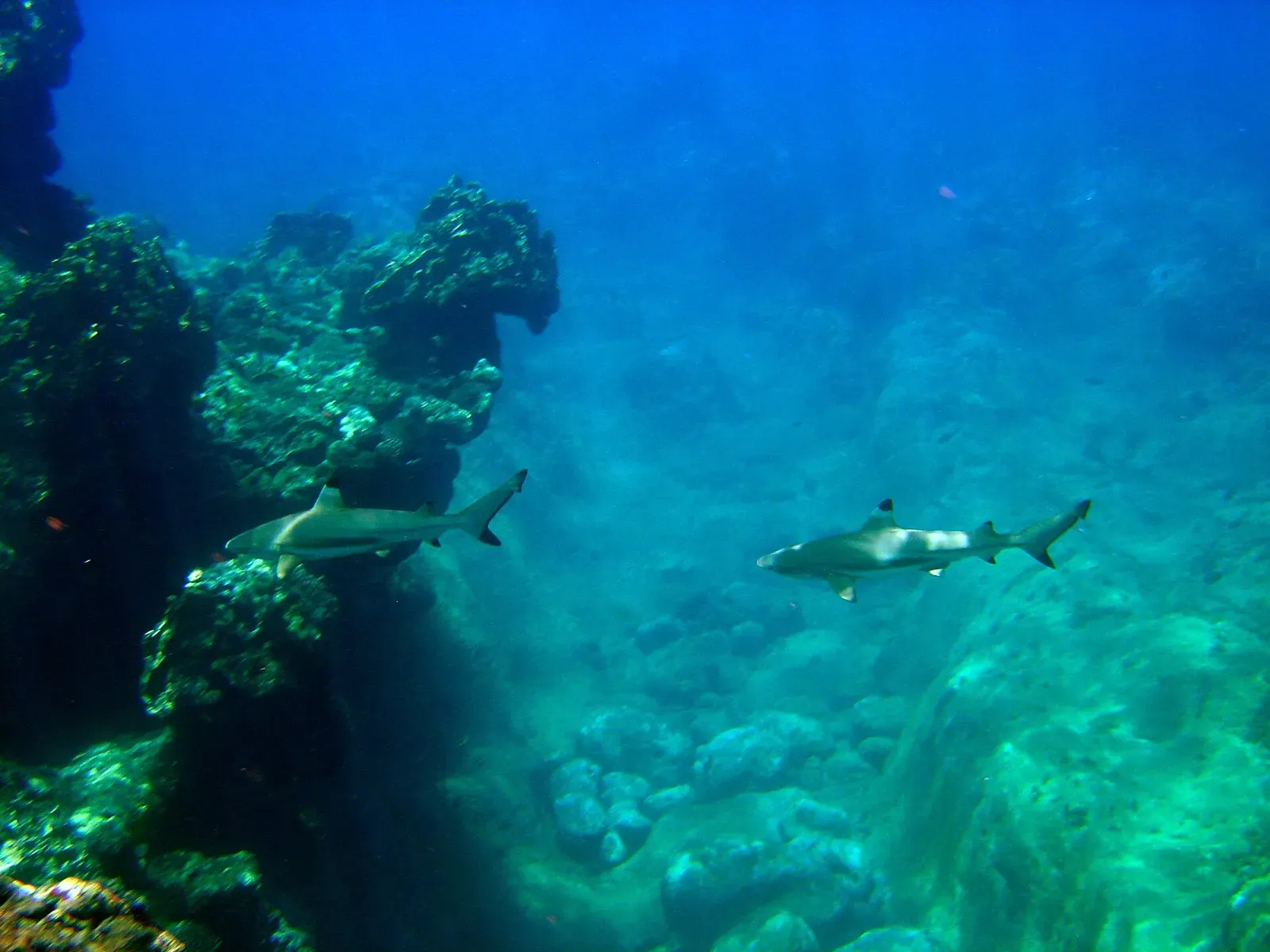
Blacktip reef sharks, whitetips and eagle rays are present all year. Manta numbers peak in the December to March mating season, turtles are seen most often from April to July, and groupers school to spawn at full moon from April to July. Millions of golden jellyfish cross Jellyfish Lake, a marine lake on Eil Malk, every day.
- Wall
- Drift
- Reef
- Wreck
- Cave & cavern
- Pelagic & blue water
- Reef sharks
- Manta rays
- Napoleon wrasse
- Barracuda
- Trevally & jacks
- Eagle rays
- Sea turtles
- Groupers
- Stingless jellyfish
Best dive sites in Palau
- 1
Blue Corner
Current-swept corner with vast schools of snappers, jacks and chevron barracuda, plus Napoleon wrasse.
- 2
German Channel
Manta cleaning station on a slope that runs from about 10 m to 40 m at the channel mouth.
- 3
Peleliu Wall
Advanced vertical wall on Peleliu's southern reef, 27 km (17 mi) southwest of Koror.
- 4
Iro Maru
Japanese naval supply ship sunk in 1944, resting upright in 40 m (131 ft).
- 5
Ulong Channel
Shallow channel dive where a tank lasts, with groupers schooling to spawn.
- 6
Chandelier Cave
Freshwater-filled cavern system on Malakal Island, a change from the reef dives.
Site guides
Grey reef, whitetip and leopard sharks patrolling a wall into the deep
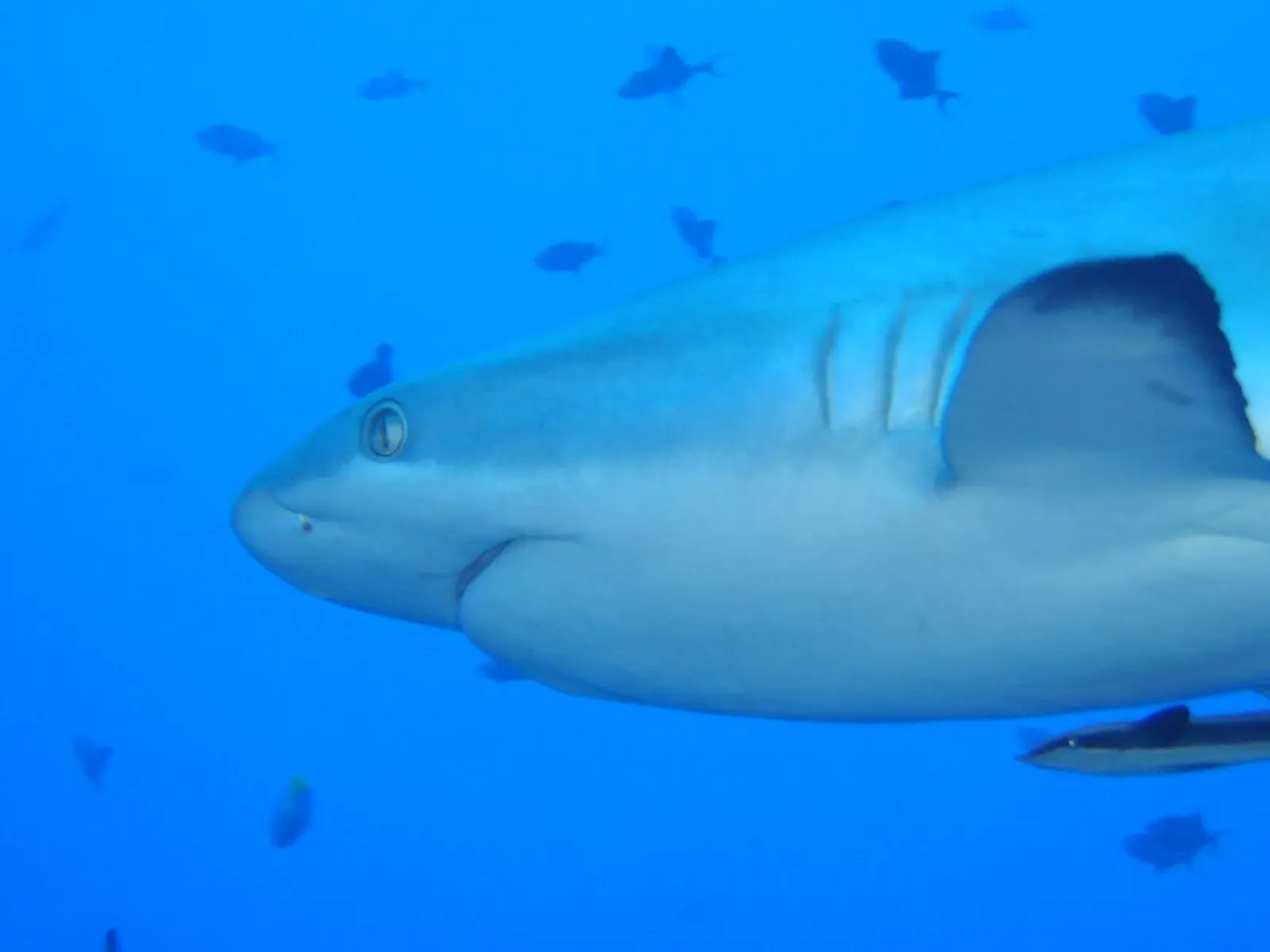
Hook into the plateau lip and let the sharks stack up off the edge
Cave & cavern
Four holes in the reef top that open into a single large cavern
Cave & cavern
Surfacing inside air-filled limestone chambers under Malakal Island
Wreck
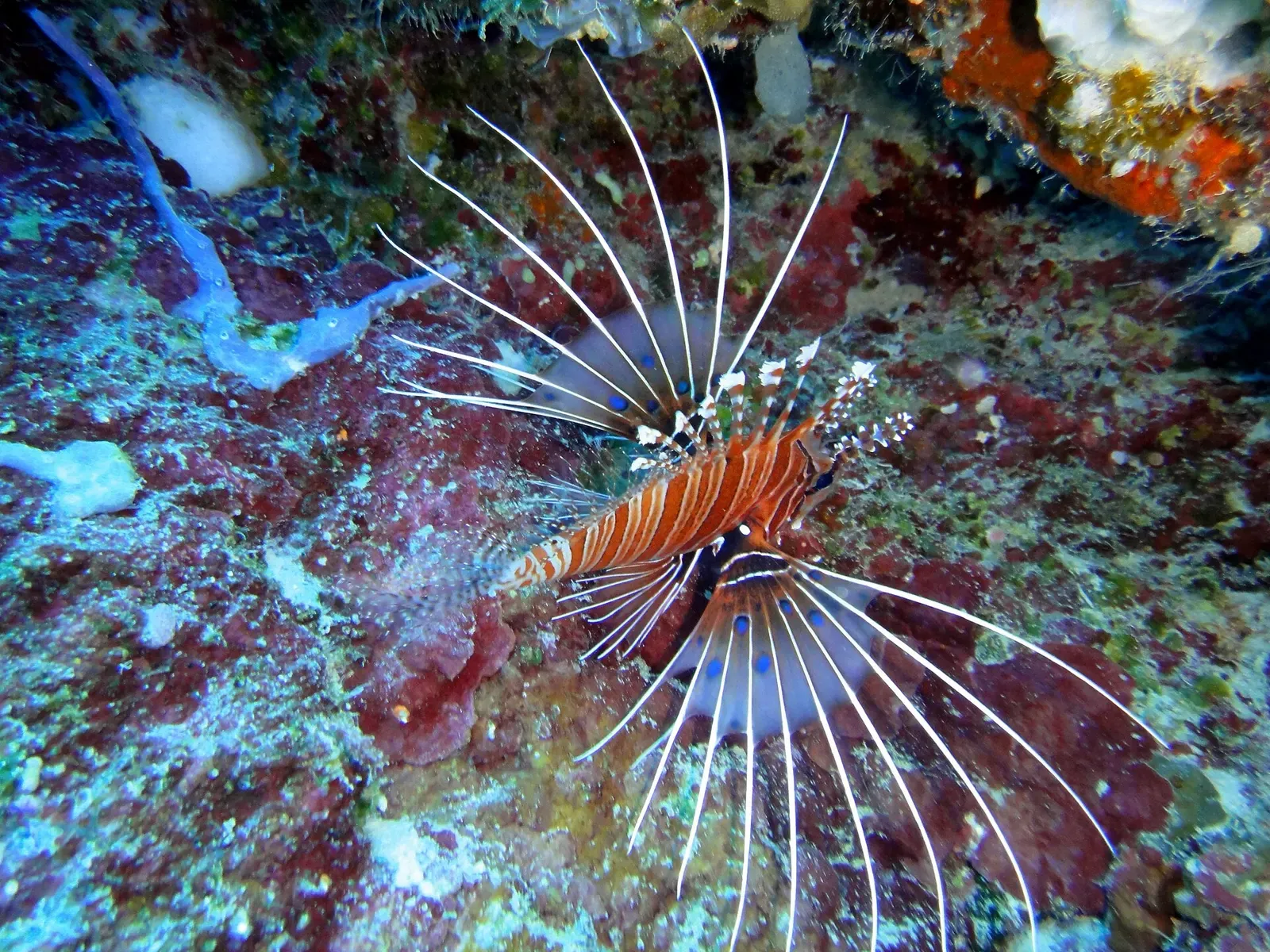
A freighter so thick with lionfish it took their name
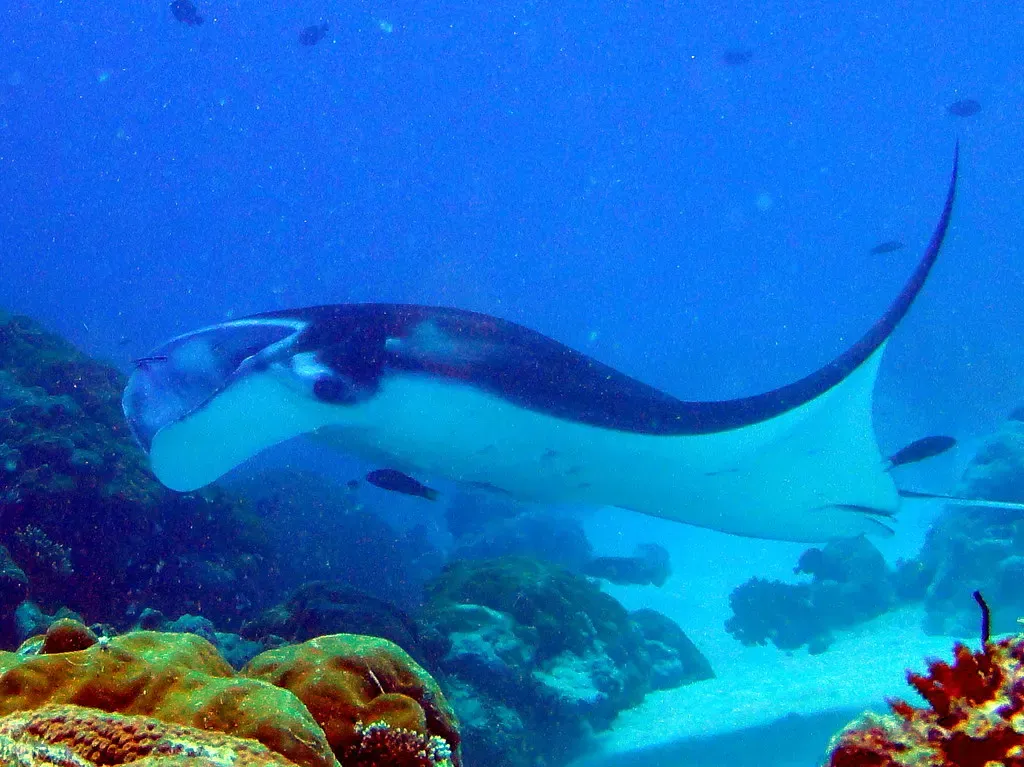
A manta cleaning station at the mouth of a channel cut in 1908
Wreck
Rifles, ammunition and helmets still aboard an upright mystery ship
Wreck
Following the mooring line down to the forward tower of an upright fleet oiler
Wreck
A coral-covered Japanese Navy seaplane visible from the surface
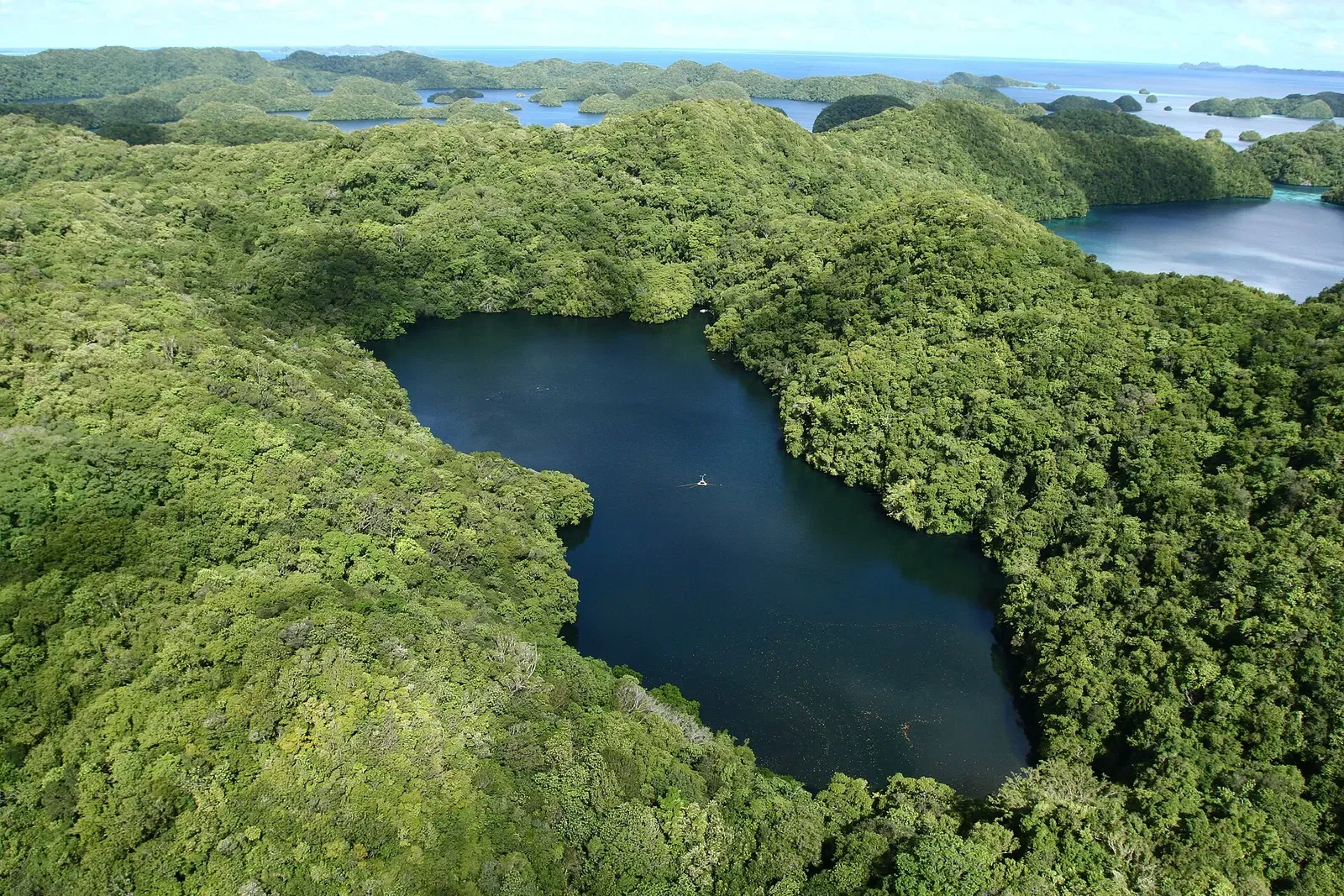
Millions of golden jellyfish crossing a 12,000-year-old marine lake
Pelagic & blue water
A lit hang-bar at 16 m, GPS-marked over a trench more than 7,000 metres deep
Wall
Two reef-hook stops, 10 to 30 m, in often the strongest current in Palau
Wall
Large schools of grey reef sharks off the corner on the incoming tide
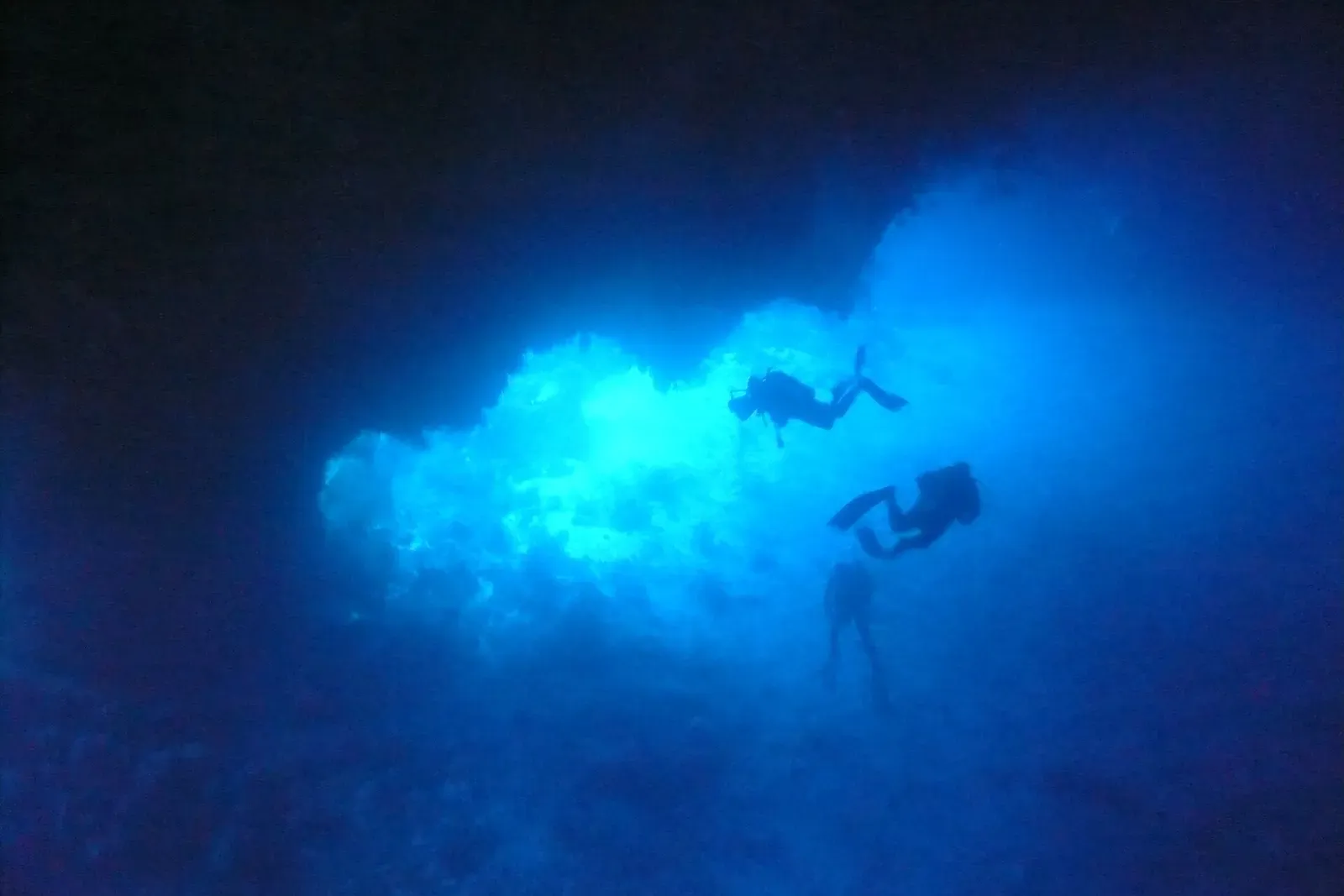
A swim-through in a vertical wall, open at both ends
Schools of jacks and barracuda along a drift through the barrier reef
How to get to Palau
Flights land at Roman Tmetuchl International Airport (Airai) on Babeldaob, the country's only airport. Many of the largest dive operators are based in Koror, and some centres sit in Malakal and collect divers from Koror hotels in the morning.
Photos from Palau
陳德範(Chen, De-Fan) · CC BY 4.0
陳德範(Chen, De-Fan) · CC BY 4.0
陳德範(Chen, De-Fan) · CC BY 4.0
陳德範(Chen, De-Fan) · CC BY 4.0
Dive videos
BLUE CORNER - Palau´s famous dive site under water (4K) · Marcel Steuermann on YouTube
Palau Scuba Adventure! (World's best diving?) · BlueWorldTV on YouTube
Questions divers ask
Are sharks a safety concern when diving Palau?+
The whole country's waters are a designated shark sanctuary, and reef sharks are seen in abundance on the dives. Bull sharks are common in the coastal waters and estuaries, so caution is advised there when diving or snorkelling.
Are there wrecks to dive in Palau?+
Yes. The Iro Maru, a Japanese naval supply ship sunk in 1944, rests upright in 40 m (131 ft), and penetration is possible for trained wreck divers.
When is the best season to dive Palau?+
Palau is dived in every month, and the very best conditions run from November to April. Manta numbers peak in the December to March mating season and typhoons are least likely from February to April, while from July to September visibility can drop to 15–20 m (49–66 ft), against often more than 40 m (131 ft) the rest of the year.
Is Palau for beginners or advanced divers?+
It suits intermediate and advanced divers best. Most sites are rated intermediate or advanced, and the corners at Blue Corner, Siaes Corner and Peleliu Wall are worked on a reef hook in strong current. The easy stops are the Jake Seaplane, upright in 15 m (49 ft), and Jellyfish Lake, which is a snorkel.
Liveaboard or land-based for Palau?+
Both work. Day boats from Koror and Malakal reach most sites after a ride of an hour or more, while liveaboards run every month from Malakal Harbour through the southern lagoon of the Rock Islands down to Peleliu. The Deep South is on liveaboard routes only from January to March.
Which permits does diving in Palau need?+
Dives in the Rock Islands need the Koror State Rock Island Use Permit, which is valid for 10 days and costs more with Jellyfish Lake included. Dives off Peleliu need a separate Peleliu government diving permit, and dive operators add the mandatory government permits on top of their dive rates.
Sources
- Diving in Palau, Micronesia — Dive The World
- Blue Corner Diving, Palau — Dive The World
- Palau — Wikivoyage
- Peleliu Wall dive site — PADI
- Dive Palau — Sea to Sky Experiences
- Jellyfish Lake — Wikipedia
- Fish 'n Fins — Pristine Paradise Palau
- Sam's Tours Palau Diving — Bluewater Dive Travel
Photo credits
- A dense school of bigeye barracuda swirls over a reef in Palau's waters by 陳德範(Chen, De-Fan), CC BY 4.0, via Wikimedia Commons
- Bigeye barracuda school swimming over a reef under sunlit blue water in Palau by 陳德範(Chen, De-Fan), CC BY 4.0, via Wikimedia Commons
- A hawksbill sea turtle rests among vivid coral on a Palau reef by 陳德範(Chen, De-Fan), CC BY 4.0, via Wikimedia Commons
- A hawksbill sea turtle swims close to coral and sponges in Palau by 陳德範(Chen, De-Fan), CC BY 4.0, via Wikimedia Commons
- Two hawksbill sea turtles swim together over a reef in Palau by 陳德範(Chen, De-Fan), CC BY 4.0, via Wikimedia Commons
Embed
Run a dive centre, club or blog? Embed this map of 12 dive sites near Palau on your own page.
In The Logbook
- Where to dive in DecemberTrip planning · 10 min read
- The best wall dives in the worldWalls & drop-offs · 11 min read
- Where to dive in every month of the yearTrip planning · 14 min read
- Blackwater diving: what it is and where to goNight diving · 13 min read
- When does coral spawn? The moon's calendarBig animals · 10 min read
- Bioluminescence: why the sea glows at nightNight diving · 7 min read
- What are thermoclines and haloclines?Ocean science · 8 min read
- When is slack water? Tides for diversOcean science · 7 min read
- Night diving: the best night dives in the worldNight diving · 12 min read
- How much weight do you need to dive?Gear & kit · 8 min read
- How long does a tank of air last?Gear & kit · 9 min read
- Why is the sea blue? Water filters out redOcean science · 7 min read
- Why your ears hurt diving, and how to stop itBody & health · 8 min read
- Where to dive with whale sharks, month by monthBig animals · 16 min read
- Drift diving: how to read and ride a currentDrift & current · 8 min read
- Where to dive with manta rays, month by monthBig animals · 8 min read
- When and where to dive with hammerheadsBig animals · 16 min read
Similar destinations

A 38 m chimney built by freshwater springs venting inside the lagoon

Swim out of a collapsed limestone cavern into the open Pacific


Wrecks from two wars touching in Apra Harbor, plus the Blue Hole sinkhole
Pacific Islands
A hundred kilometres of barrier reef with almost no divers on it