Mediterranean · Croatia
Kvarner — Cres, Krk & Lošinj
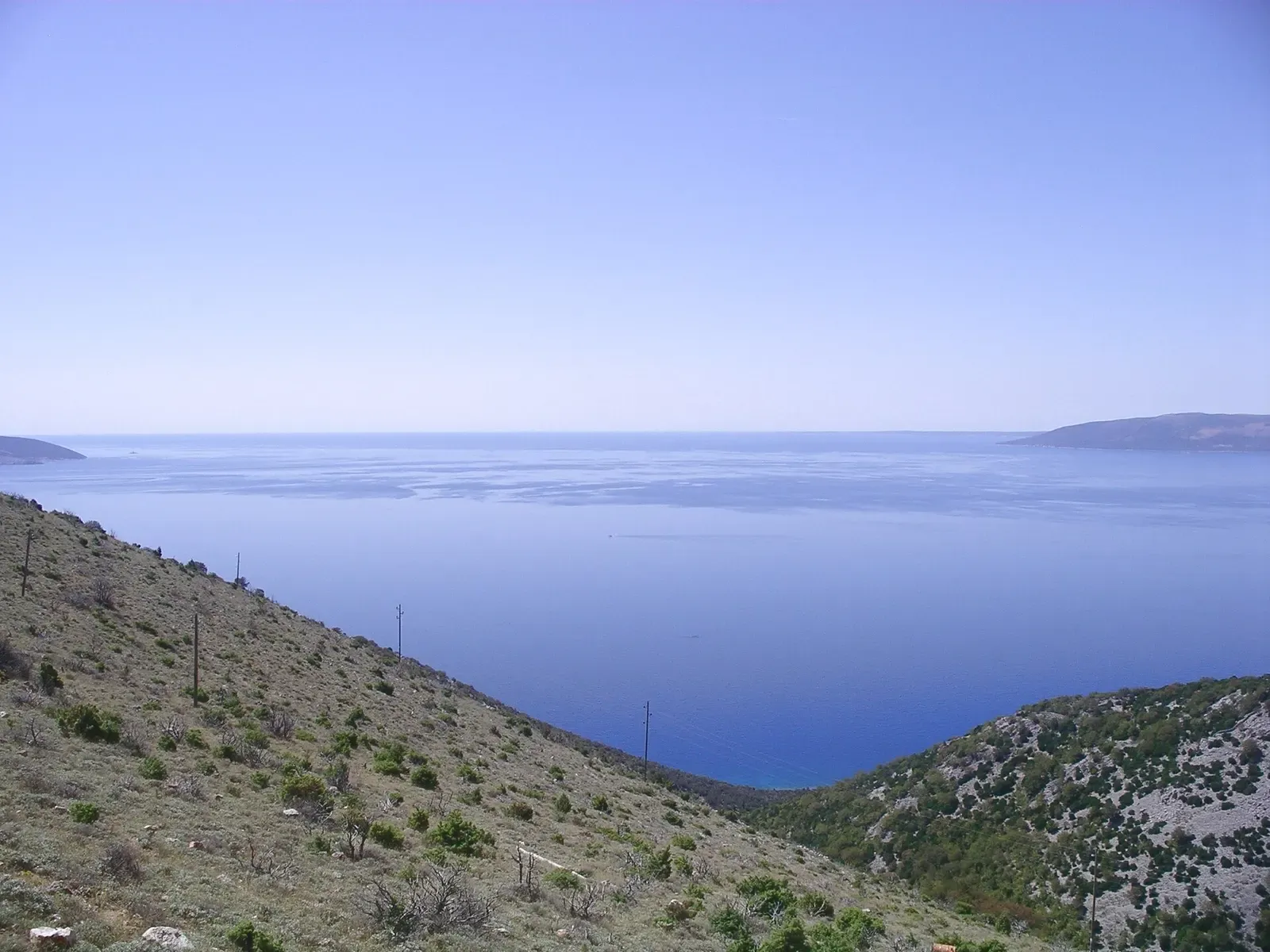
Selzine's blue and red gorgonian wall, dropping to 45 m off Cres
Photo: Nem80 · CC BY-SA 3.0
Kvarner is the gulf between Istria and the Croatian mainland, and its diving is spread across Krk, Cres, Rab and Lošinj and the coast east of Rijeka rather than one port. The sites are limestone walls and caverns: the gorgonian wall at Selzine off Cres drops to 45 m, the reef edge at Susak falls from 5 to 40 m, and Vrbnik Cave on Krk runs 25 m into the rock under a sunlit shaft. Wrecks run from the Peltastis, a Greek cargo ship lost in 1968 in 12–32 m off Krk, to the trimix-only Nanos at 70–93 m, and the Cres–Lošinj strait holds a resident bottlenose dolphin population studied since 1987.
About diving in Kvarner — Cres, Krk & Lošinj
There is no single dive town. A diver picks a base on Krk, Cres, Lošinj or Rab, or the mainland east of Rijeka, and dives what it reaches. Krk town has Diver Krk and Fun diving Krk on one street, with Pelagos at Njivice; diving-cres runs from Camping Kovačine on Cres; Subseason dives out of Mali Lošinj; Kron Diving at Kampor covers Rab, Grgur and Goli; and on the mainland Diving Center Kostrena and Mihurić at Selce dive house reefs. Runs are mostly short: five minutes by speedboat to Maman off Rab, 15 to 20 to Grgur, 20 to 25 to the Cres walls and 30 to 40 to the far end of Goli. House reefs are shore entries used for courses, and in high season the Cres one shuts at 11:15 for boat traffic.
The rock is limestone and the diving follows it down. Walls are the main event: Selzine off Cres starts on a plateau and drops steeply to 45 m with blue and red gorgonian, and the reef edge at Susak breaks at 5 m and falls to 40 m. Caves cut into the islands: Vrbnik Cave on Krk is a 25 m passage lit from above by a narrow siphon, and Big Cave bores into Cres between 3 and 16 m. Maman off Rab is rock from 8 to 28 m under colourful sponge, and Hrid Kamenjak off Krk carries nudibranchs, sponges and yellow gorgonians. Seahorses turn up on the sand at Travnica, scorpionfish and the odd conger at Malibu Bay, and the Cres–Lošinj strait holds resident bottlenose dolphins studied since 1987.
Currents are mild in season. The bays are calm and sheltered by the gulf, and Sika Tanki on Grgur is the only site the operators flag for current. That suits beginners: Koludarac bay off Mali Lošinj hosts course training, the Kostrena house reef has a plateau to 12 m before the wall drops to about 40 m, and Mihurić has a buoyancy park and a statue in its shallows. The exception is the bura: in winter and early spring the north-east wind churns the water, cuts visibility and brings currents the operators call challenging, and boats retreat to bays such as Velo Kolo off Rab and Vela Draga on Goli. Diving permits are issued at the harbour master's office on passport, certification and a fee.
Divers whose main interest is historic wrecks should look at Istria, where the Baron Gautsch and the Vis lie in recreational depths. Kvarner's recreational wrecks are the Peltastis in 12–32 m off Krk, the Etnea on her side at 35 m off Unije and the Bangladesh at 28–31 m off Lošinj; the Jakljan at 42–51 m, the Regolo, torn from its moorings at Senj in a snowstorm and sunk at 65 m, and the Nanos at 70–93 m lie past recreational limits. Anyone chasing sheer, long walls will find bigger ones in the Kornati. Kvarner suits divers who want mixed diving from one base, walls and caverns a short boat ride out, shore reefs for training and the odd wreck, with the choice of island shaping the week.
When to dive Kvarner — Cres, Krk & Lošinj
| Jan | Feb | Mar | Apr | May | Jun | Jul | Aug | Sep | Oct | Nov | Dec |
|---|---|---|---|---|---|---|---|---|---|---|---|
| Off-season | Off-season | Fair | Fair | Good | Prime | Prime | Prime | Prime | Good | Fair | Off-season |
Peak season is May to September and conditions hold into October; from winter into early spring the bora churns the water and brings current, with the sea at 12–14 °C.
Dive types & marine life
Fixed growth and small animals, not big ones: blue and red gorgonians at Selzine, nudibranchs and yellow gorgonians at Hrid Kamenjak, seahorses at Travnica, scorpionfish and conger at Malibu Bay, and octopus as the most-logged sighting. A resident bottlenose dolphin population lives in the Cres–Lošinj strait; the reserve declared for it in 2006 lapsed in 2009, and no site promises them on a dive.
- Wall
- Cave & cavern
- Reef
- Wreck
- Night
- Dolphins
- Nudibranchs
- Octopus & cuttlefish
- Macro critters
- Reef fish swarms
Notable dive sites in Kvarner — Cres, Krk & Lošinj
Reef
Two reefs: yellow gorgonians to 25 m, endemic sponges to 35 m
Wreck
Upright, intact wreck with anti-aircraft guns at bow and stern, 42 to 51 m
Wall
Overgrown wall from 20 to 40 m, scorpionfish and frequent octopus
Reef
Two parallel sponge-covered rock ridges from 8 to 28 m, five minutes from Rab
Wreck
Near-vertical stone-cargo wreck, propeller at 75 m, trimix only
Wreck
Greek cargo ship lost in 1968, sponge-covered in 12 to 32 m off Krk
Wall
Near-vertical wall to 40 m on Krk's east side, dived one way
Wall
Fields of blue gorgonians from 30 m on a wall dropping to 45 m
Wall
Colourful wall on Grgur dived down the anchor line, known for current
Wreck
Steamer torn from Senj harbour by a snowstorm, sunk at 65 m
Wall from 5 to 40 m on Susak's south side, with Roman columns nearby
Wall
Seahorses on the sand in 3 to 10 m, then a wall from 10 to 40 m
Vrbnik Cave
Cavern on Krk's east coast: a 4 m entrance, a 25 m passage and a narrow siphon that lets sunlight in.
Getting there
Rijeka Airport (RJK) is on Krk near Omišalj, and Krk has had a road bridge to the mainland since 1980. Cres and Lošinj are reached by car ferry from Krk (Valbiska–Merag) or Istria (Brestova–Porozina), or by fast boat from Rijeka; Lošinj has a small airport too. Rab is a ferry from Stinica or from Krk and Pag. Centres sit in Krk town, on Cres and Rab, in Mali Lošinj, and at Kostrena and Selce.
Photos from Kvarner — Cres, Krk & Lošinj
dnik · CC BY-SA 4.0
Photo credits
- Dry limestone hillside on Cres island above the deep blue Kvarner gulf by Nem80, CC BY-SA 3.0, via Wikimedia Commons
- Hillside town of Kastav overlooking the wooded coast and the Bay of Kvarner by dnik, CC BY-SA 4.0, via Wikimedia Commons
Similar destinations
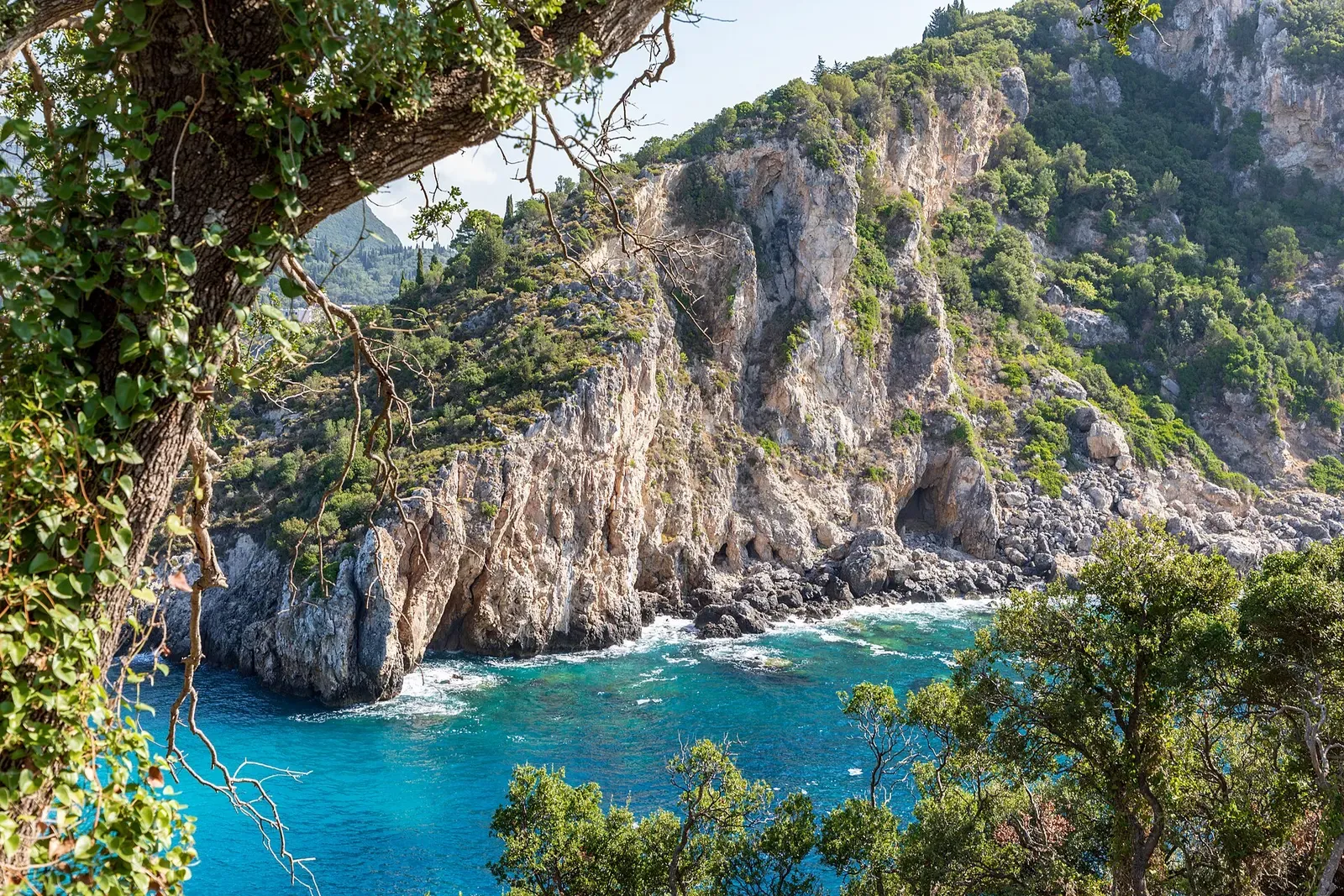
A cluster of cavern dives at Paleokastritsa, wrecks and reefs off the north-east coast
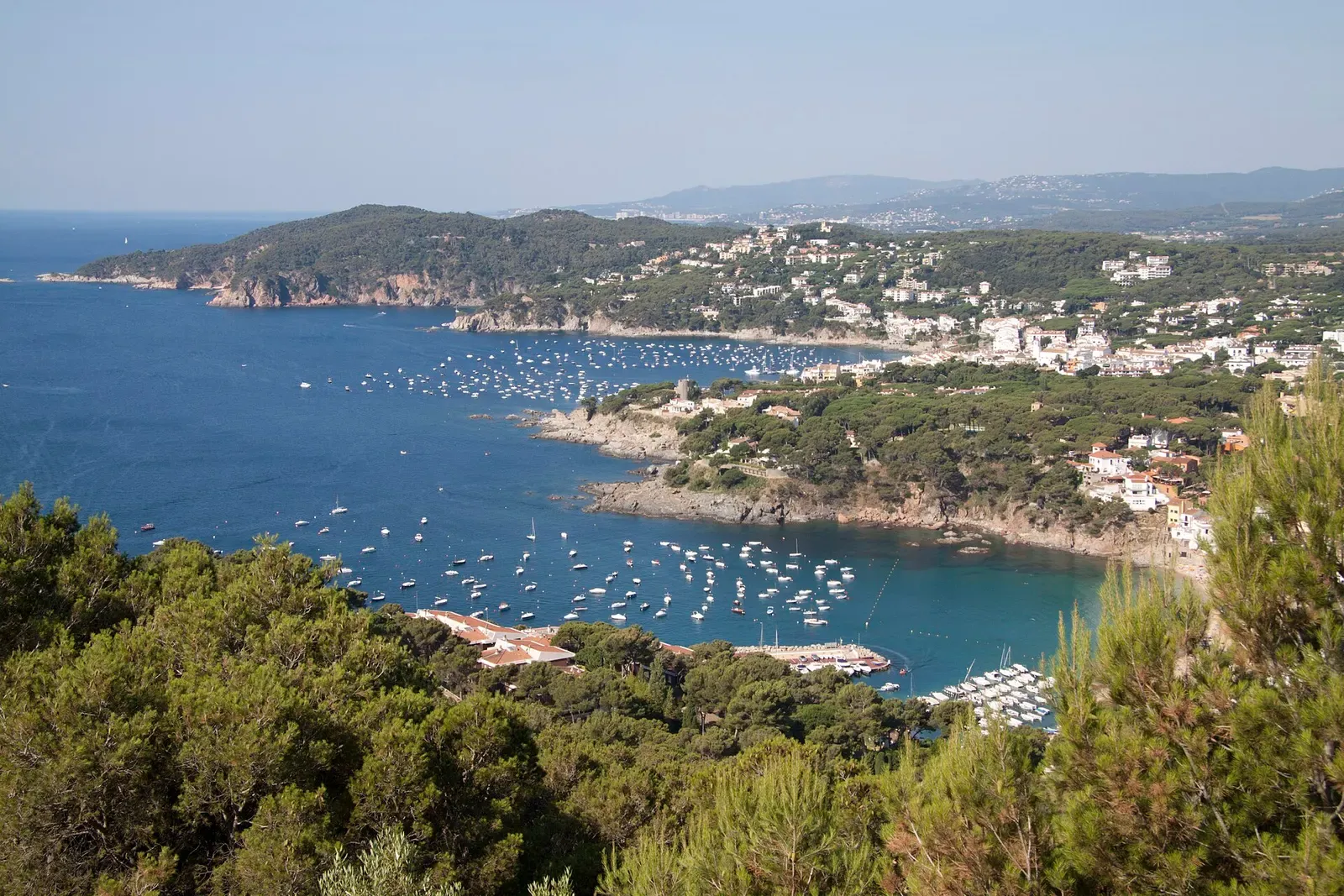
Three seamounts, a navy-tug wreck and gorgonian walls between Palamós and Cap de Begur

Fossil elephant tusks inside a cave whose entrance is now at 10 m
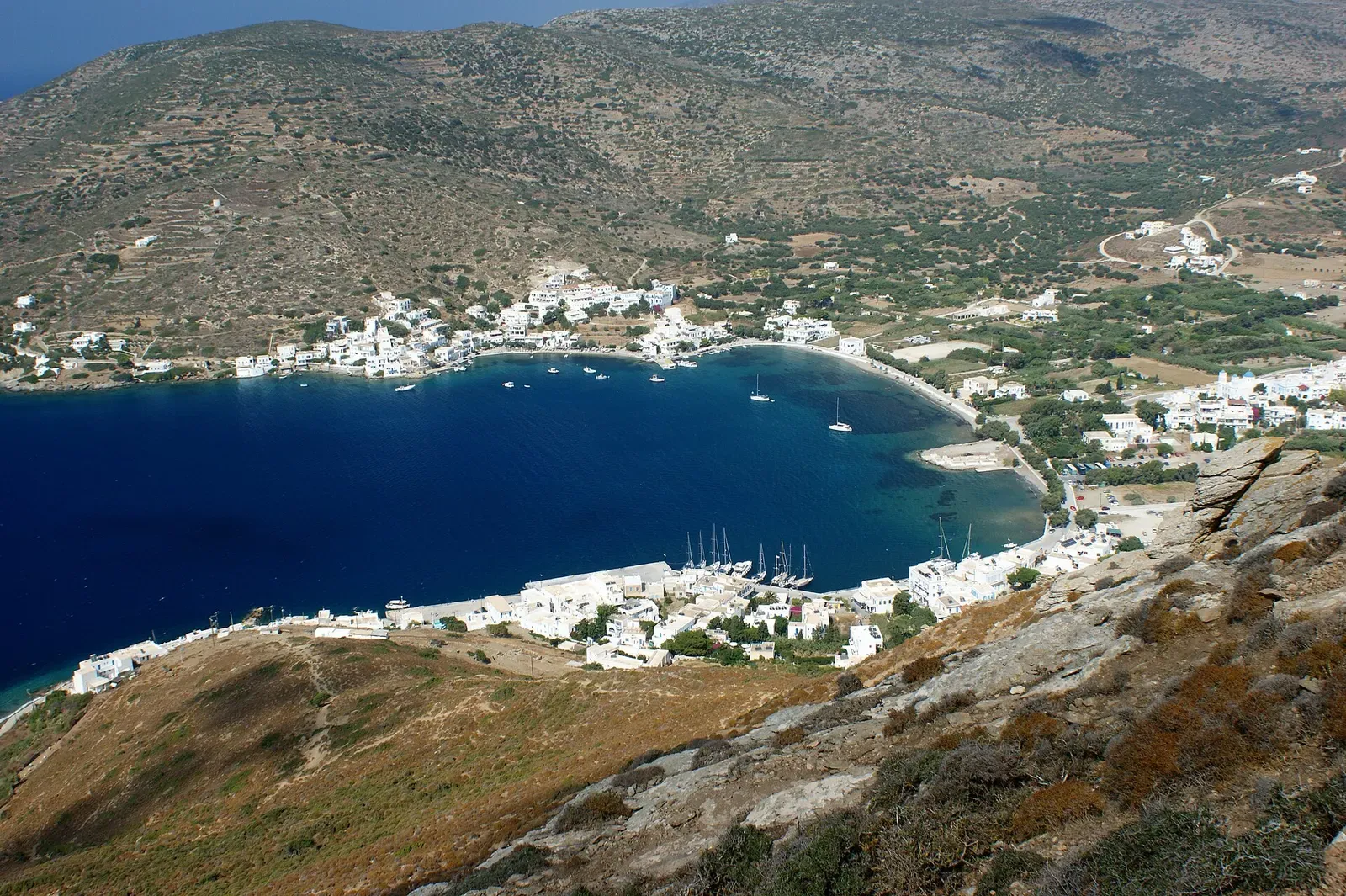


A 40 m wall under the monastery filmed in The Big Blue