Riviera Maya Cenotes · Mexico · Cenote · Cave & cavern · Freshwater
Angelita
A sulphide cloud you can put a hand through, at 27 m
Photo: Offthebeatonpath · CC BY-SA 4.0
A single flooded shaft south of Tulum with a layer of hydrogen sulphide hanging across the middle of it. PADI records the drop at 55 m and puts the cloud at around 27 m, which is where a recreational profile turns, and lists the site for experienced divers. The dive is a controlled descent to the layer and a controlled ascent back out of it.
Also known as Cenote Angelita, Little Angel.
Where it is and how deep
20.1398° N, 87.5720° WPublished position for this site.
The dive
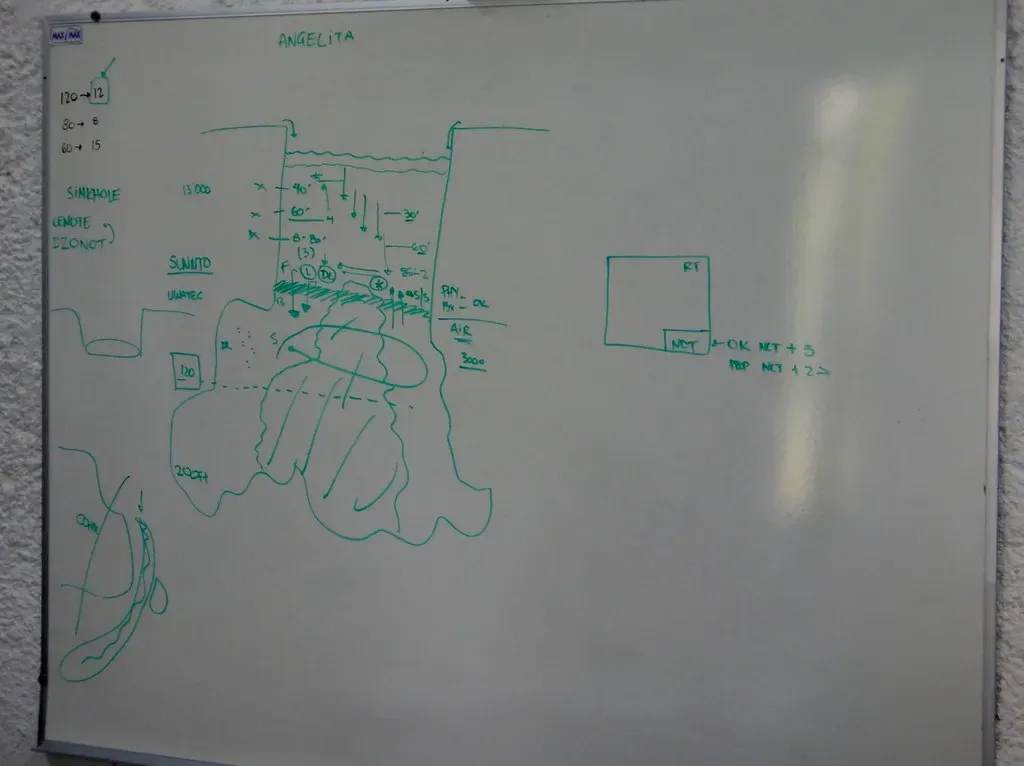
The dive is a descent, not a route. You drop into open water and follow the shaft down, so the whole thing comes down to watching depth, gas and the entrance light narrowing to a disc above you. PADI describes the site as a 55 m drop, and with nothing to look at sideways on the way down the plan is agreed on the surface rather than adjusted in the water.
At around 27 m the cloud arrives — a layer of hydrogen sulphide lying flat across the shaft, dense enough to read as a floor until you are on top of it. PADI calls it the highlight of the dive: you hang above the layer, put an arm or a head through it and watch it close over. Below it the shaft carries on to 55 m, past where most recreational divers are trained to go, so the turn is agreed before anyone gets wet.
Marine life and season
The sources we used don't single out particular species here.
| Jan | Feb | Mar | Apr | May | Jun | Jul | Aug | Sep | Oct | Nov | Dec |
|---|---|---|---|---|---|---|---|---|---|---|---|
| Good | Good | Good | Good | Good | Good | Good | Good | Good | Good | Good | Good |
Season follows Riviera Maya Cenotes: Cenote water temperature holds steady all year; Dos Ojos gets busier in the December–April peak season while most other cenotes stay quiet.
Know before you go
- The sulphide layer at about 27 m hides everything under it and the shaft keeps going to 55 m. Agree a hard turn depth on the surface rather than deciding at the cloud.
- There is nothing to reference on the descent but the wall, so depth and buoyancy are easy to lose. Watch the gauge rather than the view.
Dive videos
Cenote Angelita: "Underwater River" · AB TV on YouTube
Questions divers ask
How deep is Cenote Angelita?+
PADI records a 55 m drop. The hydrogen-sulphide cloud the dive is built around sits at about 27 m, and that is where recreational profiles turn.
Sources
- Cenote Angelita dive site — PADI
- OpenStreetMap: Cenote Angelita — OpenStreetMap
Photo credits
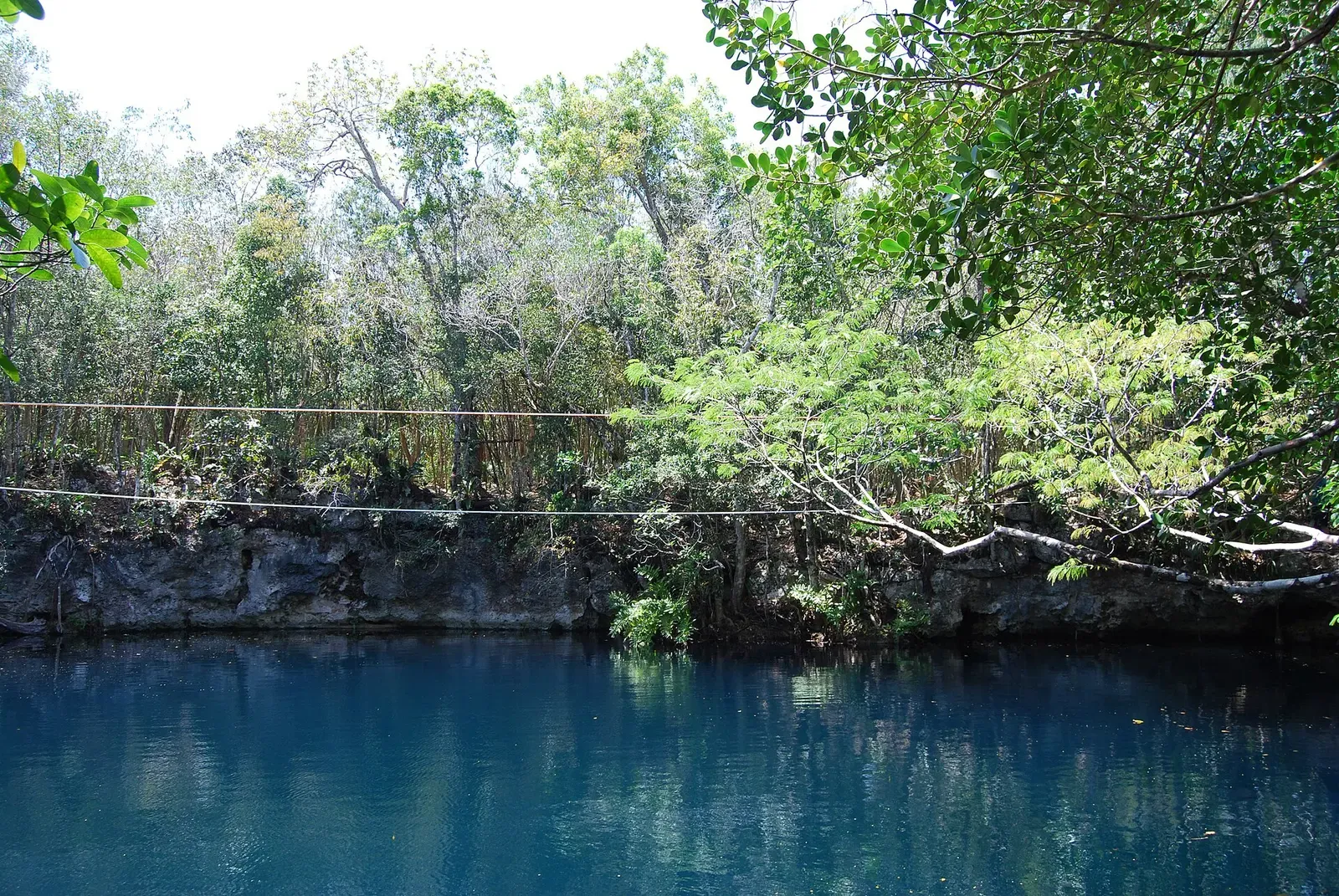
- Turquoise cenote pool framed by overhanging mangrove branches, seen from a rocky shoreline. by Offthebeatonpath, CC BY-SA 4.0, via Wikimedia Commons
- Whiteboard dive-briefing sketch titled ANGELITA showing the shaft's depth profile and gas plan. by Serge Melki, CC BY 2.0, via Openverse
In The Logbook
- What are thermoclines and haloclines?Ocean science · 8 min read
- What is a blue hole, and what's down there?Caves & caverns · 13 min read
- How long does a tank of air last?Gear & kit · 9 min read
- Freshwater diving: lakes, springs and quarriesFreshwater · 15 min read
- Cavern and cenote diving without cave trainingCaves & caverns · 8 min read
More dive sites in Riviera Maya Cenotes
A mangrove channel dive with no overhead at all
Lily pads on the surface, decorated cavern underneath
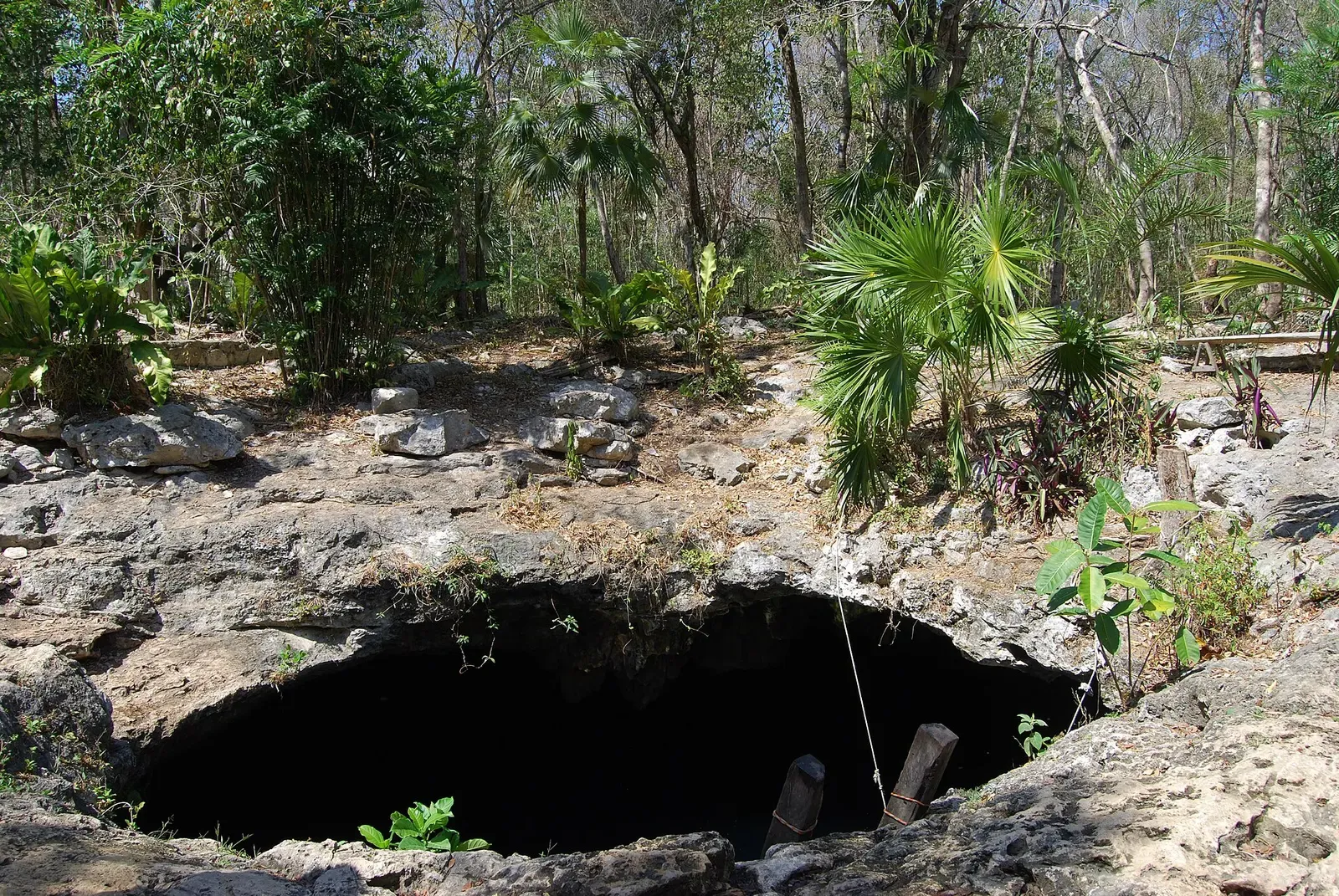
Jump through the roof or take the ladder beside it
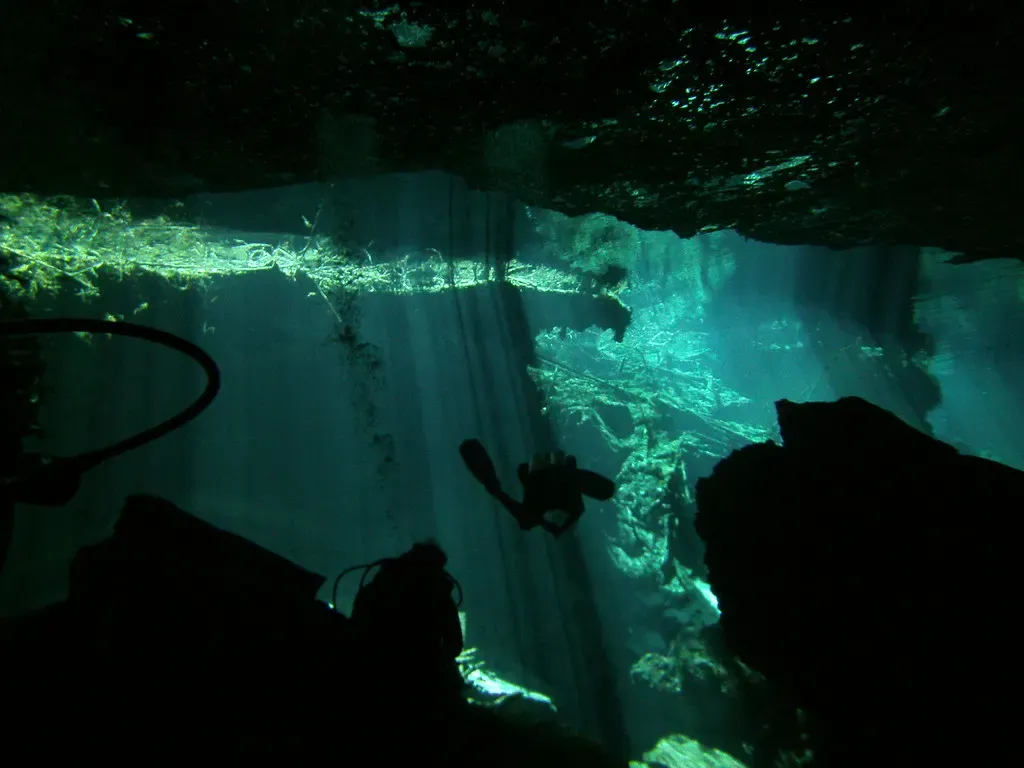
An air dome you can surface in, under two levels of stalactites
Cenote
Where cave divers found three prehistoric skeletons
Cenote
A crossing to the neighbouring Rainbow Cenote
Cenote
Nine metres of clear water used for course skills
Cenote
Four permanent cave lines from one platform
Similar dives elsewhere
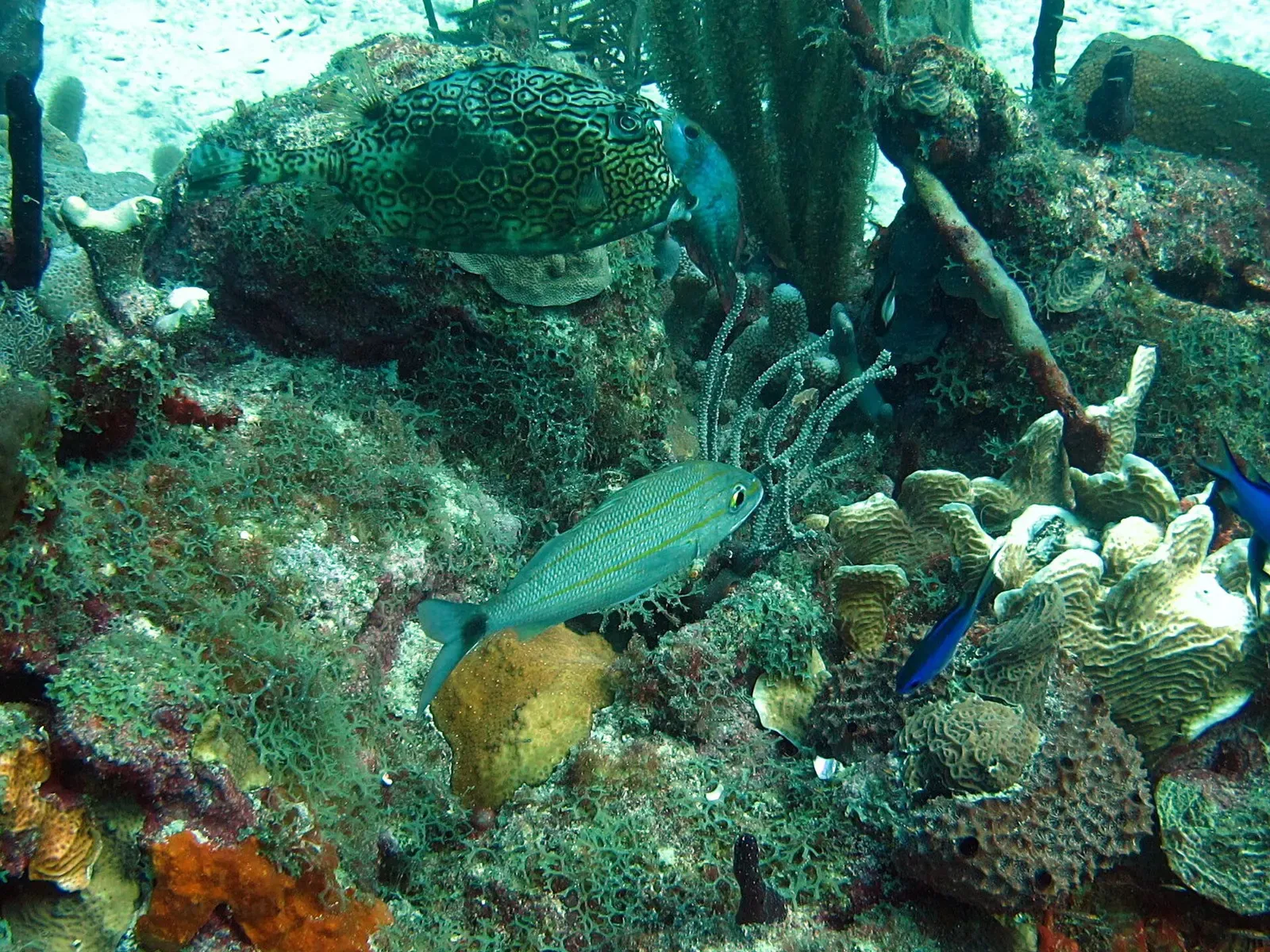
Taíno artefacts in place in a 9 m freshwater cave
Cave & cavern
Dan's Cave
South Abaco Blue Holes · Bahamas
Cascade Room entrance leads to crystal rooms with names like Fangorn Forest
Cave & cavern
Ralph's Cave
South Abaco Blue Holes · Bahamas
Formations 13,000 to 350,000 years old inside a deep, roller-coaster passage
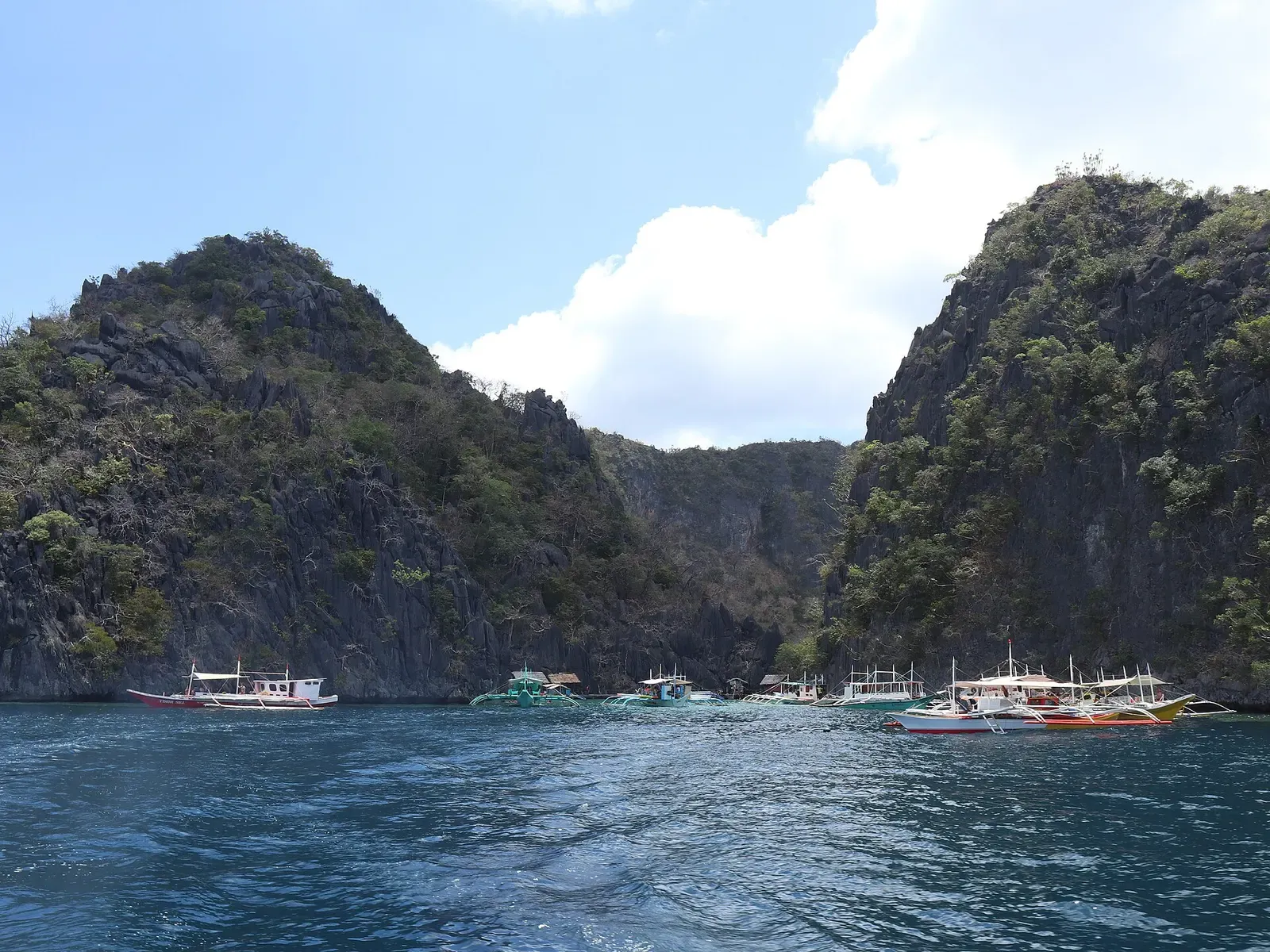

Fresh water over salt, and 38 degrees below the thermocline