
Pacific Islands · Micronesia
Chuuk Lagoon
More than 60 ships and aircraft from February 1944 on one lagoon floor
Photo: Matt Kieffer · CC BY-SA 2.0
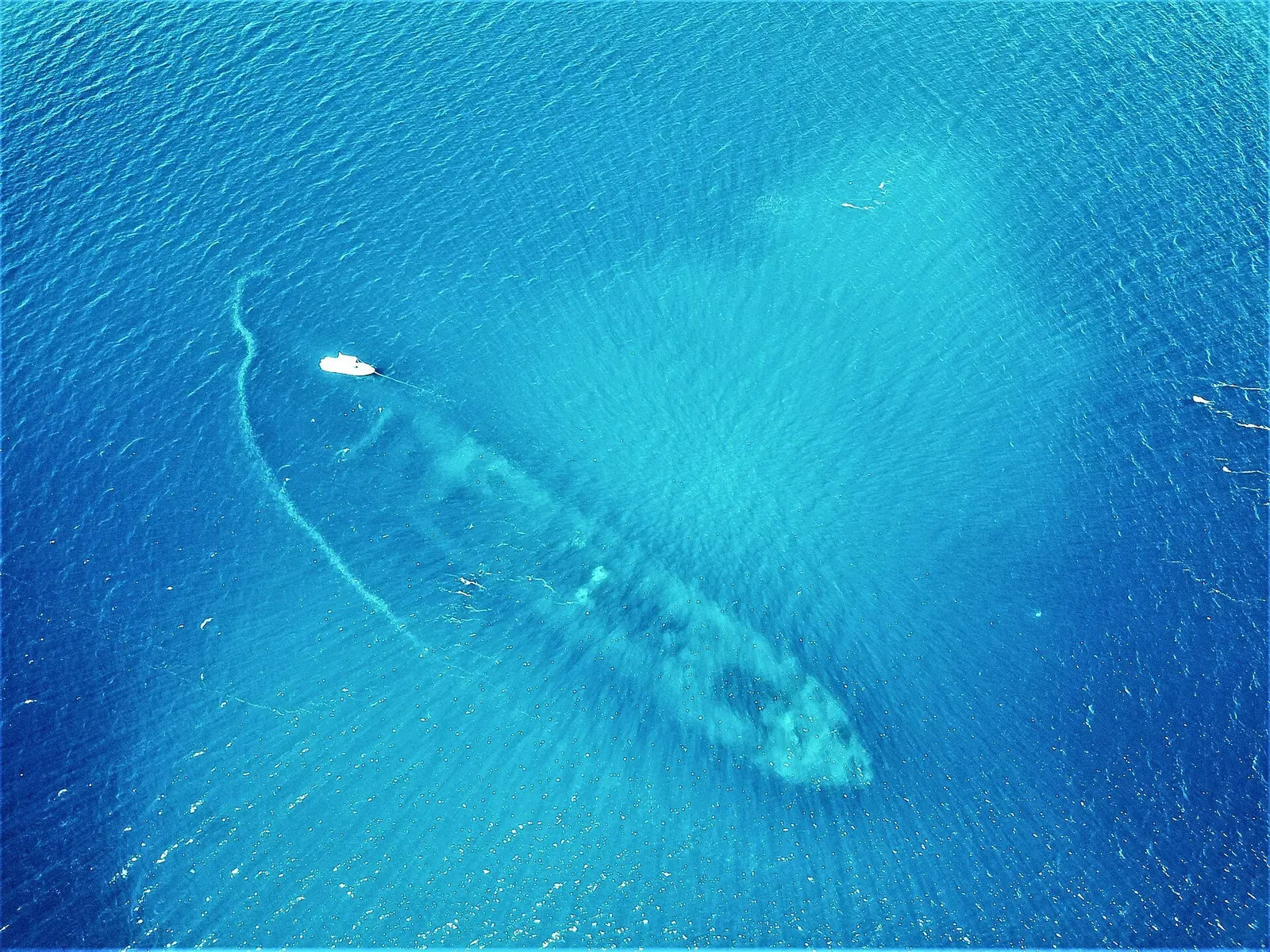
Chuuk Lagoon, known mainly as Truk until 1990, holds more than 60 Japanese warships and aircraft sunk during Operation Hailstone in February 1944. The Fujikawa Maru is often ranked among the top 10 wreck dives in the world, and the San Francisco Maru, Nippo Maru, Shinkoku Maru and Heian Maru lie a short boat ride away inside the same lagoon, where very little current runs.
About diving in Chuuk Lagoon
Dives are run by boat across the lagoon, and from the Truk Stop Hotel's private dock most of the wrecks are less than 20 minutes away. Blue Lagoon Dive Centre runs a two-tank morning and a single dive after lunch, with night dives arranged on request. On a liveaboard the surface interval passes mere minutes from the next wreck.
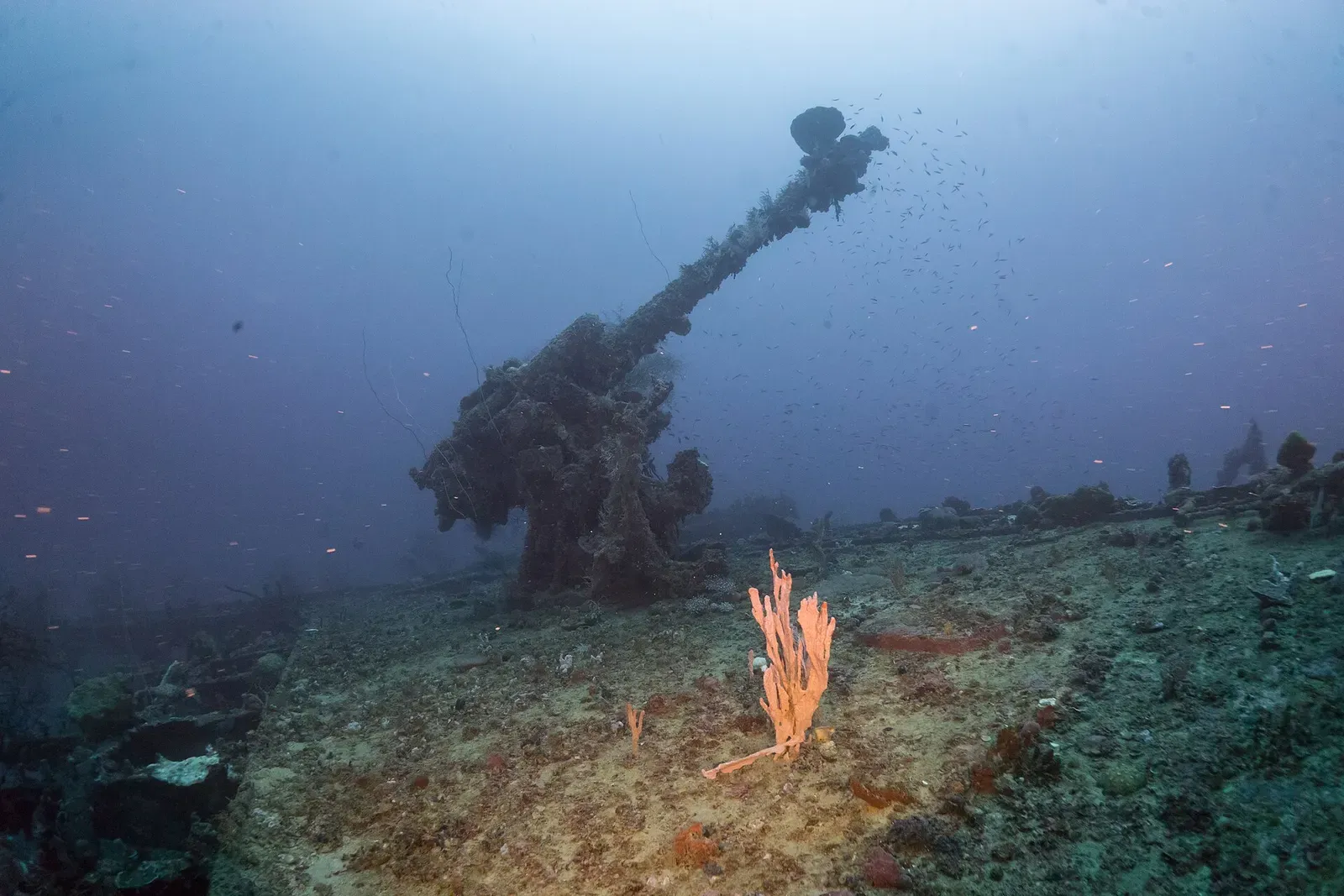
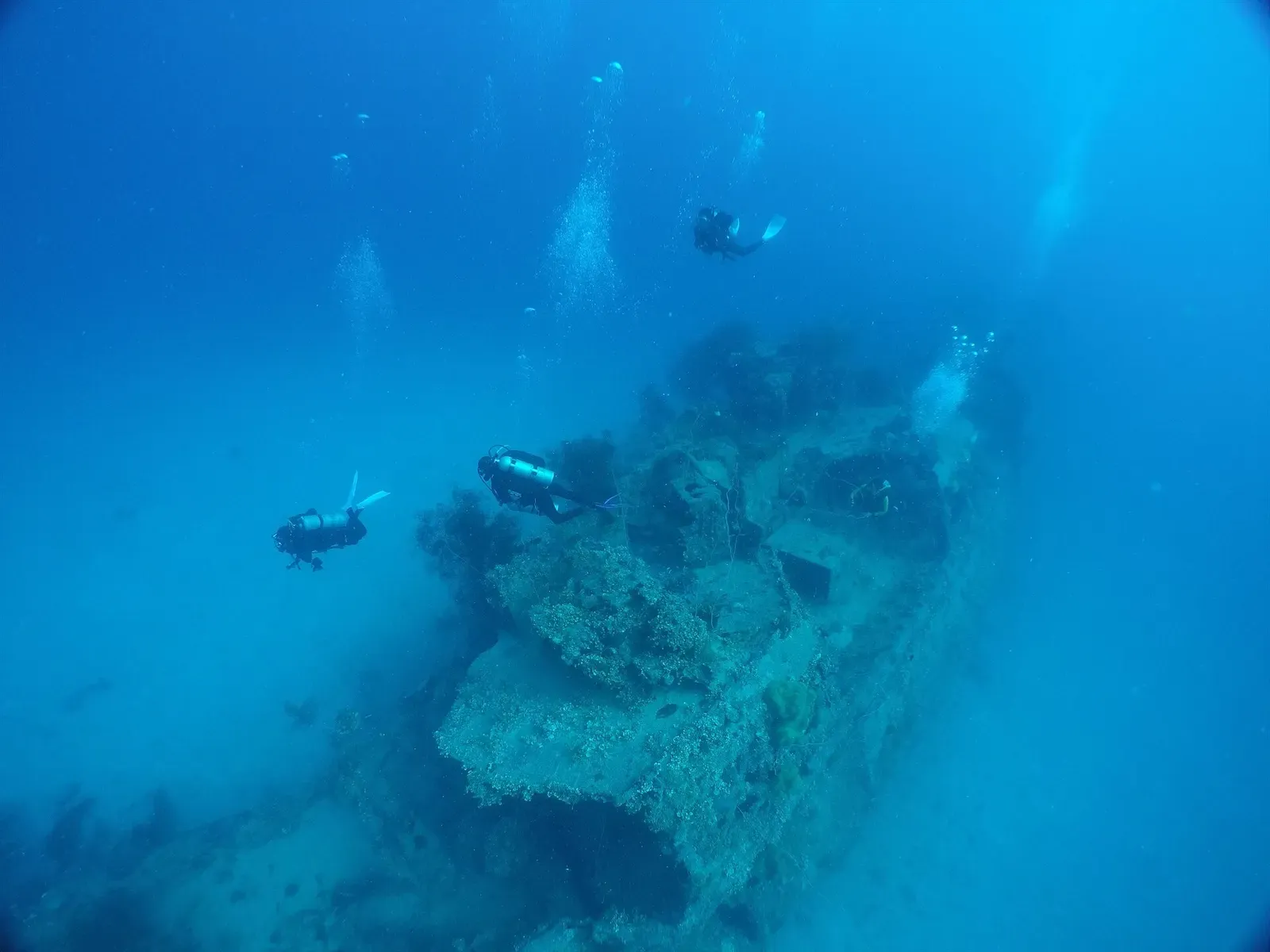
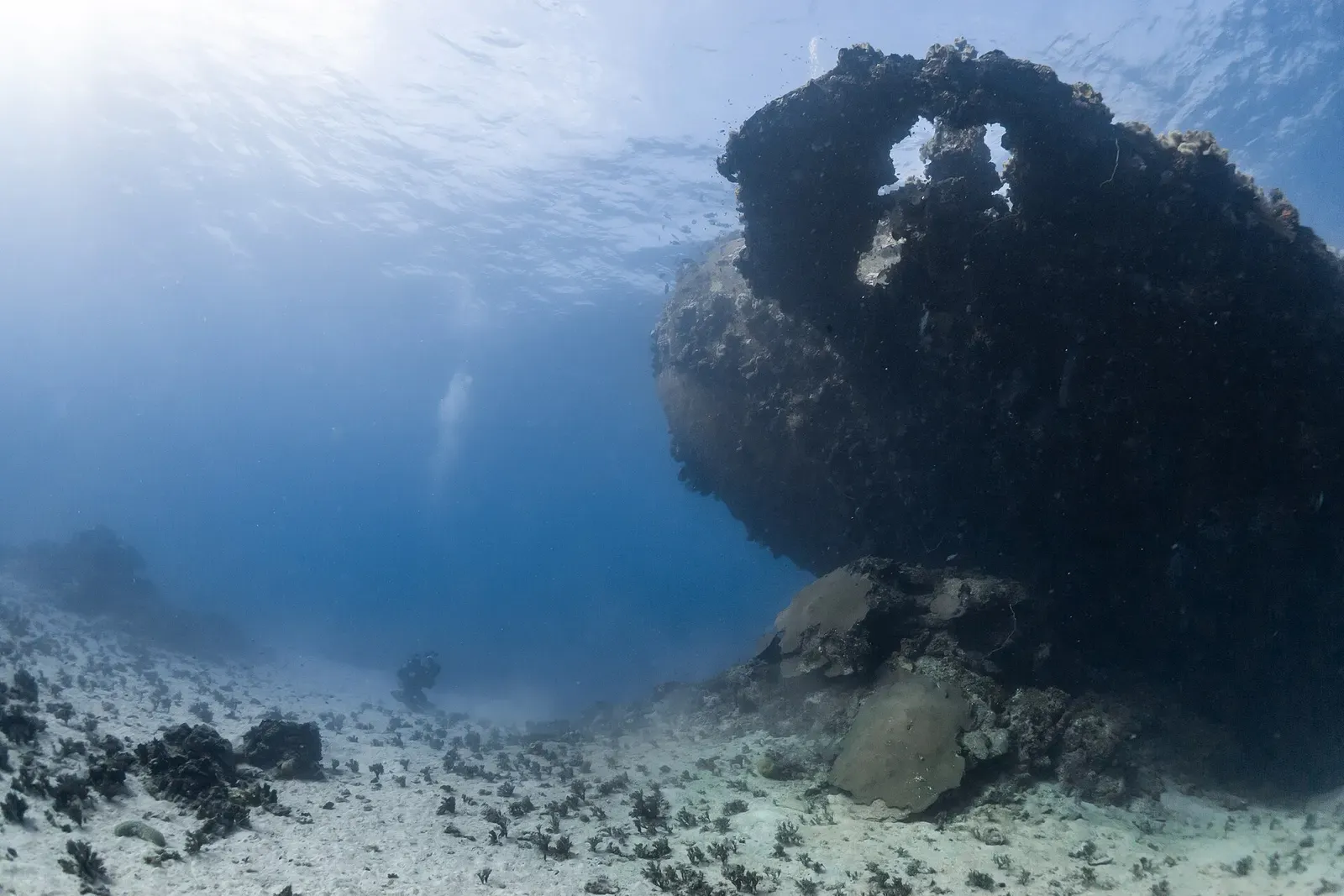
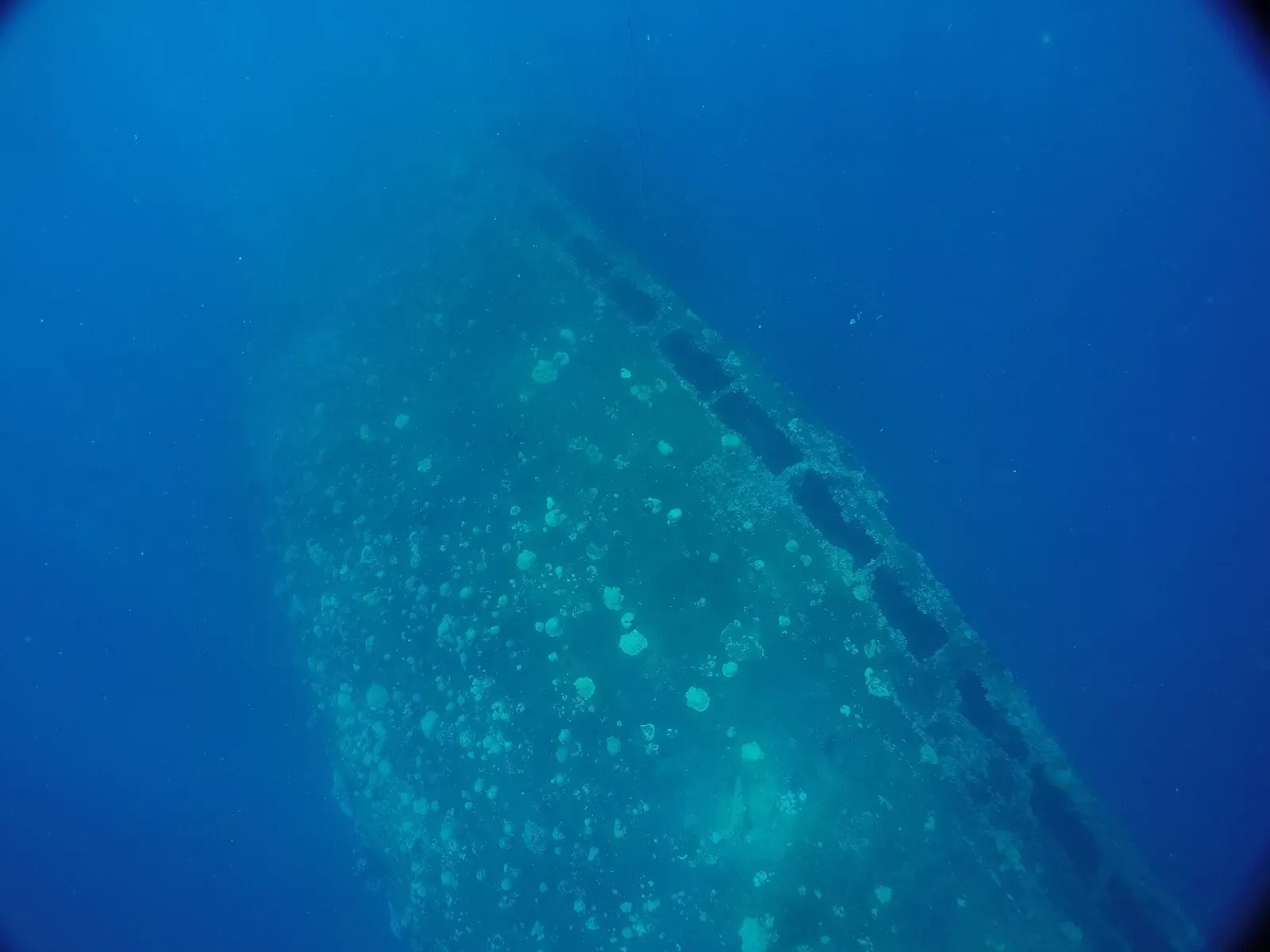
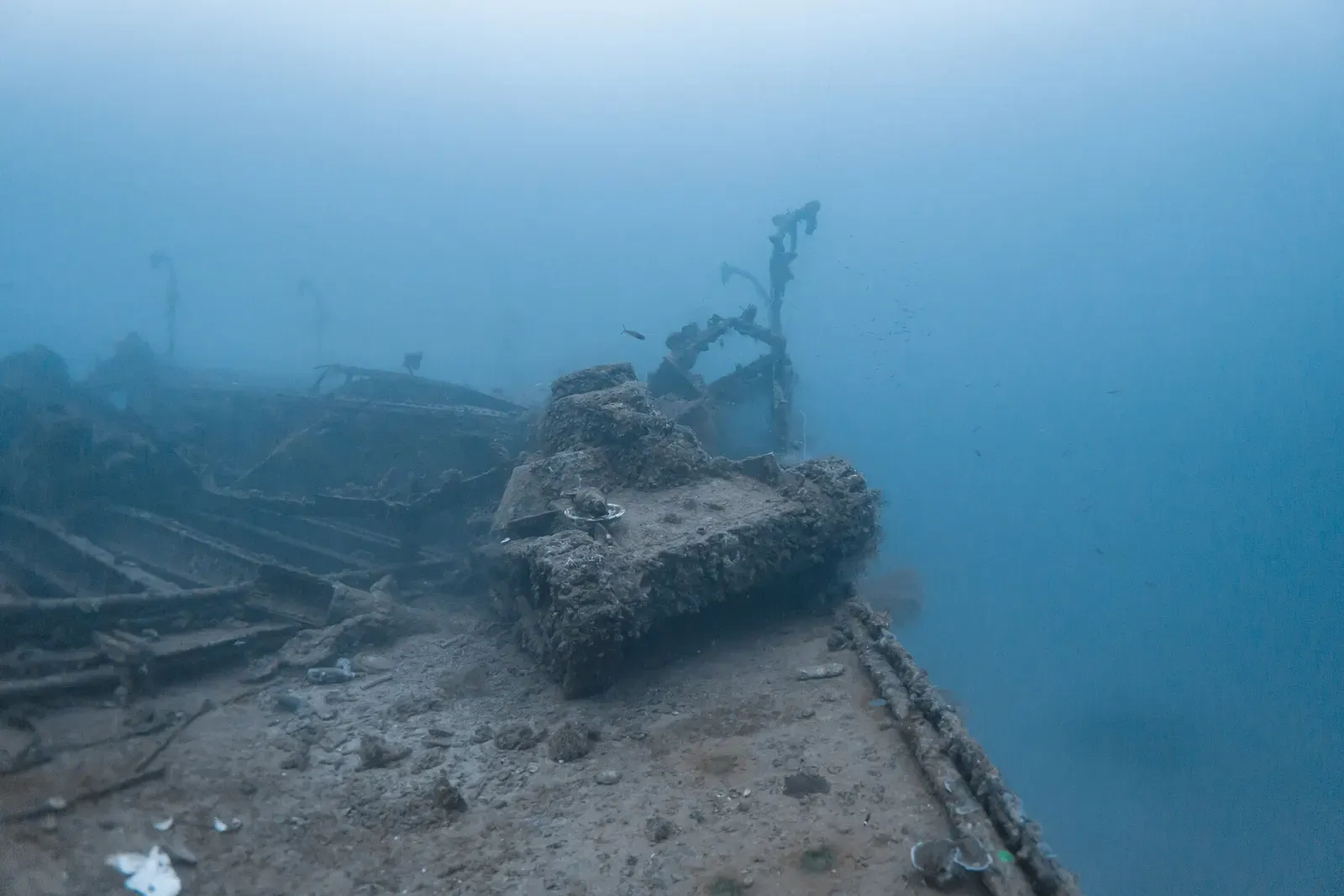
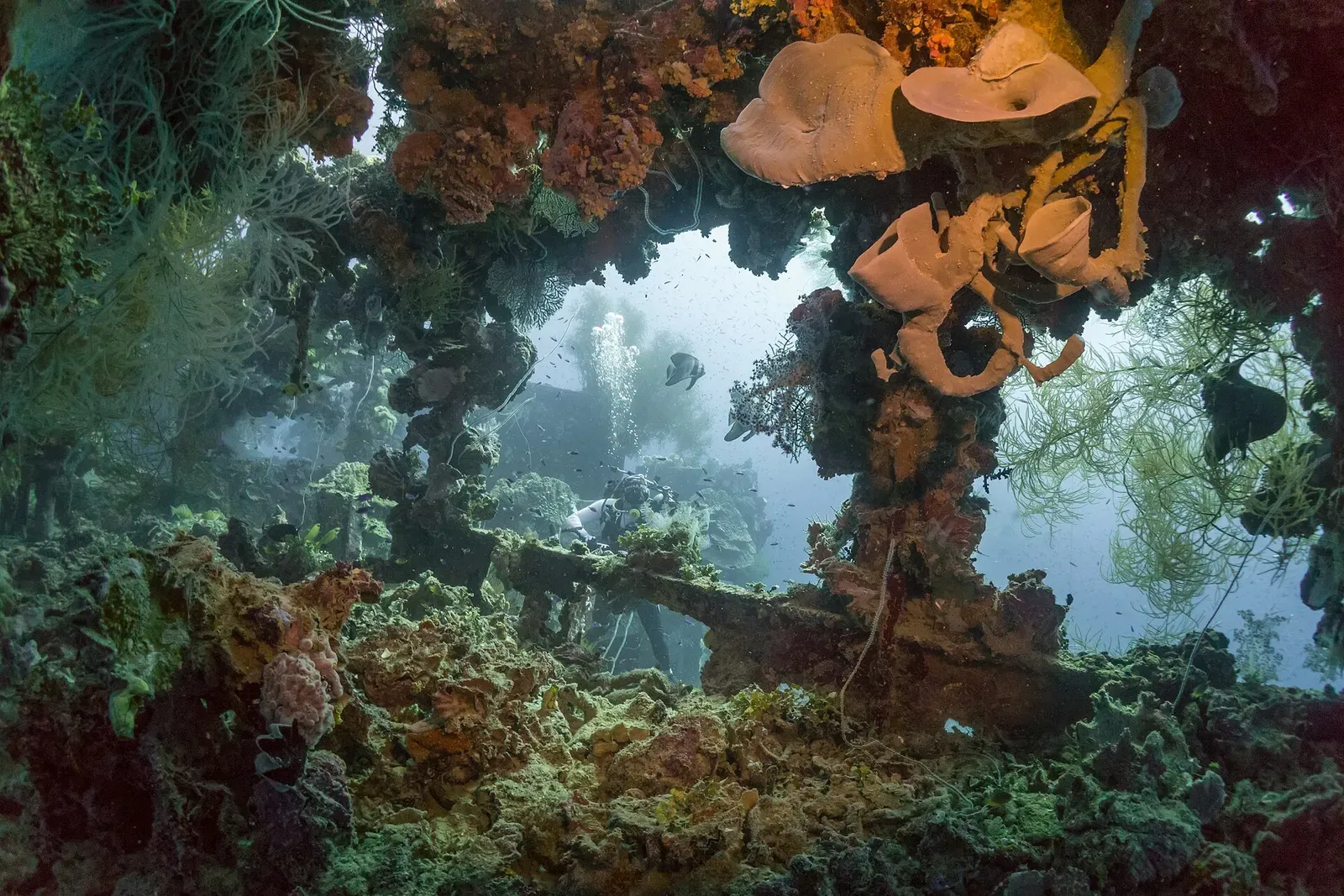
More than 60 ships and aircraft went down in the strikes of February 1944 and now rest on the lagoon floor. The tops of the wrecks usually lie at 12 to 18 m (40 to 60 ft) and their bottoms at 30 to 49 m (100 to 160 ft) on a recreational trip. Coral encrusts the hulls, and anemones and crinoids cover the deck railings. It is lagoon water, good but not excellent for clarity, and 10 m (30 ft) counts as a bad day.
The lagoon suits wreck divers above all. Very little current makes the dives relatively easy, and most hulls sit at depths a novice or sport diver can reach; the Truk Lagoon Dive Center teaches everything from beginner classes to technical diving. Macro photographers find life on every wreck, though less of it than at other places.
Best time to dive Chuuk Lagoon
| Jan | Feb | Mar | Apr | May | Jun | Jul | Aug | Sep | Oct | Nov | Dec | |
|---|---|---|---|---|---|---|---|---|---|---|---|---|
| Season | Prime | Prime | Prime | Good | Good | Fair | Fair | Fair | Fair | Good | Good | Prime |
| Sea surface | 29°C84°F | 29°C84°F | 29°C84°F | 29°C84°F | 29°C84°F | 30°C86°F | 30°C86°F | 30°C86°F | 30°C86°F | 30°C86°F | 30°C86°F | 29°C84°F |
| Daytime high | 29°C84°F | 29°C84°F | 29°C84°F | 29°C84°F | 29°C84°F | 30°C86°F | 29°C84°F | 29°C84°F | 30°C86°F | 30°C86°F | 30°C86°F | 30°C86°F |
| Rain | 183 mm7.2 in | 197 mm7.8 in | 227 mm8.9 in | 228 mm9.0 in | 268 mm10.6 in | 255 mm10.0 in | 287 mm11.3 in | 250 mm9.8 in | 304 mm12.0 in | 222 mm8.7 in | 232 mm9.1 in | 240 mm9.4 in |
| Jan | Feb | Mar | Apr | May | Jun |
|---|---|---|---|---|---|
| Prime | Prime | Prime | Good | Good | Fair |
| Sea surface | |||||
| 29°C84°F | 29°C84°F | 29°C84°F | 29°C84°F | 29°C84°F | 30°C86°F |
| Daytime high | |||||
| 29°C84°F | 29°C84°F | 29°C84°F | 29°C84°F | 29°C84°F | 30°C86°F |
| Rain | |||||
| 183 mm7.2 in | 197 mm7.8 in | 227 mm8.9 in | 228 mm9.0 in | 268 mm10.6 in | 255 mm10.0 in |
| Jul | Aug | Sep | Oct | Nov | Dec |
|---|---|---|---|---|---|
| Fair | Fair | Fair | Good | Good | Prime |
| Sea surface | |||||
| 30°C86°F | 30°C86°F | 30°C86°F | 30°C86°F | 30°C86°F | 29°C84°F |
| Daytime high | |||||
| 29°C84°F | 29°C84°F | 30°C86°F | 30°C86°F | 30°C86°F | 30°C86°F |
| Rain | |||||
| 287 mm11.3 in | 250 mm9.8 in | 304 mm12.0 in | 222 mm8.7 in | 232 mm9.1 in | 240 mm9.4 in |
2011–2025 averages. Sea surface: NOAA Coral Reef Watch, measured at the surface, so deeper water can run colder. Daytime high and rain: NASA POWER.
The dry season opens in December, and from November to February visibility can reach 24 m (80 ft) or more when it has not been raining. January to March are the driest months, and the dry stretch lasts into April. The rainy season runs over the northern summer, with the highest rainfall from June to September. The water hardly changes through any of it, staying near 28 to 30 °C (82 to 86 °F) all year.
Best months: January, February, March, December
Chuuk Lagoon water temperature and weather by month
The sea surface stays between 29 and 30 °C (84–86 °F) all year. Rain falls through the year, about 240 mm (9.4 in) a month on average, with September the wettest. Daytime highs sit around 29 °C (84 °F) all year. The coldest water here is about 28 °C (82 °F), so pack a 3 mm, or even a 2 mm, suit.
Dive types & marine life
Schools of jacks and batfish swarm a gun turret, reef sharks patrol the peripheries, and divers often meet groupers, barracuda, lionfish and turtles. Nudibranchs, porcelain crabs and shrimps live on every wreck.
- Wreck
- Night
- Trevally & jacks
- Reef sharks
- Groupers
- Barracuda
- Sea turtles
- Nudibranchs
- Macro critters
Best dive sites in Chuuk Lagoon
- 1
Fujikawa Maru
Wreck often singled out by diving magazines and travel guides as one of the top 10 wreck dives in the world.
- 2
San Francisco Maru
Cargo ship 117 m (385 ft) long, front mast at 27 m (90 ft) and stern at 64 m (210 ft).
- 3
Nippo Maru
Freighter 108 m (353 ft) long, sitting upright between 15 and 46 m (50 to 150 ft).
- 4
Shinkoku Maru
Former oil tanker resting in about 39 m (128 ft) of water.
- 5
Heian Maru
Ship 162 m (530 ft) long lying in 34 m (110 ft) of water.
- 6
Betty Bomber
Shallow bomber wreck at 15 to 18 m (50 to 60 ft) that suits divers of all levels.
- 7
Sankisan Maru
Wreck known since the war because one forward mast stood above the surface until it broke off.
Site guides
A memorial monument on the deck of a deep, upright cruiser
Wreck
A swim through a bomber's fuselage from tail to cockpit
The sole surviving A5M Claude, stacked in a cargo hold
Bow and stern guns on a sunken Japanese destroyer
Shrimp and goby burrows in the sand under the propellers
Wreck
Soft and hard coral from a shallow mast to the stern
Wreck
Submarine periscopes still stacked in the holds
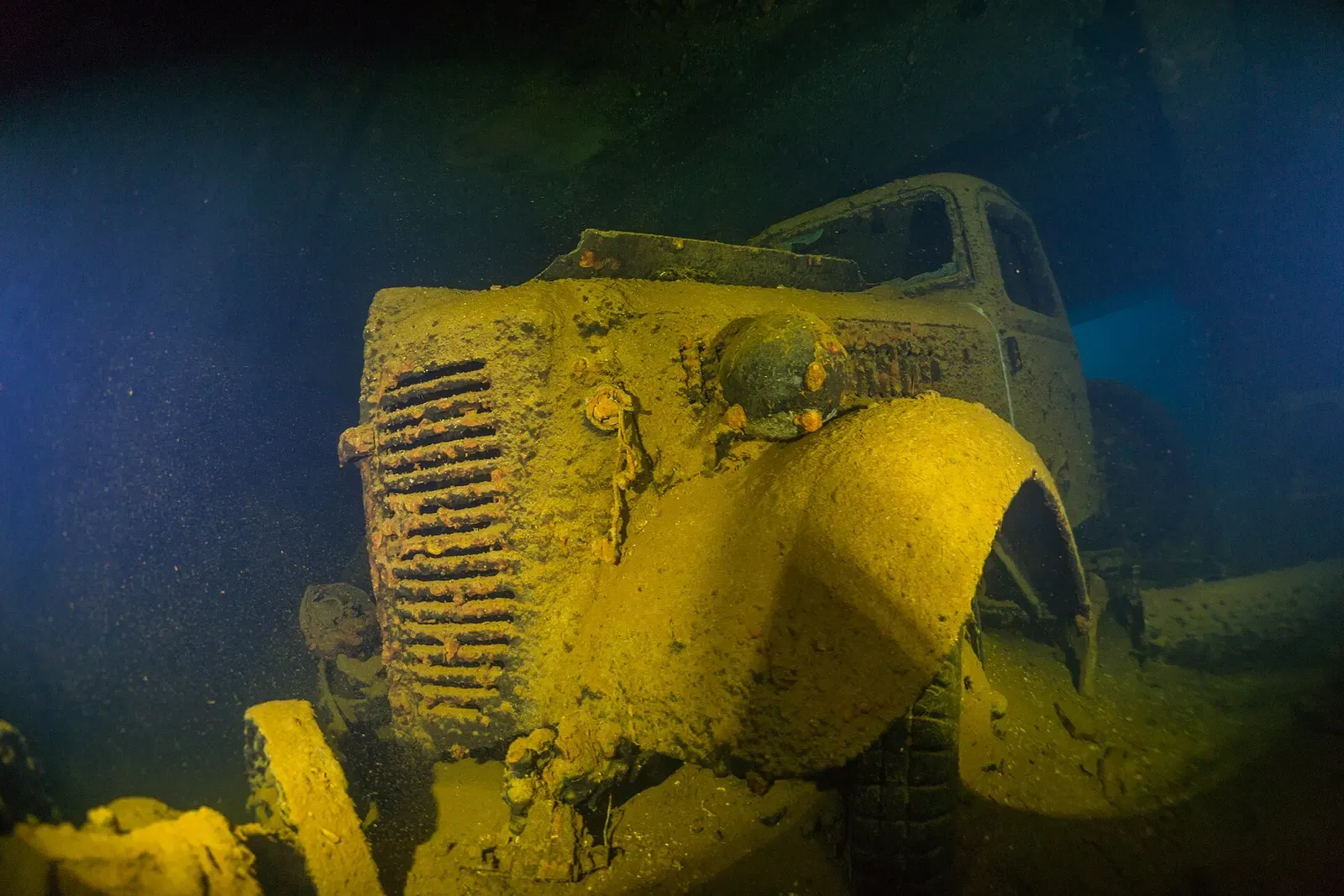
Trucks, a bulldozer and a tractor still parked in the hold
Wreck
A Japanese cruiser submarine sunk at its anchorage
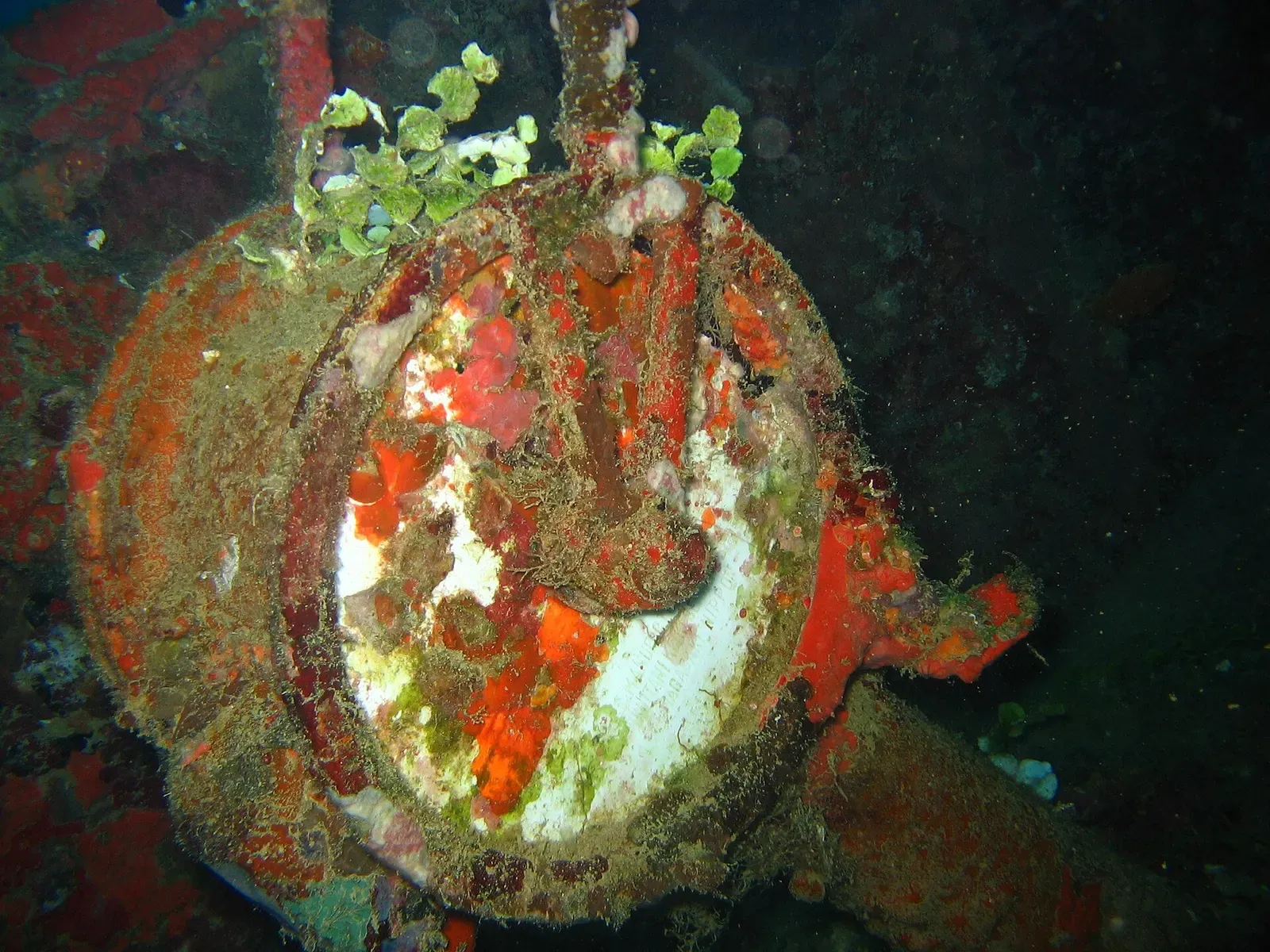
An engine room lit through an eight-piece skylight
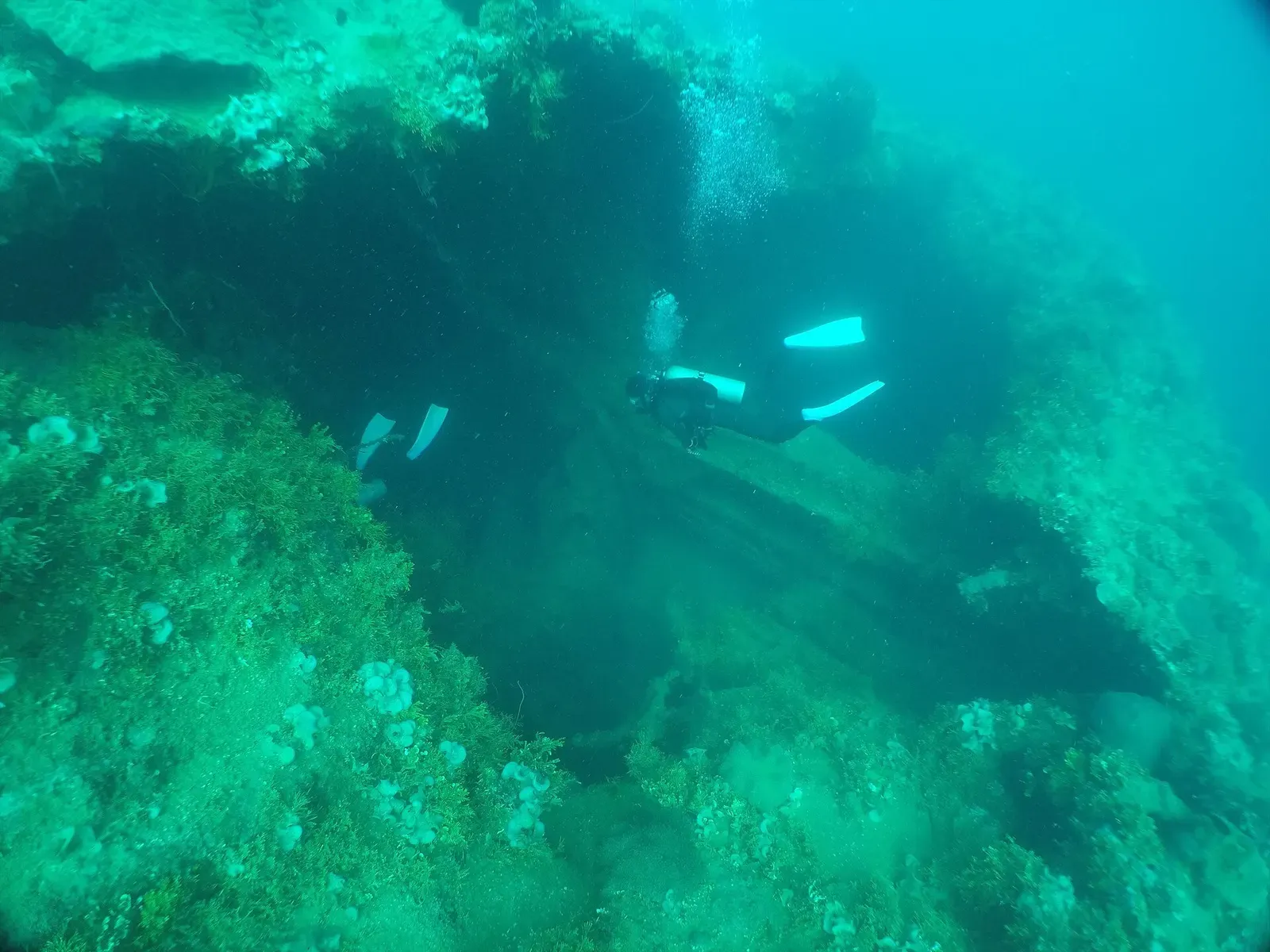
Torpedo launchers and a bicycle on an armed merchant ship
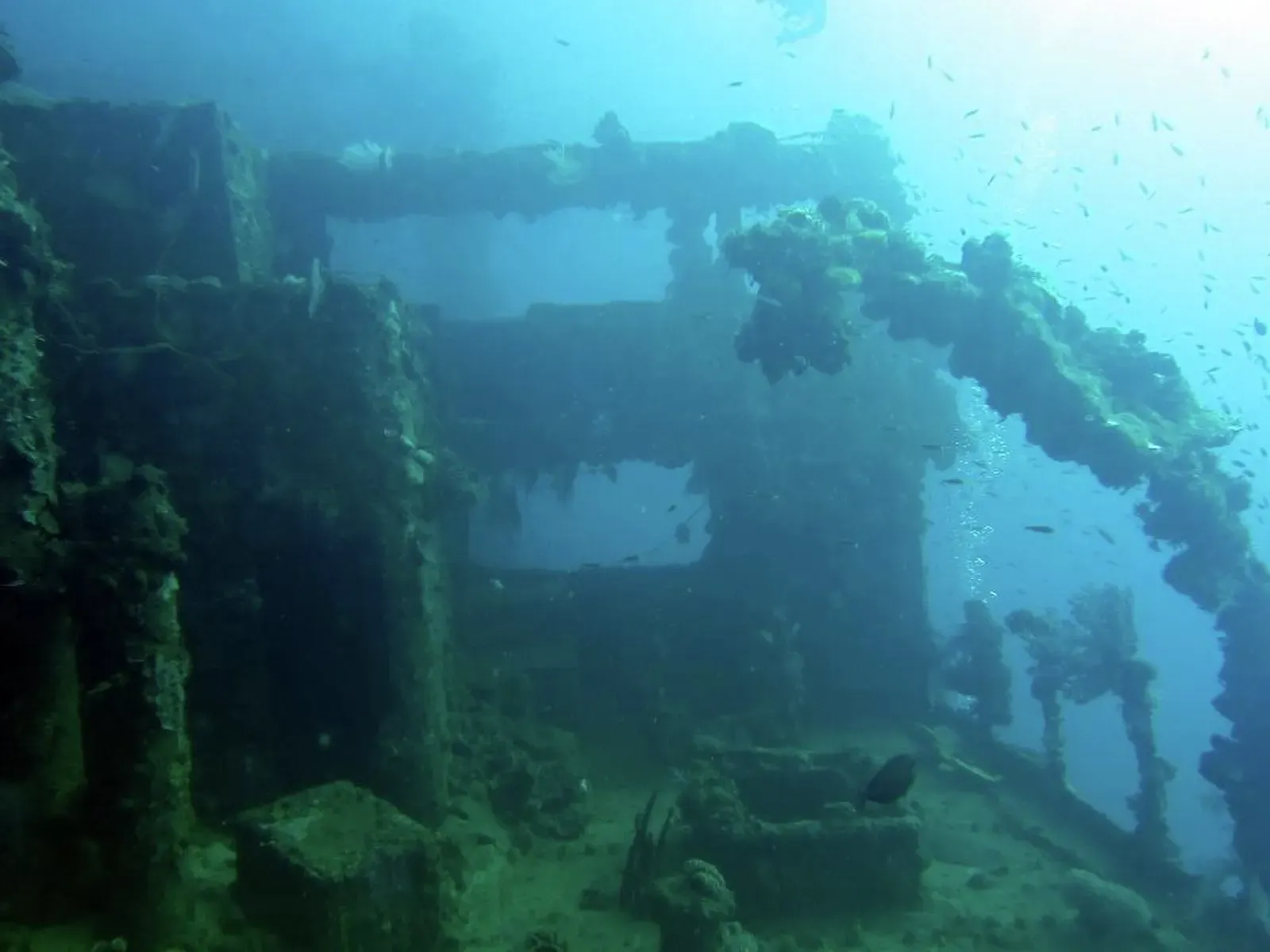
A two-man tank and a light artillery piece still on deck
Two propellers still in place on a liner lying on its side
Type 93 torpedoes still stowed in the holds
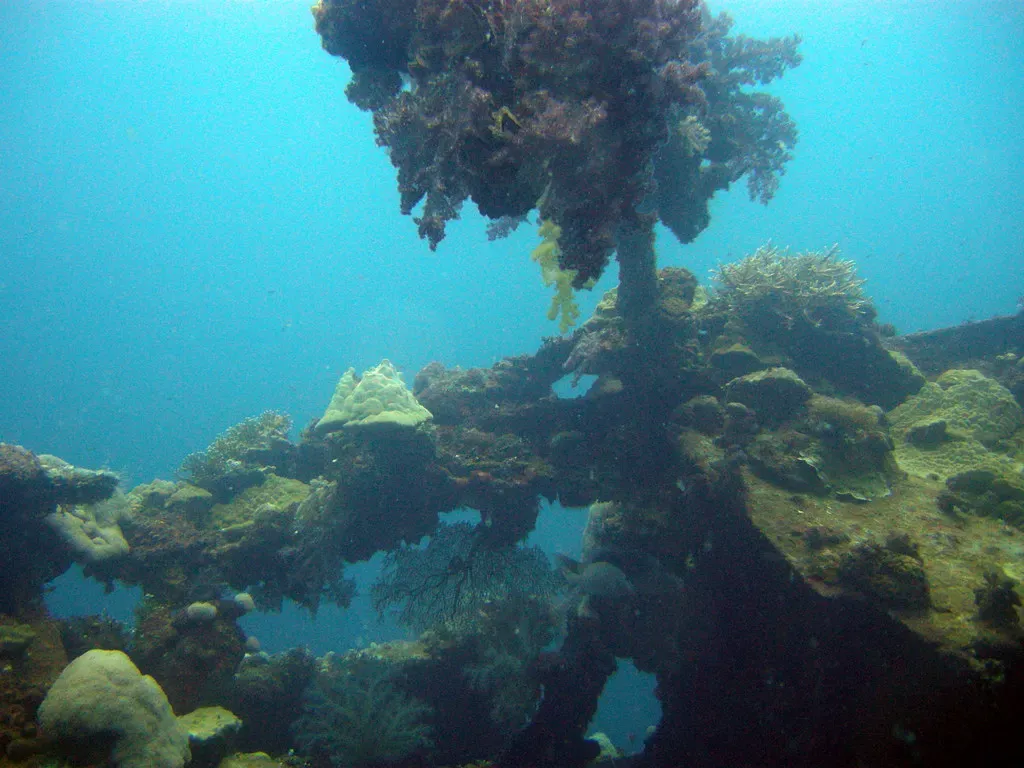
Mast tips reach to within 5 metres of the surface
Live shells still stacked at the base of the forward gun
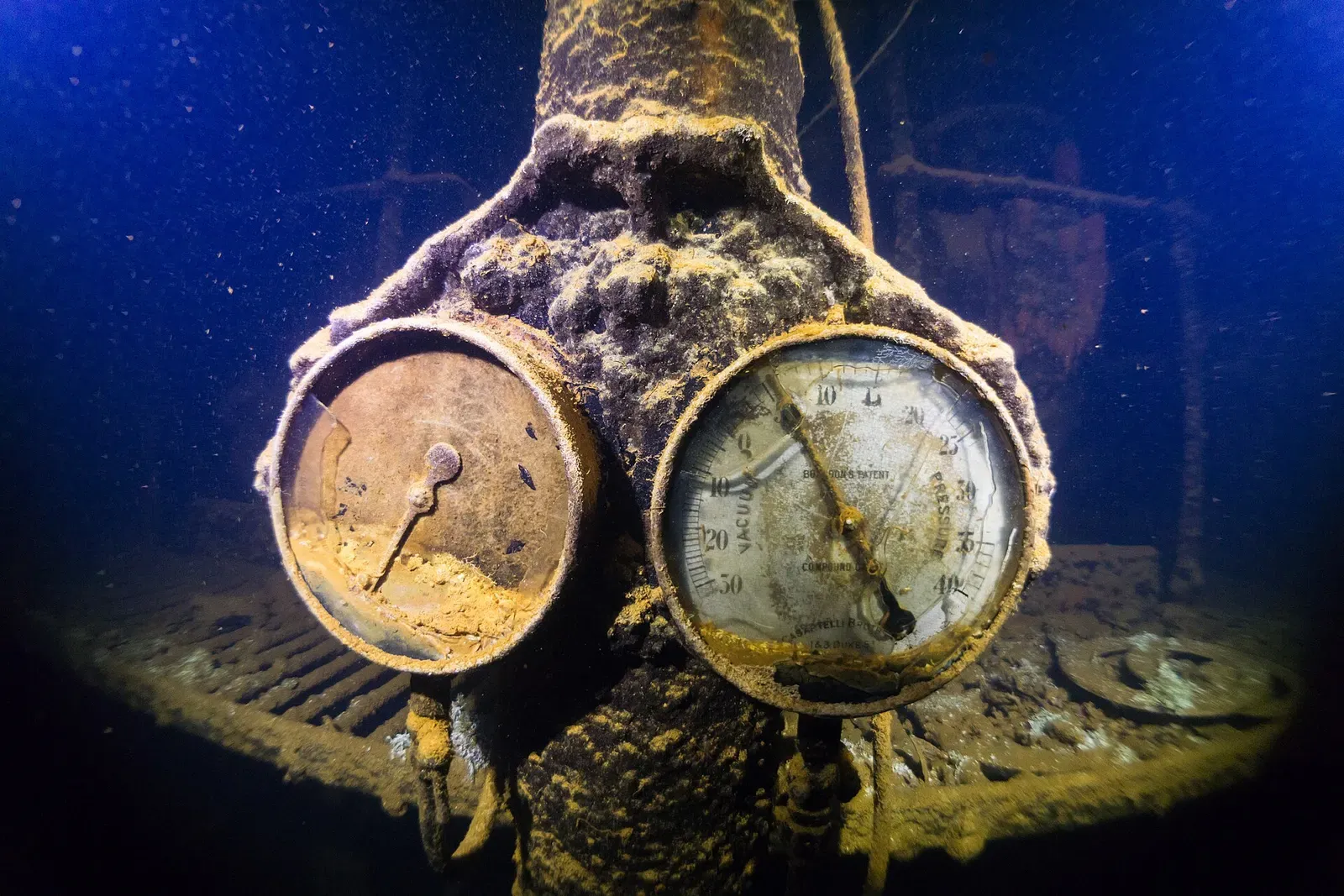
A photogenic bow gun and coral-covered masts
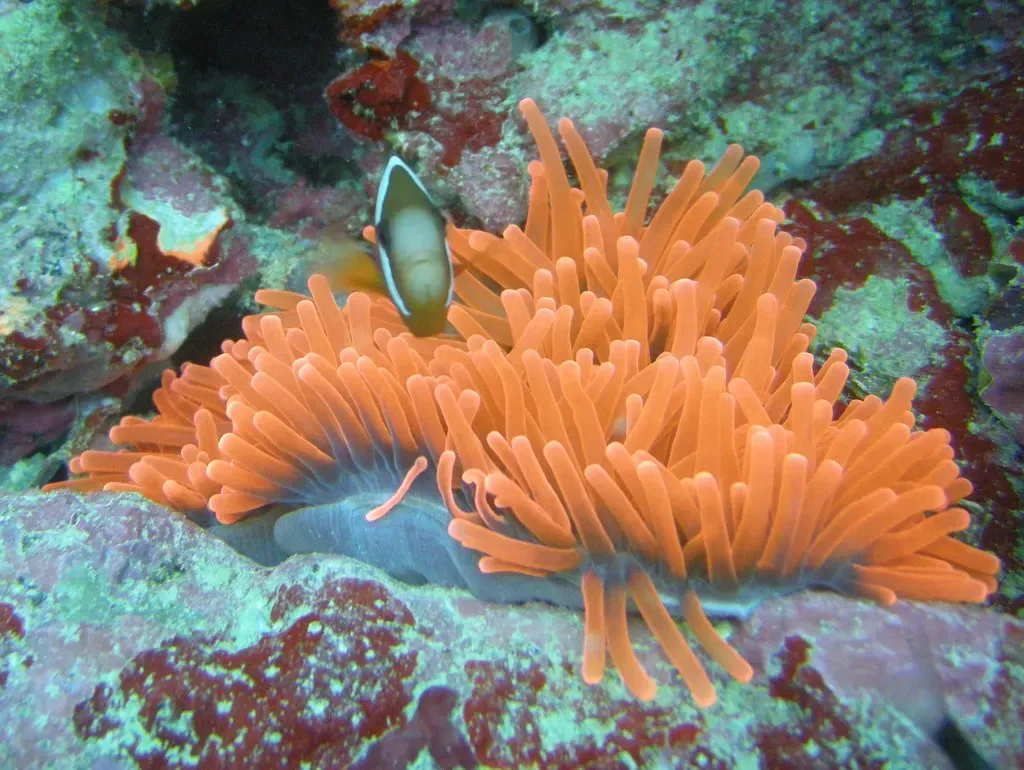
Artillery shells meant for the battleship Musashi
How to get to Chuuk Lagoon
Weno has the only airport in Chuuk State. The Truk Stop hotel and dive centre sits 10 minutes from it and serves both recreational and technical divers.
Photos from Chuuk Lagoon
Legis · Public domain
Motoki Kurabayashi · CC BY-SA 4.0
Dive videos
Diving the WWII Wrecks of Chuuk (Truk) Lagoon [Part 1] · BlueWorldTV on YouTube
Diving Shipwrecks of Chuuk (Truk) Lagoon with a ROCK STAR! [Part 2] · BlueWorldTV on YouTube
Questions divers ask
Is a permit needed to dive Chuuk Lagoon?+
Yes. Divers pay an Annual Diving Permit, which dive packages can leave out of the price along with the departure tax.
What is the legal status of the wrecks?+
The ships are classified as a Japanese war grave, and their eventual clean-up requires the involvement of the Japanese government.
How many wrecks can be dived in Chuuk Lagoon?+
More than 60 ships and aircraft sunk in the strikes of February 1944 rest on the lagoon floor, and most of the wrecks are less than 20 minutes by boat from the Truk Stop Hotel's private dock.
Are the Chuuk wrecks within recreational depths?+
Mostly. The tops of the wrecks usually lie at 12 to 18 m (40 to 60 ft), and most diving is done at 24 to 30 m (80 to 100 ft) on 32% nitrox. A few go well past recreational limits: the San Francisco Maru's stern lies at 64 m, and dives on the Aikoku Maru run to about 61 m.
Liveaboard or resort for Chuuk?+
Both work. From the Truk Stop Hotel's private dock most of the wrecks are less than 20 minutes away, and Blue Lagoon Dive Centre runs a two-tank morning and a single dive after lunch. A liveaboard keeps the surface interval mere minutes from the next wreck.
When is the best time to dive Chuuk?+
December to April is the dry season, driest from January to March, and from November to February visibility can reach 24 m (80 ft) or more when it has not been raining. The water stays near 28 to 30 °C (82 to 86 °F) all year.
Sources
- Chuuk — Wikivoyage
- Chuuk Lagoon — Wikipedia
- Blue Lagoon Resort Truk — Diveplanit
- Truk Stop Hotel — Truk Stop
- Wrecks — Truk Stop
- Truk dive travel guide — Bluewater Dive Travel
- Diving Truk Lagoon — UW Photography Guide
- Truk Lagoon: The Ultimate Wreck Diving Paradise — Saguaro Scuba
- Weather, seasons: the best time to go to Truk Lagoon — Master Liveaboards
- Chuuk liveaboards — Dive the World
- Truk Lagoon travel guide — Scuba Travel
- Sankisan Maru — Pacific Wrecks
Photo credits
- Aerial view of turquoise reef patches and channels in Chuuk Lagoon, Micronesia by Matt Kieffer, CC BY-SA 2.0, via Wikimedia Commons
- Coral-encrusted superstructure of the Nippo Maru wreck with fish schooling around the hull by Legis, Public domain, via Wikimedia Commons
- Aerial view of Weno island's harbor and coastline along Chuuk Lagoon by Motoki Kurabayashi, CC BY-SA 4.0, via Wikimedia Commons
Embed
Run a dive centre, club or blog? Embed this map of 12 dive sites near Chuuk Lagoon on your own page.
In The Logbook
- What is decompression sickness (the bends)?Body & health · 18 min read
- How a rebreather works, and what it buys youGear & kit · 8 min read
- Why do you pee when diving, and tire after?Body & health · 12 min read
- Why is 1.4 bar the oxygen limit in diving?Body & health · 13 min read
- Do you need a safety stop? What it buys youBody & health · 11 min read
- How long to wait before flying after divingBody & health · 8 min read
- How long does a tank of air last?Gear & kit · 9 min read
- Deep wreck diving: where recreational stopsWrecks · 8 min read
- How a dive computer calculates no-stop timeBody & health · 10 min read
- Air, nitrox or trimix: which gas, and when?Gear & kit · 15 min read
- DPV diving: what an underwater scooter changesGear & kit · 10 min read
- WWII wrecks you can dive, by theatreWrecks · 7 min read
- Liveaboard vs resort diving: which suits you?Trip planning · 6 min read
Similar destinations
Pacific Islands
Espiritu Santo — SS Coolidge
Vanuatu
A 200-meter troopship wreck is entered straight from the beach.
_aerial_view.jpg)


Wrecks from two wars touching in Apra Harbor, plus the Blue Hole sinkhole
Pacific Islands
Tahiti & Teahupo'o
French Polynesia
Grey, lemon and blacktip reef sharks at La Vallée Blanche
Pacific Islands
Port Vila & Efate
Vanuatu
A tall, narrow cavern and several wrecks a short boat ride from the capital