
Coral Triangle · Philippines
Coron
Historic wrecks packed into one bay, from shallow gunboats to a seaplane tender
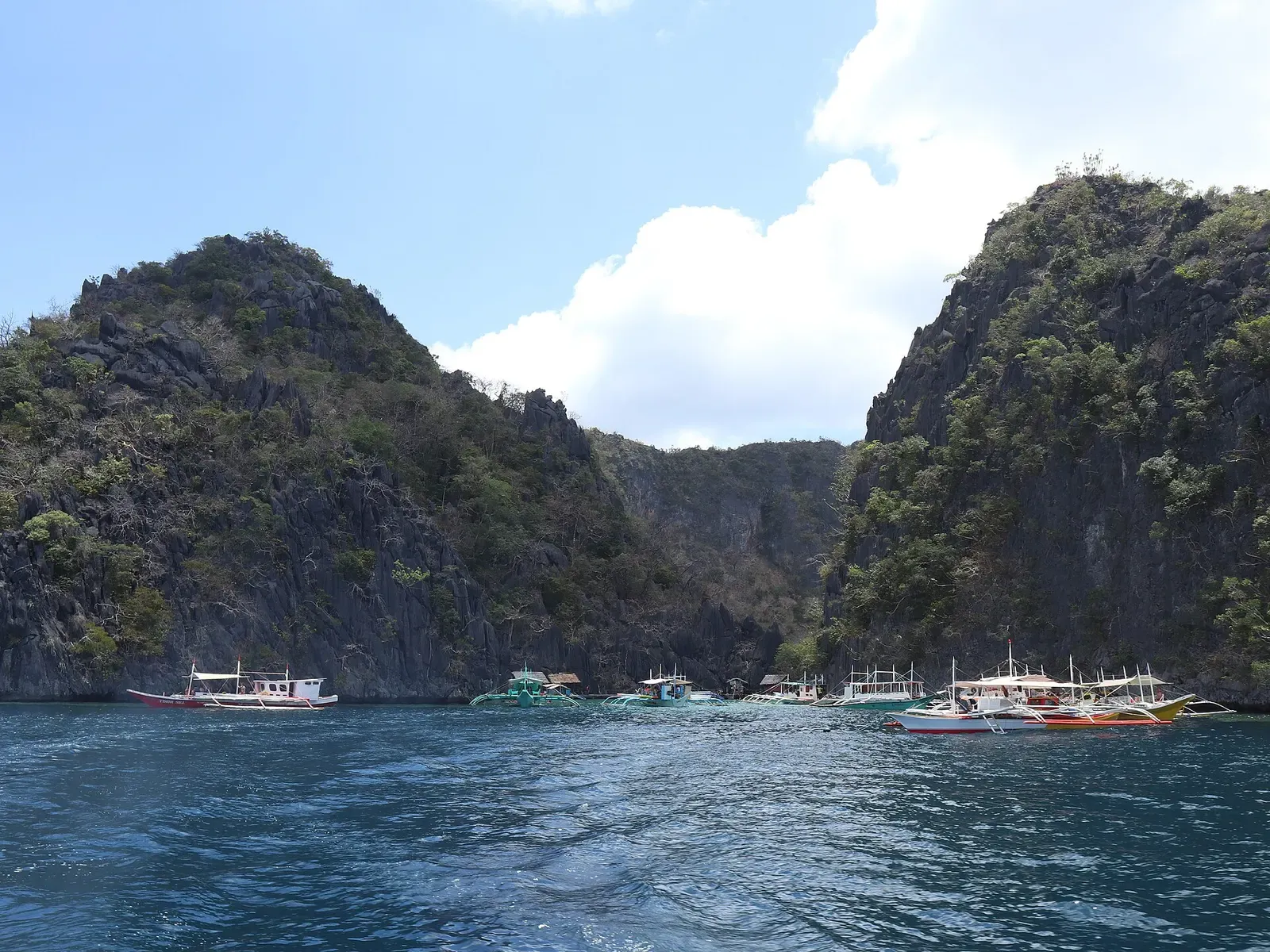
Photo: Ray in Manila · CC BY 2.0
Coron Bay sits between the islands of Coron and Busuanga in the Calamian Islands of the western Philippines, and it holds one of the highest concentrations of historic wrecks anywhere. The Irako, still largely intact, and the 118 m seaplane tender Akitsushima are the big hull dives, while shallow gunboats lie off Tangat and Lusong islands. Away from the wrecks, Barracuda Lake fills the crater of an extinct volcano, and Siete Picados holds the coral.
About diving in Coron
Day boats run from Coron to the wrecks, about an hour away. Tides have a big effect on visibility and current: the big wrecks inside the bay are clearest before high tide, at 8 to 20 m, and murkier after it, and the full and new moons bring extra tidal flow. Currents can be strong on any given day and run stronger at those moons, so sites and dive times are fitted to the tide. Cathedral Cave is dived only in calm seas, because wave surge in bad weather can cause serious injury.
Around and inside the wrecks live barracuda, triggerfish, groupers, crocodilefish, scorpionfish and nudibranchs, with batfish, schools of fusiliers and jacks around the Irako. Away from the steel, Siete Picados lies in a marine sanctuary with massive table corals and patches of healthy staghorn, where reef fish swarm and turtles and Napoleon wrasse pass. Cathedral Cave opens into a large cathedral-like cavern, its stalactites lit by shafts of sunlight from above.
Coron suits intermediate to advanced divers, and moving through the large hulls also takes situational awareness. Newer divers still have options: the Terukaze Maru suits beginners at 5 to 20 m, and the gunboats lie in shallow water. Visibility is often low, from 5 to 15 m, so Coron is for divers who come for the wrecks and their history rather than for the fish or long blue sightlines.
Best time to dive Coron
| Jan | Feb | Mar | Apr | May | Jun | Jul | Aug | Sep | Oct | Nov | Dec | |
|---|---|---|---|---|---|---|---|---|---|---|---|---|
| Season | Prime | Prime | Prime | Prime | Fair | Fair | Fair | Fair | Fair | Fair | Fair | Prime |
| Sea surface | 28°C82°F | 28°C82°F | 28°C82°F | 29°C84°F | 30°C86°F | 30°C86°F | 30°C86°F | 29°C84°F | 29°C84°F | 30°C86°F | 29°C84°F | 29°C84°F |
| Daytime high | 30°C86°F | 30°C86°F | 32°C90°F | 33°C91°F | 33°C91°F | 31°C88°F | 30°C86°F | 30°C86°F | 30°C86°F | 30°C86°F | 30°C86°F | 30°C86°F |
| Rain | 38 mm1.5 in | 26 mm1.0 in | 22 mm0.9 in | 36 mm1.4 in | 147 mm5.8 in | 360 mm14.2 in | 539 mm21.2 in | 447 mm17.6 in | 486 mm19.1 in | 327 mm12.9 in | 122 mm4.8 in | 118 mm4.6 in |
| Jan | Feb | Mar | Apr | May | Jun |
|---|---|---|---|---|---|
| Prime | Prime | Prime | Prime | Fair | Fair |
| Sea surface | |||||
| 28°C82°F | 28°C82°F | 28°C82°F | 29°C84°F | 30°C86°F | 30°C86°F |
| Daytime high | |||||
| 30°C86°F | 30°C86°F | 32°C90°F | 33°C91°F | 33°C91°F | 31°C88°F |
| Rain | |||||
| 38 mm1.5 in | 26 mm1.0 in | 22 mm0.9 in | 36 mm1.4 in | 147 mm5.8 in | 360 mm14.2 in |
| Jul | Aug | Sep | Oct | Nov | Dec |
|---|---|---|---|---|---|
| Fair | Fair | Fair | Fair | Fair | Prime |
| Sea surface | |||||
| 30°C86°F | 29°C84°F | 29°C84°F | 30°C86°F | 29°C84°F | 29°C84°F |
| Daytime high | |||||
| 30°C86°F | 30°C86°F | 30°C86°F | 30°C86°F | 30°C86°F | 30°C86°F |
| Rain | |||||
| 539 mm21.2 in | 447 mm17.6 in | 486 mm19.1 in | 327 mm12.9 in | 122 mm4.8 in | 118 mm4.6 in |
2011–2025 averages. Sea surface: NOAA Coral Reef Watch, measured at the surface, so deeper water can run colder. Daytime high and rain: NASA POWER.
Diving runs all year. December to April is the dry season: the surface in and around the bay turns glassy, sunshine lights the water and visibility peaks at up to 20 m, with the best weather usually from December to March. The rains begin in May and last until November, and July and August can be very wet. From June into September or October, bad weather sometimes prevents any diving at all. The sea runs from 27 °C (81 °F) in February, the coolest month, to 30 °C (86 °F) in June, the warmest.
Best months: January, February, March, April, December
Coron water temperature and weather by month
The sea surface stays between 28 and 30 °C (82–86 °F) all year. Most rain falls from June to October, peaking at about 540 mm (21 in) in July; it stays largely dry from November to April. Daytime highs sit around 31 °C (88 °F) all year. The coldest water here is about 27 °C (81 °F), so pack a 3 mm, or even a 2 mm, suit.
Dive types & marine life
Fish life on the wrecks is modest: scorpionfish, crocodilefish and nudibranchs are the usual sightings, and groupers and barracuda turn up only sometimes. Dugongs are the exception: about 30 feed on the seagrass at Calauit, on Busuanga's north coast, where a Dugong Watch programme takes divers to them, best in the early morning when they come to graze.
- Wreck
- Reef
- Cave & cavern
- Freshwater
- Barracuda
- Groupers
- Trevally & jacks
- Reef fish swarms
- Nudibranchs
- Sea turtles
- Napoleon wrasse
- Dugongs & manatees
Best dive sites in Coron
- 1
Irako Wreck
Provisions ship 145 m long, its deck areas at 28 to 35 m and the hull at 43 m, with groupers, turtles and barracuda.
- 2
Akitsushima Wreck
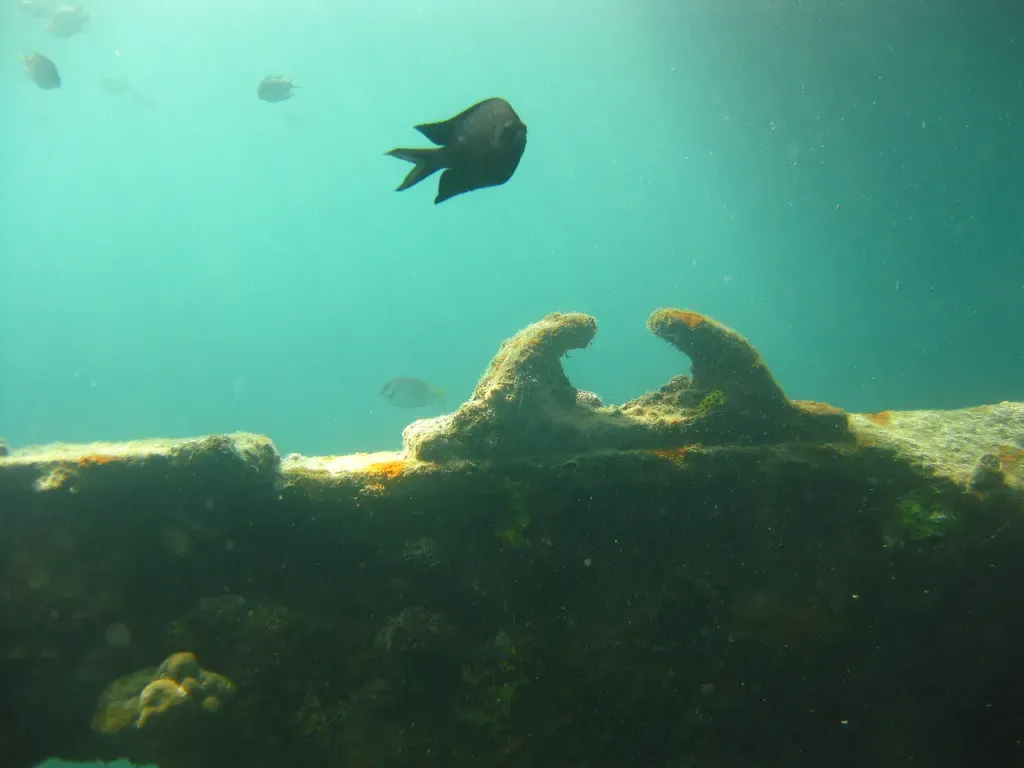
Seaplane tender on its port side at 35 m, its huge seaplane crane still in place.
- 3
Barracuda Lake
Lake about 40 m deep, reached after a 30-minute climb over limestone with full gear.
- 4
Siete Picados
Reef sloping to 24 m, with giant clams, cuttlefish, seahorses and mandarinfish.
- 5
East Tangat Wreck
Submarine-chaser at 3 to 19 m off Tangat Island, suitable for divers of all levels.
- 6
Lusong Gunboat
A 25 m gunboat at 5 to 15 m, its stern breaking the surface at low tide, its hull grown over with coral.
Site guides
Wreck
A 35-ton seaplane crane on a warship lying on her side at 35 m
Fresh water over salt, and 38 degrees below the thermocline
Reef
A channel drift at 1 to 3 knots between two wrecks
Cave & cavern
A fallen tree lit by daylight inside a cavern under Coron Island
Coral garden
Very large sea fans among soft-coral gardens
A 35 m gunboat in 3 to 19 m, open to any certification
Wreck
A 145 m provisions ship with its deck areas at 28 to 35 m
Wreck
A bulldozer and cement bags still in the cargo holds
Wreck
Japanese staff cars and trucks still parked in the cargo holds
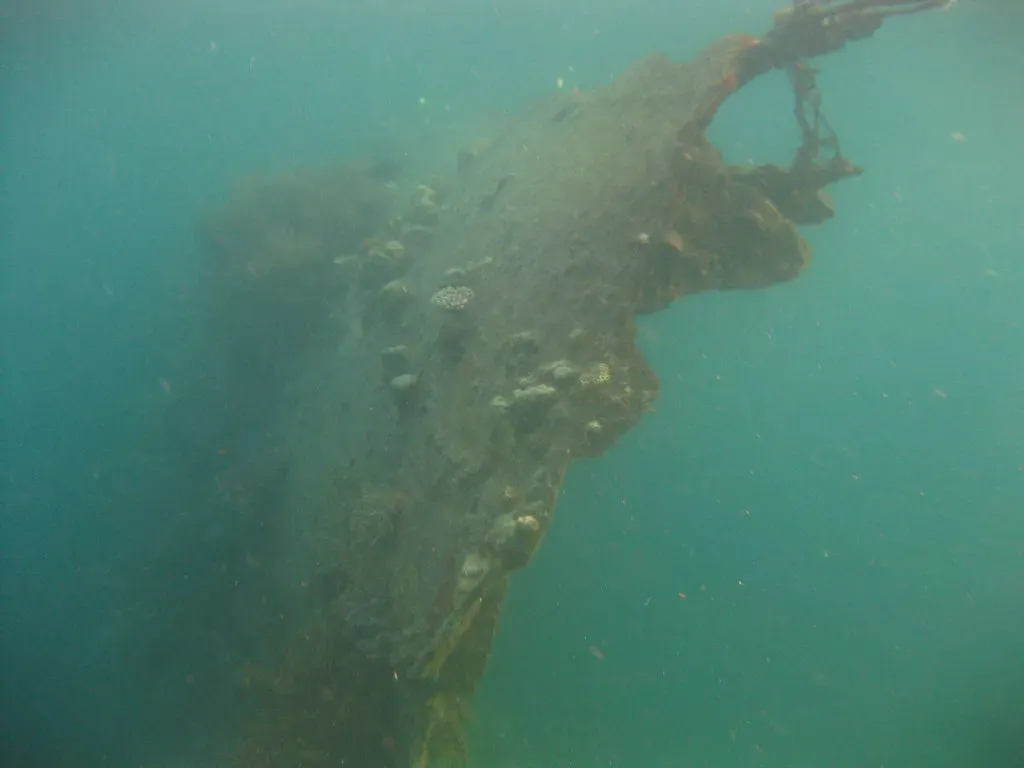
The stern breaks the surface at low tide
Reef
A two-kilometre reef that turns into a gentle drift on the tide
Reef
Sangat Island reef, shallow enough for snorkellers
Wreck
A pair of massive boilers in the engine room
Wreck
An upright 45 m hull in unusually clear water off Black Island
Wreck
The bay's largest wreck, 160 m of oiler from 12 m down
Wreck
Upright and intact, deck at 18-24 m, holds open
Small drop-offs and caves starting in 1 m of water
A protected island reef inside Sangat's marine park
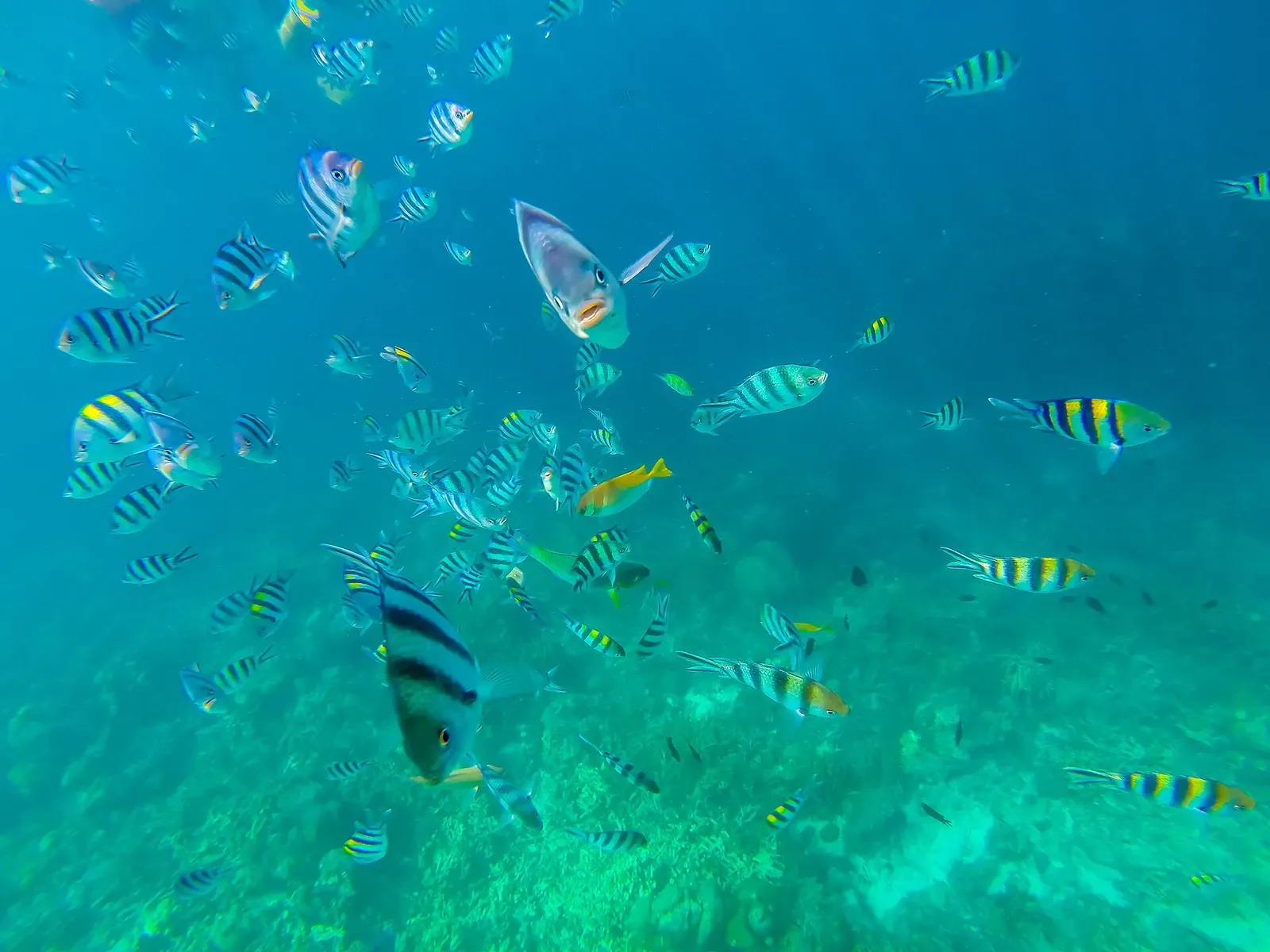
Staghorn thickets and giant clams inside a marine sanctuary
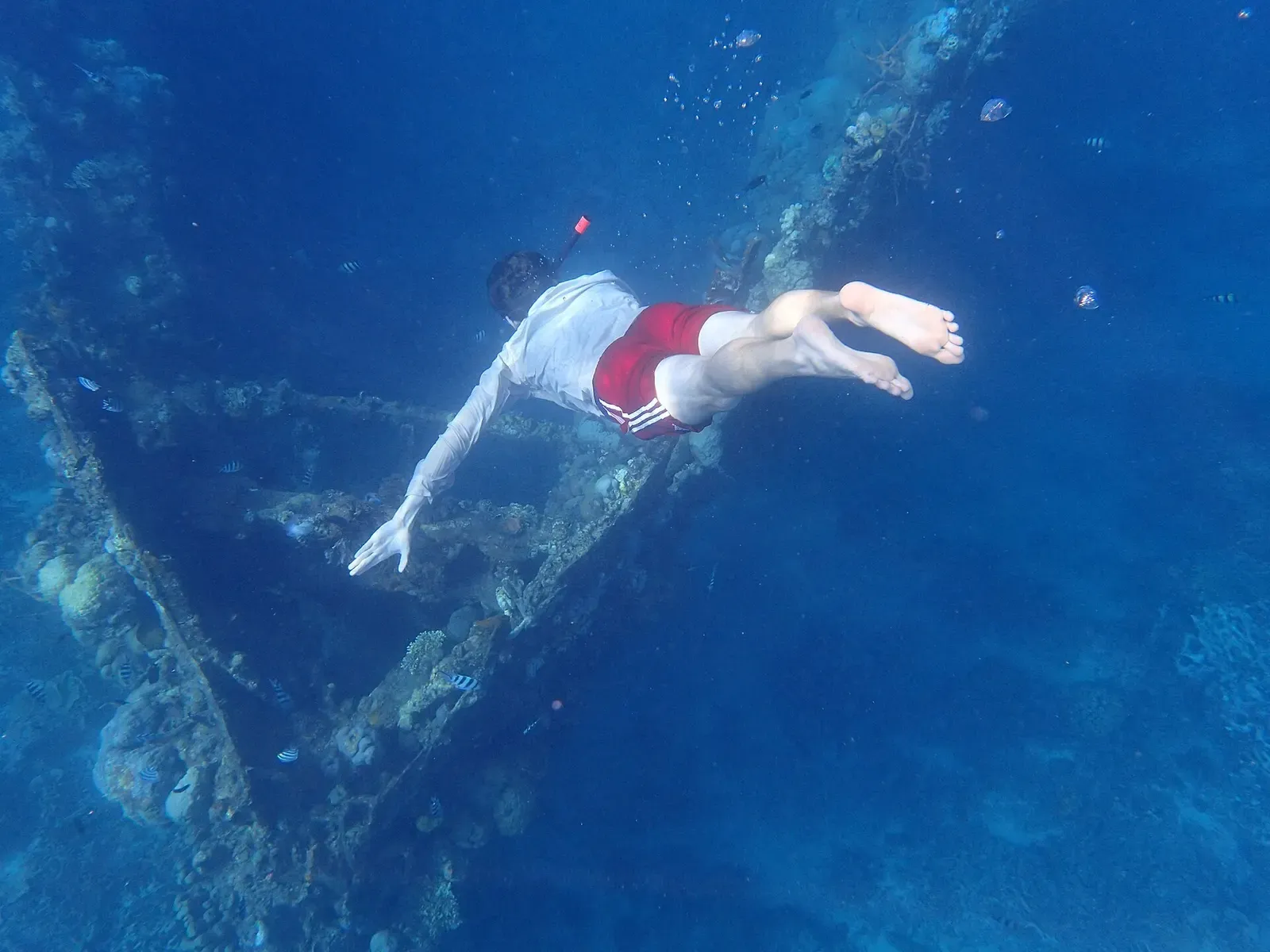
Swim out through the ribs of an open hull onto the coral
Wreck
Bow at 4 m, slanting to 20 m, small enough to dive whole
Wreck
A shallow fishing-boat wreck by the entrance to Cayangan Lake
Reef
White-tips on the drop-offs, pygmy seahorses in the shallows
How to get to Coron
PAL Express and Cebu Pacific fly frequently from Manila to Francisco B. Reyes Airport on Busuanga, where fixed-cost vans run to Coron town.
Photos from Coron
dcpetit · CC BY-SA 2.0
lolay · CC BY 2.0
Dive videos
Philippines COLOSSAL Shipwrecks Coron Bay - (found artifacts, guns, ammunition) 8k Ultra HD · FinnSnow on YouTube
Diving WWII Shipwrecks in Coron Philippines | 5 Epic Wrecks in Three Days · Seb Goes Deep on YouTube
Questions divers ask
Is a wreck certification needed to dive Coron?+
Not to see the wrecks from outside, which is safe for more or less any diver. Going inside a wreck needs specialised training such as a wreck diver certification, and may need lights and guide ropes.
Is Coron Bay a protected area?+
Most of the bay lies inside the Coron Island Protected Area, a traditional fishing area of the indigenous Tagbanwa.
Why does the tide matter for diving in Coron?+
Sites just outside the bay, such as Siete Picados, have good visibility before high tide and poor visibility after it, and the full and new moons cut it further. Barracuda Lake is geothermal, with no current and usually more than 20 m of visibility.
Sources
- Coron diving sites — Dive The World
- Coron Palawan diving — Divezone
- Irako wreck dive site — Divezone
- Barracuda Lake dive site — Divezone
- Coron — Wikivoyage
- Coron Bay — Wikipedia
Photo credits
- A turquoise lagoon framed by jagged limestone karst peaks on Coron Island in northern Palawan. by Ray in Manila, CC BY 2.0, via Openverse
- Layered cabbage coral formations spread across a shallow reef in Coron Bay. by dcpetit, CC BY-SA 2.0, via Openverse
- A reef fish weaves past hard coral and a black sea urchin on a Coron Bay reef. by lolay, CC BY 2.0, via Openverse
Embed
Run a dive centre, club or blog? Embed this map of 12 dive sites near Coron on your own page.
In The Logbook
- Where to dive in DecemberTrip planning · 10 min read
- Where to dive in every month of the yearTrip planning · 14 min read
- What are thermoclines and haloclines?Ocean science · 8 min read
- Deep wreck diving: where recreational stopsWrecks · 8 min read
- Freshwater diving: lakes, springs and quarriesFreshwater · 15 min read
- Cavern and cenote diving without cave trainingCaves & caverns · 8 min read
- WWII wrecks you can dive, by theatreWrecks · 7 min read
- Your first wreck dive: what to expect and whereFirst dives · 6 min read
Similar destinations
Wade off a Honiara roadside onto a Japanese transport from 1942
Coral Triangle
Labuan & Brunei Wrecks
Brunei
Four protected wrecks plus coral reefs nearby
A flashlightfish cave and Olango's 73 m wall, minutes from the airport
Coral Triangle
Biak & Padaido Islands
Indonesia
An intact Second World War Catalina seaplane on the seabed off Biak.