How deep can you scuba dive? It depends which wall you mean
Ask a dive shop how deep you can scuba dive and you will get a number from a card: 18 metres (60 feet), 30, 40. Ask a physiologist and you get a different number, from a different mechanism, and it is 56.5. Ask Guinness and it is 332.35. All of these are true, and the reason they disagree is that “how deep can a human dive” is really four or five questions wearing one coat. Each answer is a wall built from a different piece of physics, and each wall stands a little deeper than the last. So this article is a ladder. Every rung below is computed from the same models the rest of this site uses — the Bühlmann decompression model in our dive-computer guide, the gas-density arithmetic from the narcosis guide, the oxygen sums from the oxygen clock — and the rungs those models do not reach are sourced from the people who have stood on them.
Read the diagram top to bottom and the ladder is already visible: a clock that collapses, a gas that gets heavy, an oxygen dose that is still fine at the depth where the other two have long since ended the dive. The rest of the article walks the rungs.
18 metres: a rule, not a wall
The first limit is the only one on the ladder with no physics in it. Eighteen metres is where an Open Water card stops, and the reasons are pedagogical: a new diver has enough to think about without narcosis, without a no-stop clock short enough to matter, and without the gas planning that deeper water demands. Wikipedia’s summary of the training landscape puts the next band plainly — PADI “defines anything from 18 to 30 metres (59 to 98 ft) as a ‘deep dive’ in the context of recreational diving (other diving organisations vary)”.
The model, asked the same question, shrugs. At 18 metres on air Bühlmann ZH-L16C allows 62 minutes before a direct ascent stops being clean — longer than most divers’ gas lasts. Air weighs 3.4 grams per litre in the regulator, well under any limit. Oxygen sits at 0.59 bar. Nothing physical is happening at 18 metres that was not happening at 12. It is a training wall, and the honest thing to say about it is that it is placed before the first real one on purpose, so that a diver who overshoots by a few metres has overshot into nothing.
30 metres: the gas gets heavy before the nitrogen gets you
The second rung is the first one made of matter. Two things converge just past 30 metres, and neither is the one you were taught to compute. The first is narcosis, which Wikipedia’s deep-diving summary says “becomes a hazard below 30 metres (98 ft)” — the narcosis guide has the mechanism and the martini-rule autopsy, so here it gets one clause. The second is the one most divers have never heard of: the gas itself gets too heavy to breathe comfortably. Density is the ideal gas law rearranged, and it climbs in a straight line with pressure. Air is 4.85 g/L at 30 metres, and it passes Anthony and Mitchell’s recommended maximum of 5.2 g/L at 32.9 metres. By 40 it is 6.06 g/L, within a whisker of their 6.2 g/L absolute limit, which air crosses at 41.1 metres.
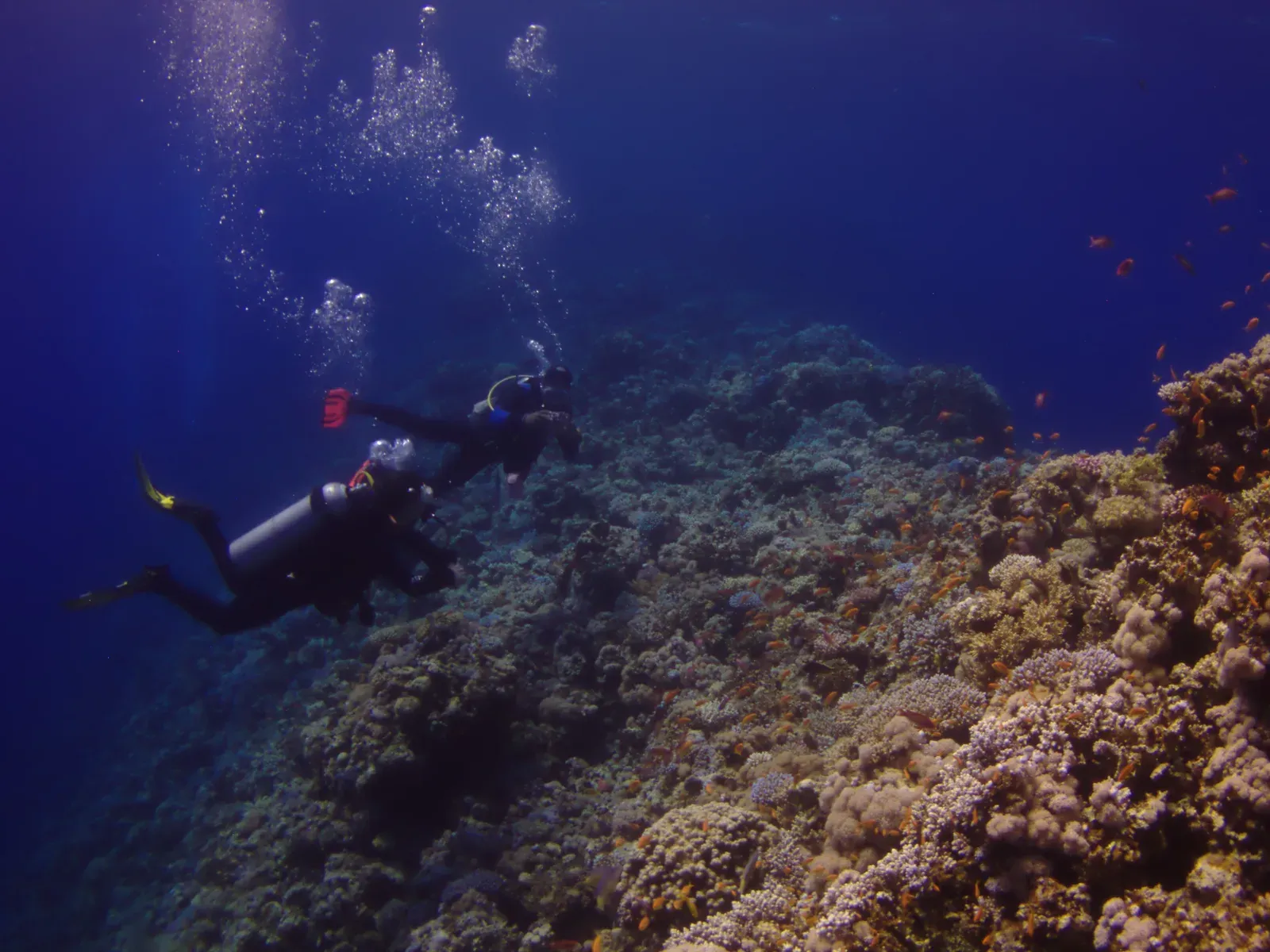
That is the wall a diver actually feels. The martini in the head is folklore; the sense at 35 metres that the regulator is delivering something thicker than air is measured, and it is the thing that turns a small problem — a current, a stuck fin strap, a buddy who has wandered — into a carbon-dioxide spiral. Enriched air does not help here; nitrox is very slightly denser than air. Only helium moves this wall, and we will get to what it costs.
40 metres: why the recreational limit is where it is
The third rung is the one written on the recreational card, and people search for its justification more than for any other number in diving: why is 40 metres the limit? The answer that survives the arithmetic is that three separate things go wrong within a few metres of each other, and 40 is where the safety margin on all three runs out at once.
The first two you have just met — density crosses its absolute limit at 41.1 metres, and narcosis has been measurable for ten metres already. The third is the clock. Run the decompression model straight down the depth scale and the no-stop time does not fall gently; it collapses. 19.5 minutes at 30 metres. 10.5 at 40. Wikipedia’s summary is that past 40 metres “a diver may have only a few minutes at the deepest part of the dive before decompression stops are needed”, and the model agrees to the minute: 11.5 at 39 metres, 10 at 41. Add the descent, which the model counts as bottom time, and a recreational dive to 40 metres is a look and an ascent. It is not that something dramatic happens at 40.0 metres. It is that there is nothing left to spend below it — no clock, no density margin, and a head already running slow — and every metre deeper is a metre with all three lights on. Our guide to deep wrecks is a tour of what lies just past this line and what it takes to visit.
56.5 metres: the ceiling of air itself
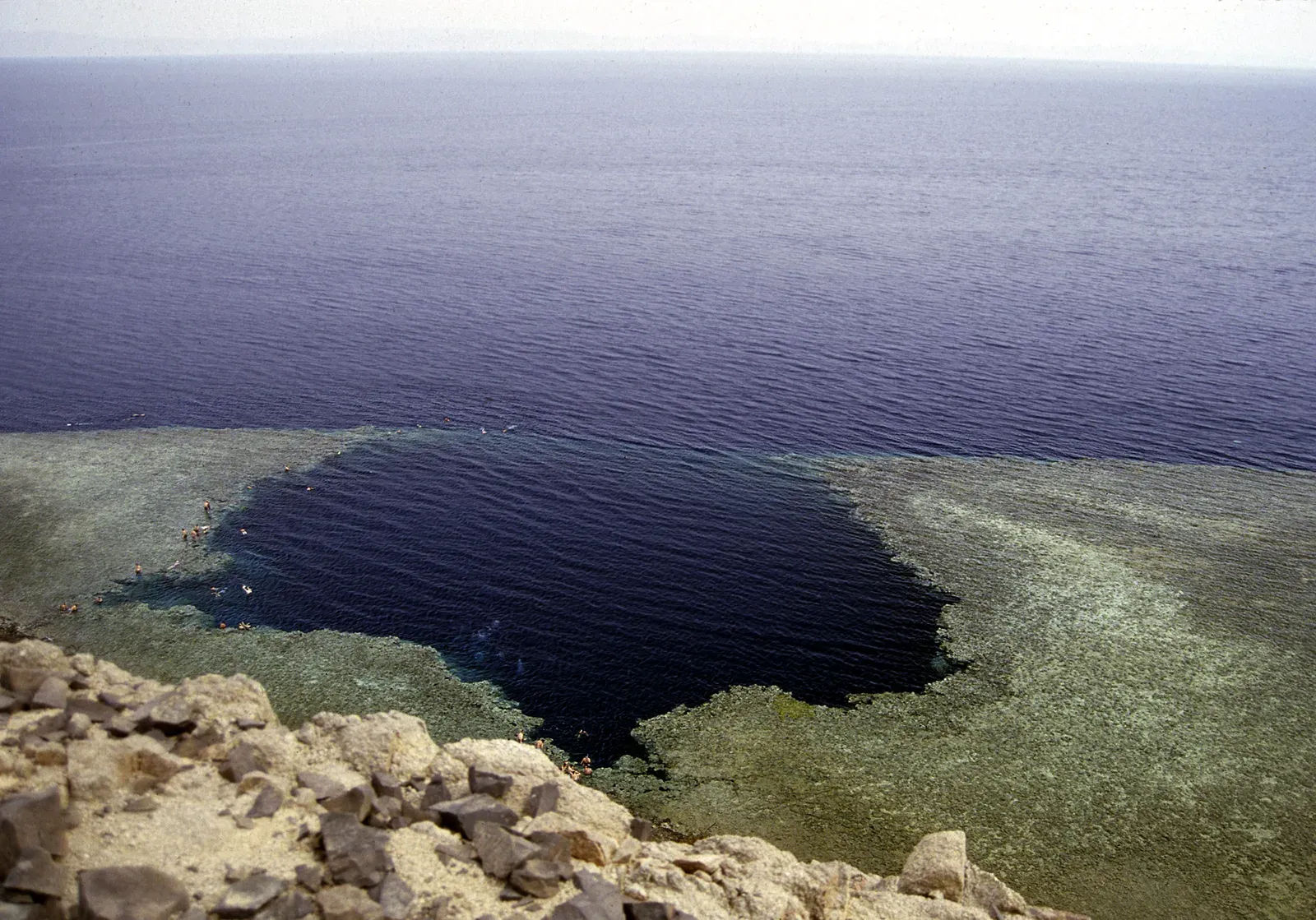
Here is the first wall that is not a judgement but a property of the gas. Oxygen is toxic at pressure, and air is 21 per cent oxygen, so there is a depth at which air alone delivers the working limit of 1.4 bar. Divide, and it is 56.5 metres; the 1.6 bar contingency line falls at 66.1. The oxygen clock covers where those two numbers came from. What matters on the ladder is where they sit: the oxygen ceiling for air is sixteen metres below the recreational limit. The thing recreational divers are taught to calculate is the one that does not stop them — and at 56 metres the model has 5 minutes of no-stop time and the air weighs 8.0 g/L, nearly a third past the absolute density limit. Nobody should be there on air. People are, regularly: the Arch at Dahab’s Blue Hole has its ceiling at 55 metres, and the site carries a long fatality record — one estimate counts 130 deaths in the fifteen years from 1997 to 2012, though the figure is disputed and folds snorkelling deaths at the surface in with scuba deaths at the Arch; the blue-holes guide has the asterisk. Our site record’s hazard note is blunt: going under the Arch needs technical training and equipment, and depth discipline is the whole dive. Air reaches 55 metres only in the sense that the oxygen has not yet become dangerous by the time the rest of the physiology already has.
BLUE HOLE ARCH 2023 CHRIS CRAIG · craig / chris on YouTube
Past 56: what trimix buys, and what it cannot
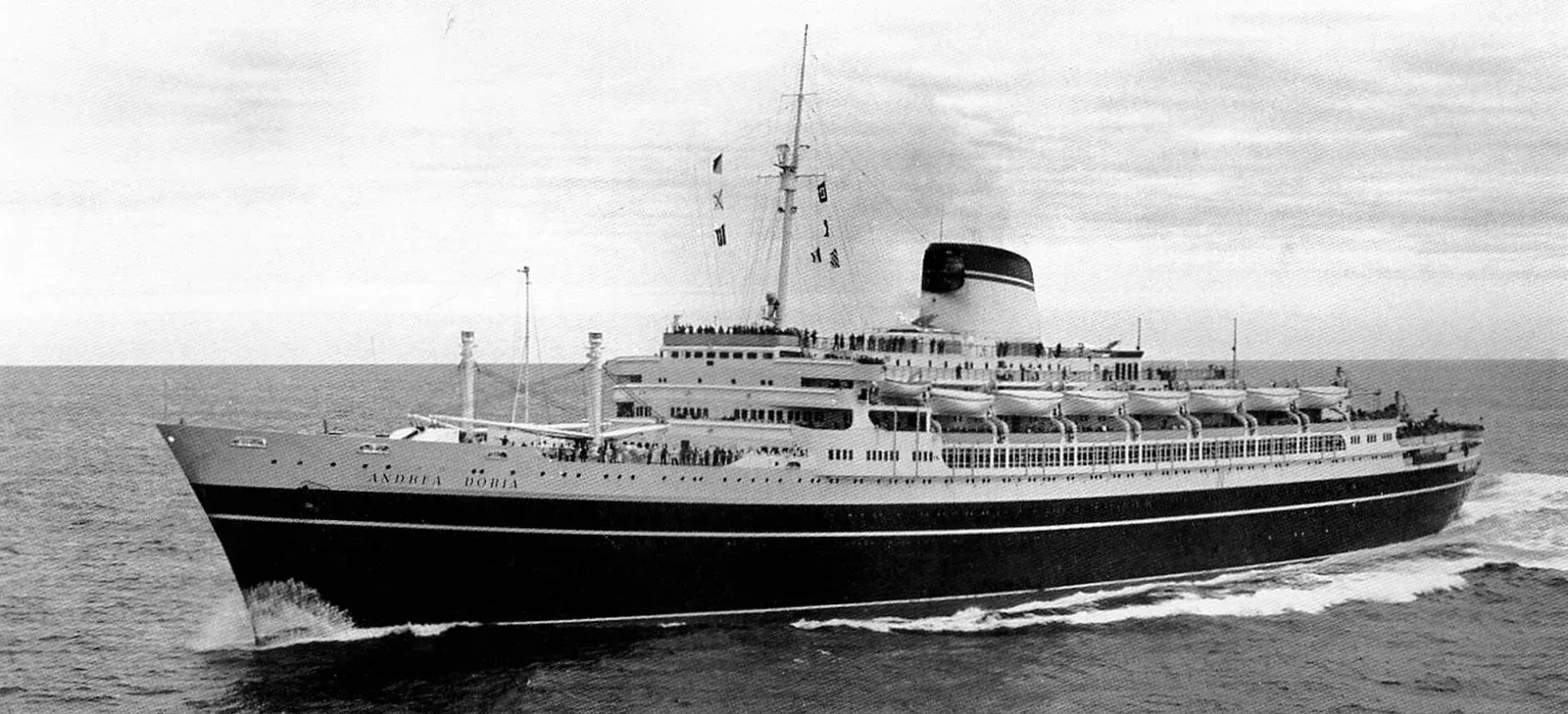
Every rung below 40 is bought with helium. Replace nitrogen with a gas one seventh its weight and the density wall moves; trim the oxygen and the other one follows. Trimix 18/45 — 18 per cent oxygen, 45 helium, the standard normoxic mix — does not reach the 6.2 g/L absolute density limit until 72.5 metres, and its lower oxygen fraction pushes the 1.4 bar ceiling to 67.6 metres. At 60 metres the diver’s head is at an equivalent narcotic depth of 28 — recreational sobriety, 20 metres past the recreational limit. That is the whole technical band: the trimix ground where the Andrea Doria lies with her highest structure at 58 metres and the sand at 73, where Justicia sits at 70, where HMS Triumph lies at 73.
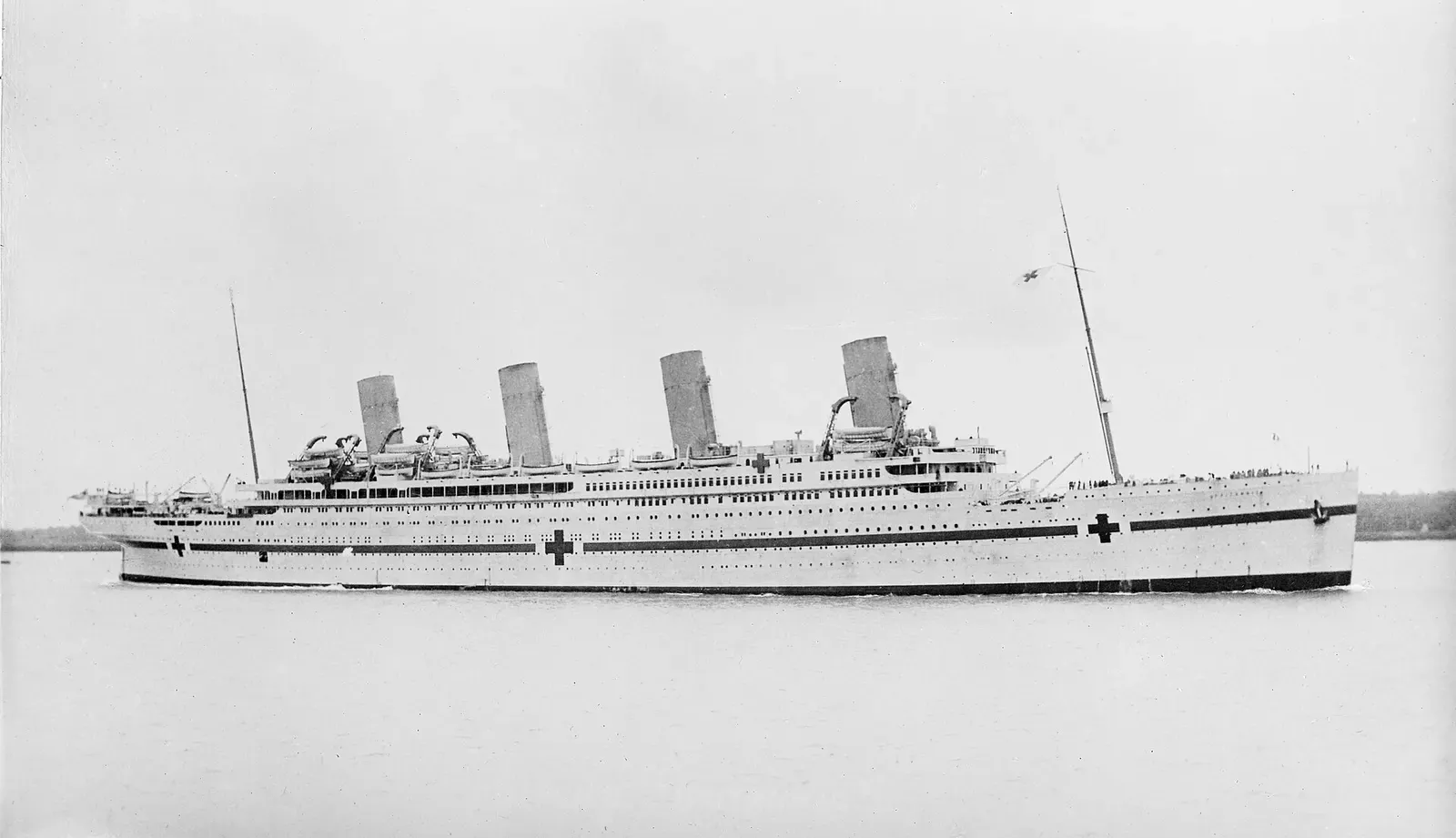
But look at what the helium did not buy. The clock is still running — decompression is not waived at 70 metres, it is paid in staged stops, switched gases and a run time several times the bottom time. And each wall, moved, is still a wall. Go to 100 metres on 18/45 and the density is back at 8.3 g/L — heavier than air at the Arch. Deeper mixes go hypoxic at the surface to keep the oxygen dose down: at 100 metres, 1.4 bar of oxygen is a 12.7 per cent mix, hypoxic at the surface, which has to be reached by switching gases on the way down. The 100-metre line — the depth beyond which sport technical diving becomes expedition diving — is where the Britannic lies, between 80 and 122 metres, dived on closed-circuit trimix with permits from two authorities. And past 100 metres the helium itself starts to cost, which is the next rung.
332.35 metres: the record, and the men who survived it
The deepest scuba dive on record is Ahmed Gabr’s: Guinness certifies “a depth of 332.35 m (1,090 ft 4.5 in) in the Red Sea of Dahab, Egypt, on 18 September 2014”. The context in Wikipedia’s deep-diving article is bleaker than the number. A couple of dozen people are known to have dived to at least 240 metres on scuba; the 300-metre mark was “first achieved by John Bennett in 2001” and has been reached only a handful of times since. The list includes Gabr, Pascal Bernabé’s claimed 330 metres off Corsica in 2005, which Guinness never accepted, and Nuno Gomes, also at Dahab, whose page records a dive to 318 metres in June 2005 with a total dive time of 12 hours and 20 minutes, the descent taking 14 minutes. Bennett and Sheck Exley, Dave Shaw and Guy Garman are listed among the fatalities of ultra-deep diving; Mark Ellyatt, Don Shirley and Bernabé, the same article says, “were involved in serious incidents and were fortunate to survive their dives”.
Run the lib against Gabr’s depth and the numbers stop meaning anything a diver can plan around. Ambient pressure is 34.2 bar. Air would weigh 41.4 grams per litre — nearly seven times the absolute limit. Holding oxygen to 1.4 bar means a bottom mix of 4.1 per cent oxygen, a gas that delivers 0.08 bar of oxygen at 10 metres and cannot be breathed anywhere near the surface — and even that heliox, the rest of it helium, weighs 7.4 g/L there, past the limit for a working diver. Every rung of the ladder is broken at 332 metres and the dive is done in the gaps between them, for a few minutes, at the bottom of a rope, followed by half a day of ascent. It is a real record set by a real diver. It is not a depth. It is a stunt performed against the physics, by someone who had read them very carefully.
One breath: the freedivers go deeper than any recreational diver on gas
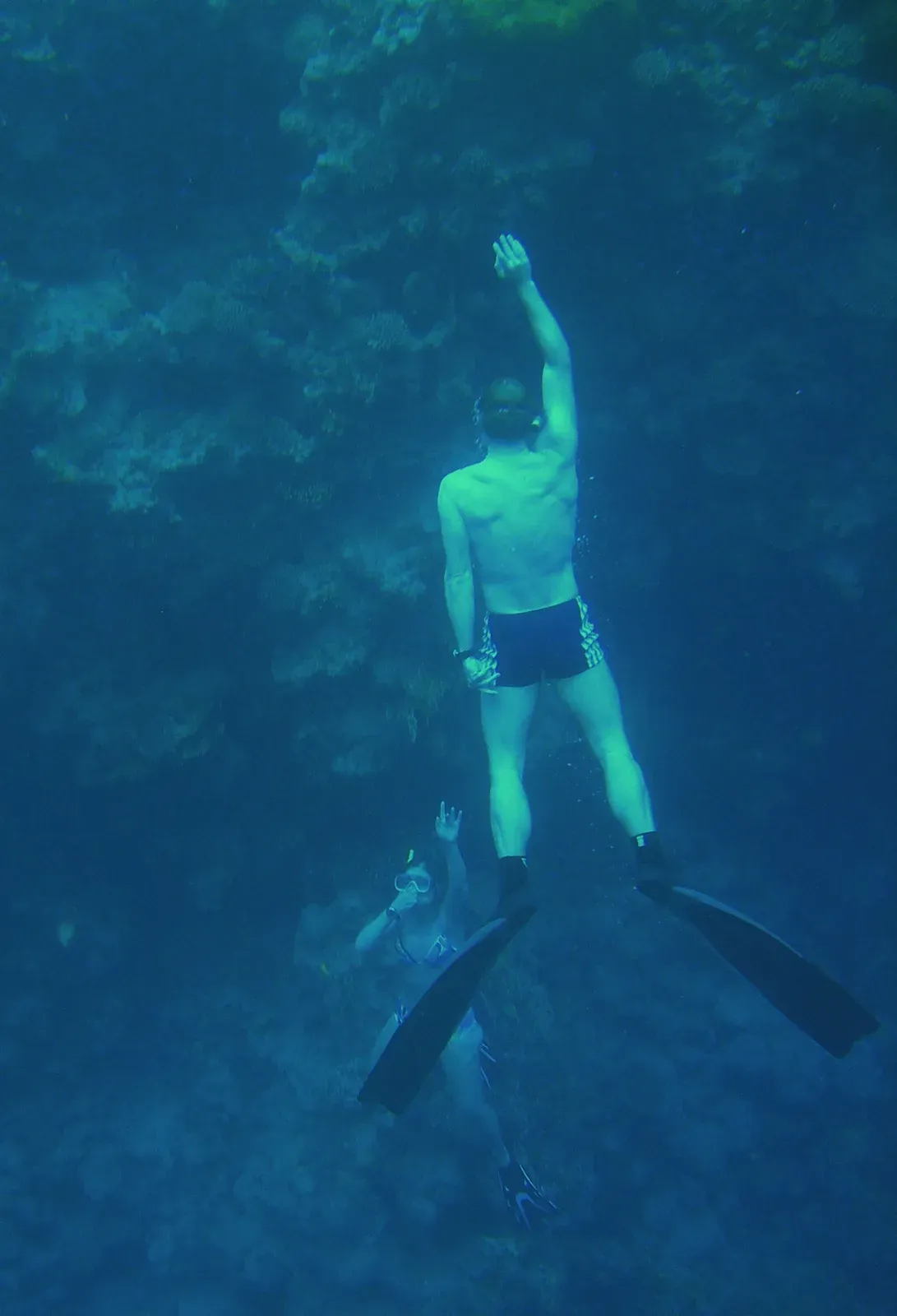
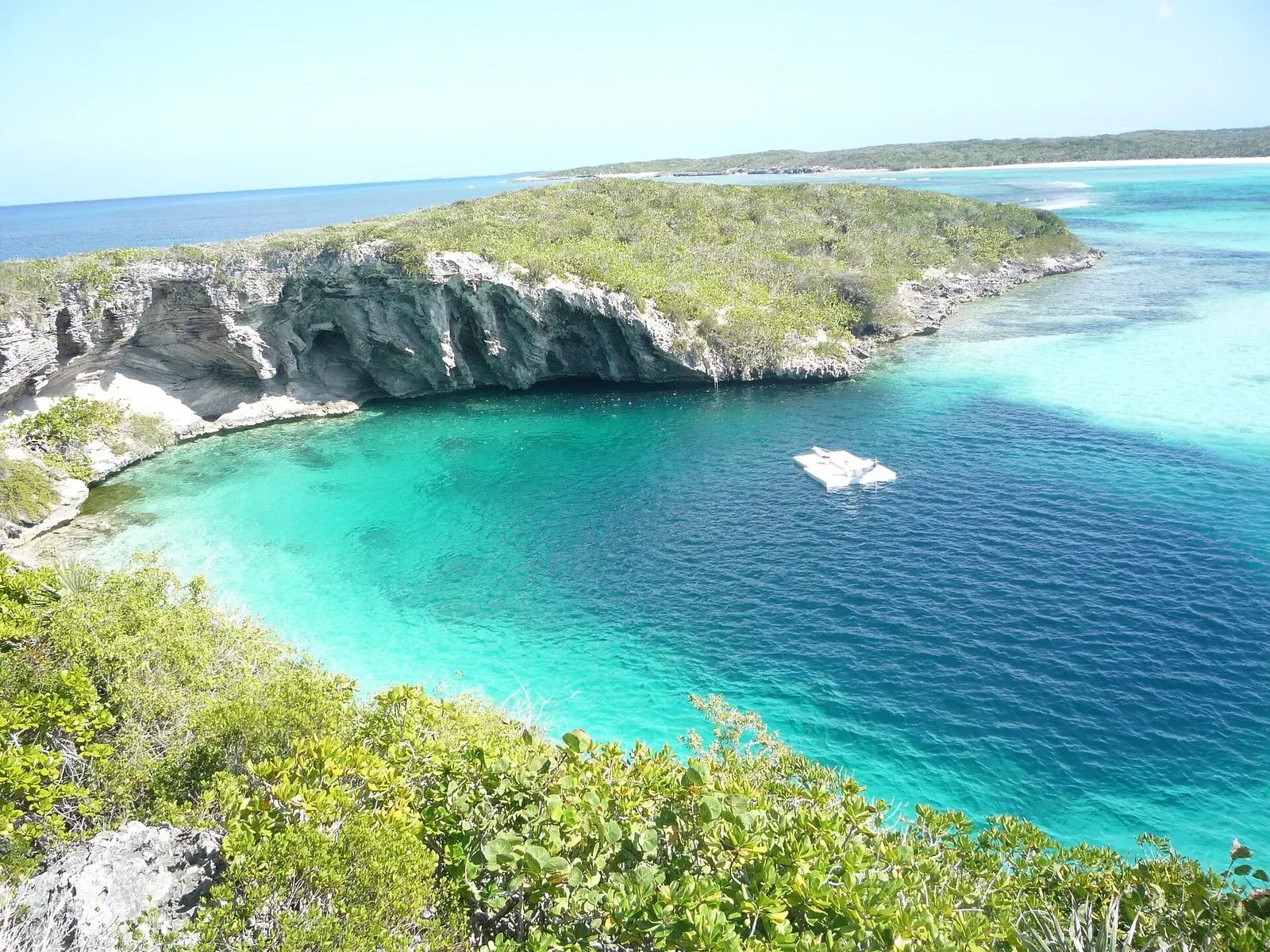
The next rung belongs to people with no cylinder at all, and it inverts the ladder. A freediver has no gas density problem, no oxygen dose worth a clock, and a nitrogen load that builds only from a single lungful — so the walls that stop scuba divers at 40 and 56 metres do not exist. Alexey Molchanov’s constant-weight record, swimming down and back on his own fins, is 136 metres, set at the 2023 CMAS World Championship and confirmed under AIDA rules in September of that year; he had already dived 126 metres at Dean’s Blue Hole in 2012, in a shaft whose true floor is 202 metres down and where scuba divers are capped at about 40. The sled-and-balloon discipline goes deeper still. Herbert Nitsch set the no-limits record at 214 metres at Spetses in June 2007, and on 6 June 2012 at Santorini reached 253.2 metres — a depth Guinness recognises — and then, in his own page’s words, “ten minutes after the dive he began experiencing serious symptoms of decompression sickness”. He fell asleep from nitrogen narcosis on the ascent, and “incurred multiple brain strokes due to severe decompression sickness”. One breath of surface air, taken to 26 bar, held enough nitrogen to bend him.
That is the freediving version of the ladder’s lesson: the walls are physiology, not equipment. Take away the cylinder and you take away three of the rungs, and the ones that remain — pressure on the chest, nitrogen in the blood, the brain’s tolerance for hypoxia — are still there, waiting deeper.
Saturation and the floor nobody’s gas can move
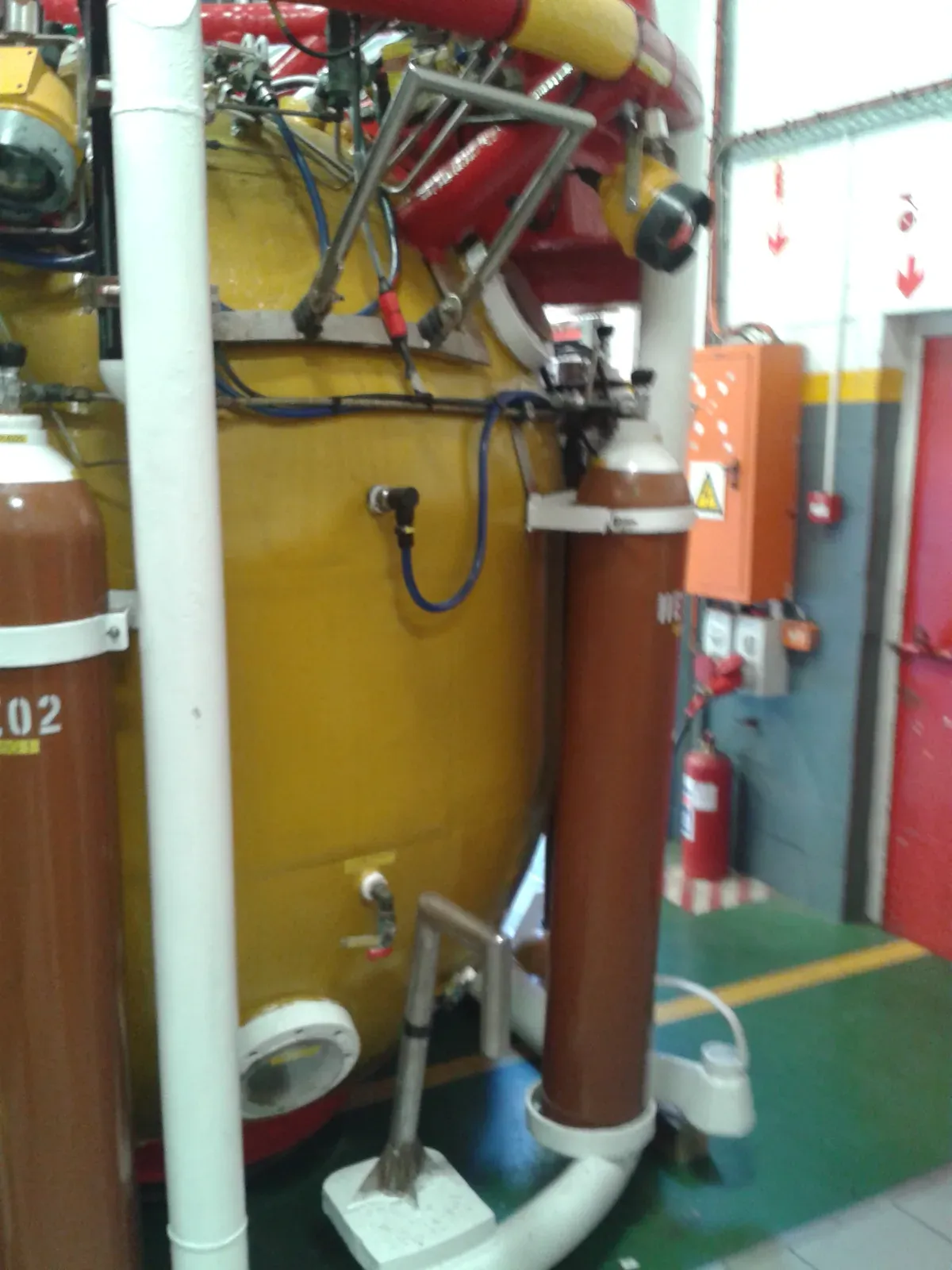
Commercial diving reaches the bottom of the ladder by refusing to climb it every day. Saturation diving, in Wikipedia’s definition, “allows a diver to remain at working depth for extended periods during which the body tissues become saturated with metabolically inert gas from the breathing gas mixture. Once saturated, the time required for decompression to surface pressure will not increase with longer exposure.” Divers live in a chamber at working pressure for weeks, ride a bell to the job, and pay the decompression bill once, at the end. Helium makes the density arithmetic survivable — even a heliox with 16 per cent oxygen would weigh only 3.9 g/L at 100 metres, the absolute limit not reached until 165 metres, and the 5 per cent mixes saturation divers actually breathe there weigh about 2.5 — and there is no nitrogen to be narcotic.
And then the helium runs out of road, because the last wall is not a gas at all. High-pressure nervous syndrome “can result when a diver descends below about 500 feet (150 m) using a breathing gas containing helium”: tremors, jerking, drowsiness, changes on the EEG. Wikipedia’s account separates two parts: the compression effects depend on how fast you descend and fade within hours once the pressure stabilises, but “The effects from depth become significant at depths exceeding 1,000 feet (300 m) and remain regardless of the time spent at that depth.” The pressure is acting on the nervous system directly. The counter-intuitive fix, covered in the breathing-gas guide, is to put a narcotic back in — a few per cent of nitrogen, or, for the deepest chamber and sea dives, hydrogen as half the mix, which is where the true records live: COMEX’s Hydra 8 divers working at 534 metres in the Mediterranean in 1988 on hydreliox, and Théo Mavrostomos spending two hours at a simulated 701 metres in a chamber in 1992 on the same gas. Past that, the only way down is to stop breathing the pressure at all: an atmospheric diving suit, a one-person submarine shaped like a diver, in which Chief Navy Diver Daniel Jackson took the US Navy’s ADS 2000 to 610 metres (2,000 ft) off southern California on 1 August 2006, at one atmosphere inside.
So the honest answer to how deep a human can dive is a ladder with a floor. Eighteen metres by rule, about 33 by density, 40 by the clock, 56.5 by oxygen, the low hundreds with helium, 332.35 as a record nobody should copy, and somewhere around 300 metres the point where pressure alone starts to shake the nervous system — beyond which the diver goes down inside a machine, and the diving stops being the point.
Where the deep places are
Our records hold the landmarks of this ladder in one place each. Dahab’s Blue Hole is the whole article in a single sinkhole — a floor past 100 metres, a saddle at 6, an Arch at 55 — and the 318 m dive of 2005 and the 332.35 m dive of 2014 were both made in the sea off this town — with the Bells as its recreational front door. Dean’s Blue Hole is the freedivers’ shaft; Belize’s Great Blue Hole, 124 metres deep and dived to 40, is the version everybody can book. The Andrea Doria, Justicia and Triumph are the trimix ground, and the Britannic is the 100-metre line with a name on it.
| Site | Depth | Level | Best months |
|---|---|---|---|
| Blue Hole Dahab · Egypt | 6–40 m | Advanced | Apr–May |
| The Bells Dahab · Egypt | to 30 m | Advanced | Apr–May |
| Great Blue Hole Belize Barrier Reef · Belize | 5–40 m | Advanced | Mar–Jun |
| Dean's Blue Hole Long Island, Bahamas · Bahamas | 20–40 m | Advanced | Mar–Apr |
| SS Andrea Doria Long Island Wreck Valley · United States | 58–73 m | Advanced | Jul–Sep |
| SS Justicia Malin Head · Ireland | to 70 m | Advanced | Jun–Aug |
| HMS Triumph Gallipoli · Turkey | to 73 m | Advanced | Jun–Sep |
| HMHS Britannic Kea Channel · Greece | 80–122 m | Advanced | Jun |
The mechanism behind the 30-metre rung is in gas density and narcosis; the 56.5-metre rung in the oxygen clock; the clock behind the 40-metre rung in how your dive computer decides; the helium that moves the walls in air, nitrox and trimix; the wrecks that live just past the line in deep wrecks; and the sinkholes the records are set in, blue holes.