
Coral Triangle · Philippines
Malapascua
Pelagic thresher sharks at a cleaning station, now at Kimud Shoal.
Photo: Petter Lindgren · CC BY-SA 3.0
Malapascua, a small island off northern Cebu, is one of the few places in the world where pelagic thresher sharks can be seen reliably on scuba. Since 2022 that dive has been at Kimud Shoal, an hour southeast towards Leyte, where the sharks are cleaned at 12 to 22 metres from first light through the morning — shallower and better lit than the pre-dawn Monad Shoal dive it replaced. Beyond the sharks the island offers reef and wreck diving and resident mandarinfish for dusk dives.
About diving in Malapascua
The whole day is still built backwards from one dive in the early morning, though it is a gentler proposition than it used to be. Because these are wild sharks visiting a cleaning station rather than a fixed attraction, most people buy the shoal trip on several mornings of a stay rather than stake a week on one roll, then fill the rest of the day with two or three dives once breakfast is done. Everything runs by outrigger, loaded off the beach rather than from a dock, so expect to wade; there is no shore diving to speak of.
The thresher dive moved in September 2022. Sightings at Monad Shoal, the flat-topped seamount 8 kilometres east that made the island famous, dwindled over a few weeks and then stopped, and the sharks set up at Kimud Shoal, an hour southeast towards the Leyte coast. Kimud's top sits at 12 to 14 metres with cleaning stations at around 18 to 22 metres, so the dive is shallower, longer and better lit than the one it replaced, and the sharks are seen from first light through the morning rather than only in the grey before sunrise. Boats still leave early because the crossing takes about an hour, but there is no longer a race to beat the dawn.
Stillness is still the whole skill: divers settle back from the stations and wait, facing outward, and silt kicked off the plateau ruins the view for everyone behind. The rest of the diving belongs to a different island. Close-in sites are shallow coral and sand a few minutes out, and they carry the macro and the dusk diving. The outer sites are half-day or full-day runs across open water and are the first thing cancelled when the wind gets up. A ferry wreck, the Doña Marilyn, lost in a 1988 typhoon, lies on its side past 30 metres, beyond a standard recreational profile.
It suits divers willing to organise a week around one animal — several early starts in a row, and a dive that consists largely of holding still and waiting, are not for everyone — though the wider window at Kimud takes some of the sting out of it. Monad Shoal is still dived, now for tiger sharks, January-to-April hammerheads and mobula rays rather than threshers. The swell that calls off the early crossing comes with the northeast monsoon and eases by March; April and May are the calmest months, and the middle of the year dives better than its typhoon reputation suggests.
Best time to dive Malapascua
| Jan | Feb | Mar | Apr | May | Jun | Jul | Aug | Sep | Oct | Nov | Dec | |
|---|---|---|---|---|---|---|---|---|---|---|---|---|
| Season | Fair | Fair | Prime | Prime | Prime | Good | Good | Good | Good | Fair | Fair | Fair |
| Sea surface | 27°C81°F | 27°C81°F | 28°C82°F | 29°C84°F | 30°C86°F | 30°C86°F | 30°C86°F | 30°C86°F | 30°C86°F | 30°C86°F | 29°C84°F | 28°C82°F |
| Daytime high | 29°C84°F | 30°C86°F | 31°C88°F | 32°C90°F | 33°C91°F | 32°C90°F | 31°C88°F | 31°C88°F | 31°C88°F | 31°C88°F | 30°C86°F | 30°C86°F |
| Rain | 329 mm13.0 in | 185 mm7.3 in | 157 mm6.2 in | 104 mm4.1 in | 137 mm5.4 in | 206 mm8.1 in | 224 mm8.8 in | 169 mm6.7 in | 212 mm8.3 in | 249 mm9.8 in | 222 mm8.7 in | 348 mm13.7 in |
| Jan | Feb | Mar | Apr | May | Jun |
|---|---|---|---|---|---|
| Fair | Fair | Prime | Prime | Prime | Good |
| Sea surface | |||||
| 27°C81°F | 27°C81°F | 28°C82°F | 29°C84°F | 30°C86°F | 30°C86°F |
| Daytime high | |||||
| 29°C84°F | 30°C86°F | 31°C88°F | 32°C90°F | 33°C91°F | 32°C90°F |
| Rain | |||||
| 329 mm13.0 in | 185 mm7.3 in | 157 mm6.2 in | 104 mm4.1 in | 137 mm5.4 in | 206 mm8.1 in |
| Jul | Aug | Sep | Oct | Nov | Dec |
|---|---|---|---|---|---|
| Good | Good | Good | Fair | Fair | Fair |
| Sea surface | |||||
| 30°C86°F | 30°C86°F | 30°C86°F | 30°C86°F | 29°C84°F | 28°C82°F |
| Daytime high | |||||
| 31°C88°F | 31°C88°F | 31°C88°F | 31°C88°F | 30°C86°F | 30°C86°F |
| Rain | |||||
| 224 mm8.8 in | 169 mm6.7 in | 212 mm8.3 in | 249 mm9.8 in | 222 mm8.7 in | 348 mm13.7 in |
2011–2025 averages. Sea surface: NOAA Coral Reef Watch, measured at the surface, so deeper water can run colder. Daytime high and rain: NASA POWER.
March to May is the best stretch: the Visayan Sea is at its calmest, visibility runs about 15 to 25 m, the water warms from 27 to 29 °C, and it is the likeliest time for hammerheads at Monad Shoal. June to September stays mostly calm at around 29 °C with 15 to 20 m visibility, but late-afternoon rain is common and jellyfish are about, so a full-length suit is worth packing. October to January is the weak half: typhoon season runs from October to December, seas can be rough enough to cancel the offshore trips, plankton turns the water green with 5 to 10 m visibility, and the sea cools to about 25 °C by January and February. The threshers ignore the calendar and use Kimud Shoal in every month, so the season decides comfort and how many trips run, not whether the sharks are there.
Best months: March, April, May
Malapascua water temperature and weather by month
The sea surface runs from 27 °C (81 °F) in February to 30 °C (86 °F) in June. Most rain falls from September to January, peaking at about 350 mm (14 in) in December; April is the driest. Daytime highs reach 33 °C (91 °F) in May and drop to 29 °C (84 °F) in January. The coldest water here is about 25 °C (77 °F), so pack a 3 mm full suit.
Dive types & marine life
Threshers use the Kimud Shoal cleaning stations in every month and are seen on nearly every morning trip, though a weathered-out day can cost a chance, so plan on two or three. Monad Shoal, the old thresher site, is now dived for tiger sharks, January-to-April hammerheads and mobula rays, while whitetips, sea snakes, turtles and dusk mandarinfish belong to the reefs closer in.
- Reef
- Muck & macro
- Drift
- Thresher sharks
- Mandarinfish
- Sea turtles
- Reef sharks
- Nudibranchs
- Mobula rays
Best dive sites in Malapascua
- 1
Kimud Shoal
Thresher cleaning stations on a 12–14 m plateau, dived every morning since the sharks moved here in 2022.
- 2
Gato Island
Sea-snake sanctuary 45 minutes out, with a 30 m tunnel at 10 m where whitetip sharks rest.
- 3
Monad Shoal
The old thresher shoal, flat-topped at 20–24 m, now dived for tiger sharks and mobula rays.
- 4
Doña Marilyn
A 97.6 m passenger ferry lost to Typhoon Ruby in 1988, on her starboard side from about 17 to 33 m.
- 5
Lighthouse Reef
Shallow reef where mandarinfish mate at sunset, then a night dive rich in cuttlefish and octopus.
- 6
Deep Rock
Soft-coral pinnacle from 14 m with pygmy seahorses, harlequin shrimp and frogfish.
- 7
Kalanggaman Island
Day trip to a sandbar island: a shallow reef over a steep wall, pygmy seahorses in the shallows.
- 8
Lapus Lapus
Protected islet reef to 18 m with some of the area's richest coral; a regular night dive.
Site guides
Reef
Reef, mini wall and coral garden from 12 m down to 30 m
Reef
Blue-ringed octopus and frogfish among coral boulders
Coral garden
A gentle coral slope from 5 to 20 m inside a protected area
Pinnacle
A 20 m-wide coral pinnacle topping out at 5 m
Pinnacle
A rocky pinnacle from 14 m to 34 m, dived on tide changes
Wreck
A 1988 ferry wreck lying on her starboard side at 33 m
A 5 to 13 m coral and seagrass slope off the resort beach
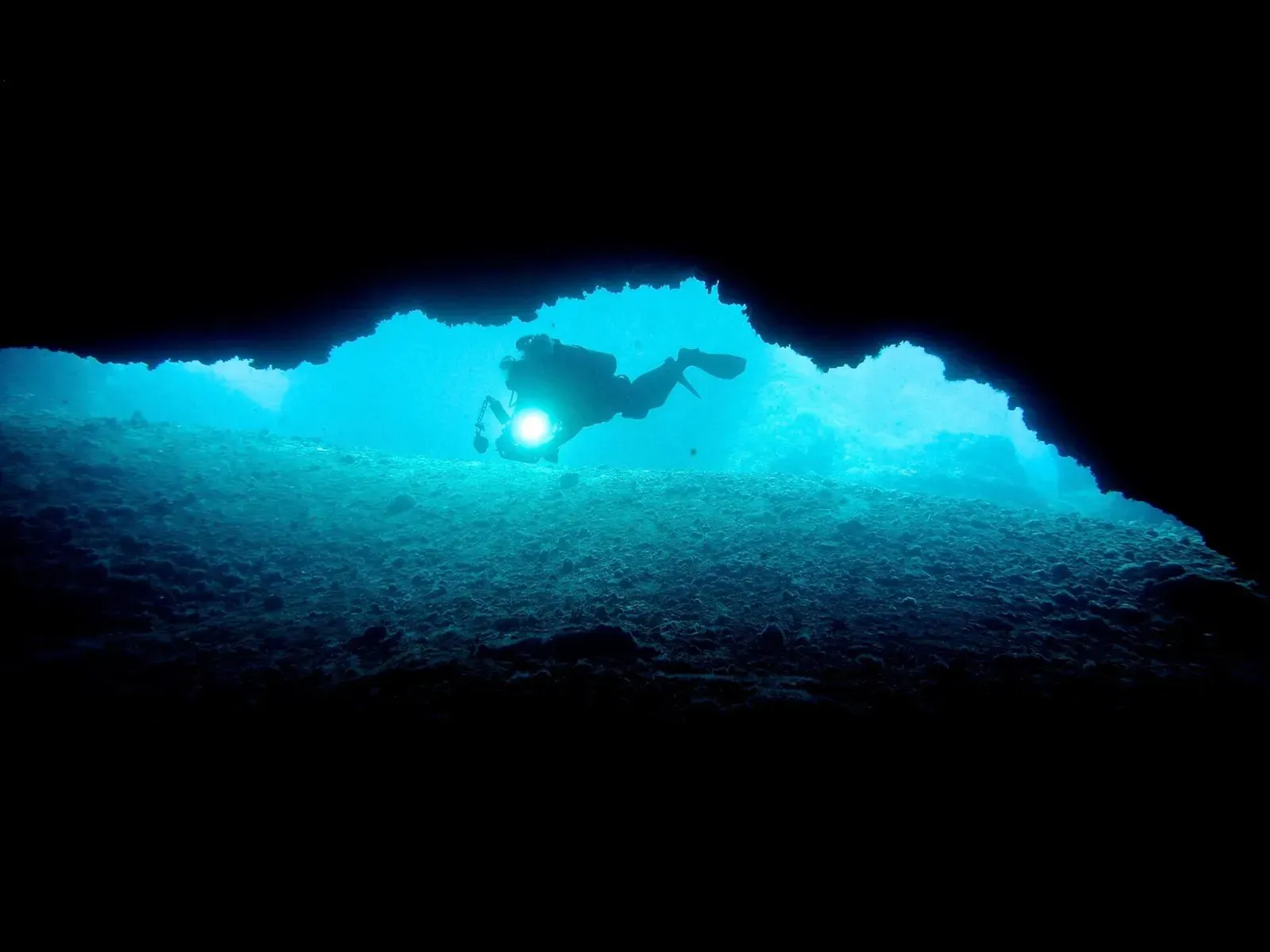
A 30 m swim-through tunnel at 10 m with sharks resting inside
Wreck
A wreck shallow enough to be someone's first ever dive
Muck & macro
Resident hairy frogfish a short ride from the island
A thresher shark now and then off a sandbar island's wall
Seamount
Where Malapascua's thresher sharks moved in 2022, at 12–22 m
Wall
A small wall from 12 m onto black coral sand at 20 to 30 m
Reef
Protected reef off a northern islet, 4 m down to 20 m
Reef
Mandarinfish mating in the coral at sunset
Reef
A 3 m flat top and a slope to 17 m, used for courses
Wreck
An upright WWII Japanese wreck reserved for technical divers
The old thresher shoal, now dived for tigers and mobulas
Muck & macro
A dune-like sand slope for macro, down to about 28 m
Wall
Garden eel colonies in the sand before the wall
Muck & macro
Muck ground averaging 5 to 8 m, with a maximum near 16
Wall
A 12 to 14 m wall with ground running down to 28 m
How to get to Malapascua
Reach the island through Cebu City, then roughly four hours by road to the north-coast port at Maya and a 30-40 minute outrigger crossing. Resorts will arrange the transfer, and public crossings stop in the late afternoon, so a late arrival into Cebu means a private boat or a night in Maya. Monad Shoal and Gato Island are protected areas, and a user fee is added to the dive price.
Photos from Malapascua
mattk1979 · CC BY-SA 2.0
mattk1979 · CC BY-SA 2.0
mattk1979 · CC BY-SA 2.0
Matt Kieffer · CC BY-SA 2.0
Dive videos
Malapascua: Island of the Thresher Shark // Life, Uncharted Ch. 03 [Documentary] · Noel Guevara on YouTube
Monad Shoal Malapascua - Thresher Shark Diving · Behind the Mask on YouTube
Questions divers ask
Do I need Advanced Open Water to see thresher sharks at Malapascua?+
No. Open Water is the minimum for the Kimud Shoal thresher dive, and Open Water divers usually go with an instructor while Advanced divers go with a divemaster. The cleaning stations sit at 12 to 22 m, so Advanced training adds margin, and deeper sites such as the Doña Marilyn wreck, which reaches 33 m, need it.
When is the best time to see thresher sharks at Malapascua?+
Any month. The threshers use the Kimud Shoal cleaning stations all year, and they are seen from sunrise through the late morning. March to May gives the calmest crossings and clearest water, while October to January brings the rough seas and green water most likely to cancel a trip, so allow two or three mornings.
Why did the thresher sharks move from Monad Shoal to Kimud Shoal?+
Nobody knows for certain. Sightings at Monad Shoal stopped in 2022 and the sharks settled at Kimud Shoal, a shallower seamount about an hour from the island. One explanation is that tiger sharks began patrolling Monad during the quiet pandemic years. The move put the cleaning stations at 12 to 22 m instead of 20 m and deeper.
How do I get to Malapascua from Cebu?+
Fly into Mactan-Cebu International Airport, then go north by road to Maya port, three and a half to four hours by bus from Cebu City's North Bus Terminal, and cross by outrigger in about half an hour. Public boats stop around 4:30 pm, so a late arrival means a private transfer or a night in Maya.
What is the water temperature at Malapascua?+
About 25 to 30 °C. The sea is warmest from June to September at around 29 °C and coolest from December to February, when it drops to about 25 °C at depth. A full-length suit is the better choice in the cooler months and during the summer jellyfish season.
Sources
- Malapascua diving: thresher sharks and marine diversity — Dive The World
- Thresher Sharks at Kimud Shoal — Thresher Shark Divers
- Malapascua Dive Sites — Thresher Shark Divers
- Malapascua — Alert Diver (DAN)
- Malapascua — Wikipedia
- Malapascua — Wikivoyage
- Diving Malapascua Island — Divezone
Photo credits
- A pelagic thresher shark with its long tail glides through blue water over the reef at Monad Shoal, Malapascua. by Petter Lindgren, CC BY-SA 3.0, via Wikimedia Commons
- Coral bommies and reef fish spread across a shallow reef top near Malapascua. by mattk1979, CC BY-SA 2.0, via Openverse
- Staghorn coral and small reef fish over a sandy bottom off Malapascua island. by mattk1979, CC BY-SA 2.0, via Openverse
- Soft corals and hard coral plates cover the reef slope at Gato Island near Malapascua. by mattk1979, CC BY-SA 2.0, via Openverse
- A dive boat's wake trails toward the small forested limestone islet of Gato near Malapascua. by Matt Kieffer, CC BY-SA 2.0, via Wikimedia Commons
Embed
Run a dive centre, club or blog? Embed this map of 12 dive sites near Malapascua on your own page.
In The Logbook
- Frogfish: species, behaviour and where to diveMacro & muck · 12 min read
- Where to dive in every month of the yearTrip planning · 14 min read
- What stings you underwater, and how to avoid itBody & health · 8 min read
- Malapascua thresher sharks: Monad or Kimud?Big animals · 11 min read
- Deep wreck diving: where recreational stopsWrecks · 8 min read
- Cheapest places to scuba dive, and the catchTrip planning · 15 min read
- Cavern and cenote diving without cave trainingCaves & caverns · 8 min read
- When and where to dive with hammerheadsBig animals · 16 min read
Similar destinations

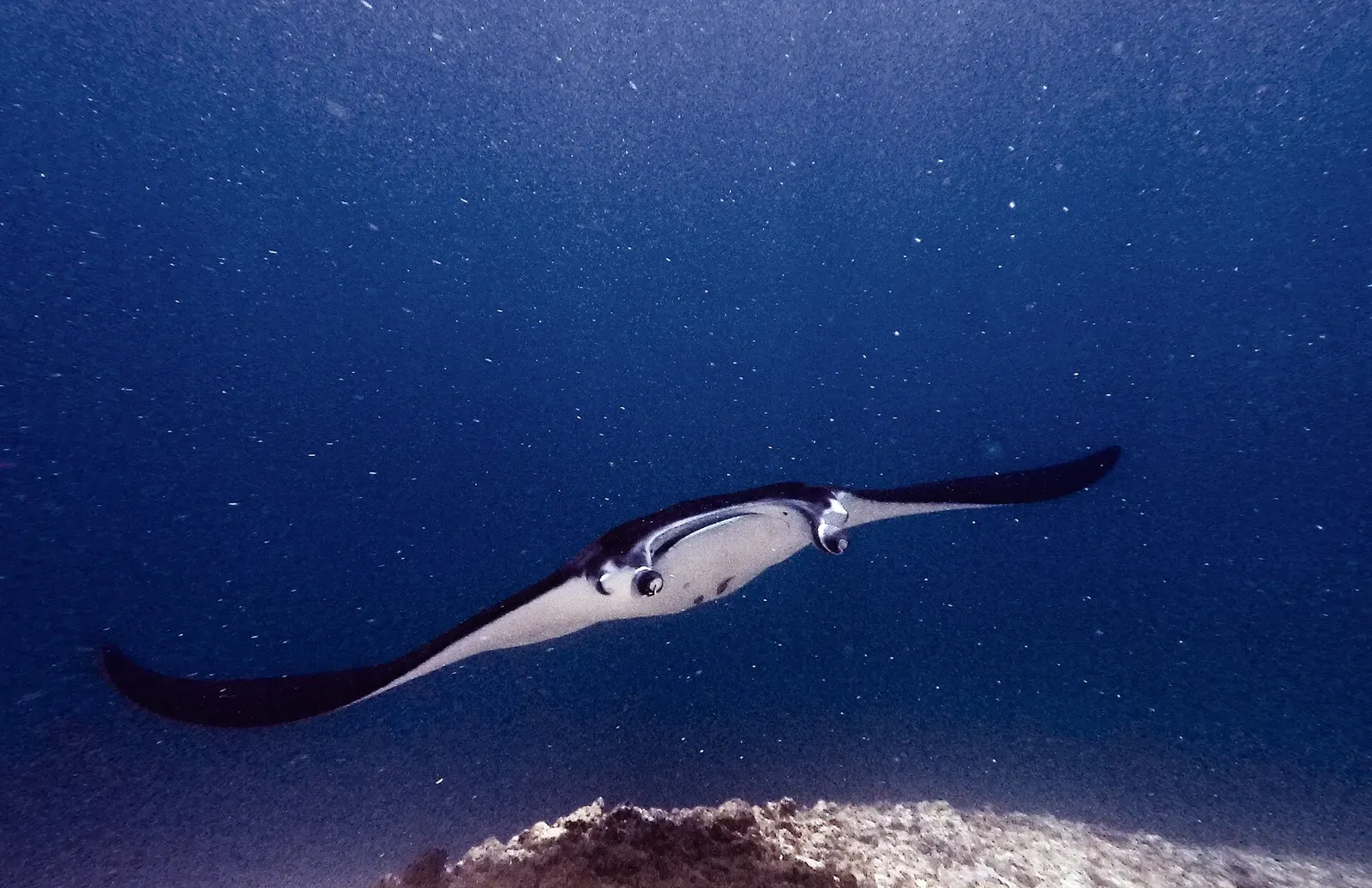
Community-run whale shark tourism, and mantas queueing in Ticao Pass
Drift dives past sharks and tuna on current-swept seamounts

Strong straits sweep past pristine coral cover between remote volcanic islands.


A 2016 survey found the world's highest average reef fish count per site here.