Reefwander

The Logbook

Guides from the Logbook

Long-form guides built on the same data as the map: which wrecks, animals and shore entries are worth the trip, and when. Written from published sources, with every claim linked.

64 guides, newest first

Ocean science

Hearing underwater: why sound has no direction

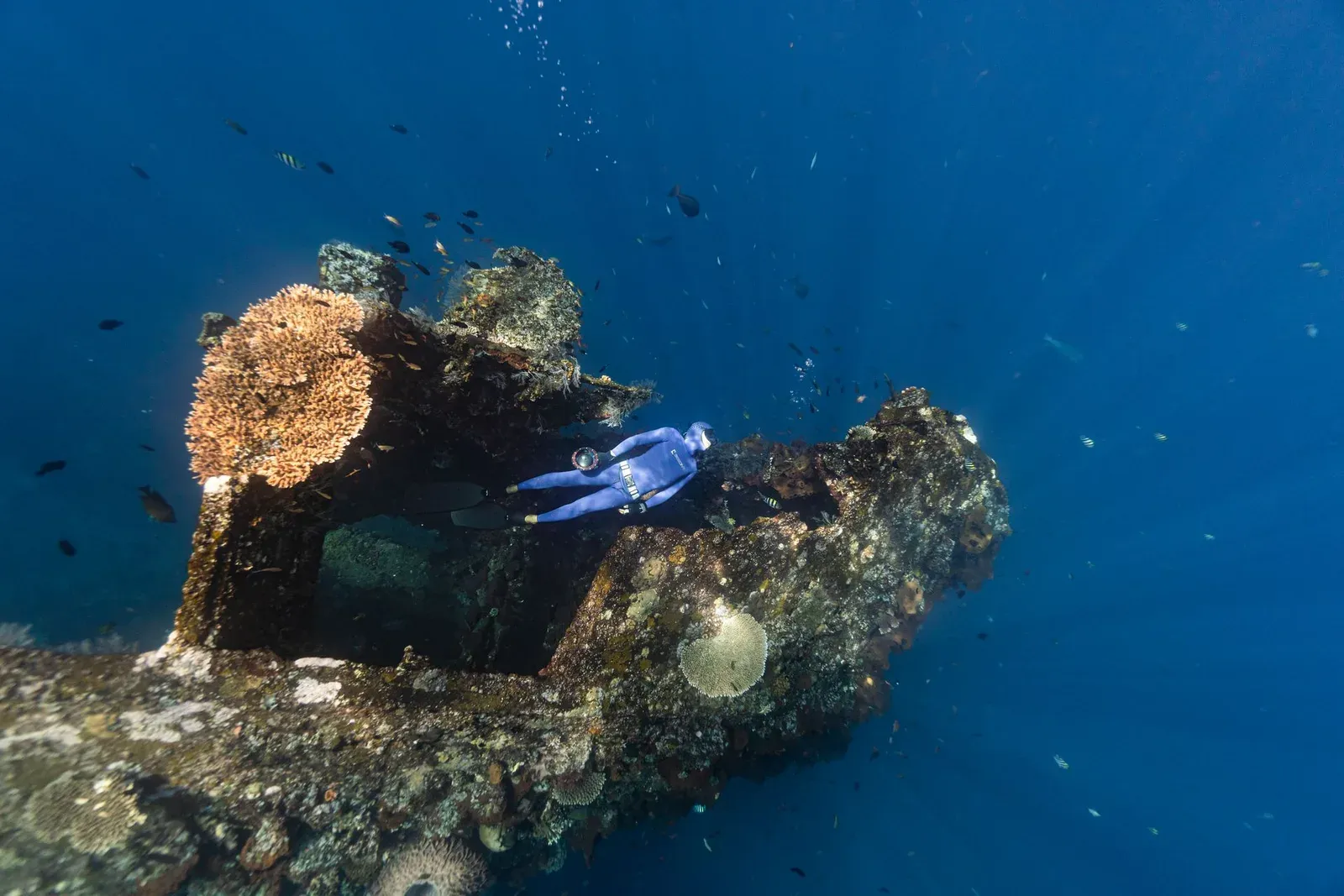
A boat that is everywhere and nowhere, a whale you never see, a crackle like frying fat, and your own breathing over the top of it all. Underwater hearing is not a muffled version of hearing in air — it is a different sense, run through the bones of your head. Here is the physics, with the numbers computed.

1 October 2026 · 14 min read
Big animals

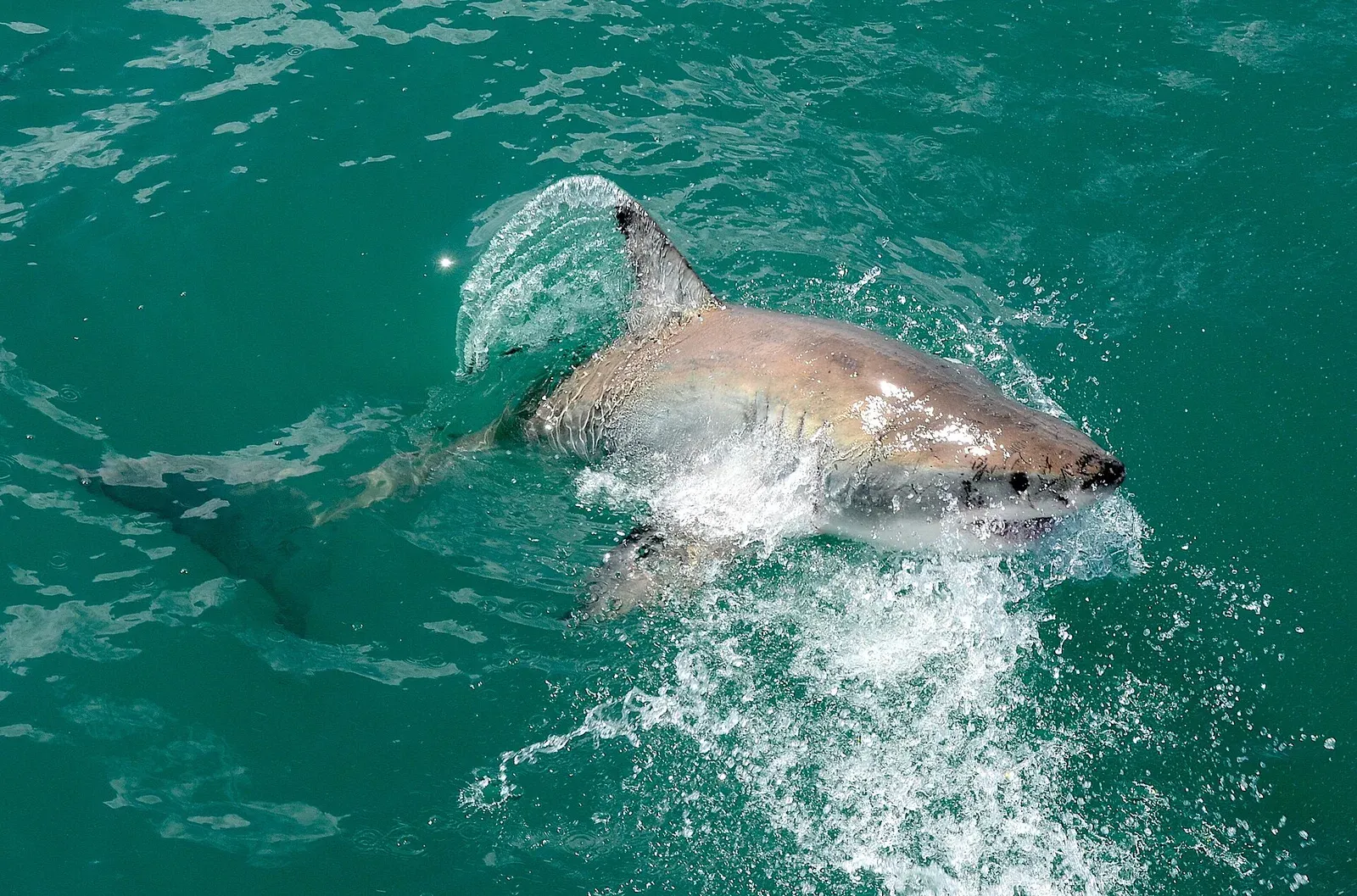
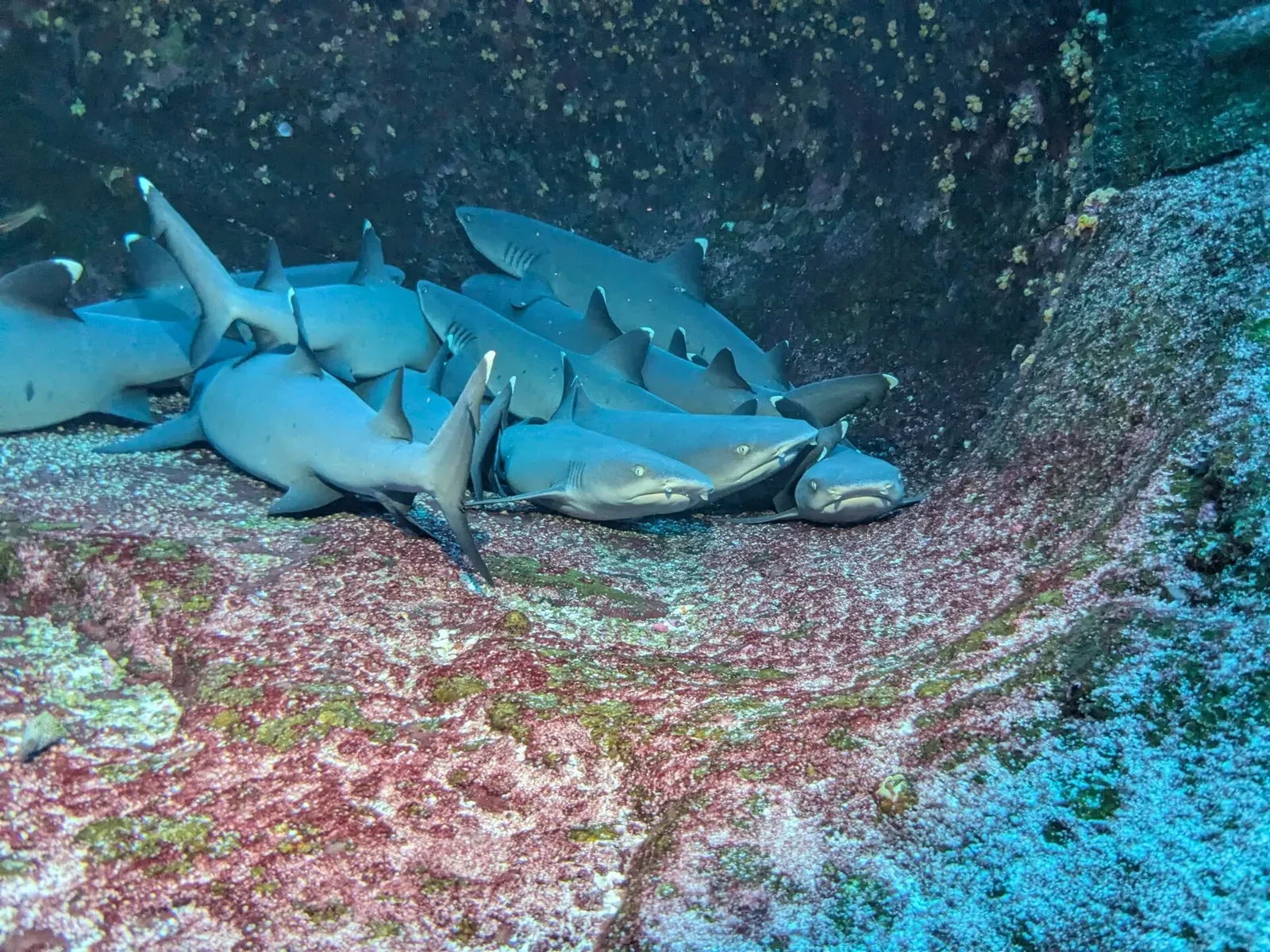
Where to see reef sharks on your first dives

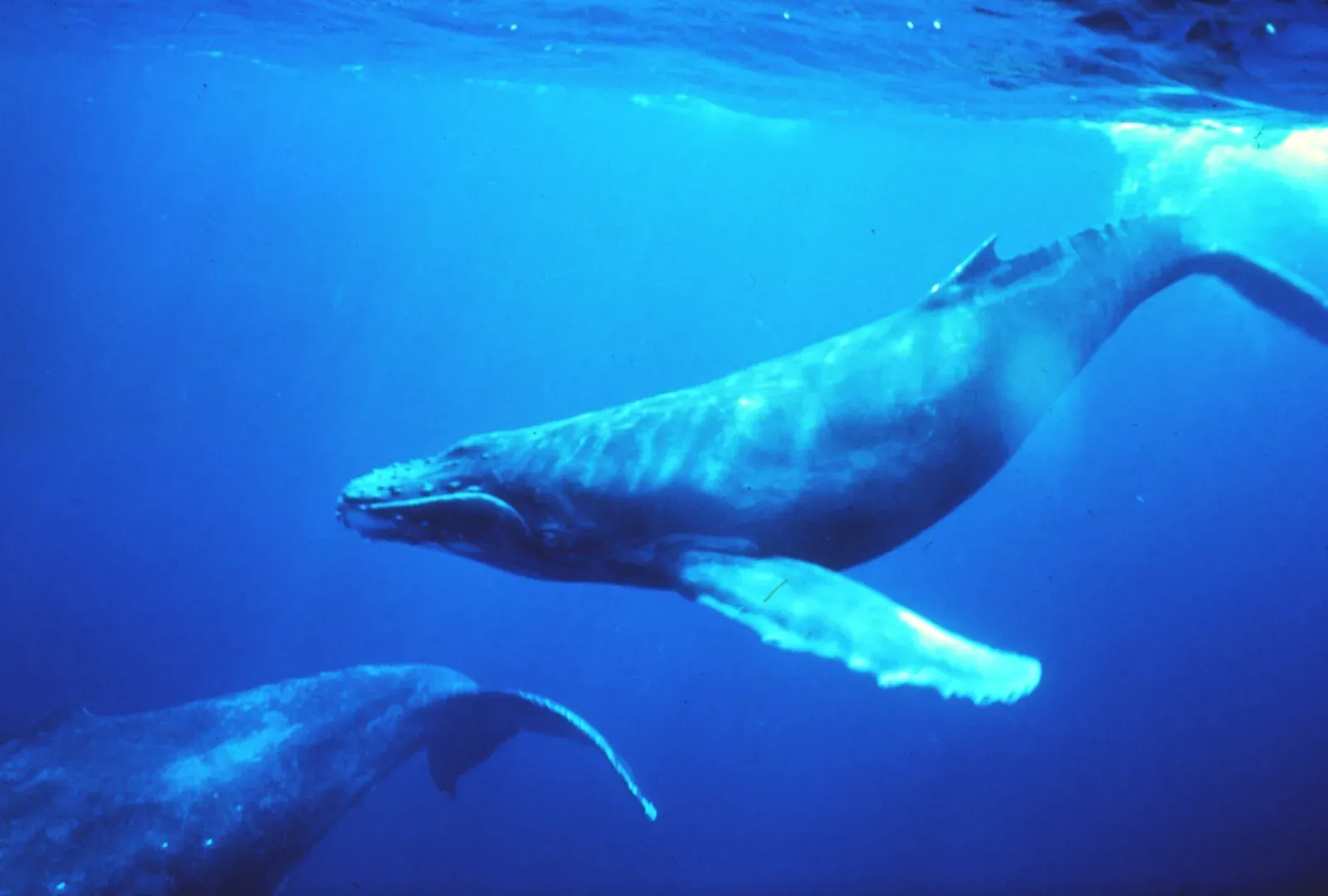
Whitetips rest, blacktips patrol the shallows, grey reefs need current. The reef shark dives an Open Water diver can actually book, from site records.

1 October 2026 · 14 min read
Ocean science

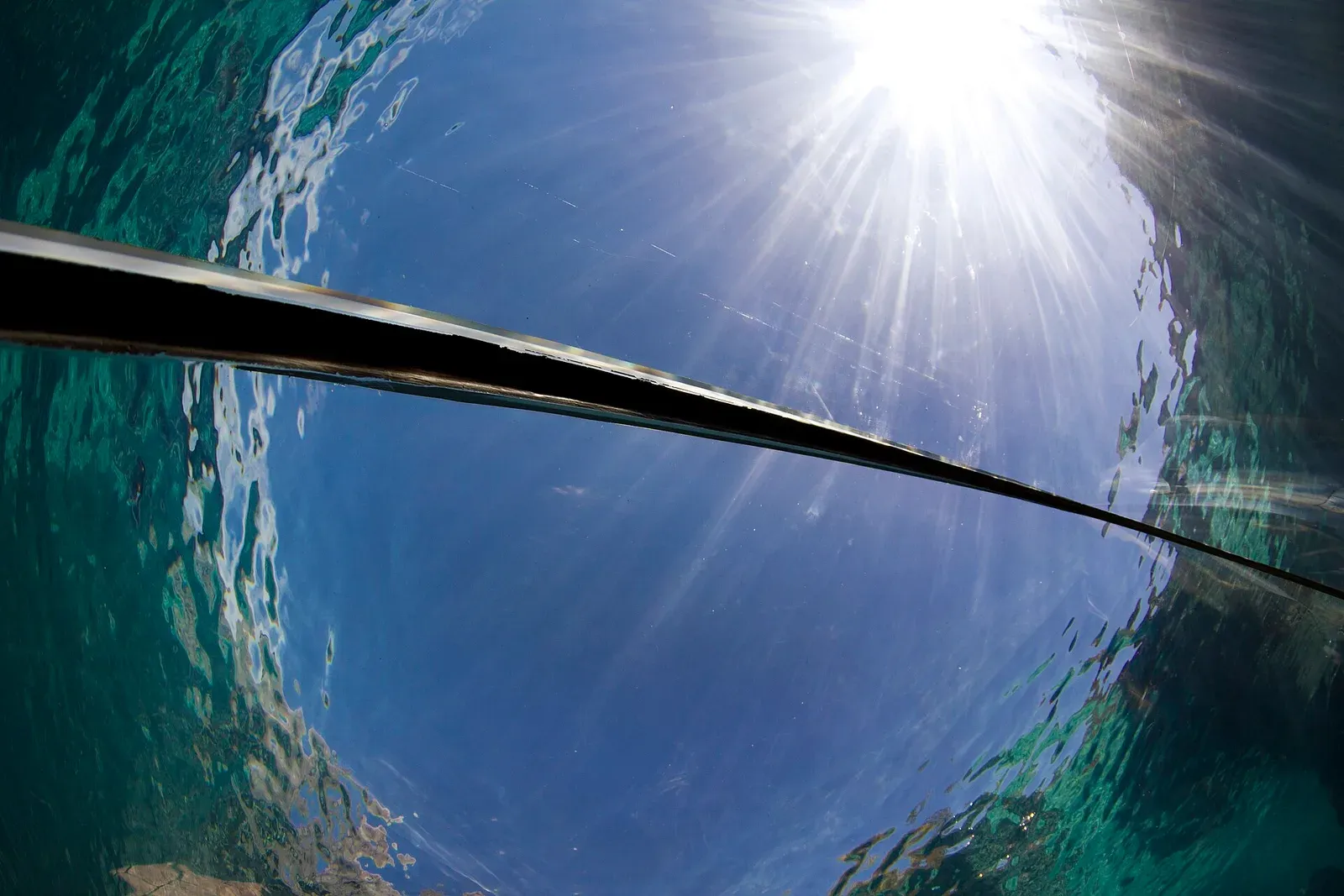
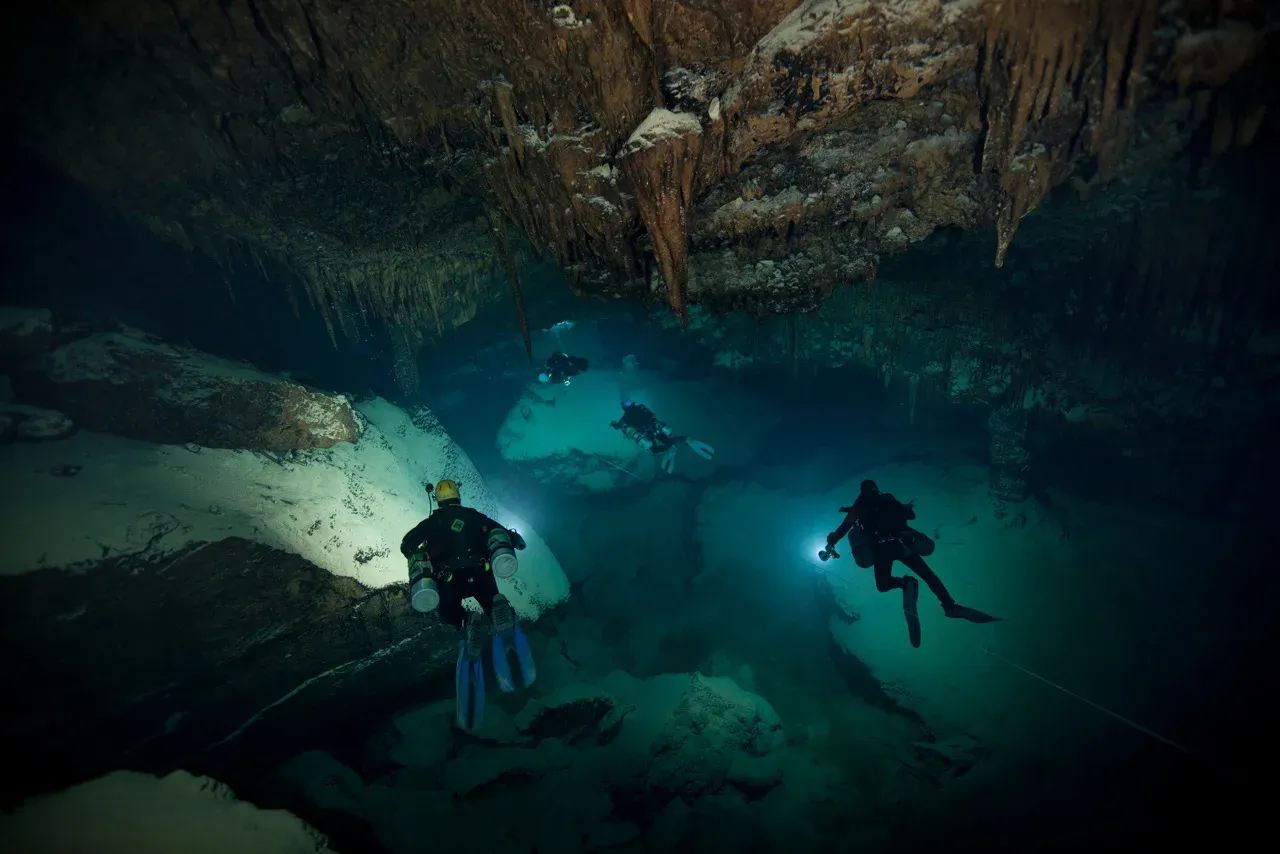
Why things look bigger underwater

Snell's law at a flat mask makes everything a third bigger and a quarter closer. The numbers, why reaching misses, what a dome port fixes, and the 97° window.

1 October 2026 · 12 min read

Cold water

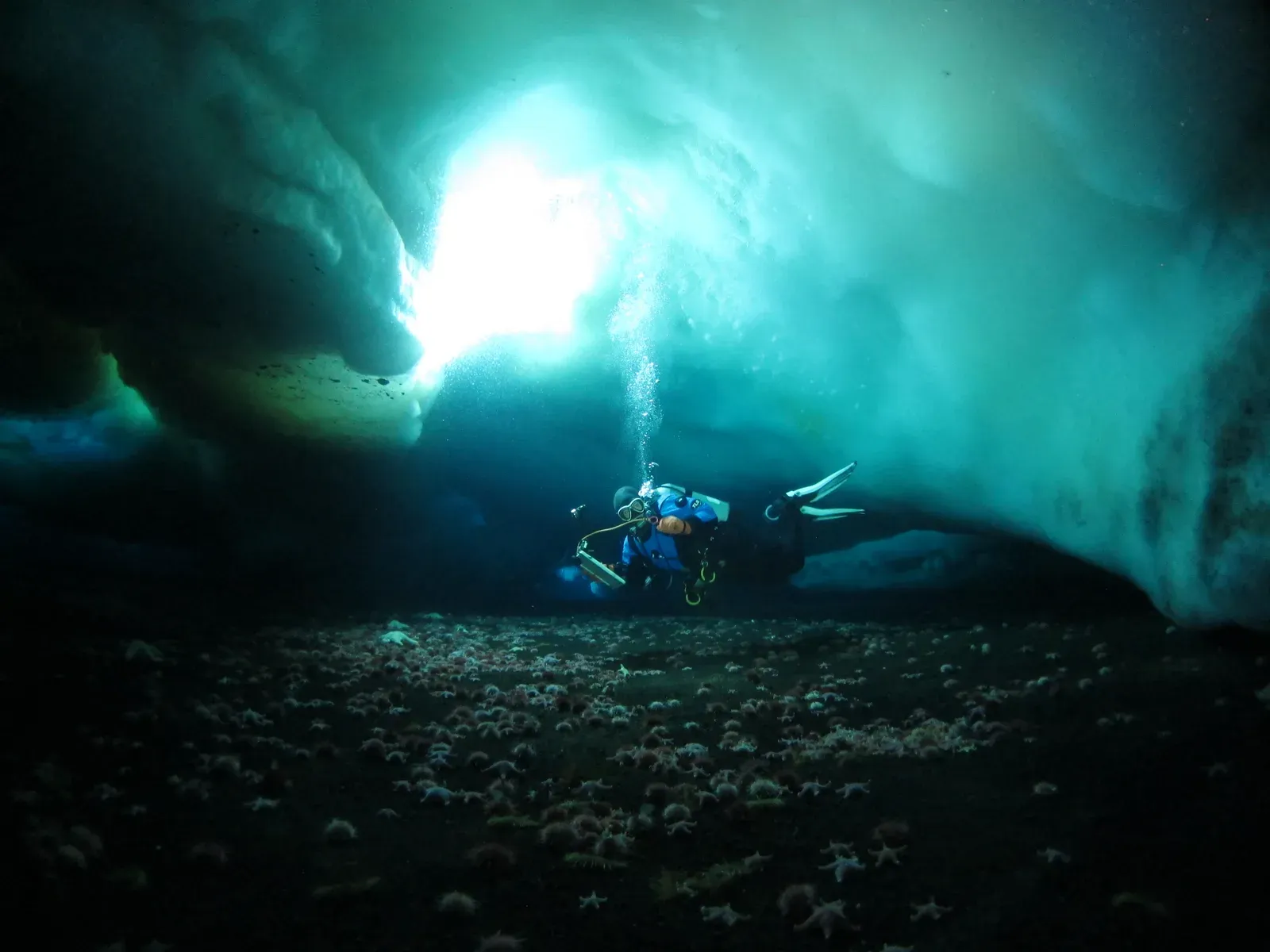
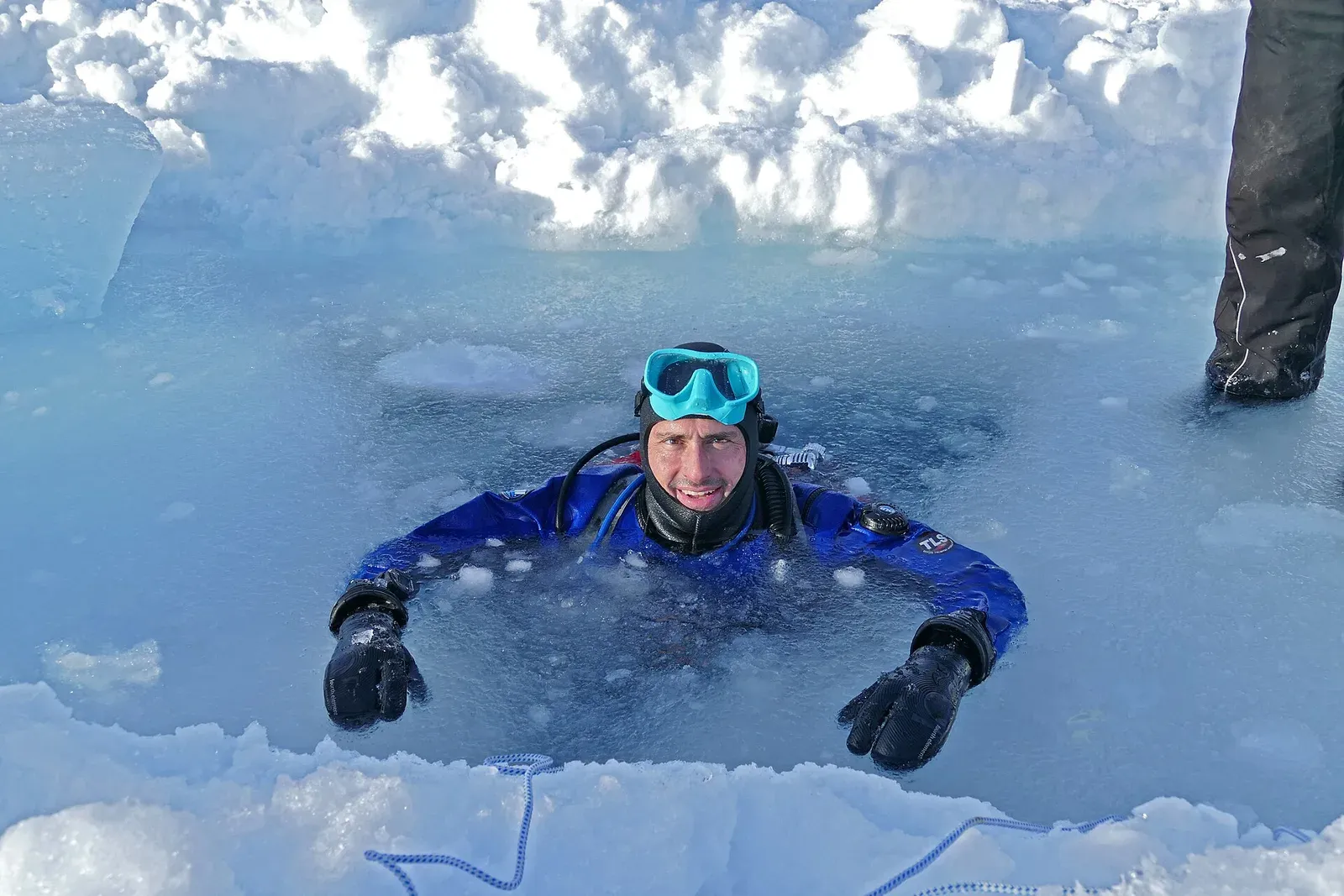
Ice diving: how it works and where to go

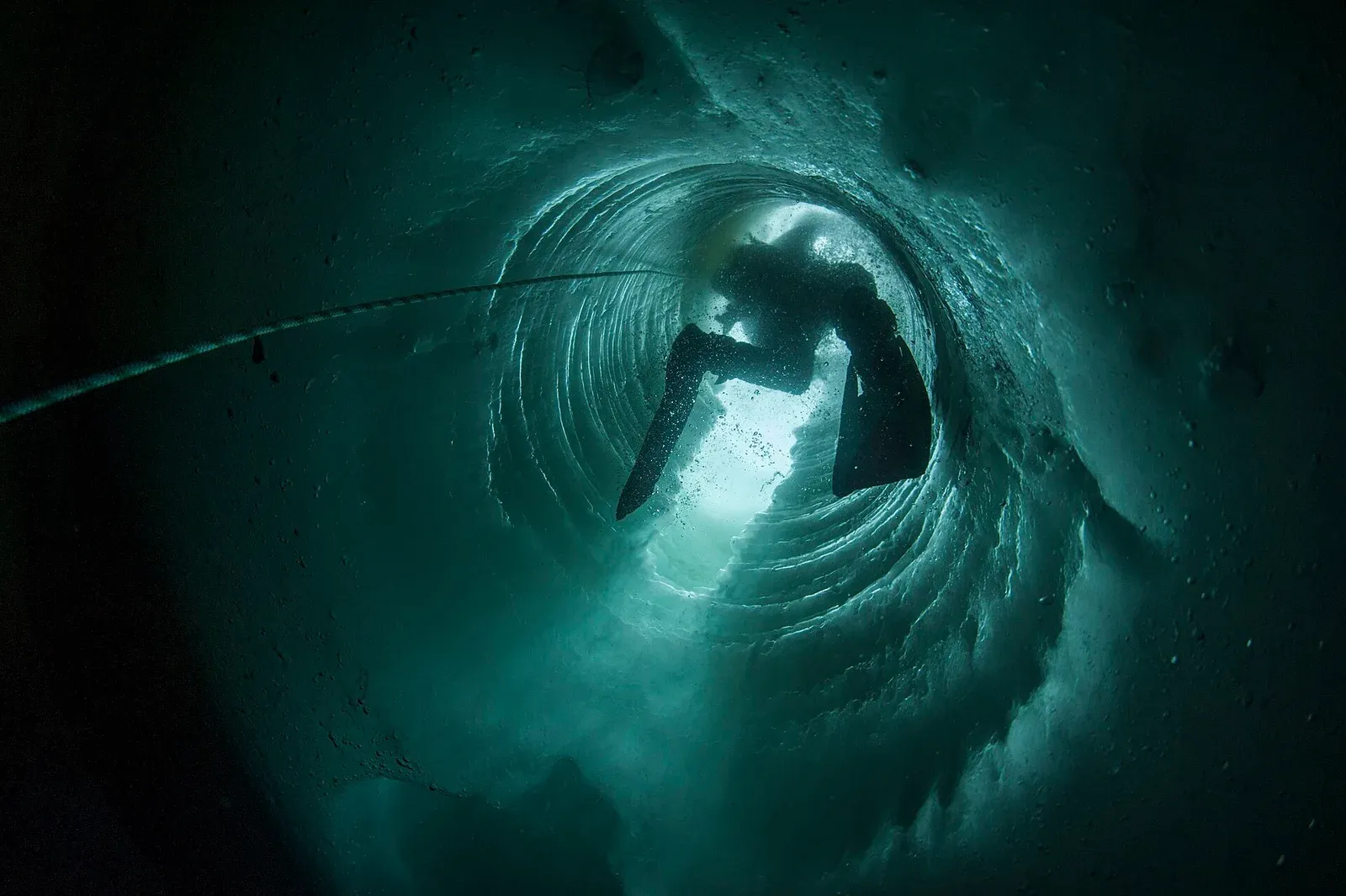
What ice diving is, why the diver is tethered, why fresh water is warmer below the ice, and where to dive under it, from Hokkaido to Finland.

29 September 2026 · 12 min read

Cold water

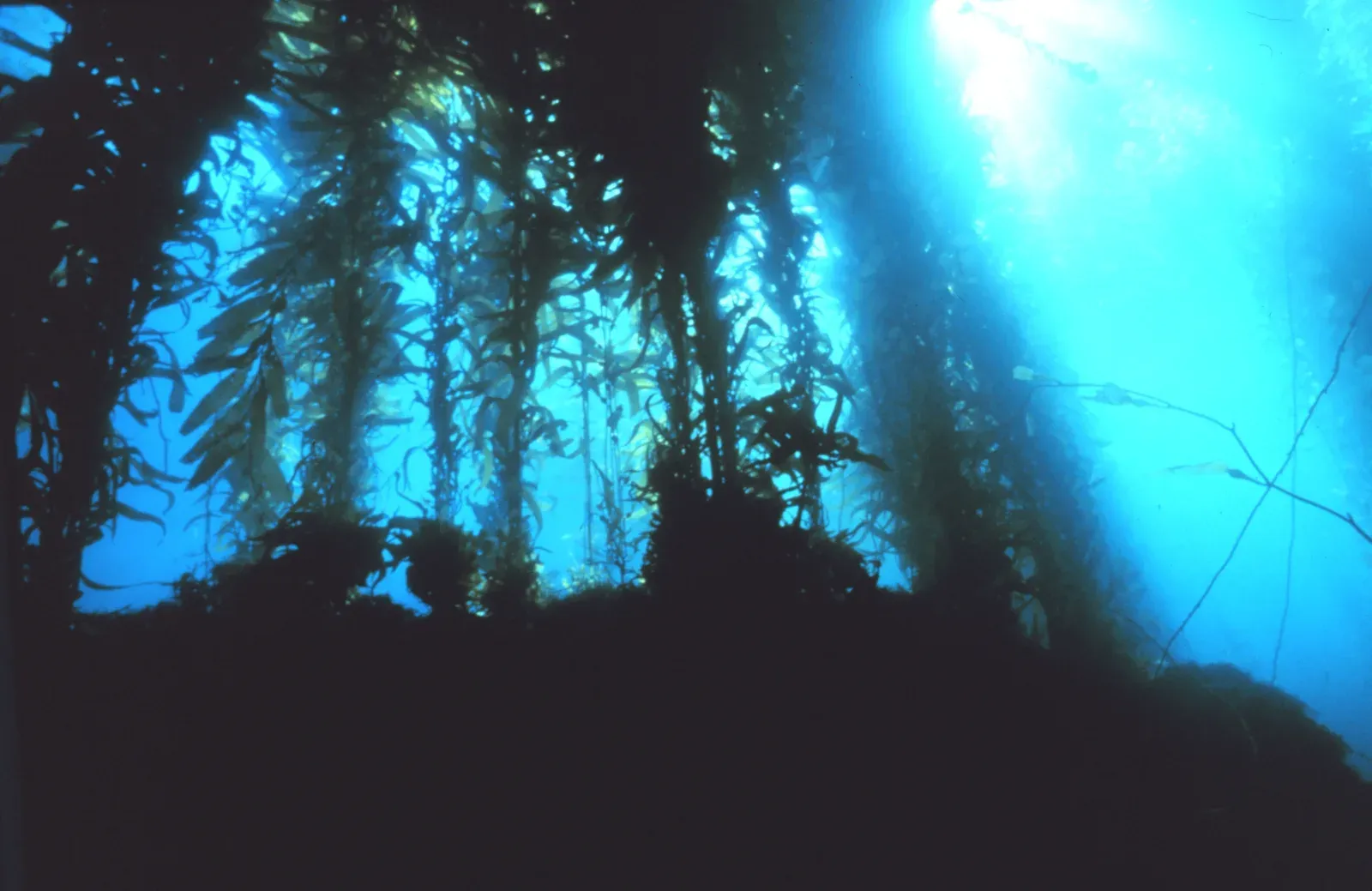
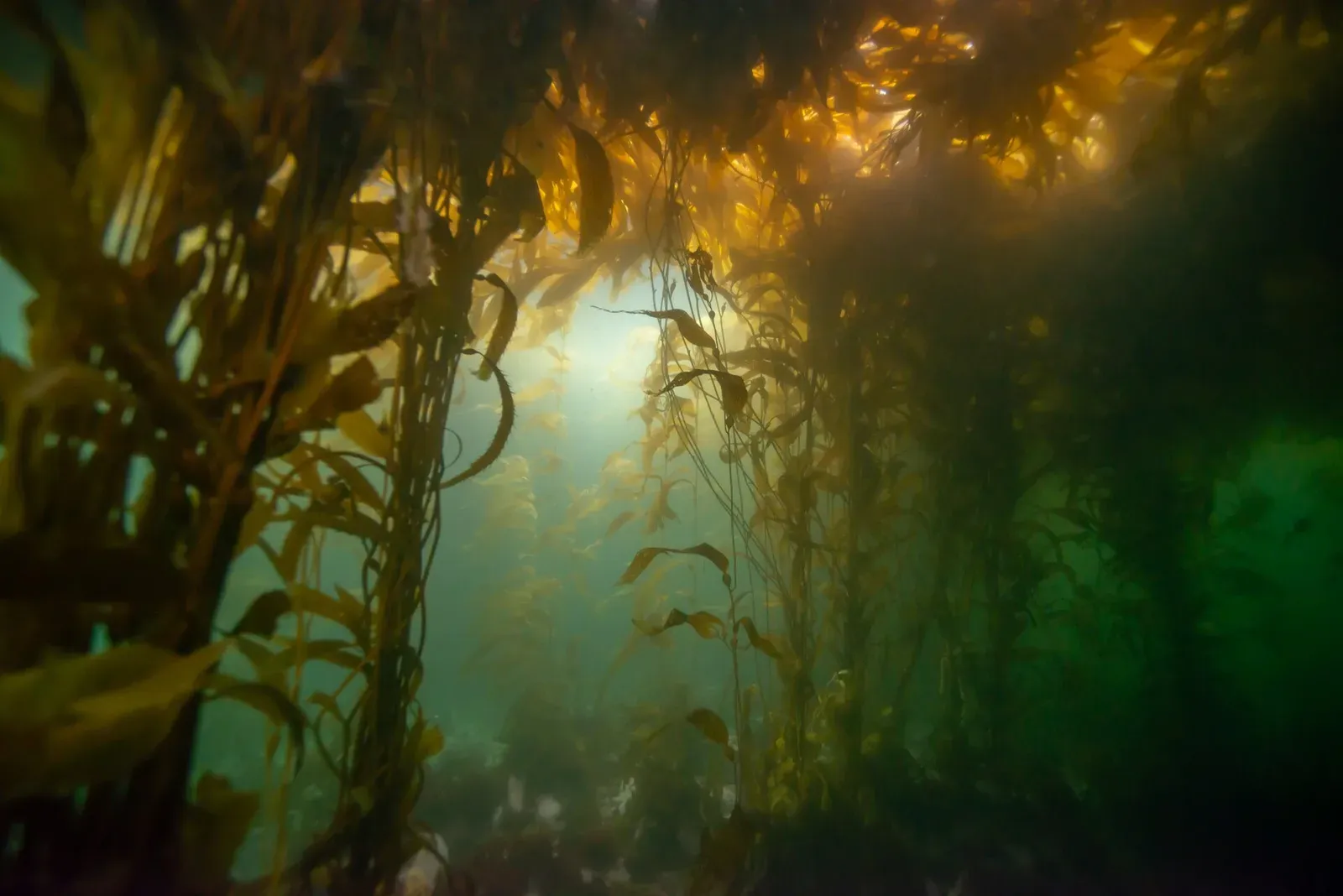
Kelp forest diving, and where it still grows

Where to dive in kelp forests, from Catalina and Monterey to Cape Town and Tasmania, what lives in them, and why some forests vanished.

29 September 2026 · 13 min read

Wrecks

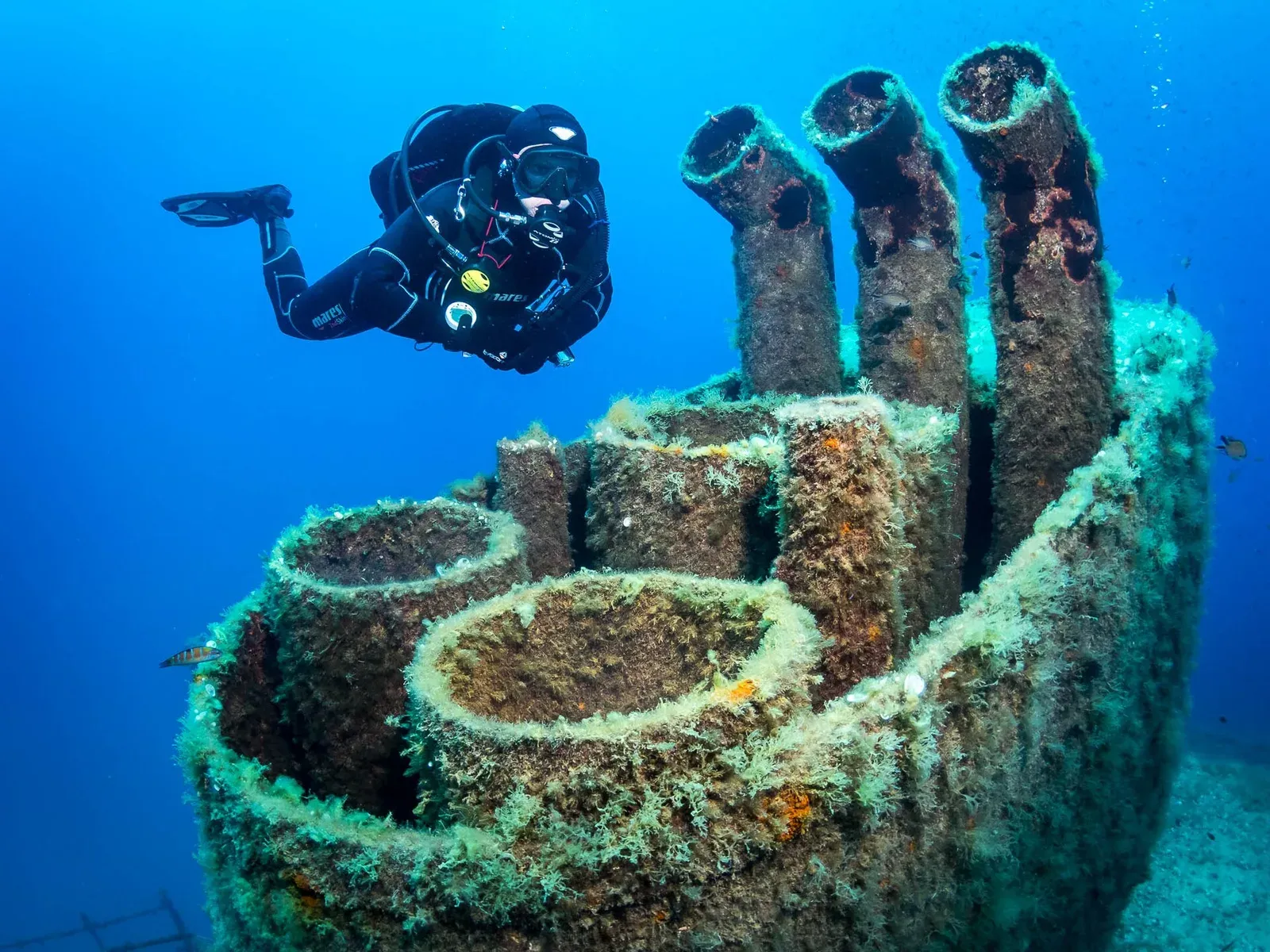
Malta and Gozo wreck diving, by depth and month

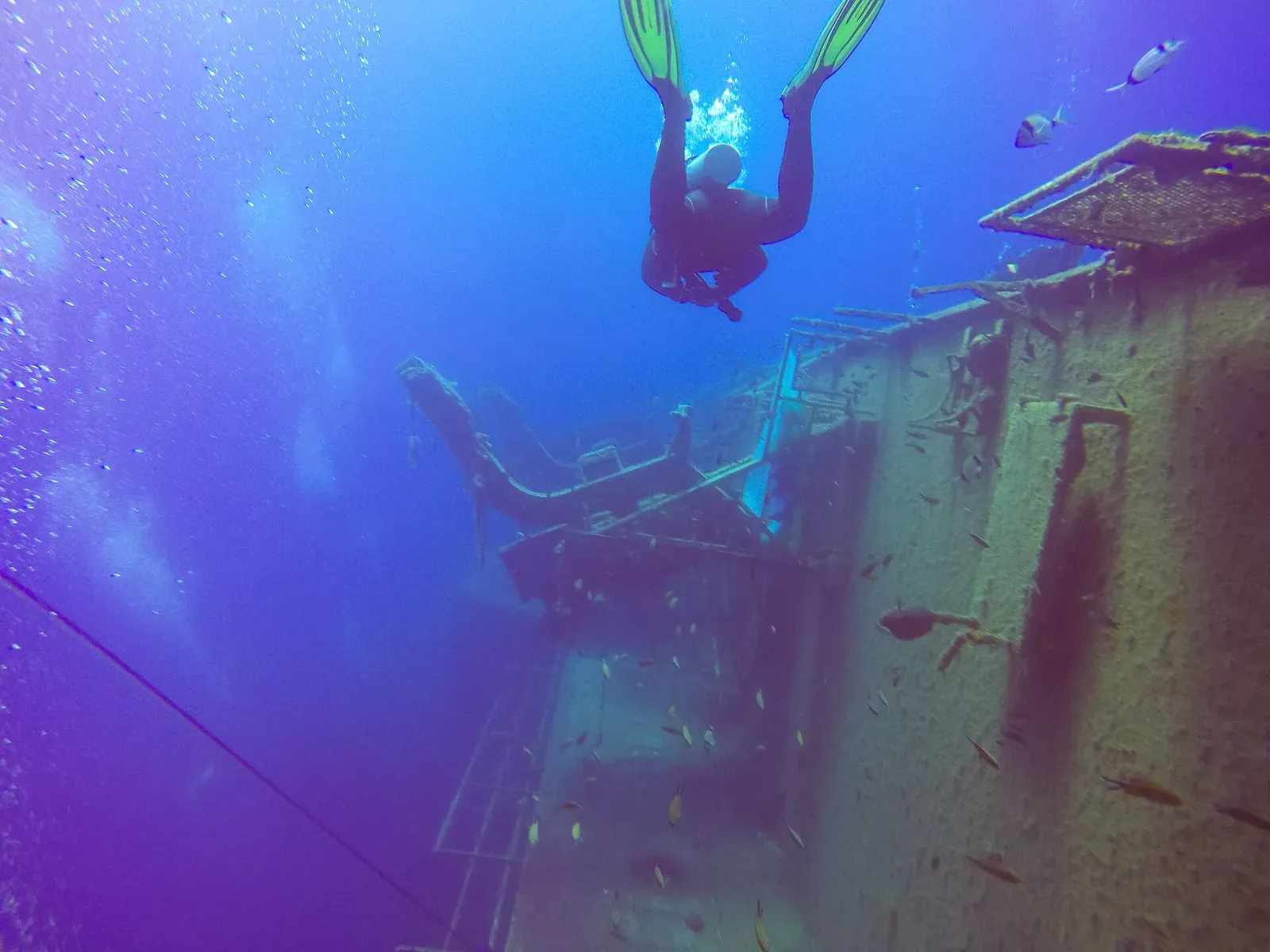
Malta and Gozo's scuttled wrecks with depth, level and shore entry: P29, Um El Faroud, Karwela and Hephaestus, and which months the water is worth it.

29 September 2026 · 10 min read

Macro & muck

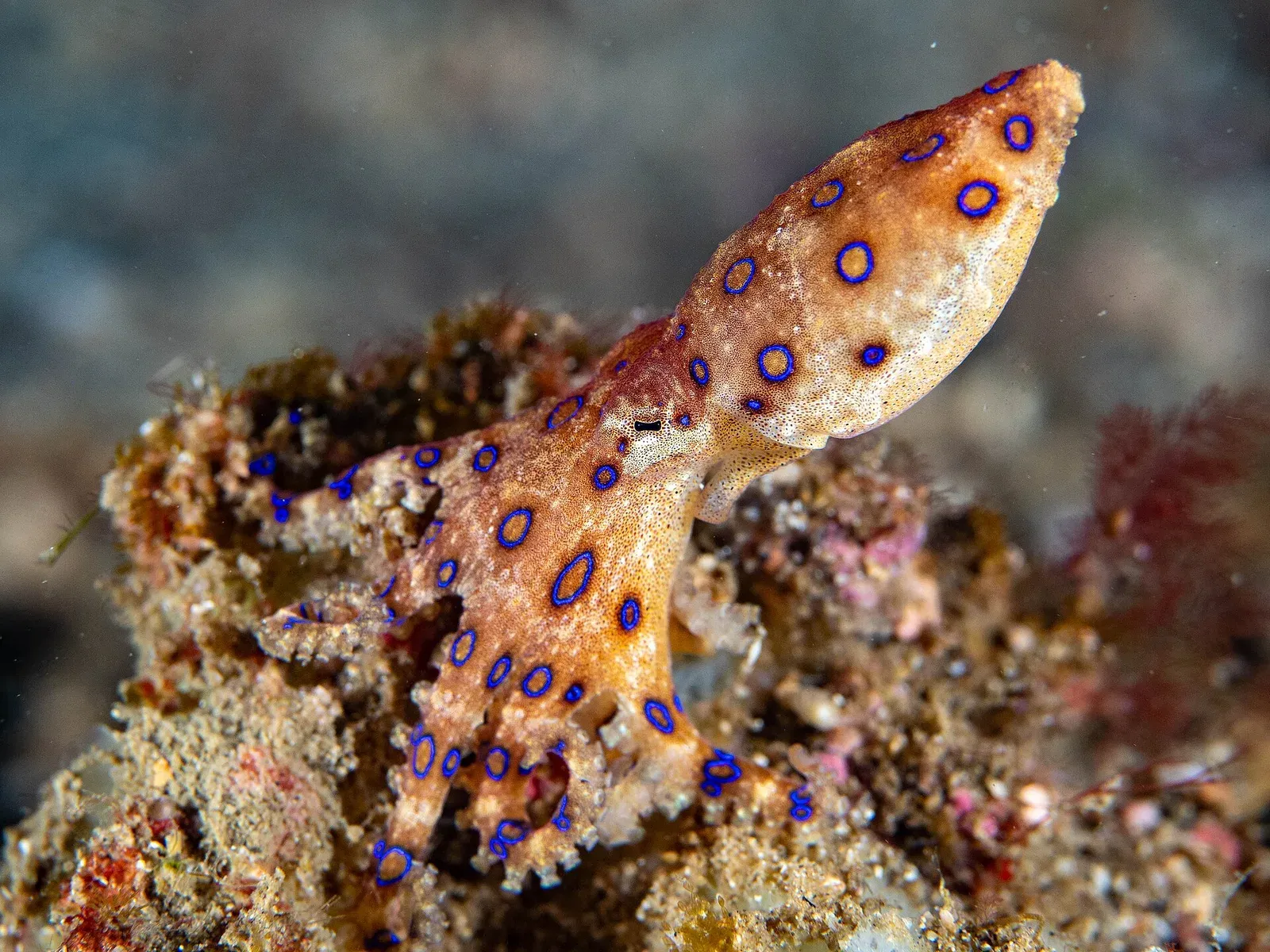
Nudibranchs: species, habits and where to dive

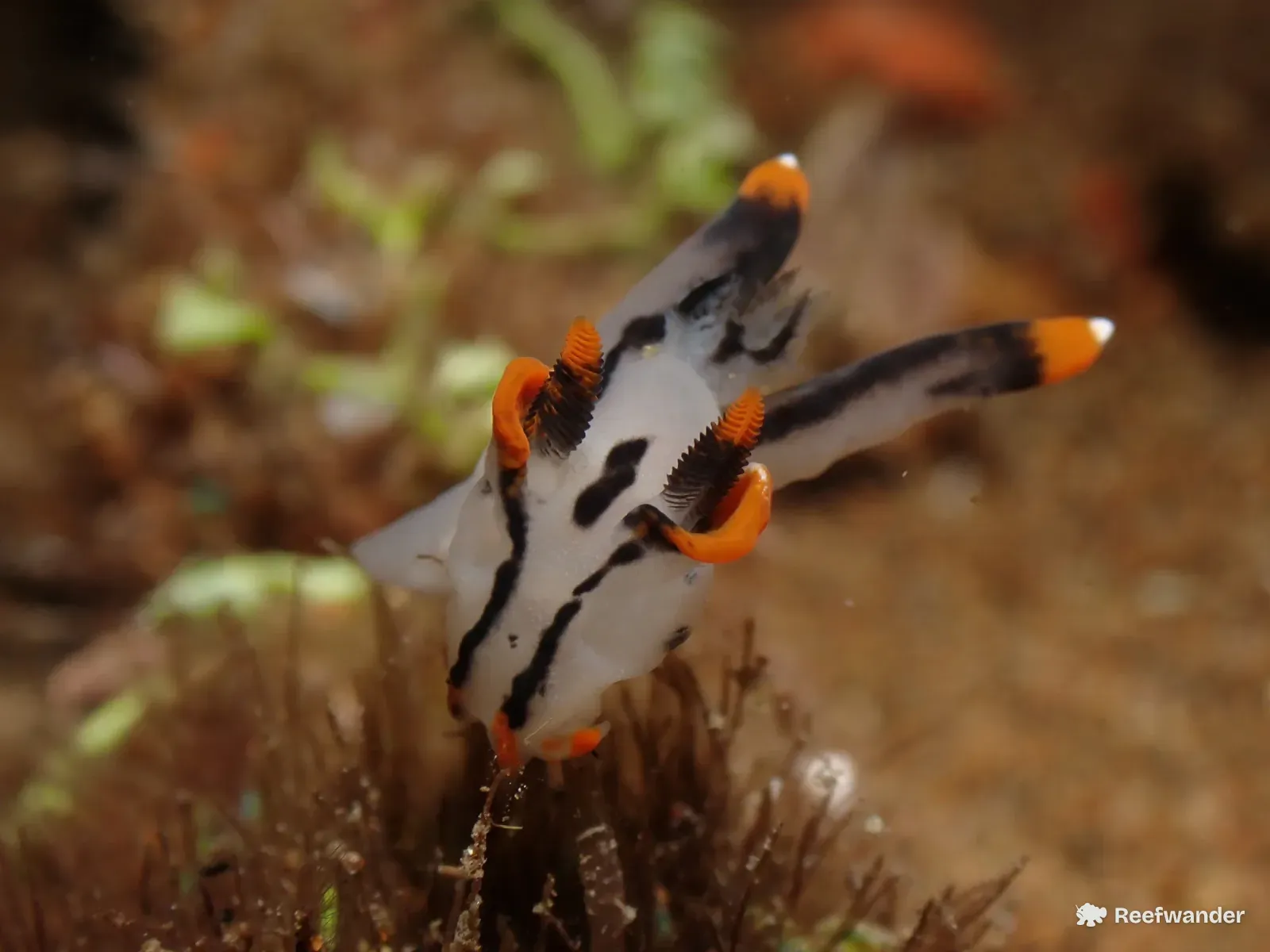
What a nudibranch is, why it cannot see you, the species divers meet from the Mediterranean to Lembeh, and the shallow piers where counts pass a hundred.

29 September 2026 · 13 min read

Big animals

Where to dive with sea turtles

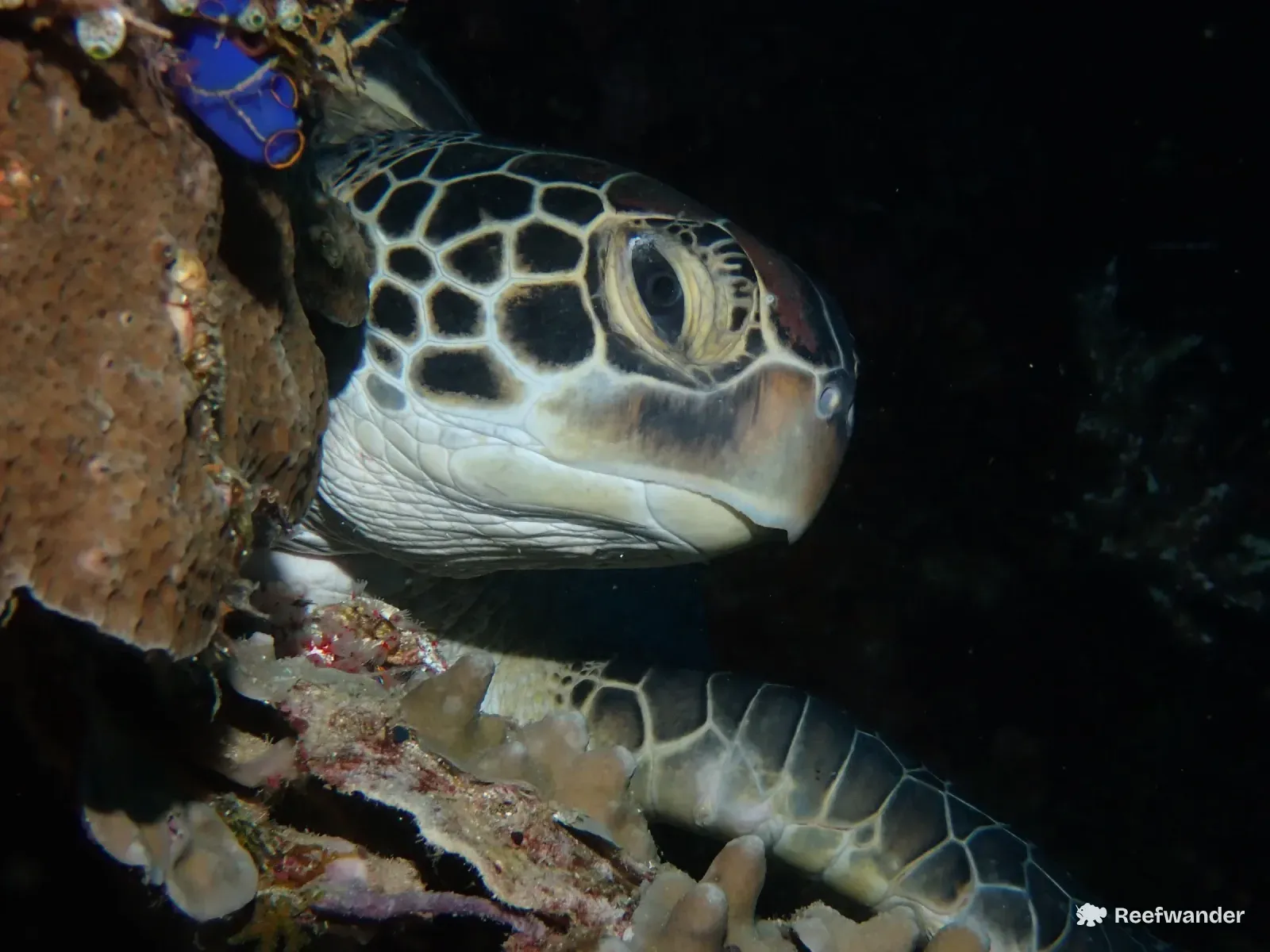
Turtles keep addresses, not seasons. The dives that deliver are cleaning stations, seagrass bays and protected walls, from Sipadan to Kona.

29 September 2026 · 15 min read

Trip planning

Where to dive in December

The Caribbean returns, the Andaman Sea and the Maldives settle, and the southern summer opens: where December diving is at its best, from our records.

29 September 2026 · 10 min read

Walls & drop-offs

The best wall dives in the world

What a wall dive is, why the depth has no floor, and the walls worth the trip, from Bloody Bay and Santa Rosa to Peleliu and the Sipadan drop-off.

28 September 2026 · 11 min read

Caves & caverns

Cave diving: what it takes and where to go

What cave diving is, the five rules drawn from its accident reports, how the rule of thirds works at depth, and where cave divers train and travel.

28 September 2026 · 12 min read

Ocean science

How far you can see underwater

Visibility is a contrast problem, not a light problem: 248 m through pure seawater, about 30 over a reef, and what closes the gap.

28 September 2026 · 12 min read

Wrecks

Ships sunk on purpose, and where to dive them

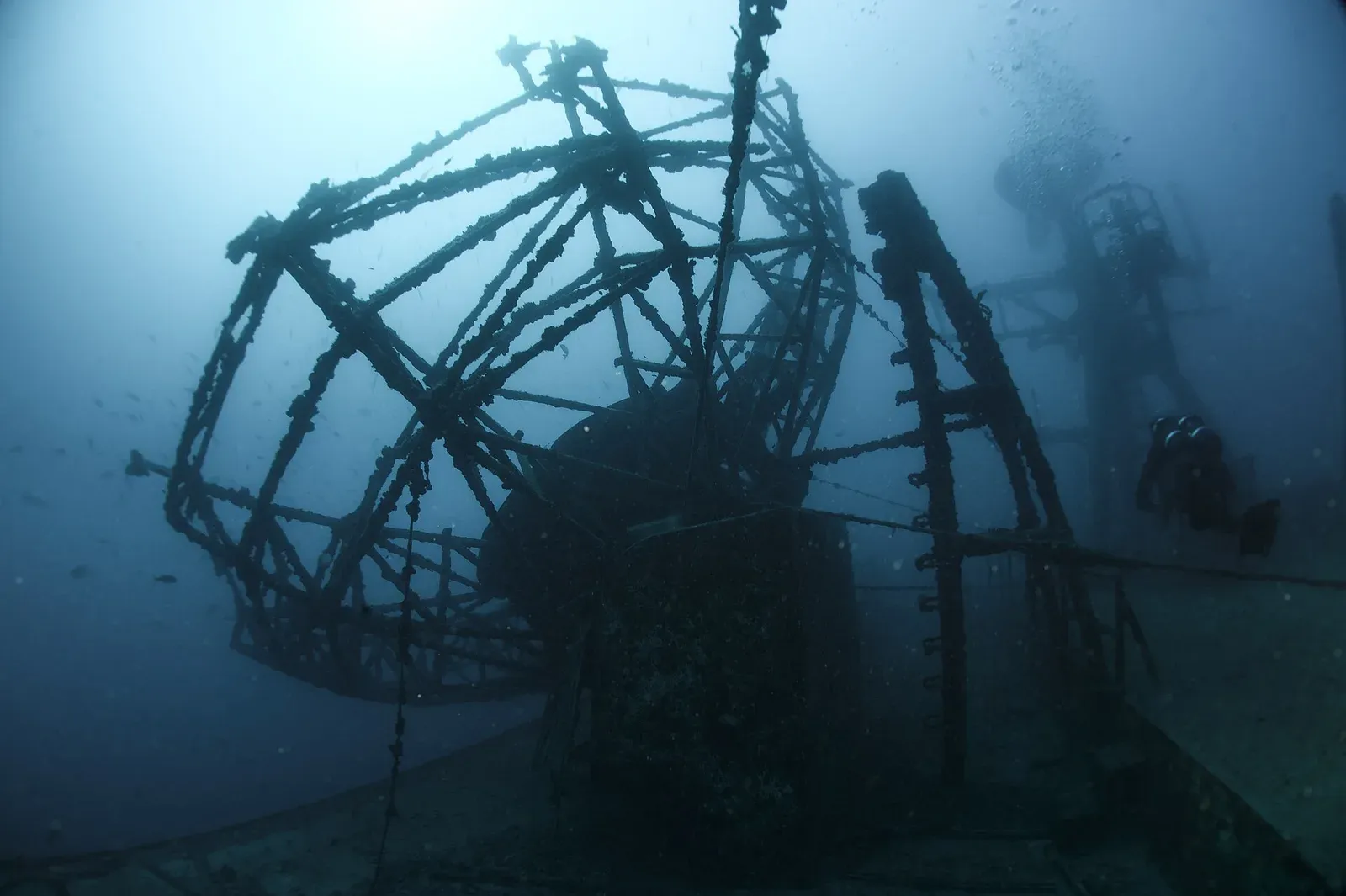
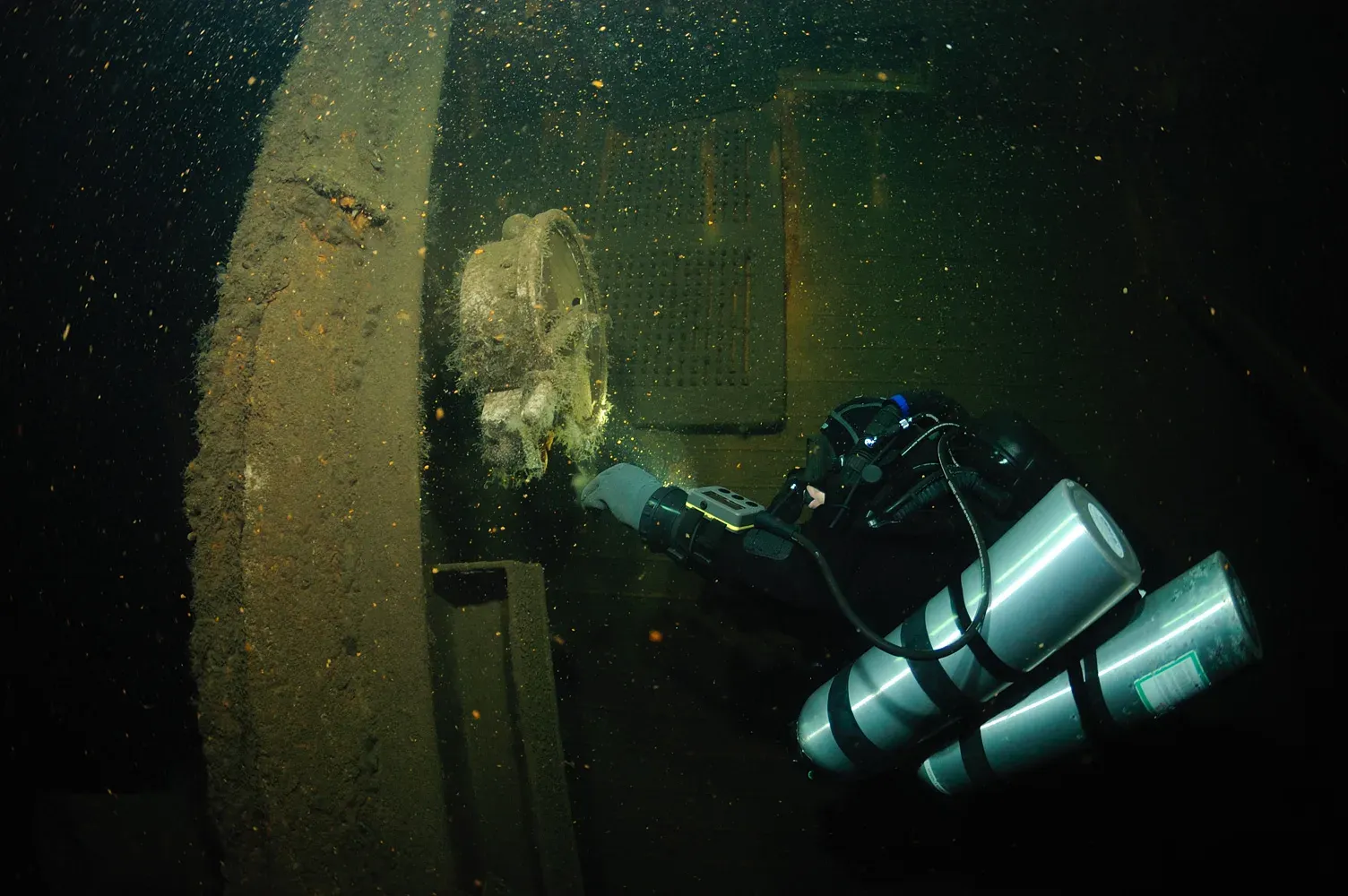
Why divers' best wrecks were put there on purpose: how the depth gets chosen, what comes out of a ship first, and the ones you can dive, with depth and level.

28 September 2026 · 14 min read
Macro & muck

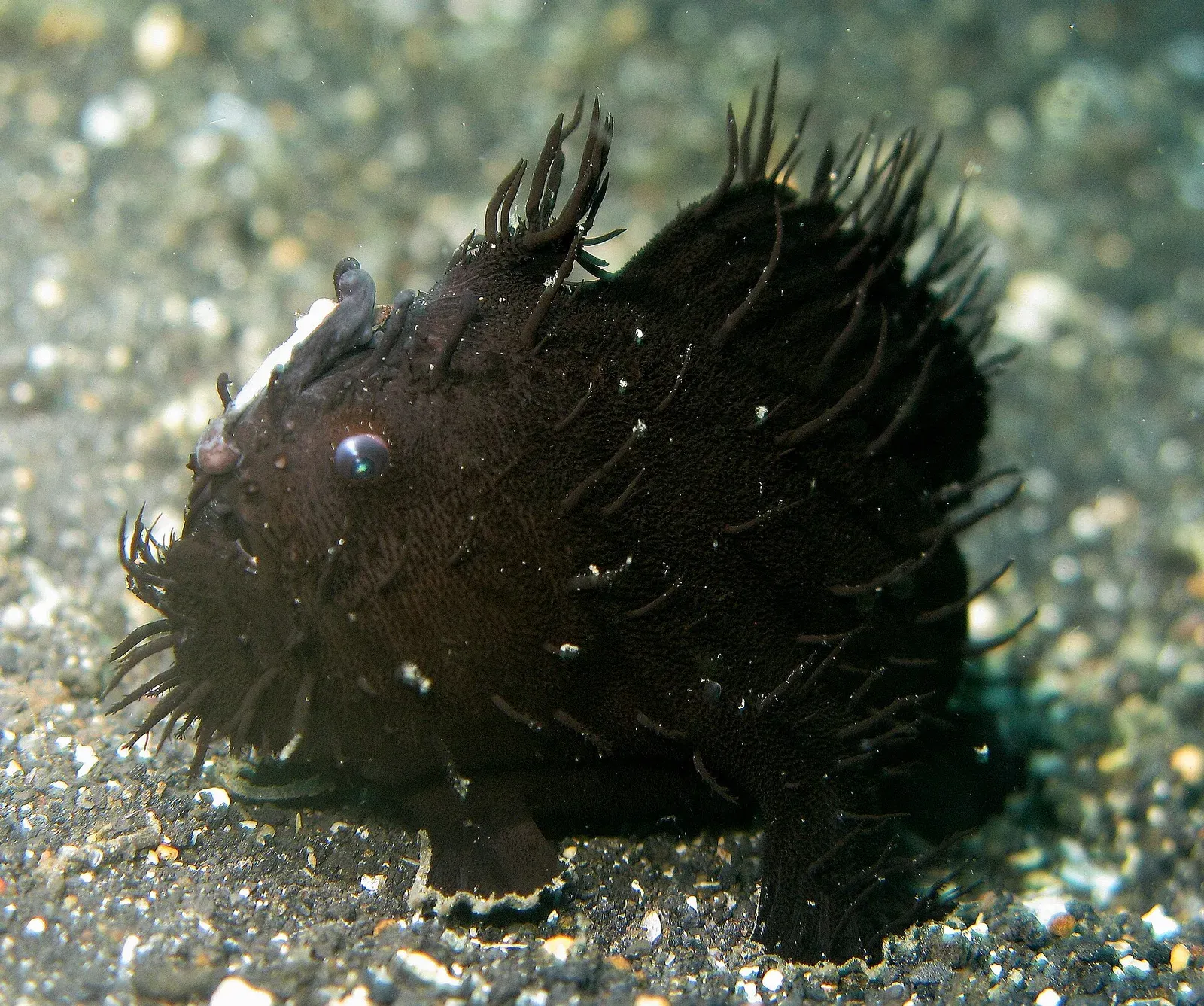
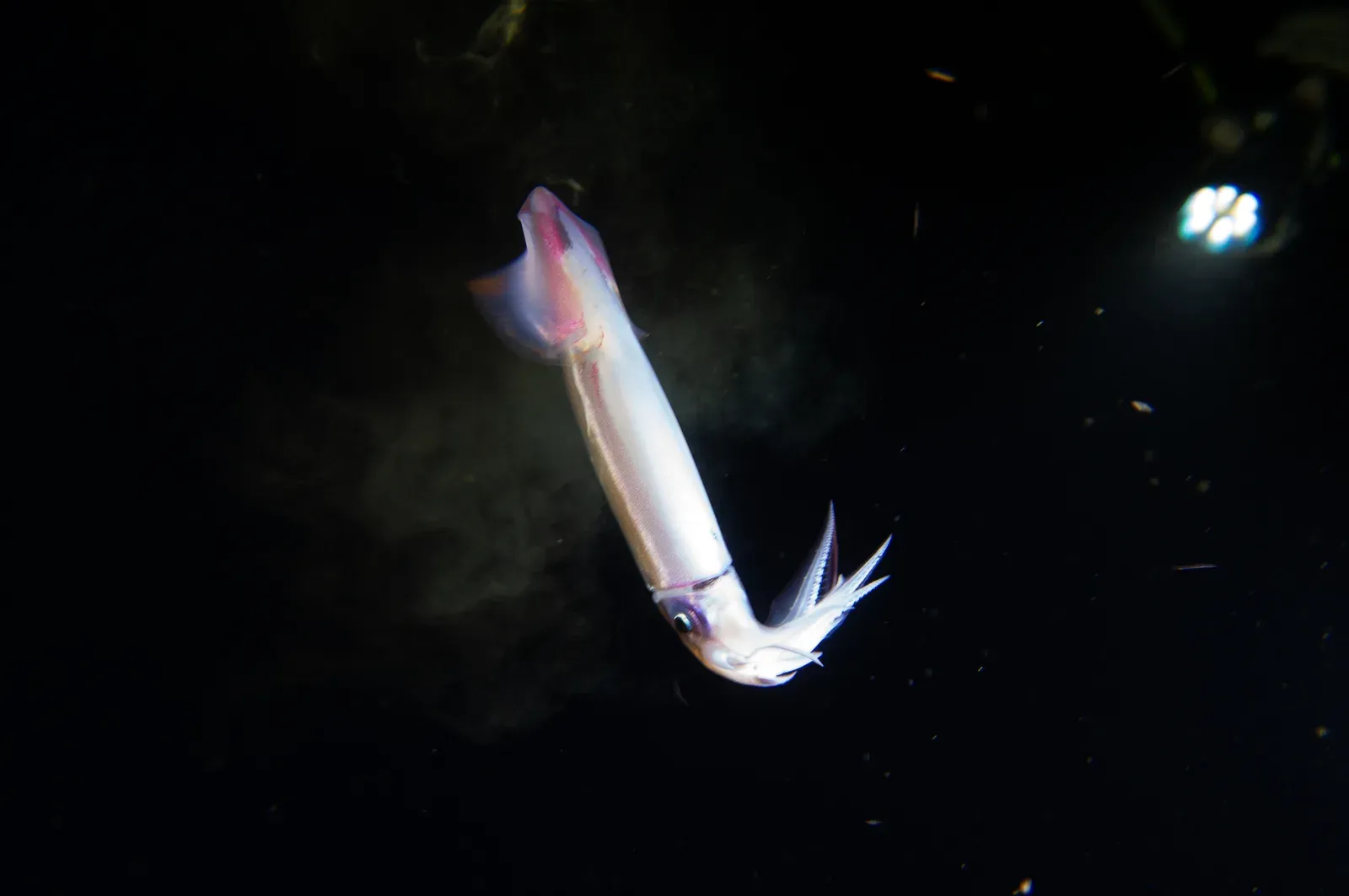
Frogfish: species, behaviour and where to dive

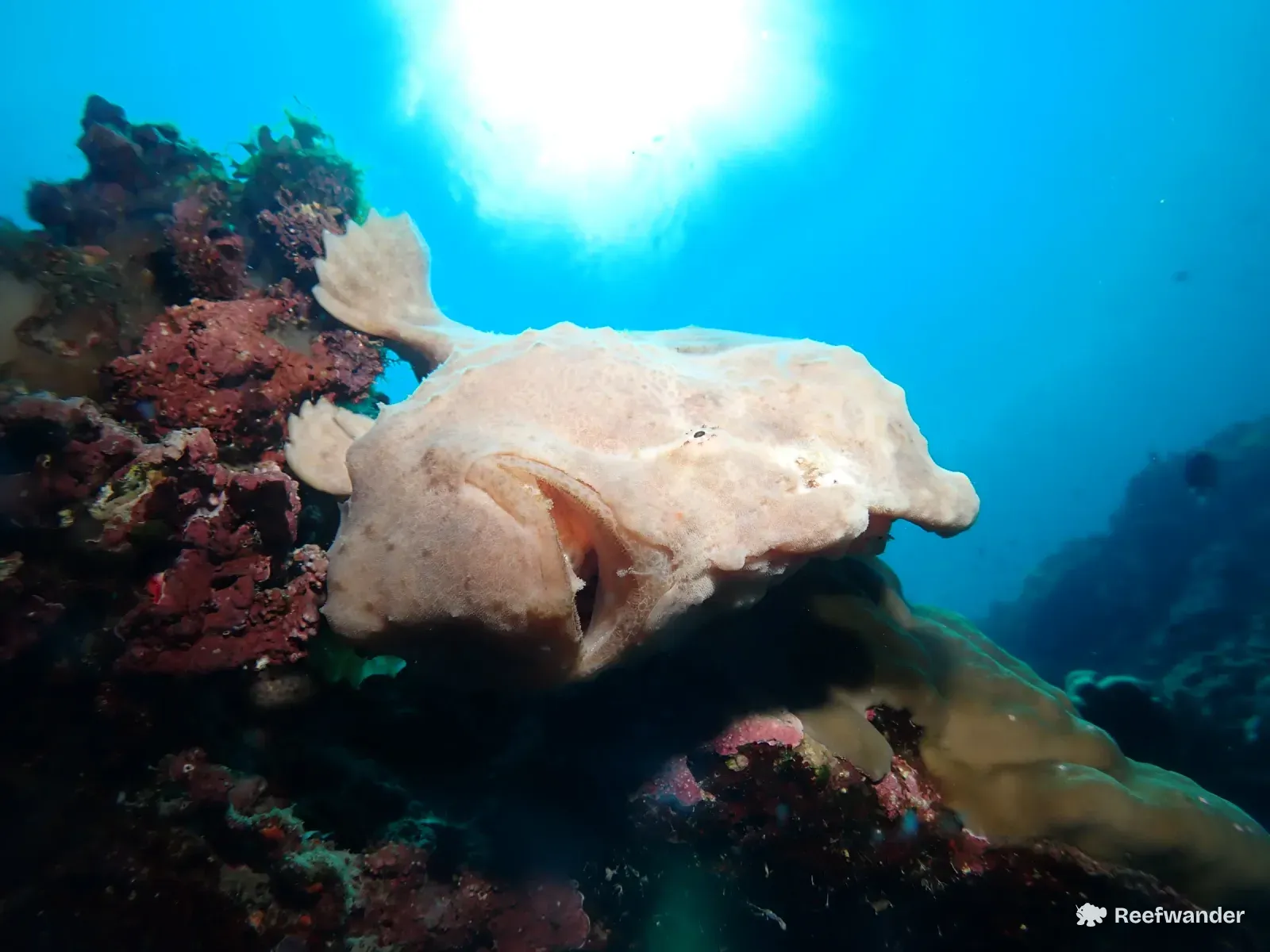
The frogfish species divers meet, how the lure and six-millisecond strike work, and where to see painted, hairy, giant and psychedelic frogfish.

27 September 2026 · 12 min read

Trip planning

Where to dive in every month of the year

From June to September the Mediterranean, Atlantic islands and cold coasts open together; in November the best diving shrinks to the Indo-Pacific and Red Sea.

20 September 2026 · 14 min read
Body & health

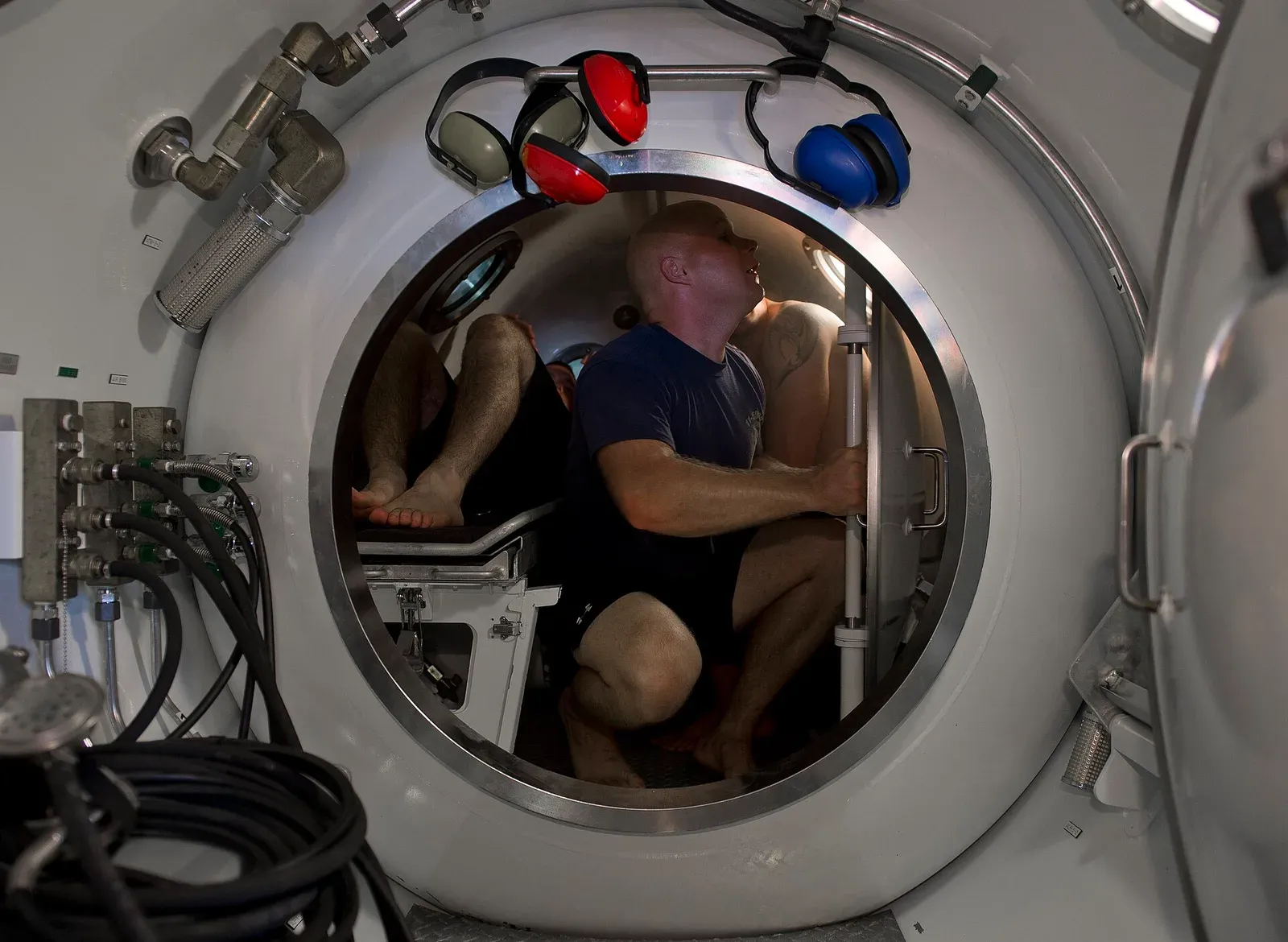
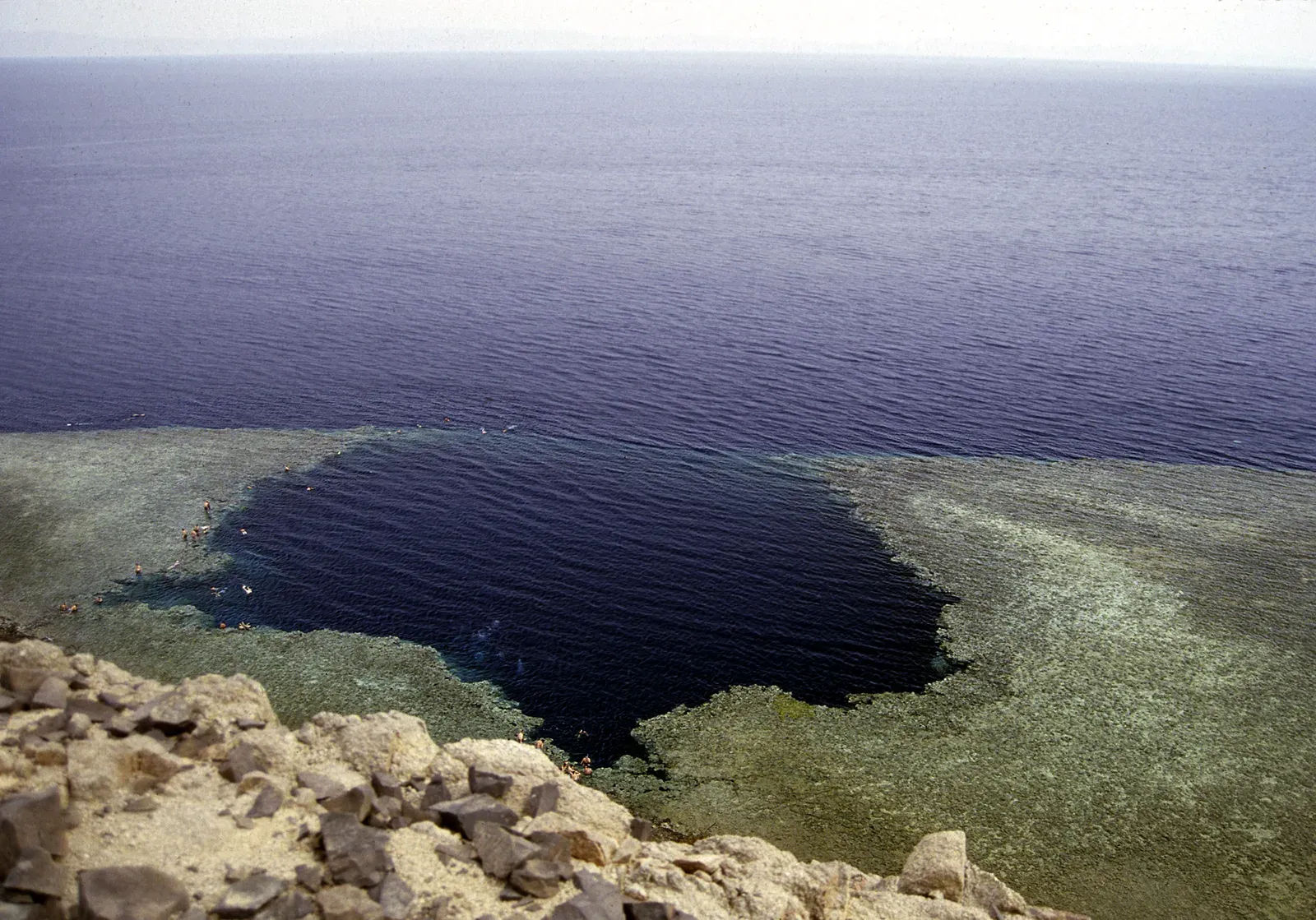
What is decompression sickness (the bends)?

Nitrogen dissolved at depth bubbles out on the way up and lodges in a joint, the skin or the spinal cord; a chamber treats it with pressure and oxygen.

12 September 2026 · 18 min read

Big animals

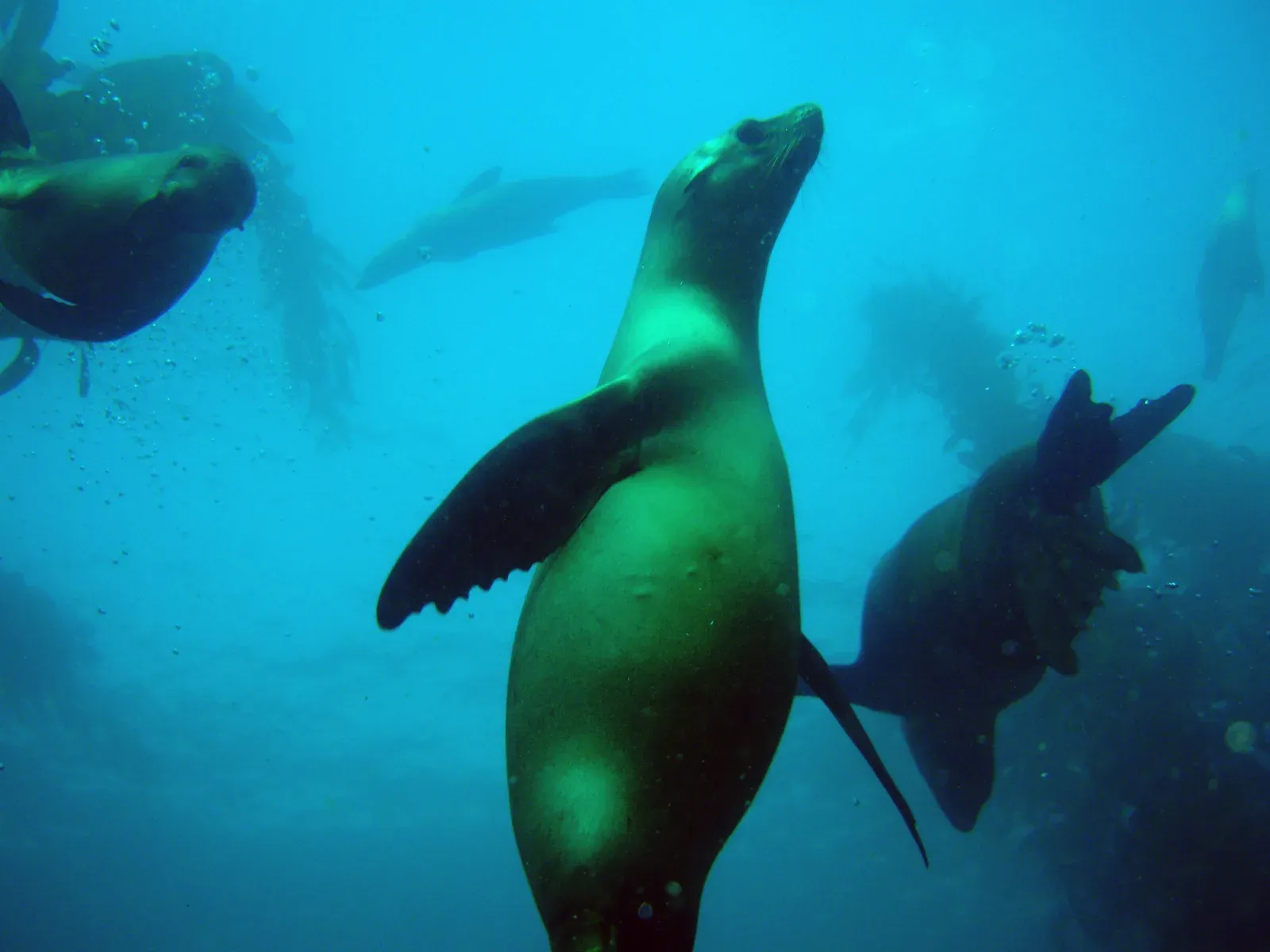
Where to dive with seals and sea lions

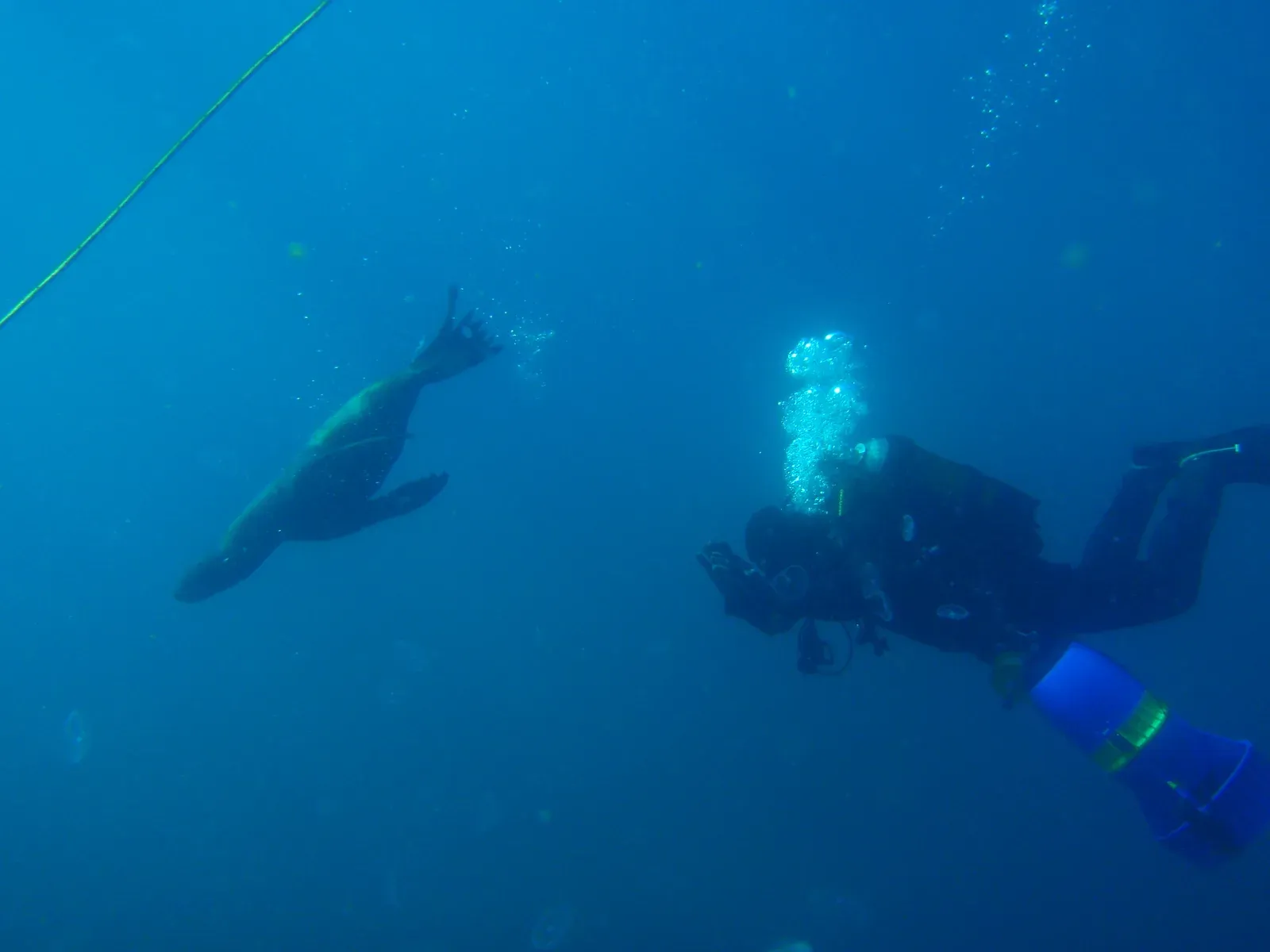
Where seals and sea lions come to divers, how deep and how hard each colony dive is, when each one runs, and why the pupping season is the wrong season.

12 September 2026 · 17 min read

Gear & kit

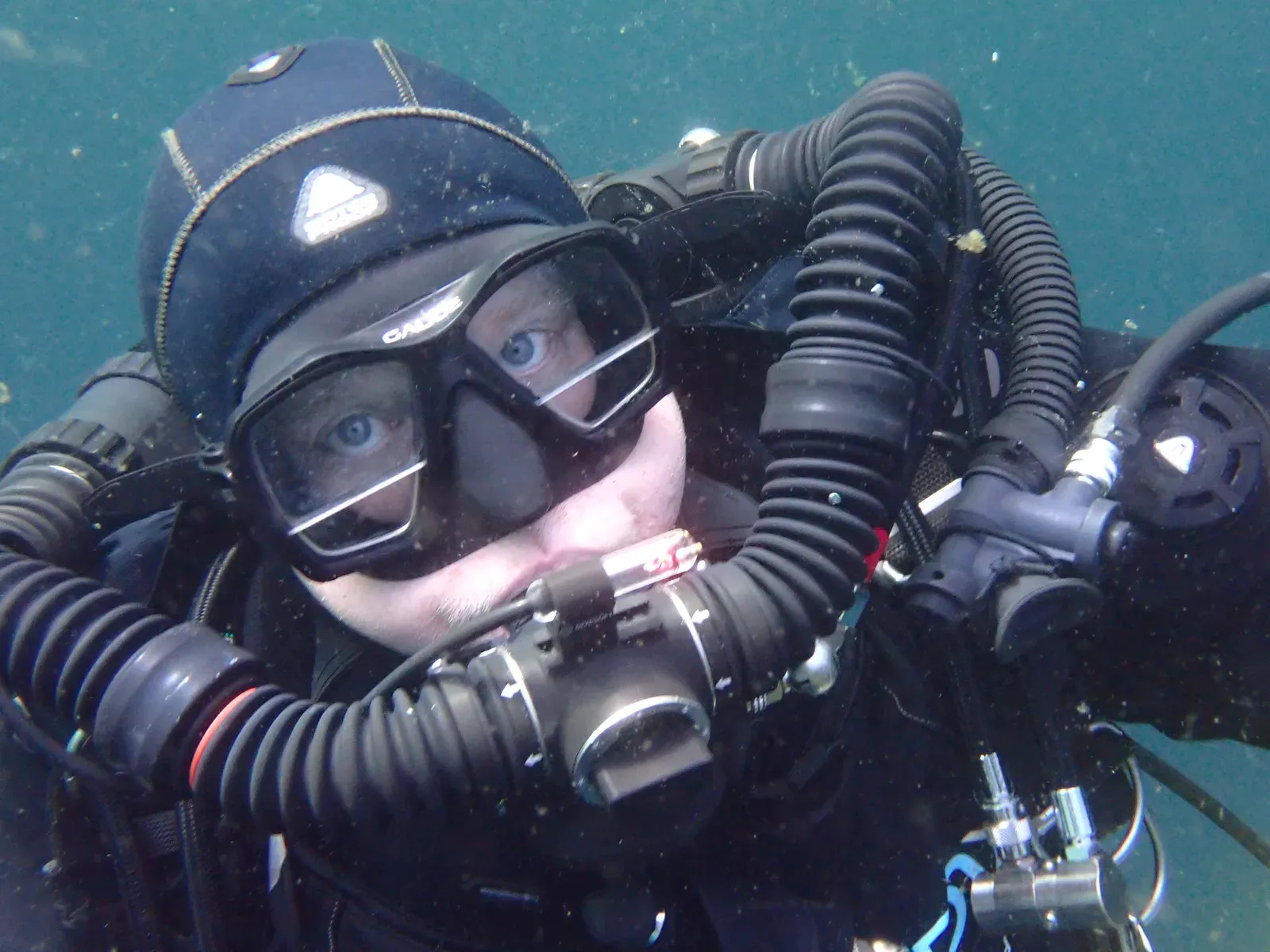
How a rebreather works, and what it buys you

A rebreather scrubs out carbon dioxide and adds back only the oxygen you burn, so it uses the same oxygen at 60 m as at 6. Here is what the loop buys and costs.

9 September 2026 · 8 min read

Night diving

Blackwater diving: what it is and where to go

What blackwater diving is: drifting over thousands of metres of open ocean at night, on a tether or lit downline, as the largest migration on Earth rises past.

6 September 2026 · 13 min read

Body & health

How deep can you scuba dive?

Recreational scuba stops at 40 m (130 ft), air gets too dense past 33 m and its oxygen turns toxic at 56.5 m, and on helium the record stands at 332.35 m.

6 September 2026 · 13 min read

Gear & kit

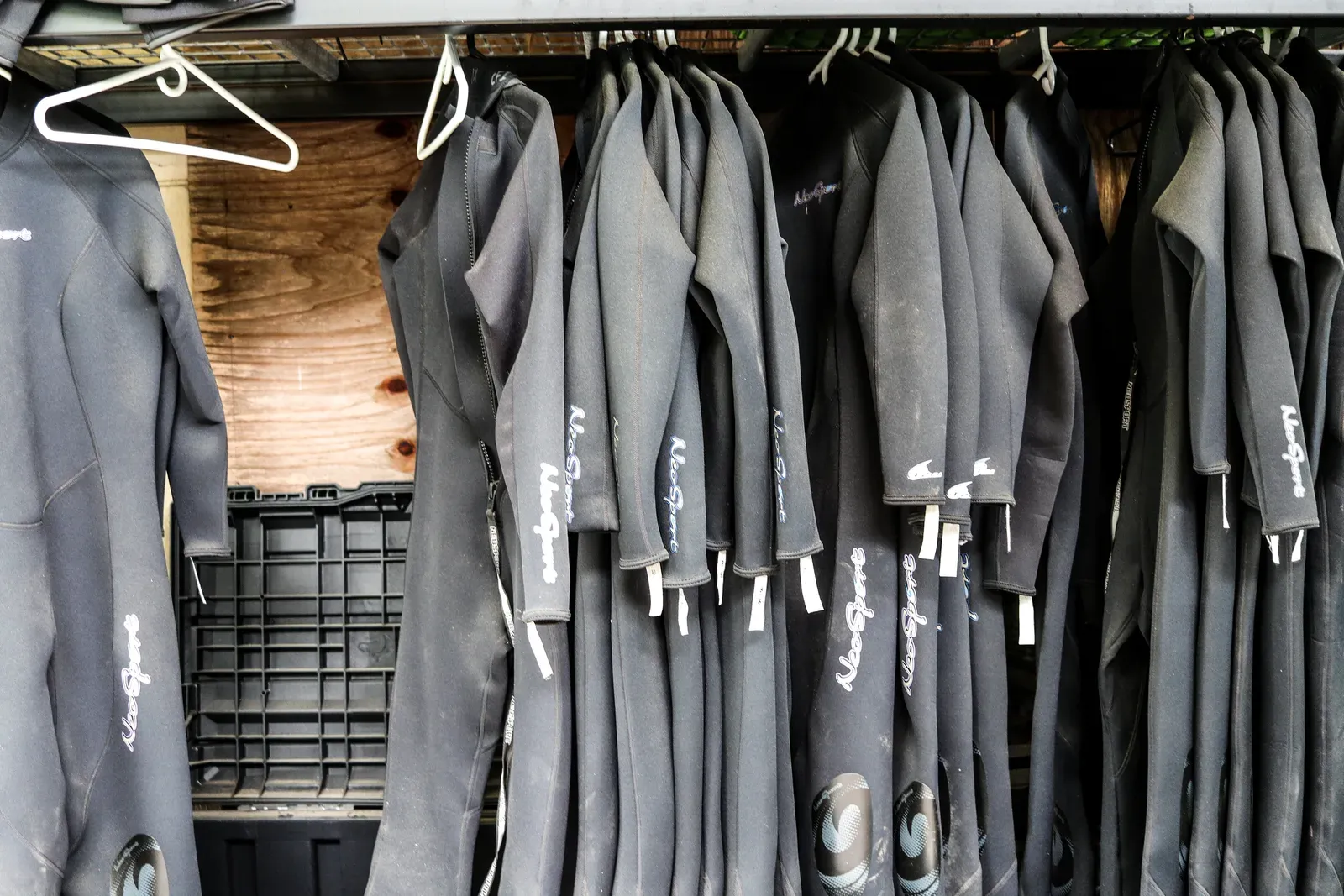
Wetsuit thickness by water temperature

Wear 3 mm in 24 to 26 °C, 5 mm in 18 to 23, 7 mm and a hood in 12 to 17, and a drysuit below 12, because every 2 mm of foam buys about six degrees.

6 September 2026 · 11 min read

Body & health

Why do you pee when diving, and tire after?

Water pushes up to 700 mL of blood from your legs into your chest, your kidneys dump what looks like surplus, and that lost fluid is the first reason you tire.

6 September 2026 · 12 min read

Big animals

When does coral spawn? The moon's calendar

Corals spawn in the dark after a full moon, one to six nights after October's on the inner Great Barrier Reef, and groupers and snappers keep lunar dates too.

5 September 2026 · 10 min read

Night diving

Bioluminescence: why the sea glows at night

Most of the deep sea makes its own light, the flash is tuned to 476-nanometre blue — the colour seawater carries farthest — and any night dive can show it.

2 September 2026 · 7 min read

Ocean science

What are thermoclines and haloclines?

They are seams between waters that will not mix: a thermocline is the cold step below the warm top layer, a halocline the blur where fresh sits on salt.

2 September 2026 · 8 min read

Ocean science

When is slack water? Tides for divers

Slack is the pause in the tidal stream, not the height, so its time comes from local stream tables, and the faster the channel runs the shorter it lasts.

2 September 2026 · 7 min read

Body & health

What stings you underwater, and how to avoid it

Nothing down there hunts divers. Nearly everything that hurts is stationary, camouflaged and defensive — the injury happens when you tread, brush or grab.

2 September 2026 · 8 min read

Ocean science

Why is some sea green instead of blue?

Plankton chlorophyll absorbs blue light, so water full of life turns green and its sunlit zone shrinks from 124 m to 10 m, and green water is where the food is.

1 September 2026 · 8 min read

Night diving

Night diving: the best night dives in the world

The night dives worth travelling for — Kona's manta feed, blackwater, mandarinfish at dusk, bioluminescence, coral spawning — and how each one is run.

31 August 2026 · 12 min read

Caves & caverns

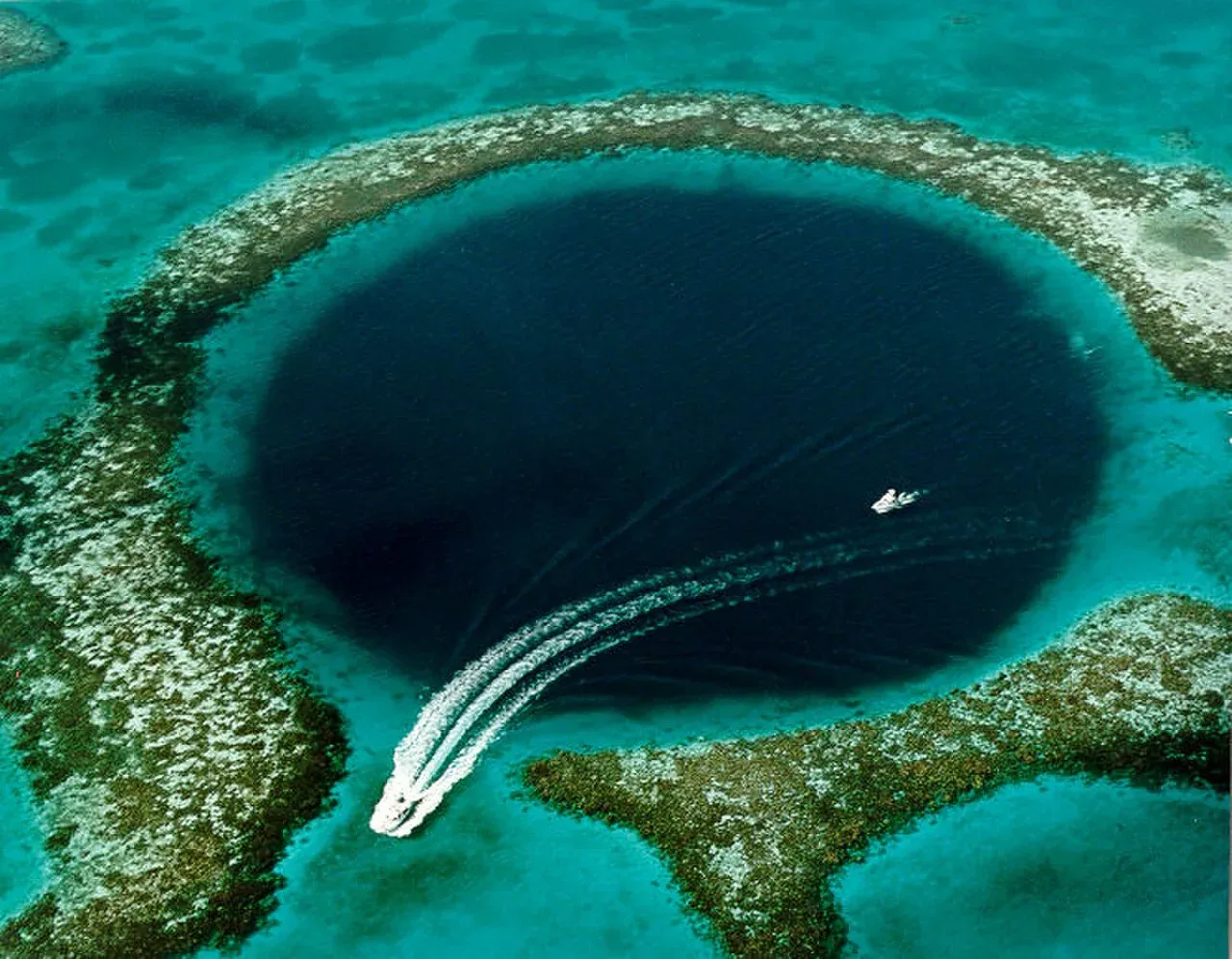
What is a blue hole, and what's down there?

Blue holes are drowned ice-age caves. The science of their layered water, the ones you can actually dive, and the record depths no human has visited.

31 August 2026 · 13 min read

Body & health

Altitude diving: how the rules change

Above 300 m every no-stop limit shrinks: an 18 m dive that allows 62 minutes at the coast allows 53 at 1,500 m and 46½ at 3,000 m.

31 August 2026 · 7 min read

Big animals

Sunfish diving: where and when to see a mola

Only Bali's Nusa Penida, peaking in August and September, and the cold western Galápagos have a real sunfish season; everywhere else a mola is luck.

31 August 2026 · 11 min read

Body & health

Why is 1.4 bar the oxygen limit in diving?

1.4 bar is a working margin chosen below the 1.6 bar contingency limit, because nobody can predict the oxygen dose at which a given diver will convulse.

31 August 2026 · 13 min read

Body & health

How long should a surface interval be?

After a 30 m dive, an hour on deck gives a second 30 m dive 19 of its 20 no-stop minutes back, but an 18 m repeat needs nearly four hours to recover.

31 August 2026 · 8 min read

Big animals

Where can you legally swim with whales?

Only on licensed snorkel trips in Tonga, the Silver Bank, Dominica, Norway, Moorea, Ningaloo and the Ribbon Reefs; nobody takes scuba divers to whales.

31 August 2026 · 14 min read
Big animals

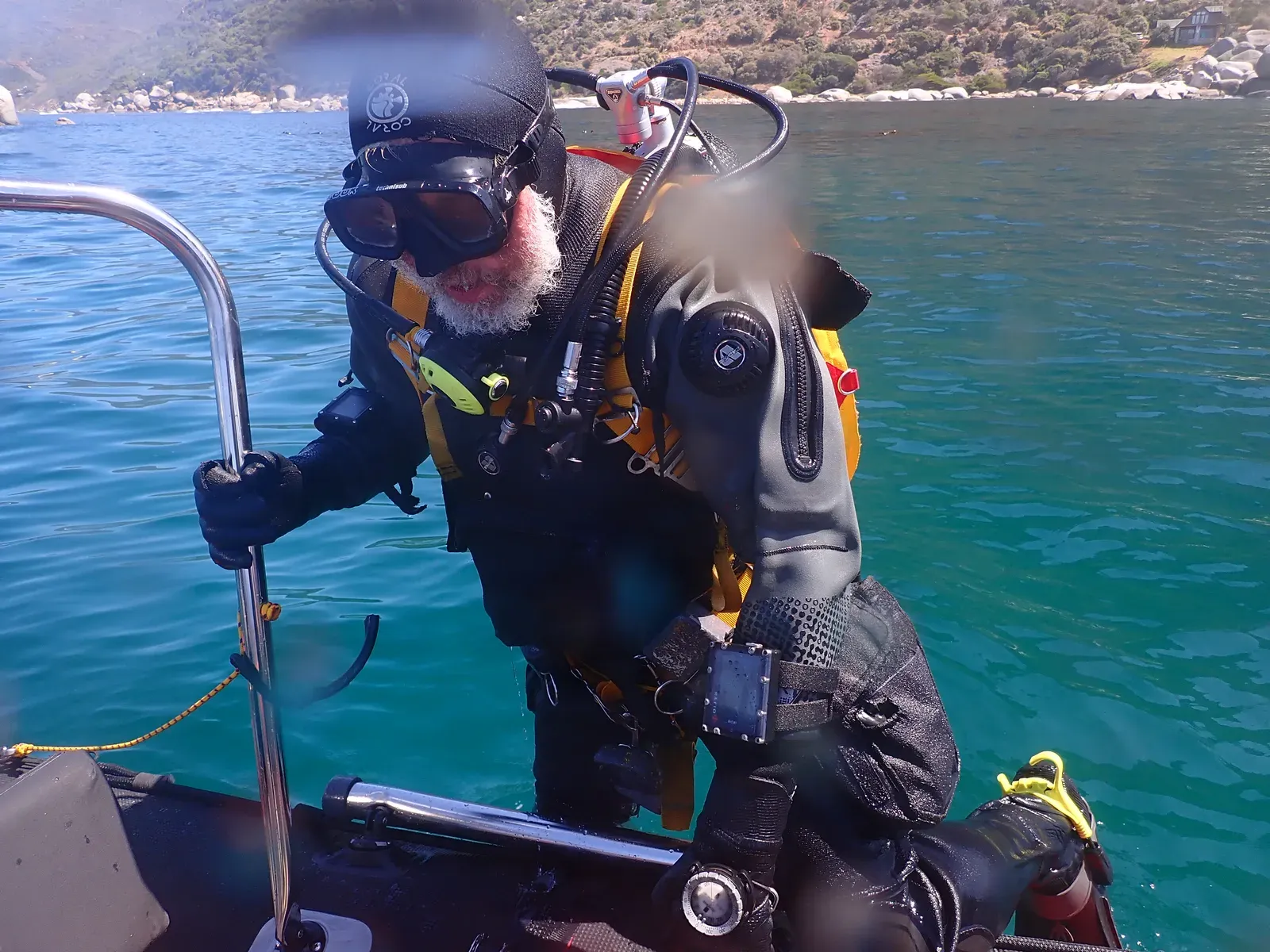
Malapascua thresher sharks: Monad or Kimud?

In September 2022 Malapascua's thresher sharks left Monad Shoal for Kimud Shoal, about 15 km southeast of the island, and the daily dive now runs there.

31 August 2026 · 11 min read
Ocean science

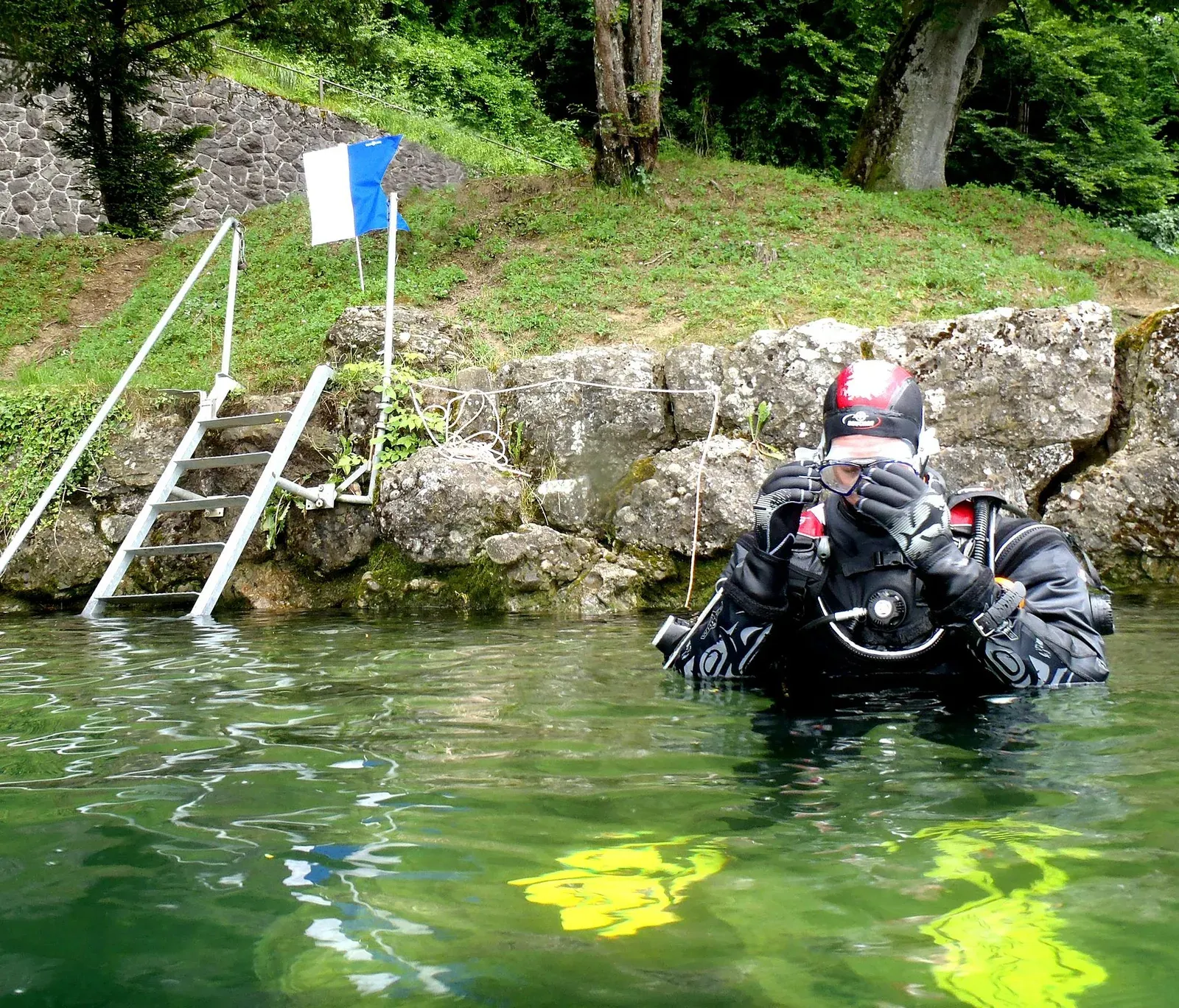
What is surge in diving, and how deep it goes

Surge is wave motion squashed into a back-and-forth shuttle over a shallow seabed; wind chop dies by 7 m, but a 14-second swell still moves water at 40 m.

31 August 2026 · 8 min read
Body & health

Do you need a safety stop? What it buys you

It is optional on a no-stop dive, but three minutes at 5 m unloads your fastest tissues, and the closer you dive to the limit the more work it does.

31 August 2026 · 11 min read
Body & health

Why you get cold diving, even in a wetsuit

Water takes body heat 25 times faster than air. Computed: what every breath costs at depth, and how a 5 mm wetsuit becomes a 2.9 mm suit at 30 m.

31 August 2026 · 8 min read
Gear & kit

How much weight do you need to dive?

Mostly the lift of your suit, about 6.8 kg for a 5 mm wetsuit at the surface, plus the air your cylinder loses, which is why the safety stop feels light.

28 August 2026 · 8 min read
Body & health

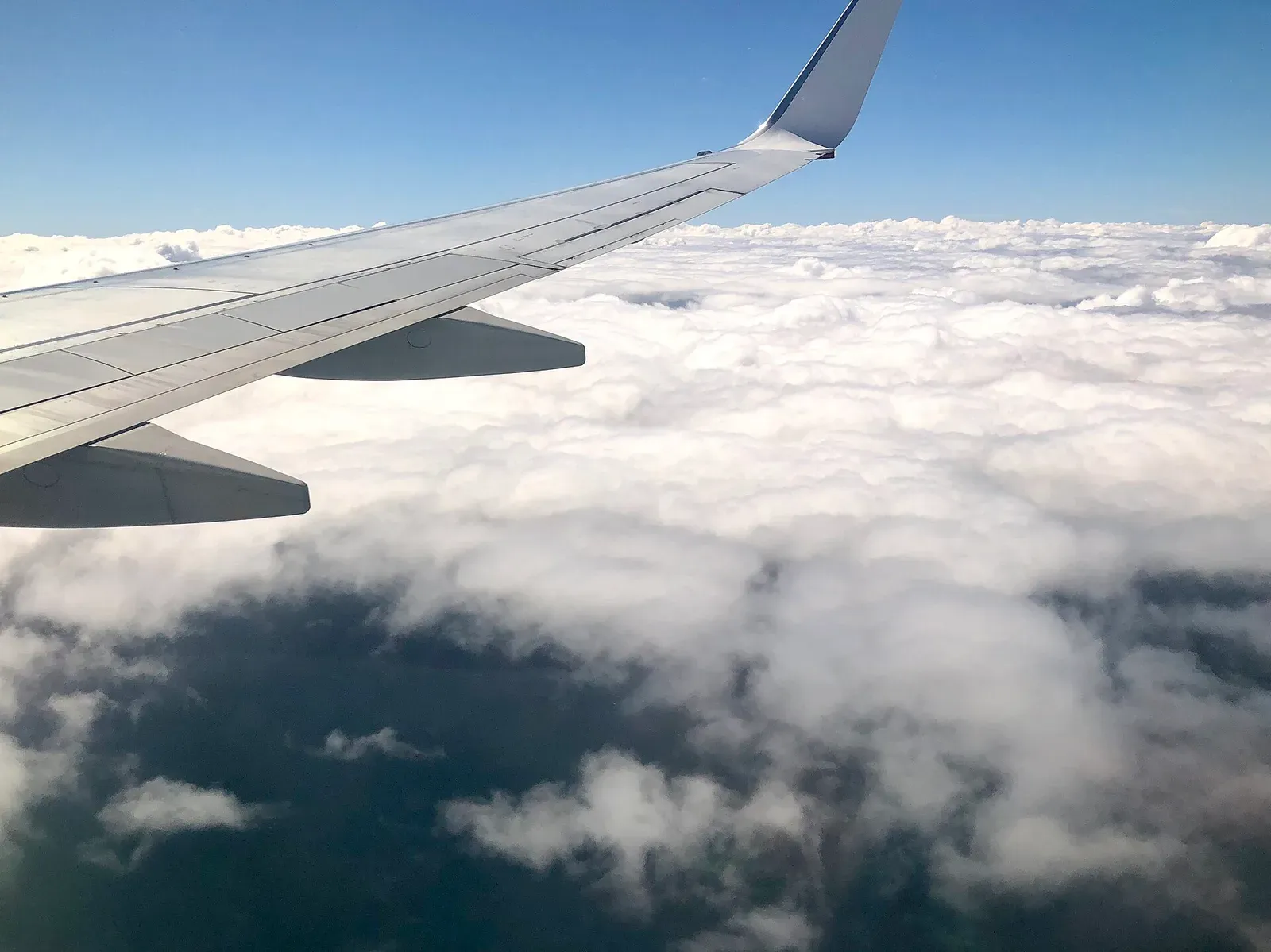
How long to wait before flying after diving

Wait at least 12 hours after a single no-stop dive and 18 hours after repetitive dives or days of diving; the numbers come from chamber trials, not a model.

28 August 2026 · 8 min read
Body & health

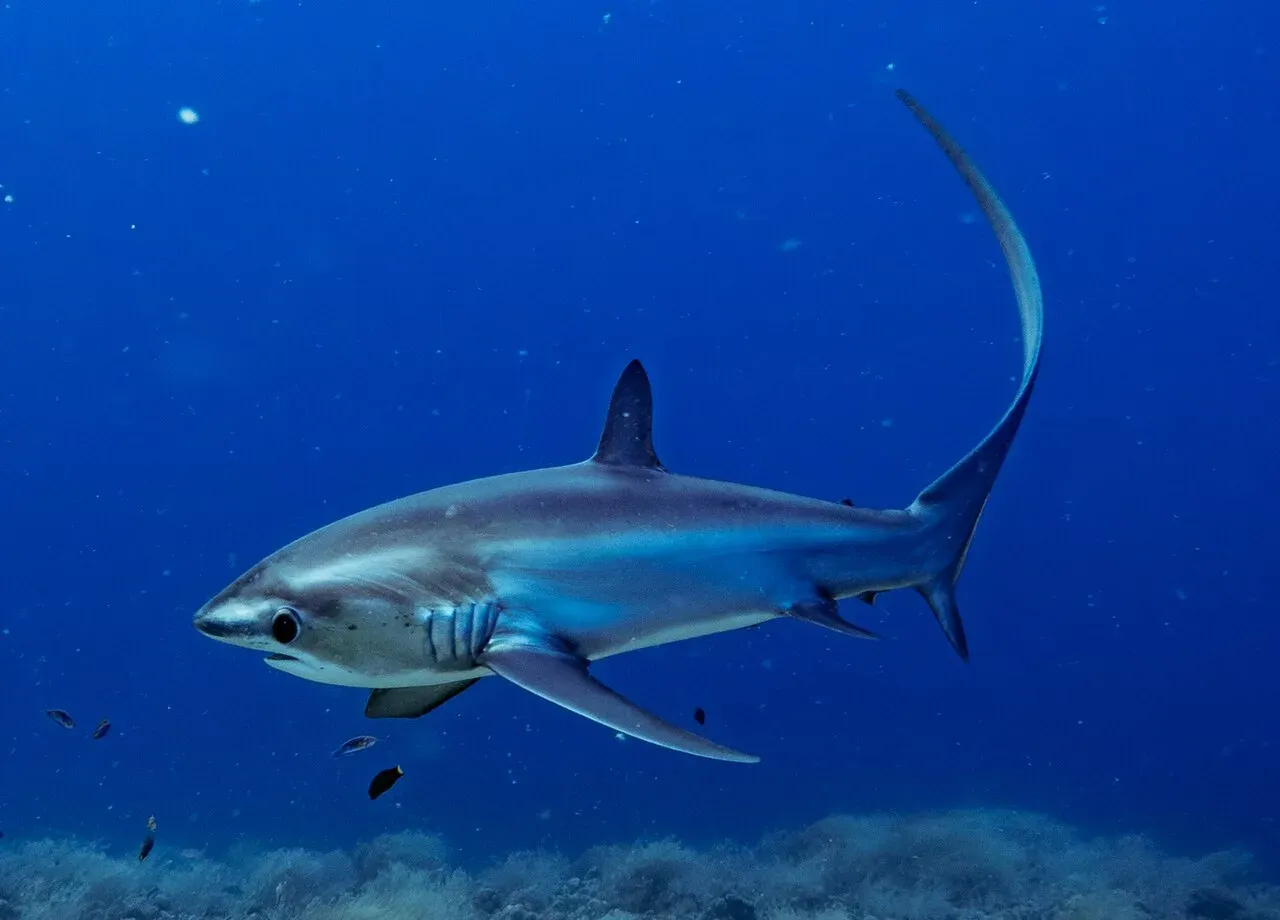
Gas density: why deep air gets hard to breathe

Breathing gas density has a published limit most divers have never heard of. Air passes it at 33 metres, nitrox slightly sooner, and only helium moves it.

28 August 2026 · 8 min read
Gear & kit

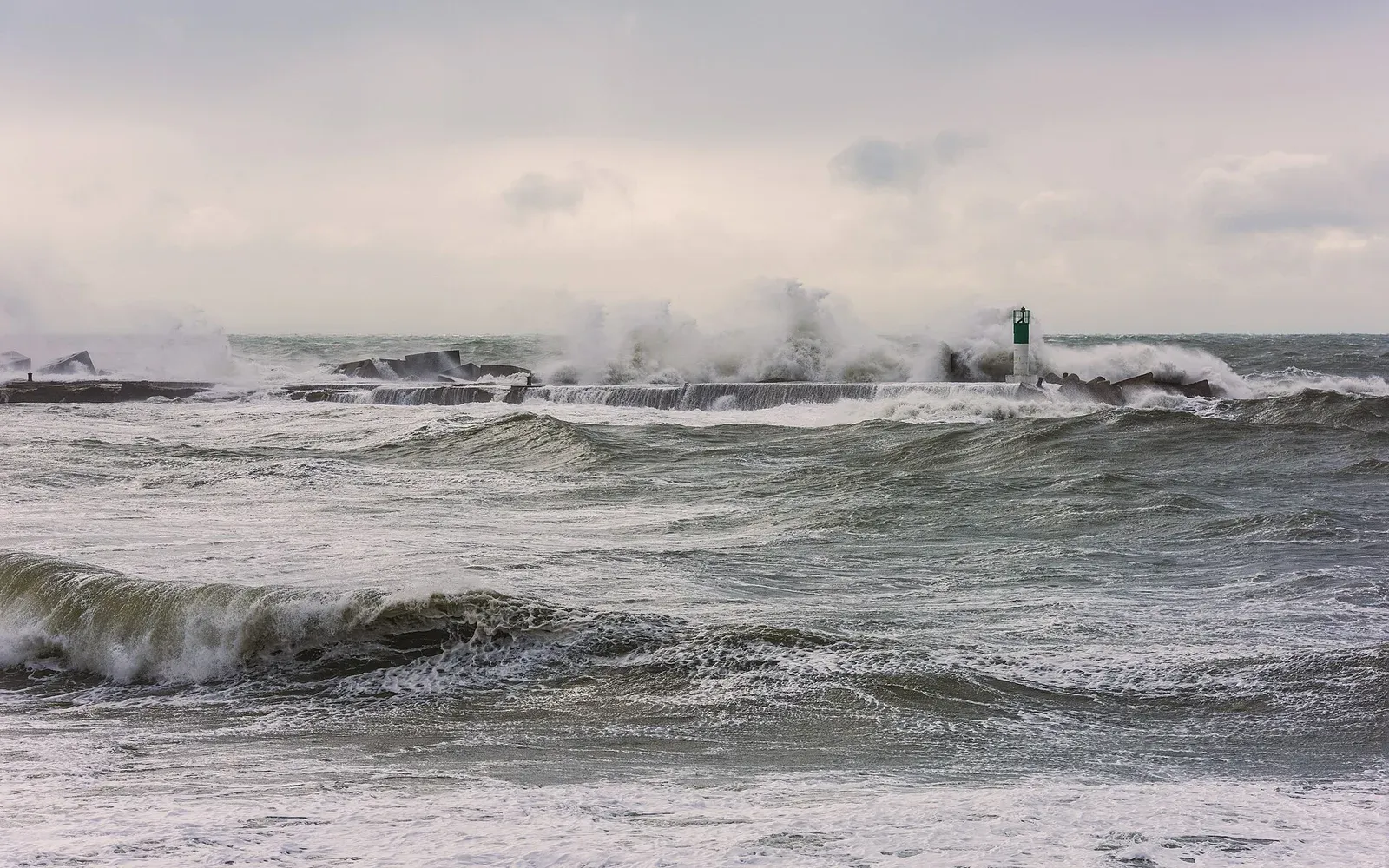
How long does a tank of air last?

About an hour on a shallow reef and about twenty minutes deep, and it depends far more on how fast you breathe than on the cylinder.

28 August 2026 · 9 min read
Ocean science

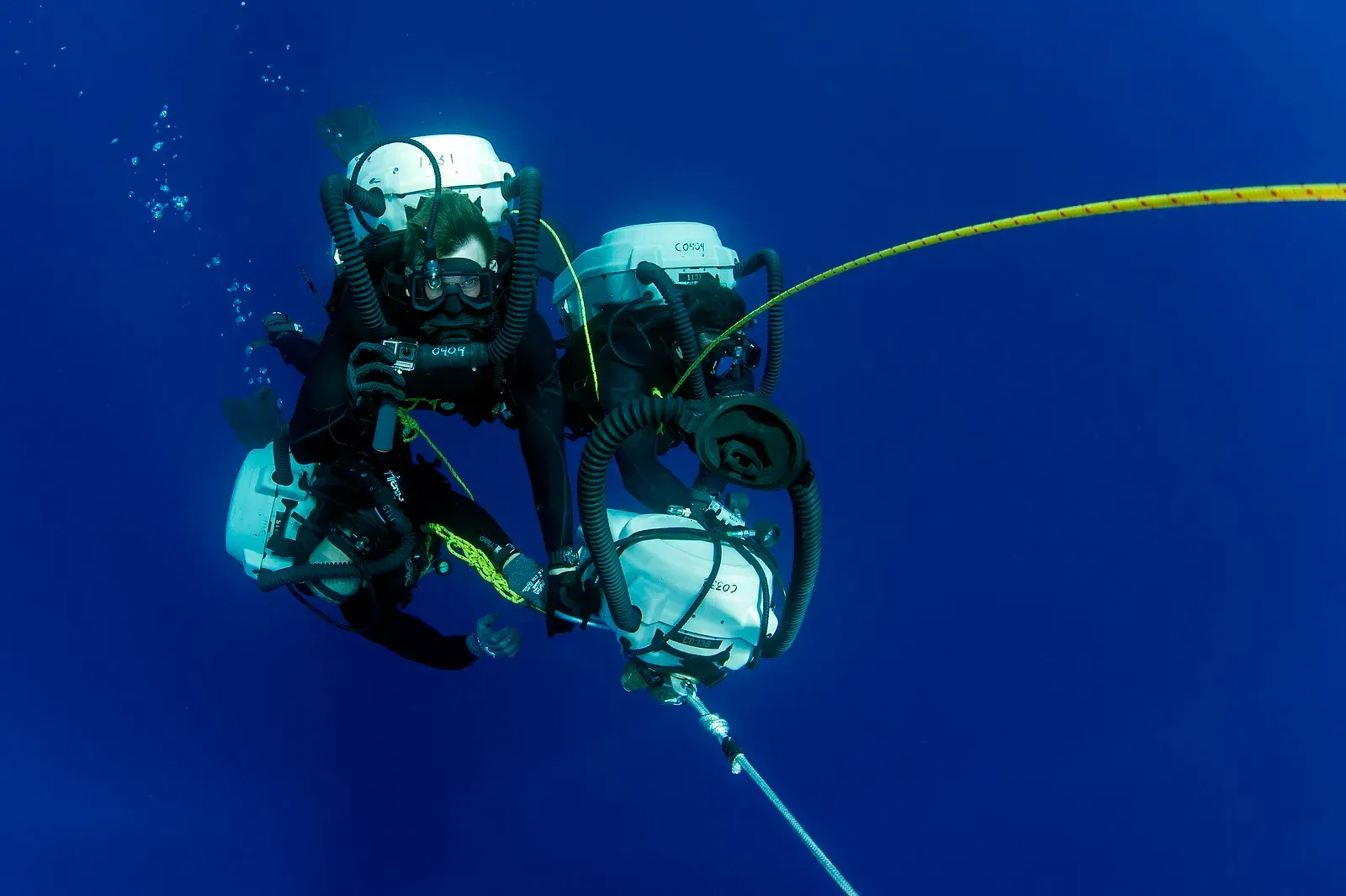
Why is the sea blue? Water filters out red
Water absorbs red light about 140 times more strongly than blue, so deep red is gone within about 7 m, and only a torch held close puts it back.

28 August 2026 · 7 min read

Body & health

Why your ears hurt diving, and how to stop it

Your eardrum feels the pressure difference, not depth: 80 cm of unequalised descent hurts, and by about 3 m the tube is locked shut, so equalise early.

28 August 2026 · 8 min read

Cold water

Cold-water diving: is it worth the drysuit?

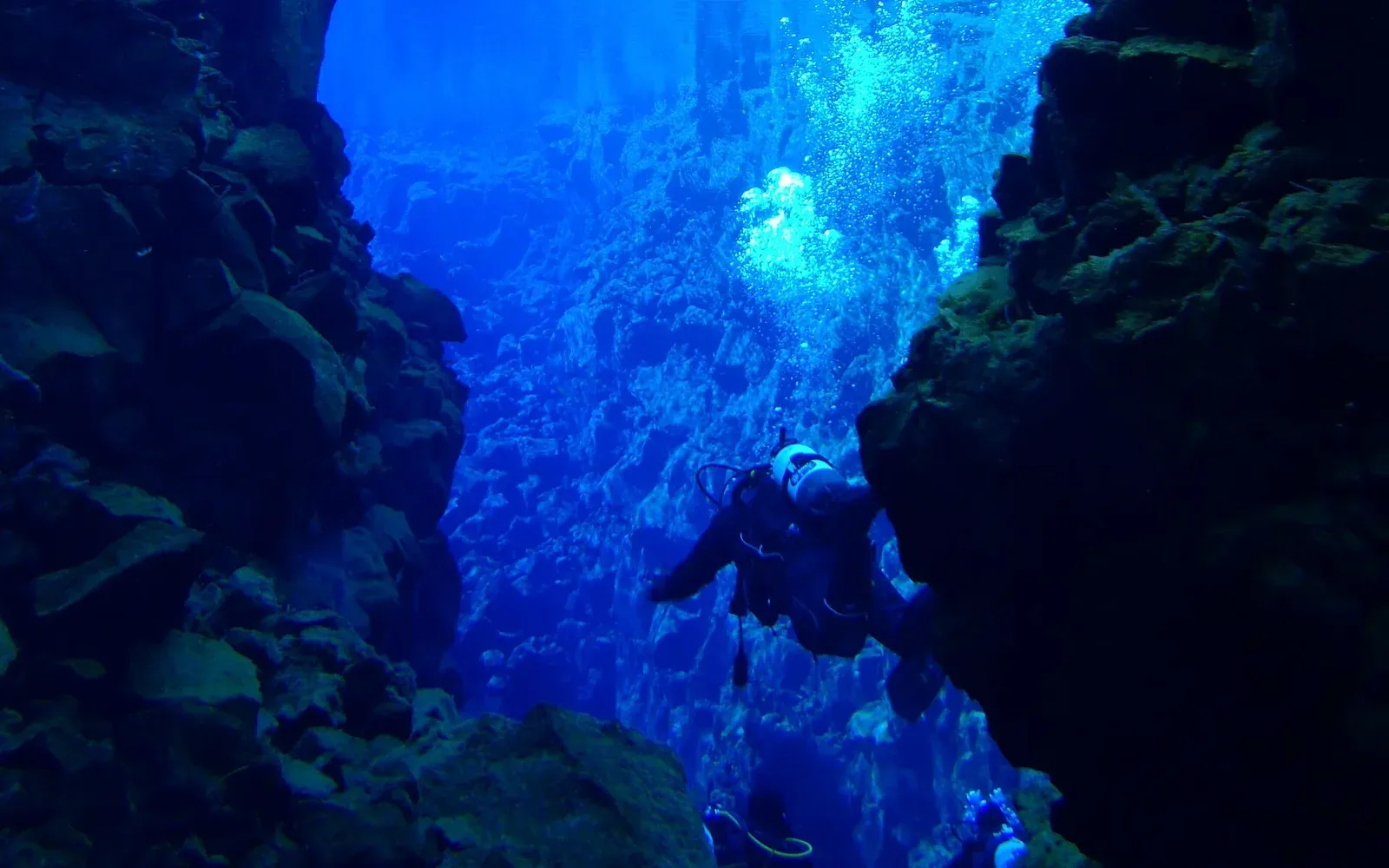
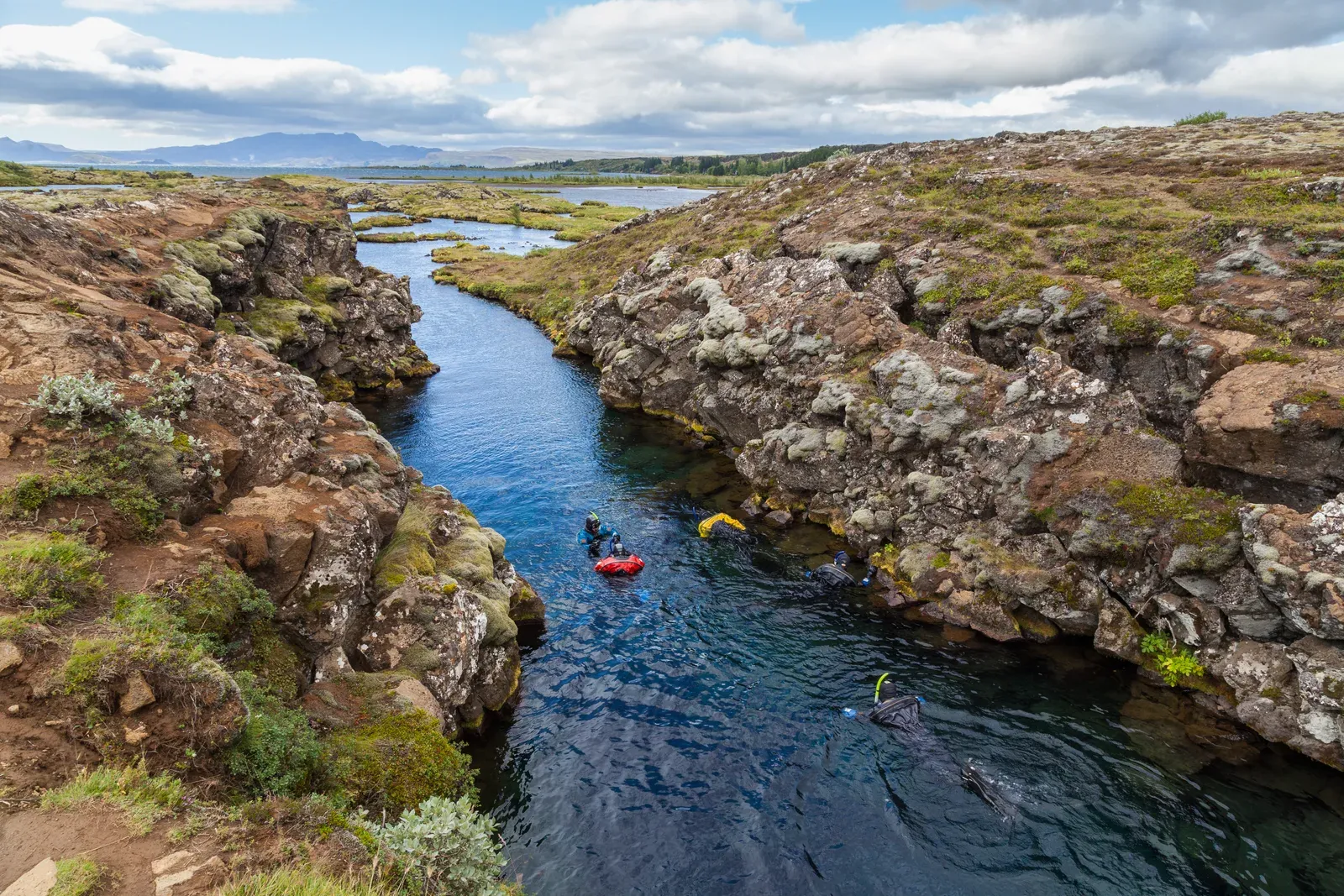
Yes: the water is clearer, wrecks stay ships, kelp grows forests and sites are empty, from Silfra's 40 to 80 m visibility to Antarctica.

27 August 2026 · 8 min read

Wrecks

Deep wreck diving: where recreational stops

Recreational diving stops at 40 m (130 ft) and many famous wrecks go deeper; here they are, sorted into the recreational edge, decompression and trimix bands.

27 August 2026 · 8 min read

Trip planning

Cheapest places to scuba dive, and the catch

Koh Tao, Utila and Dahab are the cheapest places to learn and Bonaire the cheapest per dive, with more bargains from Southeast Asia to Africa.

27 August 2026 · 15 min read

Freshwater

Freshwater diving: lakes, springs and quarries

Fresh water is about 2.5% less dense than the sea, so you carry less lead, and the best of it is in springs, cenotes, clear lakes and Great Lakes wrecks.

27 August 2026 · 15 min read

Body & health

How a dive computer calculates no-stop time

It tracks sixteen model tissues, each filling at its own rate, and no-stop time is how long until the one nearest its limit would forbid a direct ascent.

27 August 2026 · 10 min read

Big animals

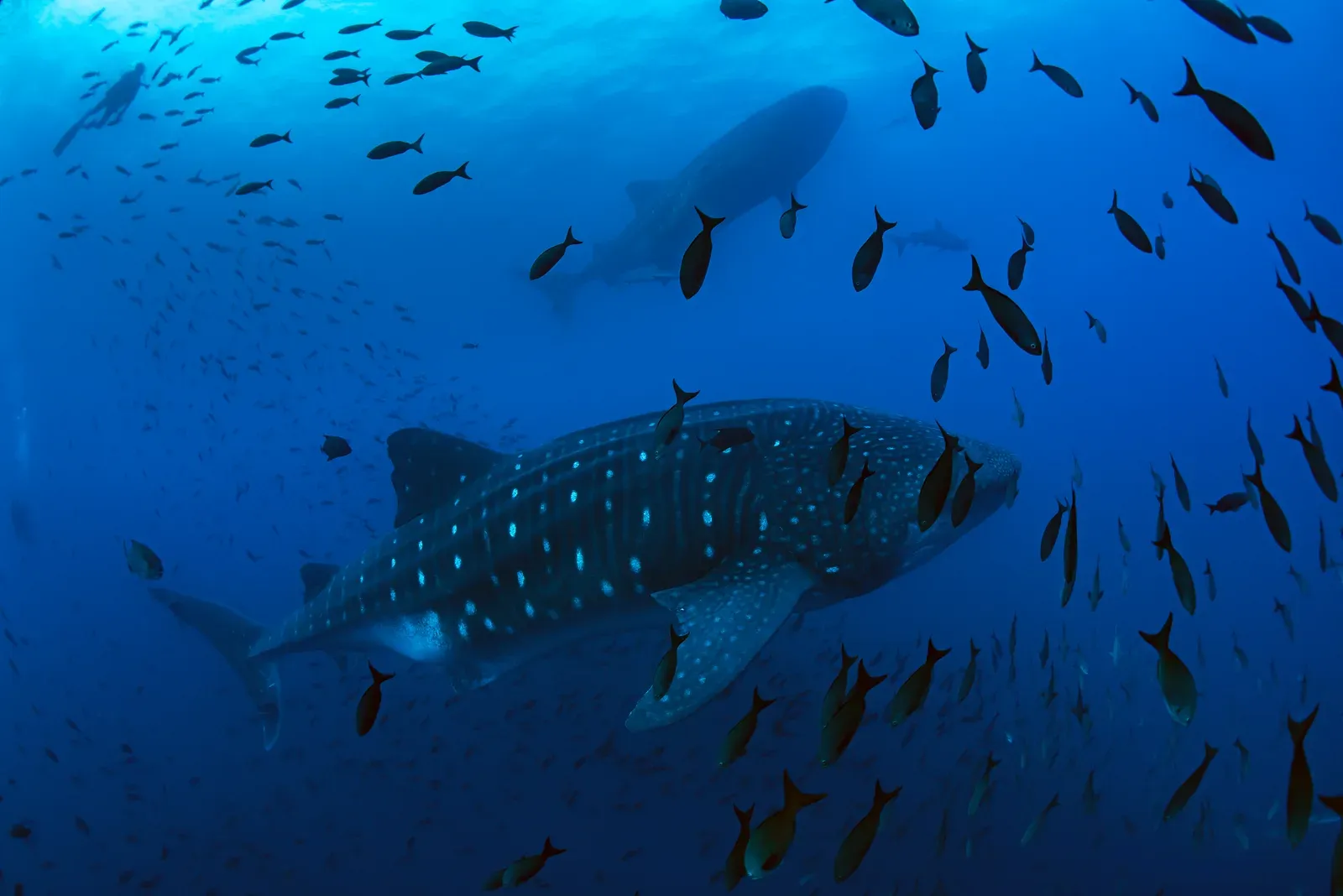
Where to dive with whale sharks, month by month

Book a date only where whale sharks gather to feed, as at Cenderawasih Bay's bagans, Djibouti's winter bloom and Gladden Spit; at seamounts a sighting is luck.

27 August 2026 · 16 min read

Gear & kit

Air, nitrox or trimix: which gas, and when?

Inside 30 m air works and nitrox works better, from 30 to 40 m nitrox often makes the dive, and past 40 m the honest answer is helium.

25 August 2026 · 15 min read

Big animals

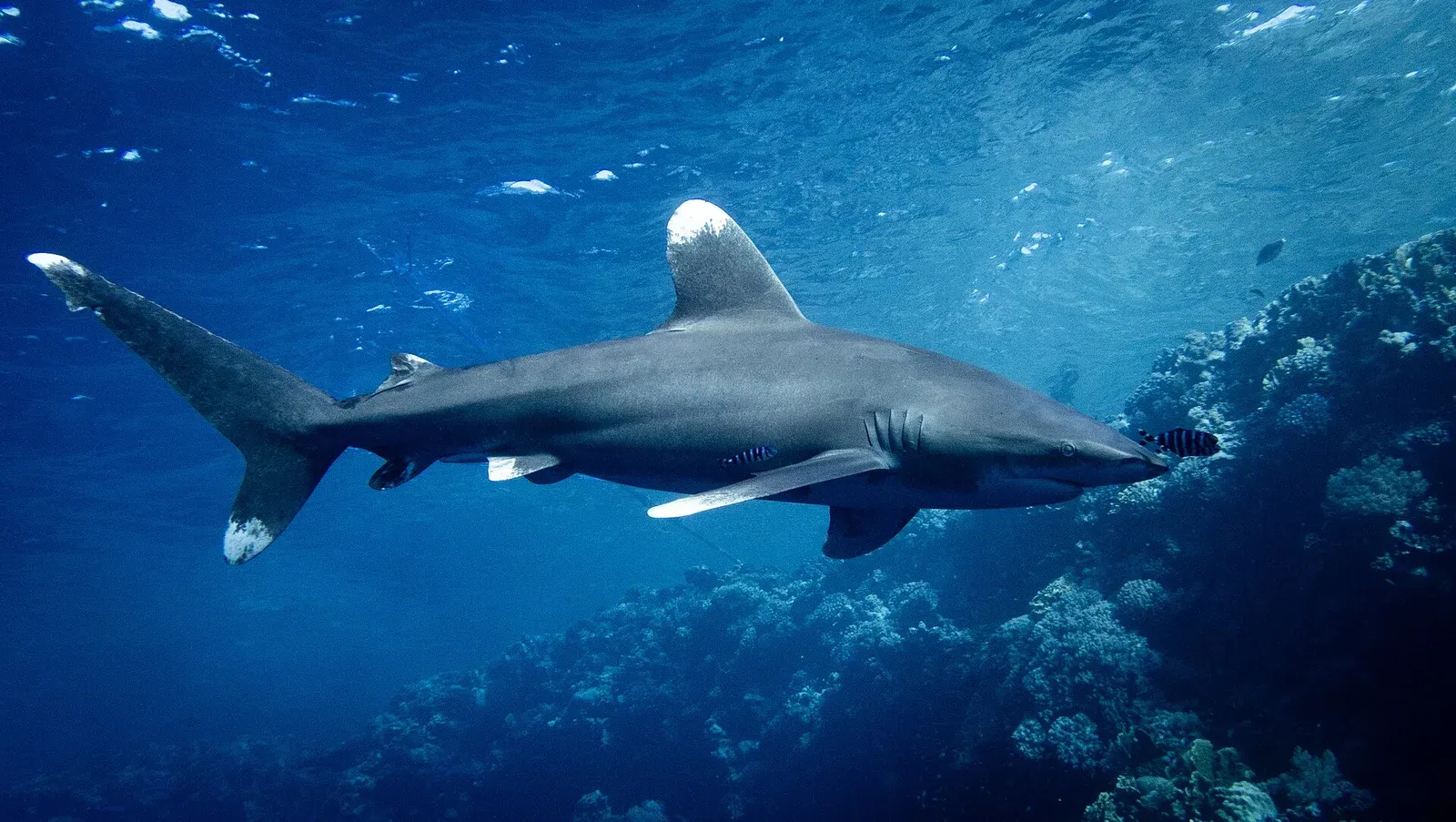
Where to dive with oceanic whitetip sharks

Most oceanic whitetip dives are in Egyptian and Sudanese water, and the best odds anywhere are on autumn trips to the Brothers, Daedalus and Elphinstone.

24 August 2026 · 11 min read

Drift & current

Drift diving: how to read and ride a current

On a drift dive the boat follows you rather than you swimming back to it, and it rests on three skills: a marker buoy, a negative entry and a reef hook.

22 August 2026 · 8 min read

Gear & kit

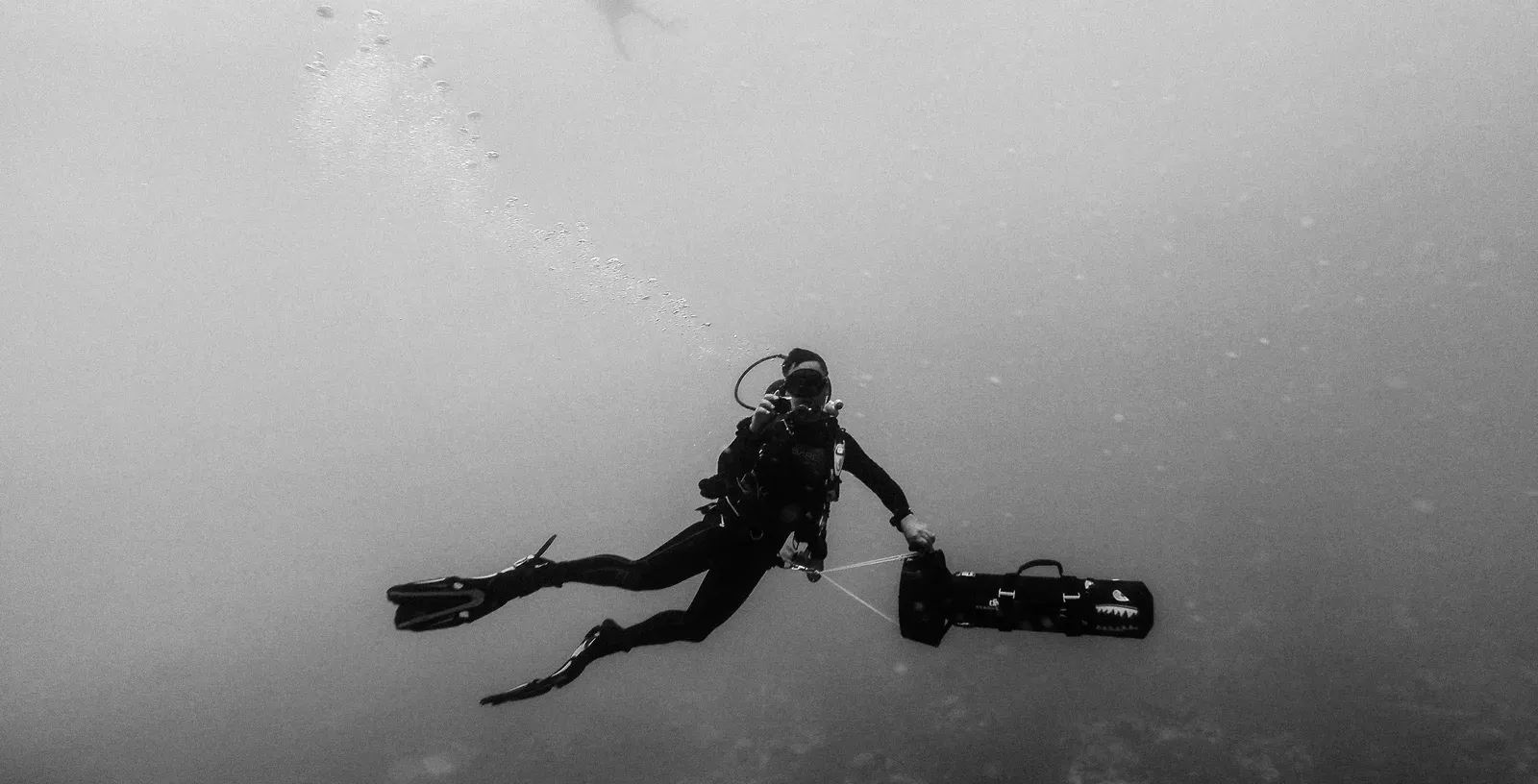
DPV diving: what an underwater scooter changes

A scooter moves you about three times faster than finning, so it joins up sites too big for one dive, but it can take you further than you can swim back.

20 August 2026 · 10 min read

Caves & caverns

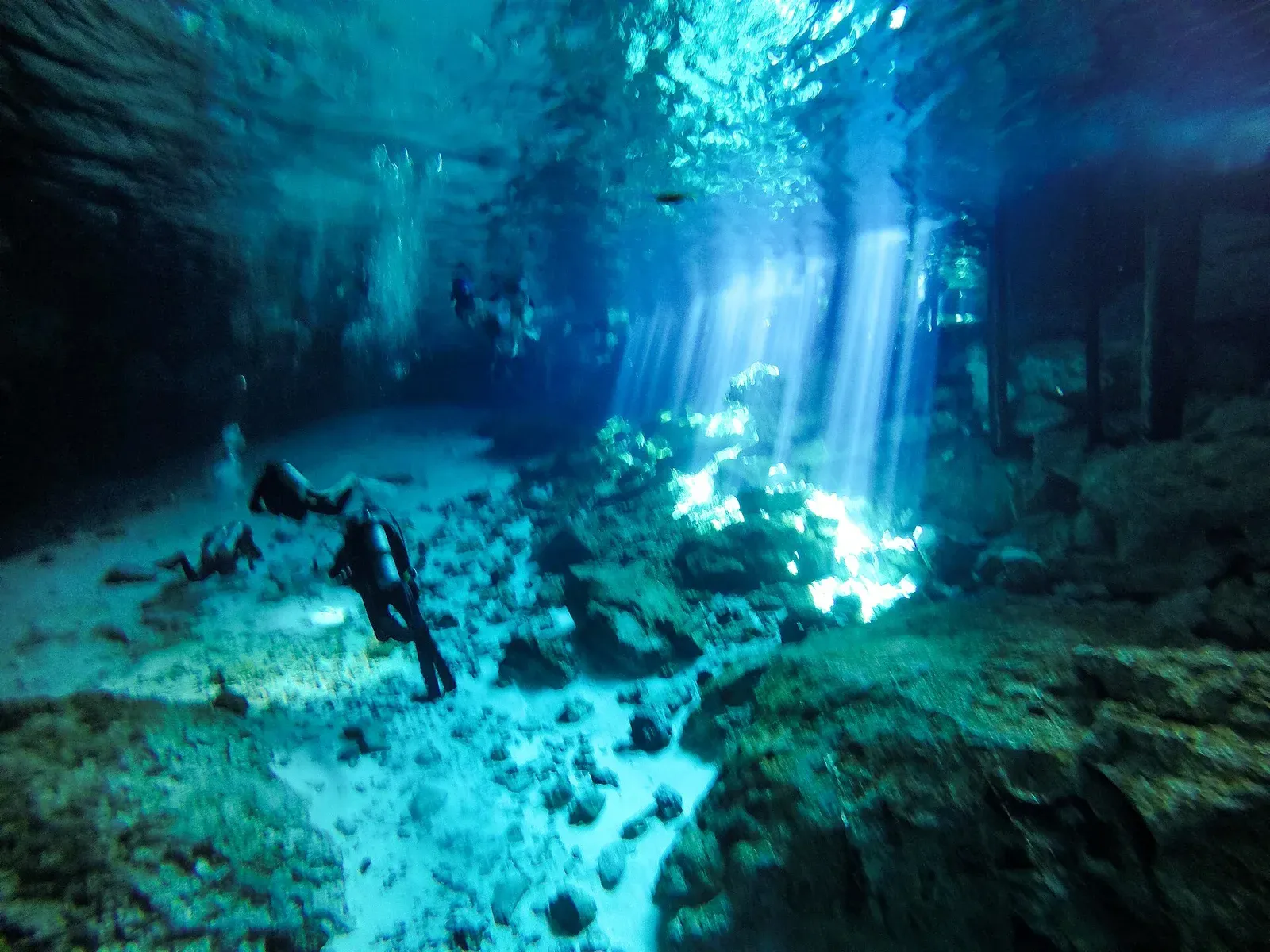
Cavern and cenote diving without cave training

An ordinary card and a guide take you into a cavern, where daylight from the entrance stays in sight; these are the cenotes, springs and sea caves to dive.

17 August 2026 · 8 min read

Big animals

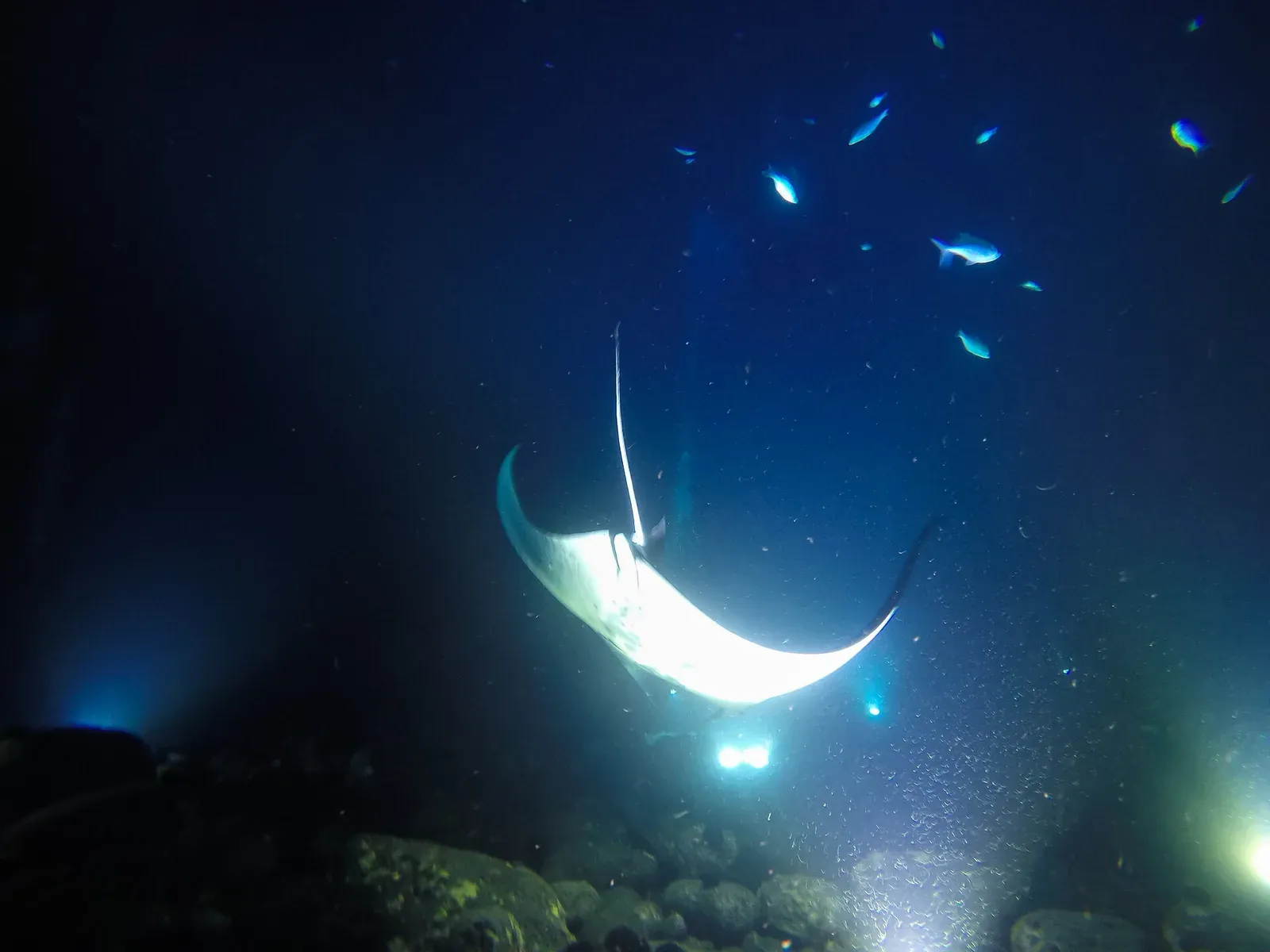
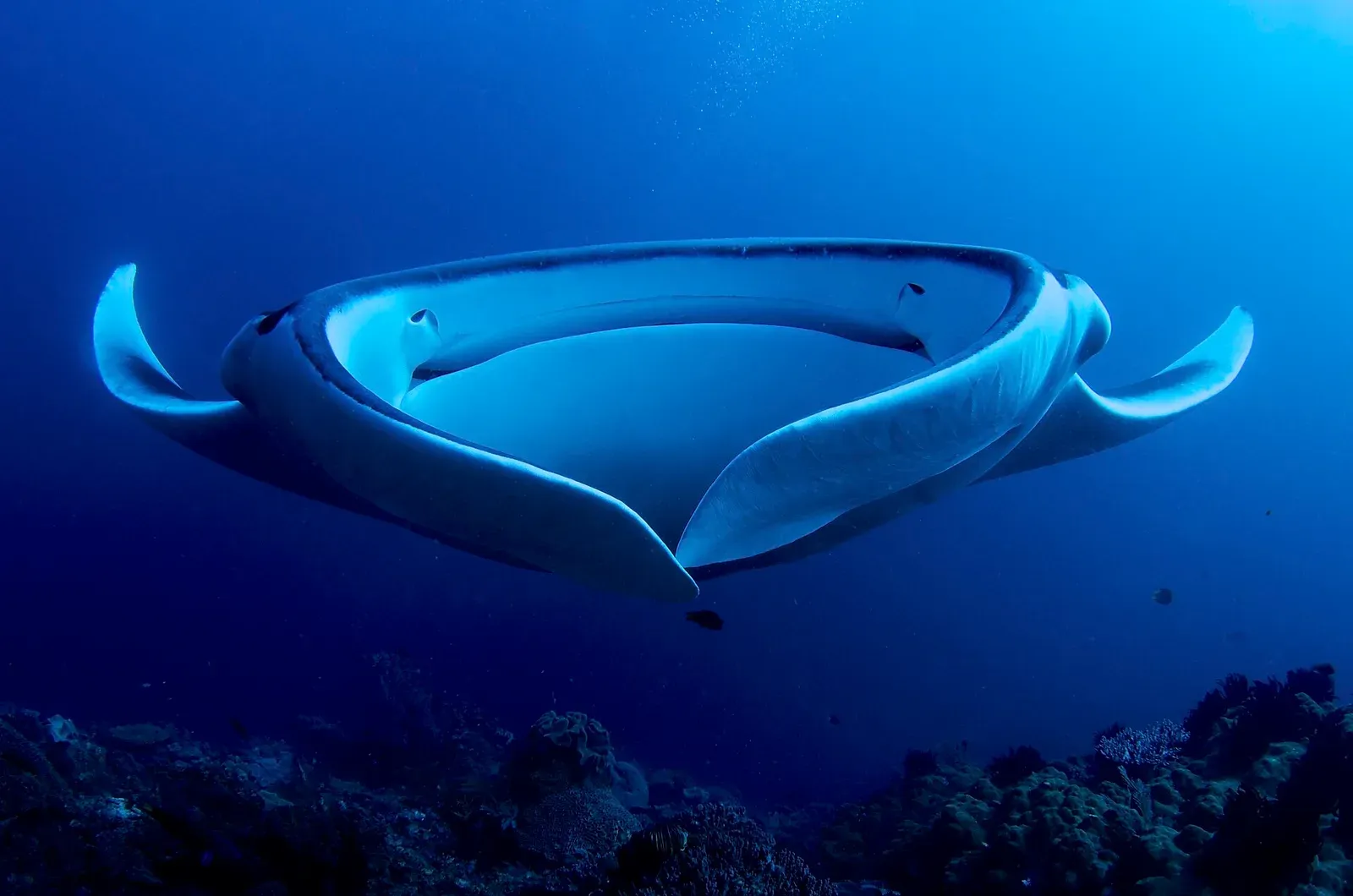
Where to dive with manta rays, month by month

Mantas peak at Yap, Palau and Socorro from November to April, at Baa Atoll, Ishigaki and Tofo from May to October, and Kona's night dive runs all year.

14 August 2026 · 8 min read

Macro & muck

The best muck diving in the world

The best muck diving is in the Coral Triangle, at Lembeh, Ambon, Dauin, Anilao and Milne Bay, and a few temperate piers rival them.

12 August 2026 · 6 min read

Big animals

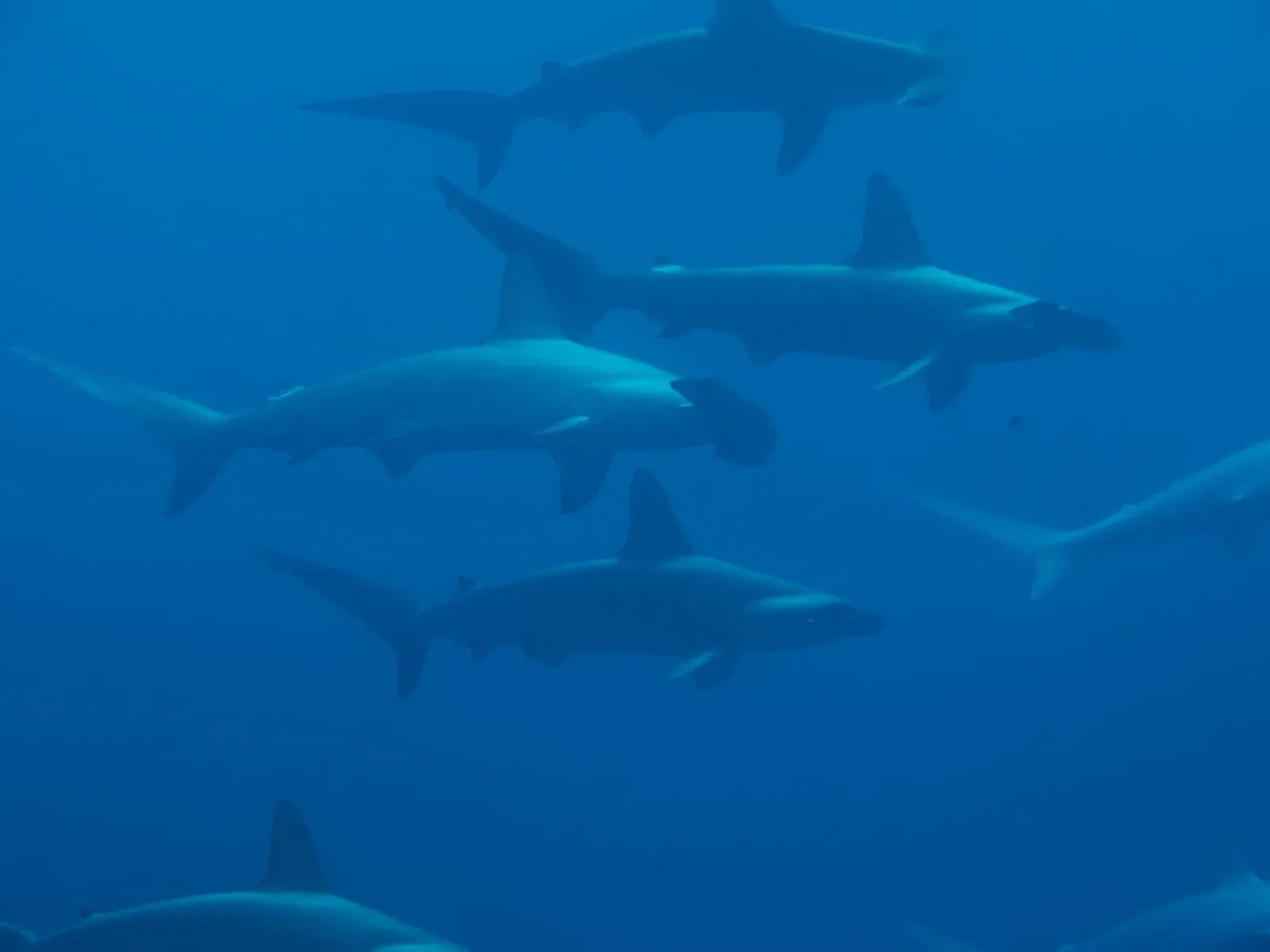
When and where to dive with hammerheads

Where scalloped and great hammerheads school or gather, the months each place peaks, and how the dives run, from Cocos and Bimini to Yonaguni.

9 August 2026 · 16 min read

Wrecks

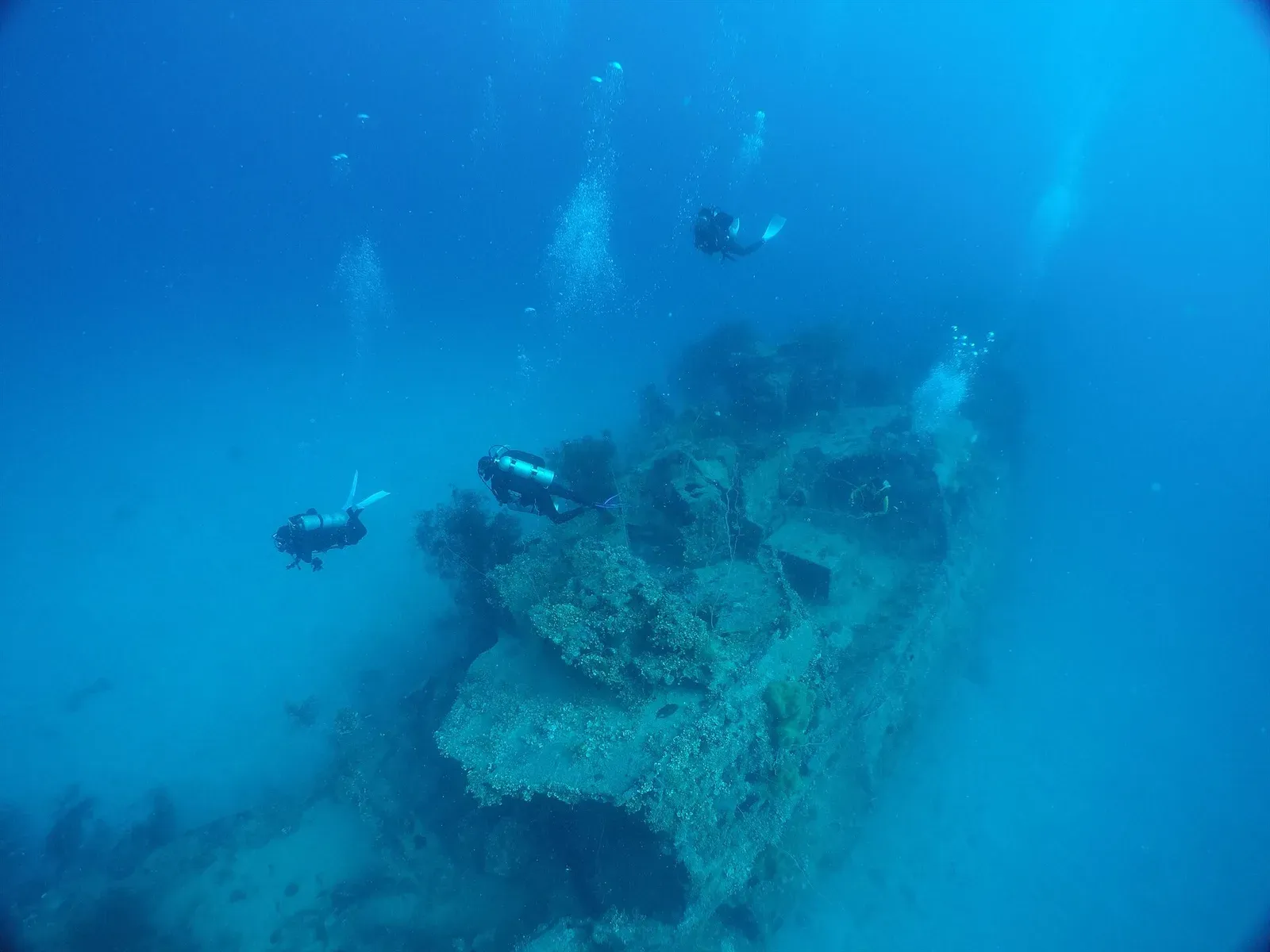
WWII wrecks you can dive, by theatre

Divers can visit Second World War wrecks from Chuuk, Coron and the Solomons to the Red Sea, Norway and Scotland; each has its depth, level and best months.

6 August 2026 · 7 min read

Shore diving

The best shore dives in the world

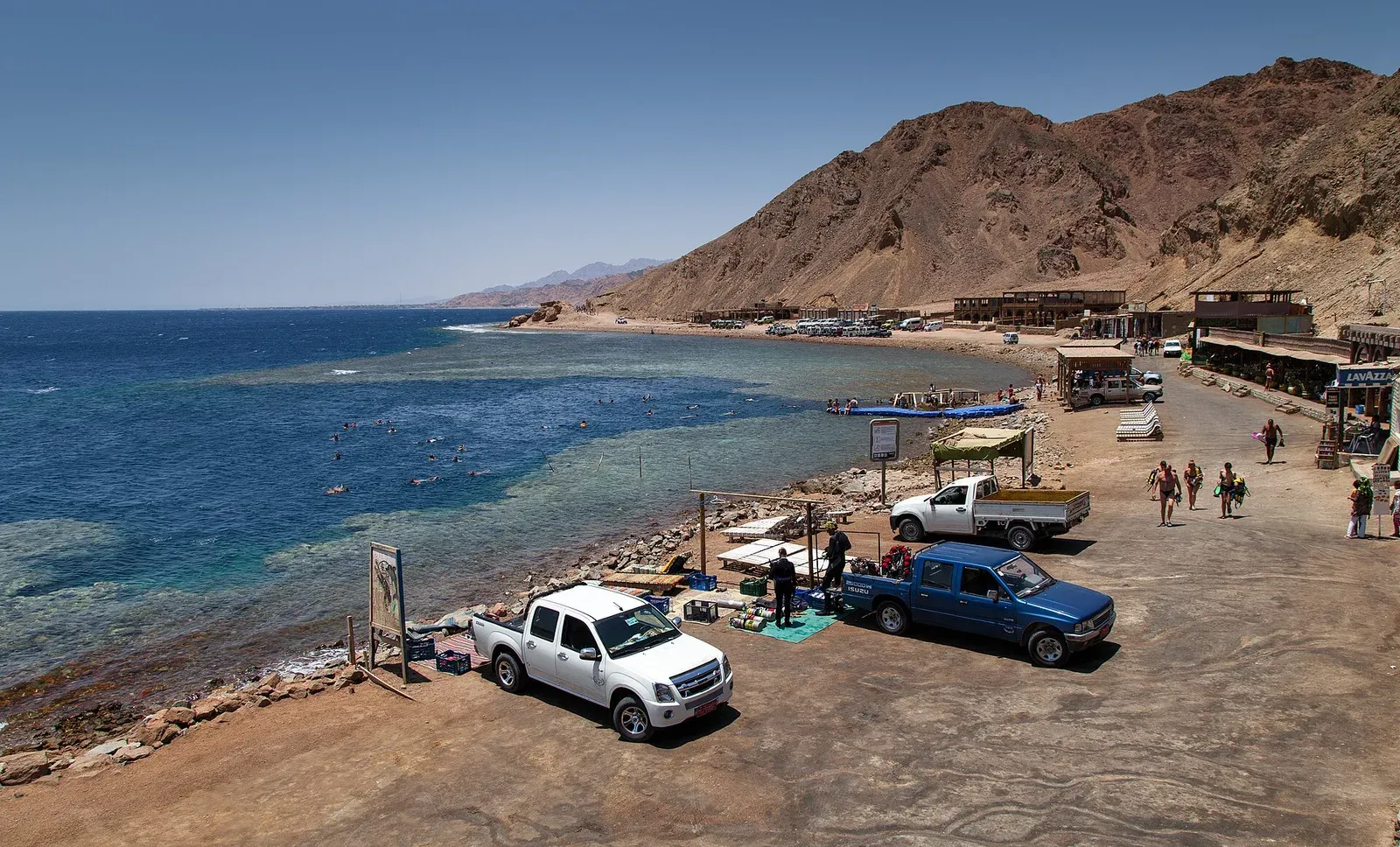
The best shore dives are walk-in reefs and wrecks at Bonaire, Dahab and Tulamben, with more from the Red Sea to Silfra, each with its entry and depth.

1 August 2026 · 8 min read

First dives

Your first wreck dive: what to expect and where

A good first wreck is shallow, intact, easy to reach and easy to leave; here is what the dive feels like, what to skip, and warm and cold wrecks that fit.

29 July 2026 · 6 min read

About the Logbook

Sourced. Each guide lists the published material it was written from — operator briefings, park notices, wreck registers, papers.

Checked. Every claim is checked against those sources before a guide goes out, and re-checked when the sources change.

Independent. No destination or site is a paid placement. How Reefwander works.